
Integrating Indian art into modern home interiors brings a unique blend of rich textures, historical depth, and exquisite craftsmanship. Selecting the right Indian sculptures and figurines requires balancing artistic heritage with the practical realities of your living space. Whether you want to create a serene prayer corner, add a dramatic focal point to your entryway, or introduce subtle textures to a bedroom, understanding how different materials interact with your home’s lighting, humidity, and layout is key to making an informed choice.
By matching the material properties of brass, wood, marble, and terracotta with the specific functional demands of each room, you can create a harmonious environment. This guide explores how to evaluate these traditional art forms, assess your home’s spatial constraints, and maintain your collection to ensure it remains beautiful for years to come.
Understanding Material and Style Options for Indian Decor
Traditional Indian sculptures are crafted from a diverse range of materials, each carrying distinct visual weights, textures, and maintenance requirements. Brass and bronze are among the most popular choices, valued for their heavy, solid feel and brilliant metallic luster. These metals are often cast using traditional sand-casting or lost-wax techniques, resulting in intricate details and a classic aesthetic that ranges from highly polished gold tones to deep, antique patinas.
Products mentioned in this guide
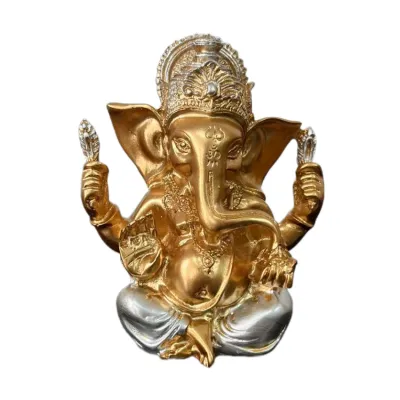
Prices are valid at publication and may change. Please refer to the product page for the latest price.
Wood carvings, typically fashioned from durable timbers like sheesham, mango wood, or teak, offer an organic warmth and tactile appeal. Hand-carved wooden panels, brackets, and figurines showcase deep grain patterns and natural variations that soften modern, minimalist interiors. Because wood is a natural material, it introduces a sense of grounding and rustic charm that metal and stone cannot replicate.
Marble and stone figurines present a cooler, more pristine aesthetic. White marble from regions like Rajasthan is highly prized for its smooth, translucent quality, which reflects light softly and evokes a sense of calm and purity. Stone sculptures, whether carved from dark granite or soft soapstone, carry significant physical and visual weight, making them excellent anchor pieces for structured, formal settings.
Terracotta and clay artifacts represent the earthier side of Indian craftsmanship. These pieces, often left unglazed in warm orange-brown tones or painted with vibrant mineral pigments, bring a rustic, artisanal quality to a space. While terracotta is more fragile than metal or stone, its porous texture and hand-molded details offer an authentic, folk-art appeal that fits comfortably in casual, relaxed environments.
Stylistically, Indian decor spans several categories, from traditional deity motifs to tribal art forms like Dhokra (metal casting) and Bastar art. Contemporary fusion styles have also emerged, featuring simplified, semi-abstract silhouettes of traditional subjects that retain the essence of Indian heritage while fitting seamlessly into sleek, modern design schemes.
Matching Sculptures to Specific Living Spaces
Placing sculptures effectively requires a careful assessment of your home’s spatial proportions, lighting conditions, and existing interior themes. A large, intricate sculpture can easily overwhelm a compact room, while a tiny figurine may get lost on a spacious sideboard. Achieving balance is about understanding scale and ensuring your decor complements, rather than competes with, your furniture.

Lighting plays a crucial role in how a sculpture is perceived. Highly polished brass and marble pieces reflect light, making them ideal for areas with direct spotlighting or abundant natural light. Conversely, matte wood and terracotta absorb light, meaning they require soft, directional illumination to highlight their carved details and textures without casting harsh, distracting shadows.
To avoid visual clutter, aim to balance statement pieces with subtle accents. Instead of crowding a single shelf with multiple small figurines, choose one dominant sculpture as a focal point and surround it with negative space. This approach allows the eye to rest and gives each piece of art the prominence it deserves.
Living Rooms and Entryways
As the primary social and high-traffic zones of the home, entryways and living rooms demand durable materials and visually striking designs. The entryway sets the tone for your entire interior. Placing a sturdy, welcoming sculpture on a console table—such as a traditional Urli bowl filled with water and floating flowers, or a detailed figurine—creates an immediate point of interest that withstands the dust and movement of a busy household transition zone.
In the living room, larger statement pieces work exceptionally well on coffee tables, sideboards, or dedicated wall niches. A substantial hand-carved wooden panel mounted on the wall or a heavy brass deity placed on a solid wooden console can serve as an excellent conversation starter. When styling these areas, ensure the scale of the sculpture matches the furniture; a delicate glass-top table, for example, should host lighter figurines, while a robust wooden credenza can easily support a heavy stone or metal statue.
Consider the viewing angles in these social spaces. Sculptures placed on coffee tables are viewed from above and all sides, meaning they should have clean details from every angle. Wall-mounted pieces or console displays, on the other hand, are viewed primarily from the front, allowing you to focus on intricate relief carvings and front-facing details.
Prayer Areas and Quiet Zones
Prayer areas, meditation corners, and quiet zones require a thoughtful approach to material selection and cultural placement. In these spaces, traditional deity figurines—such as Ganesha, Lakshmi, or Buddha—are often the central focus. Customary guidelines suggest placing these sacred figures on an elevated platform or pedestal, keeping them at or above eye level to maintain a respectful and serene atmosphere.
Serene, light-reflecting materials like white marble, polished alabaster, or high-quality brass are highly preferred for altars and quiet zones. These materials evoke a sense of purity and cleanliness, and their smooth surfaces are practical for daily maintenance. The cool tones of marble and the warm glow of polished brass help create a tranquil environment conducive to reflection and mindfulness.
Space constraints are a common consideration in modern apartments, where dedicated prayer rooms may be replaced by compact wall niches or corner cabinets. Before choosing a figurine, measure the height, width, and depth of your display niche carefully. Ensure there is at least a few centimeters of clearance around the sculpture to allow for safe cleaning, ventilation, and the placement of small oil lamps or incense holders without exposing the artwork to direct heat or soot.
Bedrooms and Personal Spaces
Bedrooms are personal sanctuaries designed for rest and relaxation, meaning the decor should lean toward subtle, calming elements. When introducing Indian sculptures to these private areas, opt for smaller, less intricate figurines that promote a sense of peace. Avoid overly bright, highly polished metallic finishes or large, imposing statues, as dominant visual elements can disrupt the quiet atmosphere of a sleeping space.
Instead, integrate warm wooden carvings, soft soapstone figurines, or rustic terracotta accents on bedside tables, floating shelves, or dressers. A simple hand-carved wooden elephant, a stylized bird figurine, or a minimalist clay sculpture adds organic texture and warmth without overwhelming the room’s visual landscape.
Focus on themes that inspire tranquility, such as nature-inspired motifs, abstract forms, or gentle, flowing silhouettes. By keeping the scale small and the finishes matte or soft, you can enjoy the rich heritage of Indian decoration while preserving the restful, uncluttered character of your personal sanctuary.
Practical Checks Before Buying Indian Figurines
Before purchasing any Indian sculpture, performing a few practical checks will ensure the piece fits your space safely and meets your quality expectations. First, verify the exact dimensions and weight of the figurine. Heavy brass, bronze, or stone statues can weigh several kilograms, requiring a sturdy, stable surface. If you plan to display a heavy piece on a floating shelf or a glass cabinet, confirm that the shelf’s weight capacity can safely support the load.
Inspect the base of the sculpture for stability. A top-heavy figurine with a narrow or uneven base is a safety hazard, especially in homes with pets or young children. The bottom of the base should be perfectly flat; if it is rough or uneven, you may need to apply adhesive felt pads to protect your furniture from scratches and improve the piece’s stability.
When evaluating handmade items, inspect the craftsmanship details closely. If buying in person, run your fingers along the edges to check for sharp metal burrs, uneven joinery, or structural cracks in wooden pieces. For online purchases, request high-resolution images of the back, sides, and base of the sculpture. Handmade art naturally features minor variations and imperfections, which add to its unique character, but these should never compromise the structural integrity of the piece.
Finally, confirm the seller’s packaging standards and return policy, particularly for fragile materials like terracotta, clay, or delicate marble. Reliable sellers should use multi-layered foam packaging, bubble wrap, and sturdy wooden crates for heavier items to prevent chipping or breakage during transit. Understanding the return policy gives you peace of mind in case the item arrives damaged or does not match the scale of your room as expected.
Care and Maintenance for Different Materials
Preserving the beauty and longevity of your Indian sculptures requires material-specific care, especially in regions with high relative humidity. For brass and bronze pieces, regular dusting with a soft, dry microfiber cloth is essential to prevent the buildup of grime. Over time, copper alloys naturally develop a dark patina due to oxidation; if you prefer a bright, golden sheen, clean the metal periodically with a specialized brass polish or a traditional paste of tamarind and water, ensuring you dry the piece completely to prevent water spots.
Wooden carvings require protection from extreme humidity fluctuations and direct sunlight. Intense sunlight can fade natural wood stains and cause the timber to dry out, warp, or split. Keep wooden sculptures away from air conditioning vents and direct window exposure, and apply a thin coat of natural beeswax or high-quality wood conditioner once or twice a year to maintain the wood’s moisture balance and lustrous finish.
Marble and stone figurines should be cleaned with gentle, non-acidic solutions. Avoid harsh chemical cleaners, vinegar, or citrus-based sprays, as these can etch the surface of natural stone and ruin its smooth finish. Instead, wipe the sculpture with a soft cloth dampened with warm water and a mild, pH-neutral soap, then buff dry with a clean towel.
Terracotta and painted clay items are highly sensitive to moisture and should never be washed or submerged in water. Water can soften the clay or cause painted mineral pigments to peel and fade. To clean terracotta, use a soft, dry paint brush or a static duster to gently sweep away dust from intricate crevices and molded details, keeping the piece entirely dry to preserve its rustic charm.
Frequently Asked Questions (FAQ)
Can I mix different Indian sculpture materials in one room?
Yes, mixing different materials like wood, brass, and terracotta can create a rich, layered aesthetic if done intentionally. To harmonize these diverse textures, use a unifying color palette in your surrounding decor or maintain a consistent scale among the pieces. For example, you can pair a warm wooden wall panel with a small brass figurine on a nearby shelf. Ensure you space the pieces adequately to let each material’s unique finish and craftsmanship stand out without competing for visual dominance.
How do I secure heavy Indian statues on open shelves?
Securing heavy statues is crucial for safety, particularly on open shelves or in households with active pets and children. Use museum wax or high-quality non-slip silicone pads under the base of the sculpture to anchor it firmly to the shelf surface without damaging the furniture finish. Always check the manufacturer’s weight capacity rating for your shelving unit before placing heavy stone, marble, or solid brass items, and place the heaviest pieces on the lowest shelves to maintain a low center of gravity.
Community discussion
Share your experience or ask a question. Comments are reviewed before publication.