
To freshen a home in Singapore’s humid, tropical climate, jasmine incense sticks offer a warm, floral alternative to standard aerosol sprays. Choosing the right jasmine air freshener requires balancing scent throw with the ventilation constraints of typical high-rise apartments, such as HDB flats or condominiums. Because humidity can alter how fragrances disperse and how sticks burn, understanding the composition, smoke output, and safety requirements of different incense types is essential for creating an inviting indoor environment.
By focusing on ingredient quality, burn characteristics, and proper room matching, you can enjoy the calming, sweet aroma of jasmine without overwhelming your living space. This guide outlines how to evaluate jasmine incense products, match them to your specific home layout, and burn them safely in an urban environment.
Understanding Jasmine Incense as an Air Freshener
Incense functions as a dynamic air freshener by releasing volatile aromatic compounds through controlled combustion. When you light a jasmine incense stick, the heat vaporizes the essential oils or fragrance compounds bound to the stick’s core, dispersing them into the air along with a delicate trail of smoke. This process creates a rapid, highly noticeable scent throw that can quickly mask household odors, making it a popular choice for quick home freshening.
Products mentioned in this guide
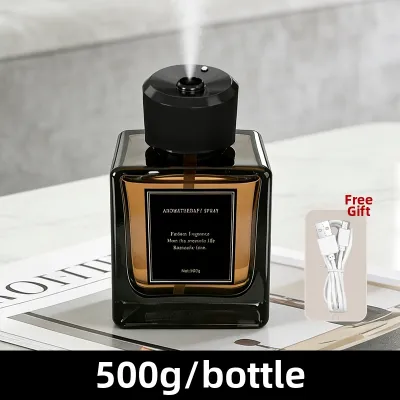
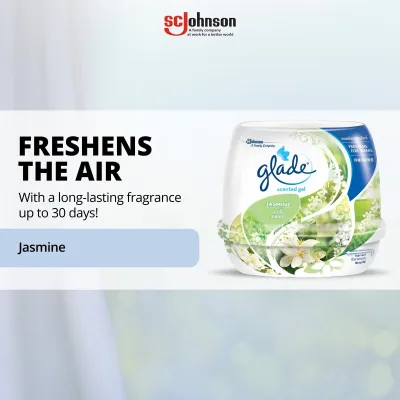
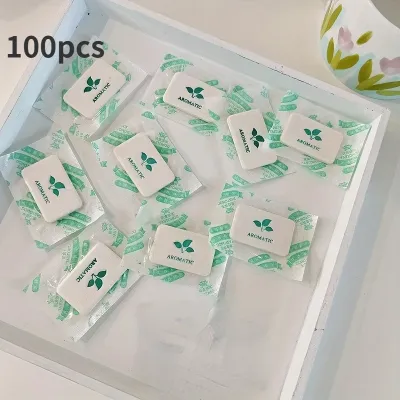
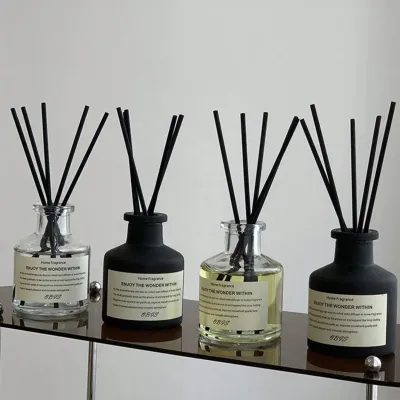
![(80+ Selections) Shangri-La Hotel/ Hilton Hotel/ Westin Hotel/ Lavender/ Jasmine/ Gardenia/ Ocean/ Bluebell/ Rose/ Osmanthus/ English Pear Freesia scent Premium Home Fragrance Reed Diffuser (50ml/ 180ml) / Reed Refill (60ml) Essential Oil [Re.D]](https://img.lazcdn.com/g/p/3531ee3b6bef554bf3880b269eb596d5.jpg_400x400q80.jpg_.webp)
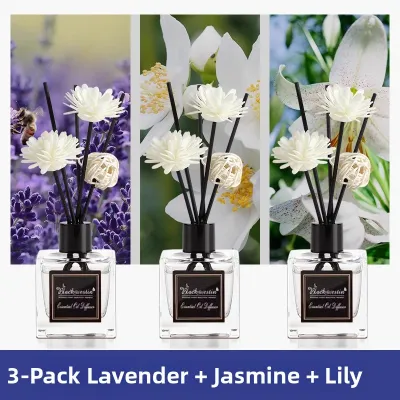
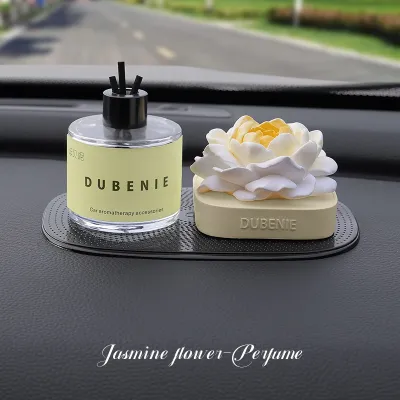
Prices are valid at publication and may change. Please refer to the product page for the latest price.
When selecting a jasmine air freshener in this format, the primary distinction lies between synthetic fragrance oils and natural plant-based ingredients. Natural jasmine incense is typically crafted using ground jasmine petals, pure essential oils, and natural binders like wood powders or resins. These natural formulations yield a soft, complex, and slightly earthy floral profile that mimics the actual flower. In contrast, synthetic options utilize petroleum-derived fragrance oils, which often produce a highly intense, uniform scent. While synthetic sticks are highly effective at masking strong odors, their fragrance can sometimes feel heavy or cloying in smaller, enclosed rooms.
Singapore’s unique climate and housing architecture significantly influence how incense fragrance behaves. High ambient humidity levels can cause scent molecules to cling to moisture in the air, making the fragrance linger longer than it would in drier climates. However, because many modern apartments rely on air conditioning or have limited cross-ventilation, smoke and heavy scents can easily become trapped. Understanding this balance helps you determine whether a highly concentrated stick or a lighter, low-smoke variety is more appropriate for your floor plan.
It is also important to recognize the limitations of incense compared to electronic diffusers or aerosol air fresheners. Aerosols and ultrasonic diffusers release cold mists or dry sprays that disperse instantly without producing combustion byproducts. Incense, because it relies on burning, introduces particulate matter into the air and requires active supervision. It is designed for intentional, temporary aromatherapy sessions rather than continuous, automated scenting, making it ideal for setting a specific mood or clearing the air after cooking.
Key Factors to Consider When Buying Jasmine Incense
Achieving a pleasant aromatic experience starts with evaluating the physical specifications and ingredient quality of the incense sticks before making a purchase. Ingredient transparency is the most critical factor to check on any product label. High-quality manufacturers explicitly list their base materials, such as a natural bamboo core, charcoal, or solid wood powders, alongside the specific binding gums used. If a product label only lists vague terms like “perfume” or “fragrance” without specifying the botanical sources, it is highly likely a synthetic blend, which may produce a harsher scent profile.

Burn time and stick thickness vary widely across different styles of incense, directly impacting how much fragrance is released. Standard Indian-style masala or dhoop sticks, which feature a visible bamboo core coated in a thick layer of aromatic paste, typically burn for 30 to 45 minutes. These hand-rolled sticks carry a larger volume of material, resulting in a robust scent throw suitable for larger rooms. Conversely, solid-core Japanese-style sticks contain no wood core, burning completely from end to end. These thinner sticks burn more slowly and quietly, offering a highly controlled fragrance release with minimal wood-burning undertones.
Smoke output levels are another vital consideration for indoor air quality in urban apartments. Traditional charcoal-based or bamboo-core sticks can produce a visible plume of smoke that may leave a lingering smoky residue on light-colored walls, curtains, or upholstery if used frequently. If you live in a compact apartment or prefer a cleaner burn, look for products specifically labeled as “low-smoke” or “smokeless.” These formulations use specialized charcoal bases and minimal binders to ensure that the delicate jasmine aroma takes center stage without a heavy smoky accompaniment.
Finally, pay close attention to the packaging of the incense sticks. Jasmine is a highly volatile floral note that degrades rapidly when exposed to air, light, and ambient moisture. Premium incense is almost always packaged in sealed inner sleeves, foil wraps, or sturdy, airtight boxes that protect the sticks from Singapore’s high humidity. Avoid purchasing loose incense sticks sold in open-air bins, as they have likely lost their top notes and absorbed moisture, which can cause them to burn unevenly or fail to light altogether.
Matching Scent Profiles to Different Home Spaces
Not all home spaces are created equal, and a jasmine incense stick that works beautifully in an open living area might feel overwhelming in a compact study. For spacious living rooms and open-concept dining areas, a robust masala-style jasmine incense is highly effective. The generous air volume in these spaces allows the rich, sweet, and slightly exotic notes of jasmine to unfold naturally. A stronger scent throw ensures the fragrance travels throughout the common areas, creating a cohesive and welcoming atmosphere for guests.
In contrast, bedrooms and study spaces require a much lighter, subtler touch to maintain a relaxing environment. For these personal sanctuaries, opt for delicate, low-smoke solid sticks or herbal blends where jasmine is balanced with grounding base notes like sandalwood or agarwood. This combination tempers the sweet floral intensity of the jasmine, providing a calming backdrop that supports relaxation, reading, or sleep without irritating your senses or causing headaches.
Bathrooms and entryways present a different challenge, often requiring targeted odor masking rather than ambient scenting. A short, high-intensity jasmine stick can rapidly neutralize dampness, musty odors, or shoe cabinet smells. However, because these areas are typically small and may lack external windows, you should burn the incense only briefly. Keeping the bathroom door open or running an exhaust fan during and after the burn ensures that the smoke clears quickly, leaving behind only a clean, floral freshness.
Safe Usage and Burner Compatibility
Burning incense safely indoors requires the right equipment and a clear understanding of fire prevention. Your choice of burner must match the specific style of incense stick you are using. Bamboo-core sticks require a holder with a small, angled hole—often referred to as an incense boat or ash catcher—that holds the stick securely at an angle, ensuring all falling ash lands on a non-flammable ceramic, wooden, or metal tray. Solid-core sticks, which lack a wood end, require a dedicated clip, a specialized ceramic holder with a precise aperture, or a small bowl filled with non-flammable ash or clean sand to hold the stick upright.
Placement is paramount when lighting incense in a residential setting. Always position your burner on a flat, stable, and heat-resistant surface, such as a stone countertop, a ceramic tile, or a heavy metal tray. Keep the burning stick far away from open windows, air conditioning vents, ceiling fans, and any drafty areas that could blow hot ash onto flammable materials like curtains, paper, or tablecloths. Ensure the burner is placed well out of reach of children and curious pets who might accidentally knock it over.
Proper ventilation is essential to prevent smoke buildup and maintain healthy indoor air quality. Never burn incense in a completely sealed, air-conditioned room. Instead, crack open a window or a balcony door slightly to establish a gentle, natural draft. This allows fresh air to circulate, carrying away excess smoke while allowing the delicate jasmine fragrance to disperse evenly throughout the room.
Never leave a burning incense stick unattended. If you need to leave your home or go to sleep before the stick has finished burning, extinguish it safely by pressing the glowing tip firmly into a heat-safe ceramic dish, or dip the tip into a small cup of water. Once the stick is fully extinguished, allow the accumulated ash to cool completely before discarding it in the household trash to eliminate any risk of smoldering fires.
Where to Shop and What to Verify Before Purchase
When shopping for jasmine incense sticks, navigating retail channels with a critical eye will help you find high-quality products that deliver a clean burn. On online marketplaces, look closely at the product descriptions rather than relying solely on promotional images. Verify the country of origin, the total weight or stick count, and the explicit ingredient list. Be cautious of listings that use overly generic descriptions or fail to mention the manufacturer, as these products may contain low-grade synthetic binders that produce harsh smoke.
If you prefer to shop in person, visiting local specialty boutiques, aromatherapy stores, or cultural shops in Singapore allows you to inspect the physical packaging firsthand. Check to ensure the box or tube is tightly sealed and free from water damage or crushing. You can often gently smell the exterior of a sealed package; a high-quality jasmine incense should emit a subtle, clean, and recognizable floral aroma, rather than a sharp, chemical perfume smell that irritates the nose before the stick is even lit.
Be mindful of common red flags in product marketing. Avoid listings that make absolute claims such as “100% smoke-free,” as any product that relies on combustion will naturally produce some level of smoke. Extremely low prices—such as packs sold for under S$2—often indicate the use of cheap synthetic fillers and poor quality control, which can result in a disappointing scent and a rapid, uneven burn. Investing a bit more, typically budgeting around S$10 to S$30 for premium natural or low-smoke sticks, generally yields a much cleaner, safer, and more enjoyable aromatic experience.
Finally, always check the retailer’s return and exchange policies before completing your purchase. Because fragrance preference is highly subjective, what smells delightful to one person may feel overwhelming to another. Most retailers do not accept returns on opened or partially burned incense packages due to hygiene and resale limitations. To minimize risk, look for brands that offer smaller sampler packs or variety boxes, allowing you to test the jasmine scent in your own home environment before committing to a larger quantity.
Frequently Asked Questions (FAQ)
Can jasmine incense trigger allergies or asthma?
Yes, burning incense releases fine particulate matter and volatile organic compounds into the air, which can irritate sensitive airways. For individuals with pre-existing respiratory conditions like asthma, allergies, or chronic bronchitis, this smoke can trigger coughing, wheezing, or shortness of breath. To mitigate these risks, always burn incense in well-ventilated spaces, opt for low-smoke or charcoal-free formulations, and limit the burn time. If you experience any respiratory discomfort, extinguish the stick immediately, open your windows fully, and consult a healthcare professional.
How should I store incense sticks to maintain their fragrance?
To preserve the delicate floral notes of jasmine and prevent the sticks from absorbing moisture in Singapore’s humid climate, store them in an airtight container. Glass jars, tin boxes, or heavy-duty resealable plastic bags are excellent choices. Keep the container in a cool, dry, and dark place, such as a closed drawer or cupboard, away from direct sunlight and household heat sources. Additionally, keep different scent profiles stored in separate containers to prevent cross-contamination, ensuring your jasmine sticks retain their true, distinct floral character over time.
Community discussion
Share your experience or ask a question. Comments are reviewed before publication.