
To find the best incense joss sticks in Singapore for daily worship or aromatherapy, you must evaluate the raw ingredients, smoke output, and burning characteristics rather than relying on brand names alone. While traditional worship favors natural wood powders like sandalwood and agarwood, aromatherapy relies on botanical blends and essential oils. Choosing the right stick involves matching these characteristics to your living space, ventilation, and personal preferences.
By understanding how different materials burn and where to source authentic products locally, you can select incense that enhances your home environment. Whether you seek a calming atmosphere for meditation or a clean-burning stick for daily prayers, a systematic approach to ingredients and safety will guide you to the right choice.
Understanding the Difference Between Worship and Aromatherapy Joss Sticks
Traditional worship joss sticks and modern aromatherapy sticks serve distinct purposes, which dictates their raw material composition, scent profiles, and burning behaviors. Traditional worship sticks are deeply rooted in cultural and religious practices, designed to carry prayers upward through their smoke. These sticks typically feature a central bamboo core coated with natural wood powders, such as sandalwood (Sandalwood) or agarwood (Agarwood). The scent profile is woody, earthy, and robust, intended to create a sacred atmosphere in dedicated altars or temple spaces. Because they are burned daily, often in larger quantities, their formulation prioritizes steady burning and cultural authenticity over complex fragrance notes.
Products mentioned in this guide
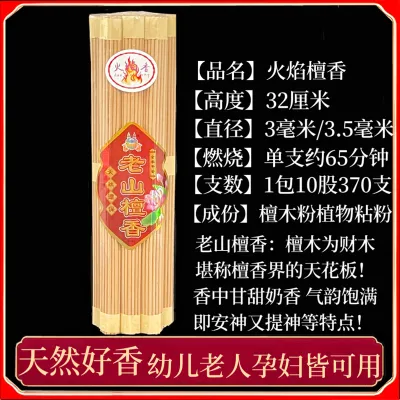
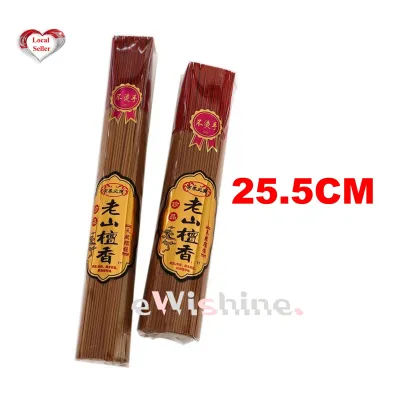
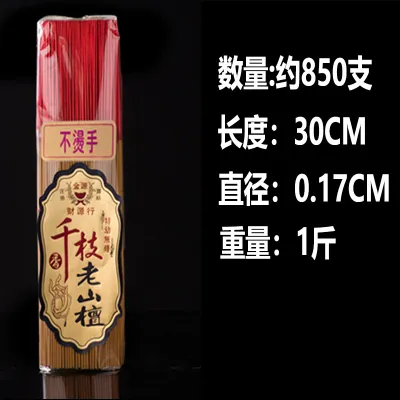
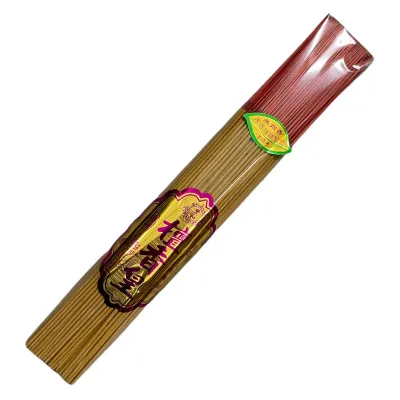

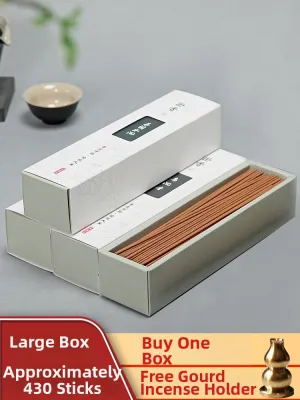
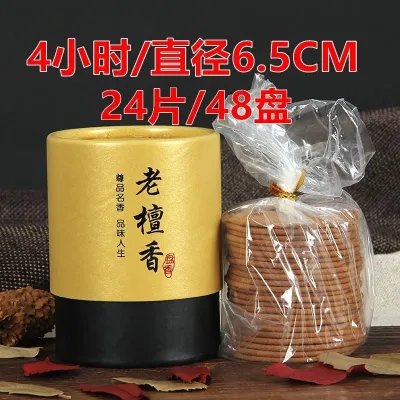
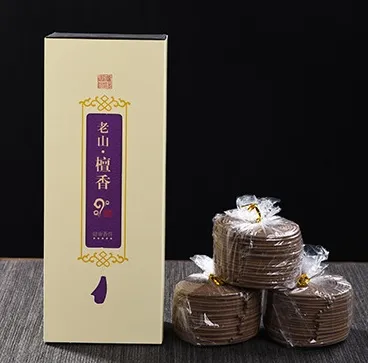
Prices are valid at publication and may change. Please refer to the product page for the latest price.
In contrast, aromatherapy joss sticks are formulated primarily for indoor relaxation, stress relief, and space fragrancing. These sticks are frequently coreless, consisting entirely of compressed incense paste, which allows for a purer scent throw without the underlying smell of burning bamboo. Aromatherapy blends incorporate essential oils, dried herbs, resins, and floral extracts to create intricate scent profiles like lavender, jasmine, or white sage. The focus is on creating a subtle, lingering aroma that enhances the mood of a room without overwhelming the senses, making them ideal for modern living rooms, study areas, or yoga spaces.
Smoke output and ash characteristics also differ significantly between the two types. Traditional cored joss sticks produce a more visible, dense smoke due to the combustion of both the bamboo core and the outer wood paste. This smoke is culturally symbolic but requires spacious, well-ventilated areas to prevent indoor air stagnation. Aromatherapy sticks, especially coreless varieties, are engineered to produce minimal, lightweight smoke that dissipates quickly. The binders used in these products also affect the experience; traditional sticks often use natural tree bark binders like tabu powder (Machilus thunbergii), which burns slowly and produces a steady ash column, while premium aromatherapy sticks use refined plant-based binders to ensure a clean, soot-free burn.
Key Factors to Check When Buying Joss Sticks
Evaluating ingredient transparency is the most critical step when purchasing incense joss sticks. High-quality manufacturers list their raw materials clearly, specifying the use of natural wood powders, pure resins, and plant-derived binders. You should actively check packaging labels for indicators of synthetic adhesives, chemical colorants, or artificial burn accelerants, which are sometimes added to lower-grade products to reduce production costs. If a product lacks an ingredient list or smells intensely chemical even before it is lit, it may contain synthetic fragrance oils that can cause headaches or throat irritation when burned in enclosed spaces.

Matching the physical dimensions of the incense stick to your daily routine ensures a practical and enjoyable burning experience. Standard joss sticks range from 21cm to over 32cm in length, with burn times typically spanning 30 to 50 minutes. For daily morning prayers or structured meditation sessions, selecting a stick with a predictable burn time allows you to time your activities without needing to monitor the flame. Conversely, shorter coreless sticks, often measuring 12cm to 15cm, burn for approximately 15 to 25 minutes, making them highly suitable for quick aromatherapy sessions in smaller rooms or compact apartments.
Scent throw and harshness are key indicators of product quality that you can observe during use. A premium incense joss stick should release a gentle, evolving aroma that gradually fills the room rather than an immediate, aggressive burst of fragrance. If the smoke feels heavy on your chest, stings your eyes, or leaves a harsh, acrid aftertaste in the air, the stick likely contains low-grade synthetic perfumes or chemical binders. Natural ingredients, such as pure sandalwood or frankincense resin, produce a smooth, rounded scent throw that lingers pleasantly in the fabric of the room without becoming stale or sour.
Singapore’s tropical climate, characterized by high relative humidity, poses a constant challenge for incense storage. Before purchasing, inspect the packaging to ensure it provides adequate protection against moisture. High-quality joss sticks are typically sold in sturdy paper tubes, sealed foil sleeves, or boxes with resealable zip locks. Damp incense absorbs moisture from the air, which leads to warping, mold growth, and difficulty in lighting. Damp sticks also burn unevenly, frequently extinguishing themselves mid-burn and releasing a musty, unpleasant smoke that ruins the intended fragrance profile.
Where to Source Quality Joss Sticks in Singapore
Visiting traditional incense and religious supply shops in Singapore offers a highly tactile and reliable shopping experience. These specialized retailers, often found in heartland neighborhoods, allow you to physically inspect the sticks before buying. You can check the texture of the wood powder, observe the consistency of the color, and even sample the unlit aroma. Experienced shopkeepers can provide valuable guidance on which wood grades are best suited for daily use versus special occasions, helping you avoid low-quality, mass-produced alternatives that may contain excessive chemical additives.
Temple-affiliated stores and heritage districts, such as those around Waterloo Street, Chinatown, and Little India, are excellent sources for culturally authentic, high-grade worship sticks. Because these merchants cater to a dedicated community of daily practitioners, their product turnover is exceptionally high. This rapid stock rotation ensures that the joss sticks you purchase are fresh and have not spent months absorbing moisture in a damp warehouse. Furthermore, these historic districts often host multi-generational vendors who source their raw materials directly from reputable mills in regions known for premium sandalwood and agarwood production.
For those seeking specialized aromatherapy brands, online marketplaces and official brand storefronts offer convenience and a wider selection of global products. When shopping online, it is essential to verify the credibility of the seller by analyzing customer reviews and ratings. Look for specific feedback regarding packaging quality, transit damage, and whether the incense arrived dry and intact. Prioritize official brand stores or authorized local distributors who offer clear return policies for damaged or defective goods, ensuring you can easily replace any items that do not meet quality standards.
Safe Burning and Space Maintenance Practices
Maintaining proper ventilation is essential when burning any type of incense joss stick, particularly in compact Singaporean apartments like HDB flats. To balance scent retention with indoor air quality, always burn incense near an open window or in a room with active cross-ventilation. This allows the smoke to circulate and escape, preventing the accumulation of fine particulates while still allowing the pleasant aroma to disperse throughout your living space. Avoid burning incense in completely closed, air-conditioned rooms, as the lack of fresh air exchange can lead to stale air and respiratory discomfort over time.
Selecting the appropriate burner or holder is crucial for both safety and cleanliness. For traditional cored joss sticks, choose a sturdy, heat-resistant holder made of ceramic, brass, or stone, equipped with a wide ash catcher to collect falling debris. The holder must keep the stick securely upright or at a consistent angle to prevent it from tipping over. For coreless aromatherapy sticks, a horizontal incense box lined with fireproof felt is highly recommended; this design allows the stick to burn safely from end to end while keeping all ash completely contained within the non-flammable chamber.
Fire safety boundaries must be strictly established and maintained in your home. Place your incense burner on a flat, stable, and heat-resistant surface, well away from open windows where sudden drafts could blow curtains or papers into the glowing tip. Keep the burning area clear of flammable home decor, hanging fabrics, books, and household chemicals. Additionally, ensure the burner is positioned out of reach of pets and young children, and never leave burning incense unattended, even for a short duration. Always verify that the stick has completely extinguished, leaving no glowing embers, before disposing of the ash.
Regular ash cleanup and residue management will protect your furniture finishes and maintain a clean home environment. Over time, the natural oils and smoke from incense can leave a fine, sticky residue on nearby walls, shelves, and decorative items. To prevent permanent staining or discoloration, periodically wipe down surrounding surfaces with a damp microfiber cloth and a mild, non-abrasive soap. Clean your incense holders regularly by emptying the accumulated ash and washing ceramic or metal burners to remove oily buildup, ensuring they remain safe and visually appealing additions to your home decor.
Frequently Asked Questions (FAQ)
Can I use aromatherapy joss sticks for daily religious worship?
Yes, you can use aromatherapy joss sticks for daily religious worship, provided the ingredients align with your personal and spiritual preferences. Traditional practices often favor pure, natural wood powders like sandalwood or agarwood because they are culturally associated with purification and respect. If you choose to use aromatherapy sticks for worship, it is best to select high-quality, natural blends that do not contain heavy synthetic perfumes or artificial dyes, ensuring the offering remains respectful and clean-burning.
How do I know if a joss stick has expired or gone bad?
You can identify a degraded joss stick through several clear physical and sensory signs. If the stick has absorbed excessive moisture from Singapore’s humid climate, it may appear visibly warped, bent, or feel soft and crumbly to the touch. When lit, a degraded stick will be difficult to ignite, may extinguish itself repeatedly, or will produce a musty, damp smell that overpowers the original fragrance. Additionally, if you notice any white or grey mold spots forming on the surface of the wood powder, the incense should be discarded immediately to avoid burning mold spores.

Community discussion
Share your experience or ask a question. Comments are reviewed before publication.