
Selecting the perfect christmas lights led setup for your home requires balancing decorative appeal with safety, durability, and environmental suitability. In Singapore’s tropical climate, where high indoor humidity matches sudden outdoor downpours, choosing the wrong type of light can lead to electrical hazards or premature failure. The ideal choice depends entirely on the specific zone of your home—whether it is a dry living room, a sheltered HDB balcony, or an exposed garden path.
Before evaluating colors or bulb styles, you must verify the product’s environmental protection level and safety certifications. Matching your intended installation area to the correct Ingress Protection (IP) rating is the single most critical step in preventing short circuits or electrical fires.
To simplify your planning, use this quick-reference summary for matching home zones with their minimum required IP ratings:
Products mentioned in this guide
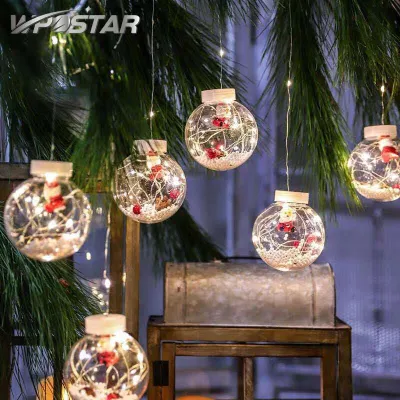
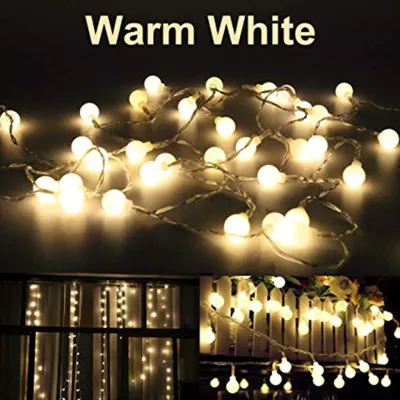
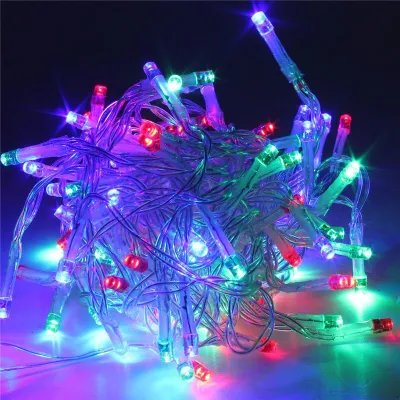
![[SG STOCK]4M LED String Light Fairy Curtain Lights Wedding Festive Christmas Decoration Lighting String Curtain Ceiling Light](https://img.lazcdn.com/g/p/96c2f8dded1d497bae8da3a55b7e37b3.jpg_400x400q80.jpg_.webp)
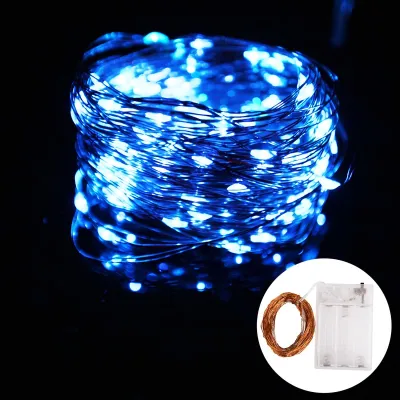
Prices are valid at publication and may change. Please refer to the product page for the latest price.
- Indoor Spaces (Living Rooms, Bedrooms): IP20 minimum. These lights are designed strictly for dry, climate-controlled environments.
- Semi-Outdoor Spaces (Covered HDB Balconies, Protected Corridors): IP44 minimum. These can withstand high humidity and occasional wind-blown moisture.
- Fully Outdoor Spaces (Open Gardens, Patios, Rooftop Terraces): IP65 minimum. These are built to survive heavy monsoon rains, dust, and direct sun exposure.
Decoding IP Ratings and Electrical Safety for Singapore Homes
Understanding Ingress Protection (IP) ratings is essential when shopping for festive lighting. An IP rating consists of two digits: the first represents protection against solid objects and dust (ranging from 0 to 6), while the second represents protection against liquids (ranging from 0 to 9). For festive lighting, the liquid protection digit is the most critical factor to examine on the product packaging.
An IP20 rating indicates that the light strand has no protection against water ingress and should only be used in completely dry indoor rooms. IP44-rated lights are protected against solid objects larger than 1 millimeter and splashes of water from any direction, making them suitable for damp or partially sheltered zones. For areas completely exposed to the elements, IP65-rated lights offer complete dust-tight protection and can withstand low-pressure water jets, ensuring they remain safe during intense tropical downpours.
In Singapore, the standard household electrical supply operates at 230V with a frequency of 50Hz, utilizing Type G three-pin plugs. When purchasing plug-in LED lights, always verify that the power supply adapter carries the Enterprise Singapore SAFETY Mark. This certification indicates that the electrical accessory has been tested and approved to meet local safety standards, reducing the risk of short circuits or electrical fires in your home.
Using low-voltage LED lights (typically 12V or 24V) that utilize a step-down transformer plug is highly recommended for added safety. This configuration ensures that the voltage running along the actual light strand is minimal, greatly reducing the risk of severe electric shock if a wire is accidentally damaged. However, keep in mind that even if the light strand is waterproof, the transformer plug itself must be kept dry inside the home or housed in a specialized weatherproof enclosure.
Before installing any decorative lighting, locate your main circuit breaker and understand how to isolate power to the relevant outlets. Never plug multiple high-draw appliances into the same extension cord as your festive lights, and avoid daisy-chaining multiple adapters together. Overloading extension cords is a major fire hazard, particularly in older housing estates where electrical wiring may not be designed to handle modern multi-plug loads. Always inspect the entire length of the cable for exposed copper, cracked insulation, or loose bulb sockets before plugging it in.
Living Rooms and Indoor Spaces: Creating a Cozy Ambience
Indoor spaces offer the greatest flexibility for creative styling because you do not have to worry about wind or rain. For dry living rooms, IP20-rated LED lights are the standard choice. Because these lights do not require heavy-duty waterproofing layers, they are typically constructed with thin, highly flexible copper or clear plastic wires. This lightweight design makes them incredibly easy to drape, shape, and secure without putting excess strain on your furniture or indoor plants.

When selecting your lights, consider how different color temperatures influence the mood of your living space. Warm white lights (typically around 2700K to 3000K) emit a soft, golden glow that enhances a cozy, traditional holiday atmosphere. Cool white lights (5000K to 6500K) offer a bright, crisp, modern aesthetic that mimics a winter landscape, which can make small spaces feel larger and more vibrant. Multicolor LED strands provide a playful, energetic feel that is highly popular for children’s bedrooms or active family spaces. Keep in mind that color temperature is a subjective preference, so choose what best complements your existing interior decor.
To integrate your lights seamlessly into your living room, pay attention to wire colors and bulb profiles. Clear or silver wires blend beautifully against white walls, glass partitions, or sheer curtains, making the wire virtually invisible when the lights are turned on. Green wires are ideal for wrapping around artificial or real Christmas trees, as they disappear into the foliage to let the bulbs shine. Micro LED “dewdrop” lights on ultra-thin copper wire are perfect for delicate tasks, such as filling glass jars, wrapping around indoor banisters, or lining open shelving units.
If your desired display area is far from a wall outlet, battery-operated or USB-powered LED strands offer an excellent alternative to running long, unsightly extension cords across the floor. Battery packs are easy to hide inside wreaths, table centerpieces, or mantle displays. For longer daily use, USB-powered lights can be plugged into standard phone charger adapters or portable power banks, giving you the freedom to decorate any corner of the room without creating tripping hazards.
HDB Balconies and Corridors: Handling Humidity and Wind
HDB balconies and common corridors occupy a unique middle ground between indoor comfort and outdoor exposure. Even if your balcony is fully covered, Singapore’s high ambient humidity, morning condensation, and wind-blown rain during the monsoon season can easily penetrate standard indoor lights. To prevent electrical failures and safety hazards, you must use lights rated at least IP44 for these semi-outdoor areas.
Securing your lights properly is vital to prevent them from detaching during sudden wind gusts and falling onto lower floors or common walkways. Avoid using cheap tape or weak adhesive hooks that can degrade quickly under heat and humidity. Instead, opt for UV-resistant nylon cable ties to secure light strands to metal balcony railings, or use heavy-duty outdoor-rated adhesive hooks designed to withstand moisture. If you are mounting lights along a common corridor, ensure they do not obstruct pathways, emergency exit routes, or fire safety equipment.
Living in close proximity to neighbors in HDB estates requires careful consideration of light spill and visual comfort. Extremely bright, flashing, or poorly positioned lights can shine directly into neighboring windows, causing sleep disruption or discomfort. To maintain good neighborly relations, choose lower-lumen LED bulbs, select static or gentle fading patterns rather than rapid flashing effects, and position the lights so they point inward or downward. Installing a smart plug or a mechanical timer to automatically turn off your display by 11:00 PM is a highly effective way to conserve energy and respect your neighbors’ rest.
When routing power cables from your balcony to an indoor socket, take extra care to avoid safety hazards. Never pinch or crimp electrical cables in sliding balcony doors or window frames, as repeated opening and closing can easily wear down the protective rubber insulation and expose live wires. If you do not have a dedicated outdoor socket, look for flat ribbon-style power cables designed to pass safely through window seals, or use battery-powered IP44 lights housed in waterproof battery boxes.
Gardens and Fully Outdoor Areas: Withstanding Heavy Rain
Fully exposed outdoor areas, such as landed property gardens, open patios, and rooftop terraces, demand the highest level of durability. These spaces are subjected to intense tropical heat, high UV exposure, heavy monsoon downpours, and potential damage from pests or lawn maintenance tools. For these demanding environments, you must use heavy-duty LED lights rated IP65 or higher.
Unlike indoor fairy lights, outdoor-rated LED strands must feature thick, robust insulation. Look for cables made from rubberized materials or heavy-duty, UV-stabilized PVC. These materials resist cracking under the hot sun and prevent water from seeping into the internal copper wiring over time. The LED bulbs themselves should be fully sealed or encapsulated in impact-resistant plastic housings to prevent moisture ingress and survive accidental drops or bumps.
Safe power distribution is the most critical aspect of running outdoor festive lighting. Always plug your lights into a dedicated, weatherproof outdoor socket equipped with a protective spring-loaded cover. Keep all plug connections, adapters, and controller boxes elevated off the ground—ideally mounted on walls, posts, or specialized garden stakes—to prevent them from sitting in pooling water during heavy rain. If you must use extension cords, ensure they are specifically rated for outdoor use and protect the connection joints with weatherproof safety seals or plastic junction boxes.
For areas deep within your garden, far from the main house’s power grid, solar-powered outdoor LED lights provide an incredibly safe and convenient alternative. These systems eliminate the need for running long, high-voltage cables across damp lawns, removing both electrical and tripping hazards. Solar lights collect energy during the day via a small solar panel stake and automatically illuminate at dusk. When positioning solar lights, ensure the charging panel receives direct, unobstructed sunlight for several hours daily to ensure a long-lasting glow throughout the evening.
If your outdoor installation requires working at heights—such as hanging lights from tall trees or roof gutters—always prioritize personal safety. Use a sturdy, non-conductive ladder (such as fiberglass) on flat, stable ground, and never work near overhead power lines. For complex, high-altitude installations or fixed outdoor wiring, always consult a qualified electrical professional to handle the setup safely.
Calculating Length and Choosing the Right Power Source
To avoid the frustration of buying too few lights or dealing with excess tangled cords, take the time to measure your space accurately before making a purchase. For straight, linear runs—such as balcony railings, window frames, or rooflines—simply use a standard measuring tape to find the total distance, then add an extra 10% to account for natural draping or sagging.
If you plan to wrap objects like trees, pillars, or columns, the calculation requires a slightly different approach. First, measure the height of the pillar or tree trunk you wish to wrap, and estimate its average circumference. Next, decide on your desired spacing between each wrap (typically 10 to 15 centimeters). Divide the total height by the spacing interval to find the number of wraps required, then multiply that number by the circumference. For example, wrapping a 2-meter-tall pillar with a 1-meter circumference at 10-centimeter intervals will require approximately 20 meters of light strand.
Choosing the right power source involves weighing the trade-offs between run-time, installation flexibility, and energy efficiency:
- Plug-In Lights: Best for long, continuous displays, such as wrapping large trees or outlining rooflines. They offer consistent brightness and unlimited run-time but require close proximity to power outlets and careful cable management.
- Battery-Powered Lights: Ideal for short-term displays, table centerpieces, or areas without easy power access. They offer unmatched placement flexibility but require regular battery replacements or recharging.
- Solar-Powered Lights: Perfect for eco-friendly, low-maintenance outdoor garden displays. They cost nothing to run and require no cabling, but their brightness and duration depend heavily on daily weather conditions.
Finally, always check the product specifications for the “lead wire” length. The lead wire is the unlit segment of cable between the power plug or battery pack and the very first LED bulb. A generous lead wire (typically 3 to 5 meters for outdoor lights) ensures you can reach your power outlet safely without having active light bulbs trailing along the floor or dangling awkwardly in mid-air.
Frequently Asked Questions (FAQ)
Can I use indoor fairy lights on a covered HDB balcony?
No, you should not use indoor-rated (IP20) fairy lights on a covered HDB balcony. Even though the area is sheltered from direct rain, balconies are still exposed to high tropical humidity, temperature shifts, and wind-blown mist. Over time, this moisture will penetrate the light sockets and thin wiring, leading to short circuits, tripped breakers, or potential electrical shocks. Always use lights rated at least IP44 for semi-outdoor spaces to ensure safety and longevity.
How do I safely connect multiple strands of LED Christmas lights?
To safely connect multiple strands, you must first read the manufacturer’s instructions to find the maximum number of connectable sets allowed for that specific model. Only connect identical strands from the same manufacturer, and never mix different brands, voltages, or LED bulb types within a single run. Mixing mismatched strands can cause uneven power distribution, leading to premature bulb failure, melted insulation, or severe overheating hazards.
Community discussion
Share your experience or ask a question. Comments are reviewed before publication.