
Finding the right lemongrass camphor incense in Singapore involves balancing the refreshing, citrusy notes of lemongrass with the cooling, clarifying properties of camphor. In Singapore’s warm, humid climate, this aromatic combination is highly sought after for creating a crisp, grounding atmosphere during meditation, yoga, or evening wind-down routines. However, selecting a high-quality product requires looking beyond marketing buzzwords to evaluate ingredient purity, format suitability, and safe burning practices. By understanding how these two distinct aromatic elements interact and how different manufacturing methods affect the burn, you can curate a peaceful home environment that supports your mindfulness practice.
Choosing incense is not merely about finding a pleasant scent; it is about understanding how the physical properties of the materials interact with your living space. The combination of lemongrass and camphor offers a unique sensory experience, but the market is filled with varying grades of quality. To make an informed purchase, you must learn to decode product labels, identify high-quality craftsmanship, and match the incense format to your specific room layout and ventilation conditions.
Decoding the Lemongrass and Camphor Scent Profile
The pairing of lemongrass and camphor creates a dynamic olfactory experience characterized by a distinct contrast between top and base notes. Lemongrass provides a bright, citrusy, and slightly herbaceous top note that immediately cuts through stagnant indoor air. This vibrant opening is balanced by the cooling, medicinal, and deeply earthy undertones of camphor, which act as a grounding base. Together, they form a balanced aromatic profile that transitions from an initial burst of freshness to a lingering, clean serenity.
Products mentioned in this guide
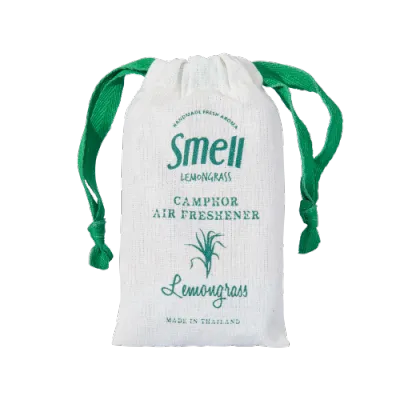
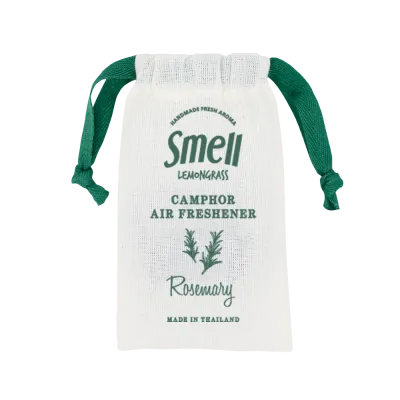
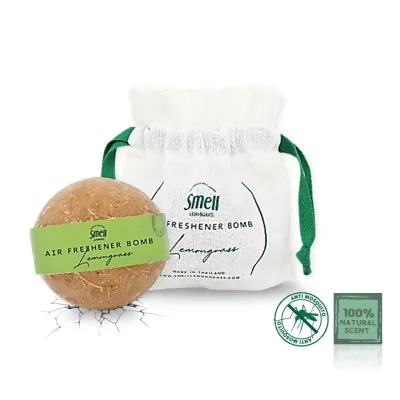
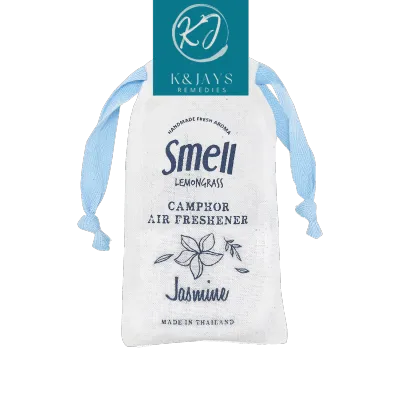
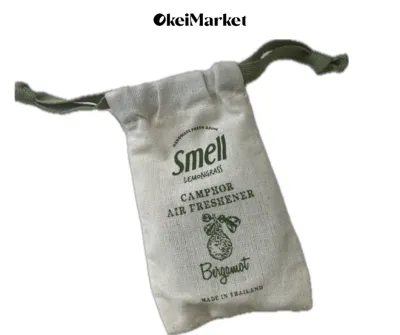
Prices are valid at publication and may change. Please refer to the product page for the latest price.
When evaluating these products, it is crucial to distinguish between natural essential oil blends and synthetic fragrance formulations. High-quality incense typically utilizes pure lemongrass essential oil and natural camphor crystals derived from the wood of the camphor laurel tree. Synthetic alternatives, often labeled as “fragrance oils” or “perfume compounds,” may mimic the scent profile but frequently produce a harsher, more chemical aroma when burned. To identify natural options, look for ingredient lists that explicitly mention steam-distilled essential oils and natural plant resins rather than generic “fragrance” or “aroma” descriptors.
This specific aromatic blend is traditionally associated with mental clarity, focus, and grounding, making it a suitable companion for meditation. The bright citrus notes help awaken the senses and clear mental clutter, while the cooling camphor undertones encourage deep, steady breathing. While these sensory effects are highly subjective and should not be confused with medical treatments, many practitioners find that the scent helps establish a consistent sensory cue that signals the brain it is time to transition into a state of quiet reflection.
Quality Indicators to Check Before Buying
Evaluating the physical craftsmanship of incense is essential for ensuring a clean, consistent burn that does not overwhelm your space with excess soot. The most common format is the bamboo-core stick, where the aromatic paste is coated around a central wood splinter. While bamboo-core sticks are sturdy and easy to handle, the burning wood core can introduce an underlying smoky, woody note that alters the pure scent of the lemongrass and camphor. In contrast, solid or hand-rolled dhoop sticks lack a wooden core, offering a purer aromatic release but requiring more delicate handling.

When browsing physical shelves or examining product photos online, inspect the sticks for physical uniformity. High-quality hand-rolled incense should have a relatively even coating of aromatic paste along the length of the stick, without significant cracking, flaking, or bare patches. The binding agent, often a natural gum like jigat, should hold the powder securely. Furthermore, check that the packaging features a reliable seal, such as a resealable inner sleeve or a tightly capped tube, which prevents the volatile essential oils of lemongrass and camphor from evaporating during storage.
Manufacturer transparency is another critical indicator of a premium product. Reputable makers often disclose the specific base powders and binders used in their formulations, such as sandalwood powder, charcoal dust, or natural tree gums. Be cautious of products that do not provide ingredient details or those that use chemical burn accelerants like potassium nitrate to keep the stick lit. Natural, slow-burning incense may require a bit more care to light initially, but it burns at a lower temperature, producing a smoother, less irritating smoke profile.
Matching Incense Formats to Your Meditation Space
The physical format of your incense directly dictates the volume of smoke produced and how long the scent will linger in your room. Standard incense sticks are highly versatile, offering a moderate smoke output and a predictable burn path that is ideal for medium-sized rooms. Incense cones, on the other hand, burn more rapidly and release a denser, more concentrated plume of smoke as the burn progresses toward the wider base. Solid dhoop sticks or logs provide a rich, slow-burning experience with a heavy scent throw, making them better suited for larger, open-plan living areas.
For small, enclosed meditation corners or study rooms common in Singapore apartments, a standard, thin bamboo-core stick or a short solid stick is usually sufficient. These formats release a gentle stream of aroma that will not saturate a confined space too quickly. If you are practicing in a larger, well-ventilated living room or an open-concept space, a thicker dhoop stick or a cone can help distribute the scent evenly across the entire area. Always match the format to the volume of air in the room to avoid creating an uncomfortably dense cloud of smoke.
Selecting a compatible, fire-safe holder is just as important as choosing the incense itself. The holder must be constructed from non-flammable materials such as ceramic, stone, brass, or thick glass, and it should feature a wide enough base to catch all falling ash. For bamboo-core sticks, ensure the holder keeps the stick angled securely so that ash does not spill onto wooden furniture or textiles. If you prefer solid sticks or cones, look for holders designed specifically for coreless formats, such as brass clips or ceramic plates with heat-resistant pads, to prevent heat damage to the underlying surface.
Safety and Usage Boundaries for Home Environments
Burning any form of incense releases particulate matter and volatile organic compounds into the air, making proper ventilation a fundamental safety requirement. In Singapore’s humid climate, it can be tempting to burn incense in fully air-conditioned, sealed rooms, but this practice allows smoke particles to accumulate rapidly. To maintain healthy indoor air quality, always crack a window or open an interior door to establish a gentle cross-breeze that carries excess smoke out of the room while allowing the aroma to circulate naturally.
Special precautions must be taken if your household includes sensitive individuals, young children, or pets. Camphor contains strong aromatic compounds that can be irritating to the respiratory tracts of cats and dogs, who have a much more sensitive sense of smell than humans. If you share your home with pets, pregnant individuals, or anyone suffering from asthma, allergies, or chronic respiratory conditions, it is advisable to limit incense use or avoid burning it in their immediate presence. Always observe how your family members and pets react during and after a burning session.
Safe placement is the final pillar of responsible incense use. Position your burner on a flat, stable, and heat-resistant surface, well away from open windows where sudden drafts could knock the stick over or blow glowing embers onto nearby curtains. Keep the burning incense out of reach of children and pets, and never leave a lit stick unattended. When your meditation session is complete, double-check that the tip of the stick has completely extinguished, or gently dip the glowing end in water to ensure it is fully put out before leaving the room.
Building Your Shortlist: Evaluating Sellers and Product Claims
When shopping for lemongrass camphor incense on online marketplaces or in local specialty shops, it is important to look past generic marketing claims. Terms like “100% natural,” “organic,” or “therapeutic grade” are often used loosely and are not legally regulated for incense products. Instead of relying on these catchphrases, look for sellers who provide detailed product descriptions, including the country of origin, the specific extraction methods used for the essential oils, and a complete list of raw materials.
Customer reviews can offer valuable insights into the actual performance of the incense, helping you filter out products with poor burn quality. Look for reviews that specifically mention how cleanly the stick burns, whether it stays lit without constant relighting, and if the scent matches the description without smelling overly smoky or chemical. Be cautious of listings where multiple reviews complain of broken sticks, excessive crumbling, or an artificial, perfume-like odor that triggers headaches. Some specialty brands offer sample packs or smaller trial sizes, which are an excellent way to test the scent and burn quality in your own home before committing to a larger purchase.
Finally, consider how physical retailers or online distributors store their inventory, especially given Singapore’s high humidity. Excess moisture in the air can cause incense sticks to become damp, leading to mold growth, difficulty lighting, or an uneven, sputtering burn. When purchasing from a physical store, check that the display area is dry and air-conditioned, and inspect the packaging for any signs of water damage or warping. If buying online, choose sellers who package their products in moisture-barrier bags or airtight containers to ensure the incense arrives in optimal condition for your meditation practice.
Frequently Asked Questions (FAQ)
Can lemongrass camphor incense help repel mosquitoes?
While both lemongrass and camphor are traditional ingredients often associated with insect deterrence, standard meditation incense is not a reliable method for pest control. The concentration of active essential oils released by a burning incense stick is typically too low to provide effective, long-lasting protection against mosquitoes in a home environment. For actual insect protection, especially in areas prone to vector-borne diseases, you should rely on dedicated, registered insect repellents and preventive home measures rather than relying on decorative or aromatic incense.
How long should a standard incense stick burn during meditation?
A standard bamboo-core incense stick, measuring approximately 20 to 23 centimeters in length, typically burns for about 30 to 45 minutes. Shorter formats, such as Japanese-style solid sticks or small dhoop cones, generally offer a shorter burn time of 15 to 20 minutes. Because thickness, density, and binding materials vary significantly between manufacturers, it is always best to check the product packaging or manufacturer specifications to align the burn duration with the planned length of your meditation session.
Is it safe to burn camphor-based incense every day?
Burning camphor-based incense daily is generally safe for healthy individuals, provided that the room is well-ventilated and the smoke is not allowed to accumulate. However, daily exposure to concentrated smoke can lead to olfactory fatigue or mild respiratory irritation over time, even with natural ingredients. To maintain a healthy indoor environment, it is recommended to practice moderation by alternating your incense burning with rest days, keeping sessions relatively short, and ensuring a continuous flow of fresh air through your space.

Community discussion
Share your experience or ask a question. Comments are reviewed before publication.