
Lighted crystal balls have become a staple of modern home styling, serving as both captivating sculptures by day and soothing ambient light sources by night. In Singapore, where urban living spaces demand smart, multi-functional, and visually striking decor, choosing the right lighted crystal ball involves balancing optical quality, power convenience, and safety. Whether you want to highlight a minimalist sideboard, add a warm glow to a bedside table, or introduce a whimsical focal point to a study room, understanding the nuances of these decorative pieces ensures your investment elevates your interior aesthetic.
Selecting the perfect lighted crystal ball requires looking beyond mere aesthetics. Because these items combine optical glass with electrical components, evaluating the quality of the materials, the reliability of the light source, and the safety of the power delivery system is essential. By focusing on these core elements, you can find a piece that not only complements your home decor but also operates safely and reliably for years to come.
Key Features to Evaluate in Lighted Crystal Balls
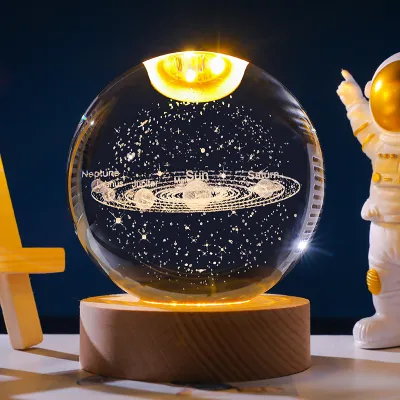
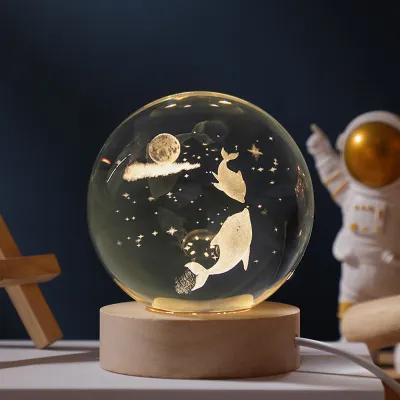
The material composition of the sphere is the most critical factor determining its visual appeal and longevity. High-quality lighted crystal balls are typically crafted from K9 crystal, which is a premium grade of optical borosilicate glass. K9 crystal is highly prized for its exceptional clarity, high refractive index, and substantial weight, allowing it to disperse light beautifully without yellowing over time. In contrast, standard glass or acrylic alternatives often contain minor distortions, air bubbles, or a noticeable greenish tint. When illuminated from below, these imperfections become highly visible, detracting from the overall elegance of the display.
Products mentioned in this guide
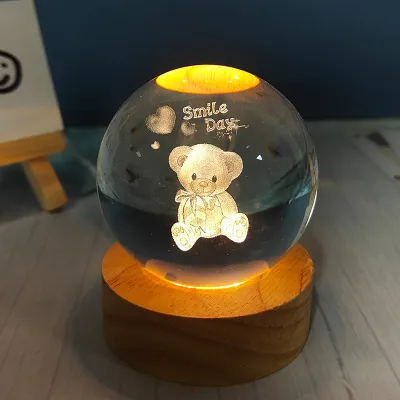
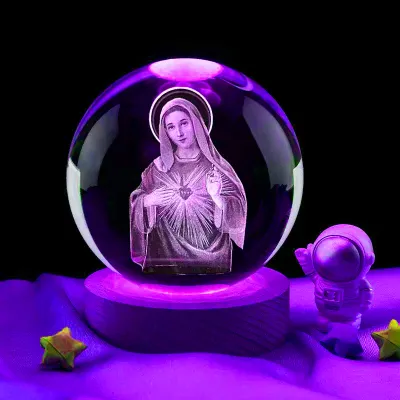
Prices are valid at publication and may change. Please refer to the product page for the latest price.
Power sources significantly impact where and how you can display your crystal ball. Battery-operated bases offer unmatched placement flexibility, allowing you to position the decor on floating shelves, dining table centerpieces, or display niches without worrying about trailing wires. However, they require regular battery replacements or recharging, which may become inconvenient for daily use. USB-powered bases are highly practical for permanent setups on work desks, TV consoles, or bedside tables, as they can draw continuous power from a standard wall adapter or computer port. Direct plug-in models are less common but provide a stable power supply for larger, heavier installations that require brighter illumination.
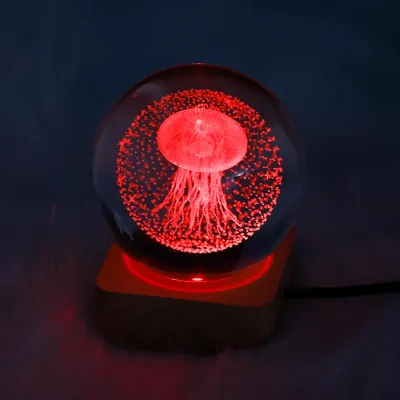
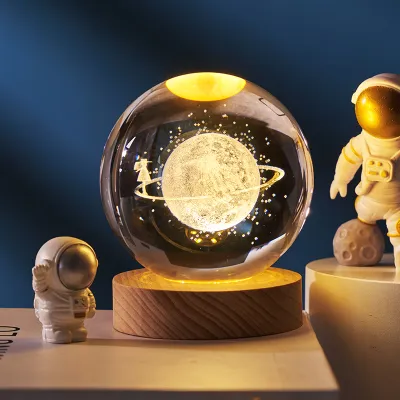
Evaluating the LED light source is equally important for achieving the desired ambient effect. Warm white LEDs, typically ranging from 2700K to 3000K, emit a soft, golden glow that enhances the natural grain of wooden bases and creates a cozy, inviting atmosphere in bedrooms and living rooms. Cool white LEDs, around 5000K to 6000K, offer a crisp, modern light that sharply highlights the intricate details of internal 3D laser engravings, such as celestial bodies, solar systems, or botanical patterns. For a more dynamic setup, multi-color RGB LEDs provide color-changing modes, allowing you to switch between steady single colors or smooth transitions to match different moods or festive occasions.
Matching the Scale and Style to Your Space
Finding the right balance between the size of the crystal ball and the surface it sits on is essential for creating a harmonious display. Crystal balls for home decor generally range from 6cm to 10cm in diameter. A compact 6cm sphere is delicate and unobtrusive, making it ideal for smaller surfaces such as floating wall shelves, narrow windowsills, or clustered decor arrangements on a study desk. An 8cm or 10cm sphere has a much stronger visual presence, making it well-suited as a standalone centerpiece on a coffee table, entryway console, or fireplace mantel where it can easily capture the eye.

The material of the base should align seamlessly with your existing interior design theme to create a cohesive look. Solid wood bases, such as those made from beechwood, oak, or walnut, bring a touch of organic warmth that complements Scandinavian, Japandi, or mid-century modern aesthetics. Sleek metal bases finished in brass, gold, or chrome lean into contemporary luxury, industrial, or art deco styles. For a ultra-modern or minimalist space, a clear acrylic base offers a floating effect, keeping the visual focus entirely on the illuminated crystal sphere itself.
Visual weight is another crucial design consideration when styling with crystal. Because solid crystal is dense and heavy, even a small sphere carries significant visual presence. To prevent a surface from looking cluttered or unbalanced, pair the lighted crystal ball with lighter, textured items such as ceramic vases, dried botanicals, or stacked books. Ensure the base footprint fits comfortably within the depth of your shelving or tabletop, leaving a safe margin of space around the edges to prevent the piece from being accidentally brushed off.
Safety, Electrical, and Placement Checks
When integrating electrical decor into your home, verifying safety and compatibility is paramount. For USB-powered or direct plug-in models, ensure the power adapter is compatible with Singapore’s standard electrical supply of 230V at 50Hz. If you are purchasing a lighted crystal ball from an online marketplace, verify that the power plug or USB wall adapter carries recognized safety certifications to protect against short circuits, overheating, or electrical faults. Using a certified, high-quality USB adapter from a reputable manufacturer is always recommended over unbranded power blocks.
Heat dissipation and fire safety are critical considerations, even with energy-efficient LED technology. While LEDs generate significantly less heat than traditional incandescent bulbs, the enclosed base housing the electronics can still warm up during prolonged use. Ensure the base is placed on a hard, flat surface that allows for natural airflow, and avoid placing it on soft, heat-trapping materials like plush runners or thick carpets. Additionally, never place a solid crystal ball in direct sunlight near a window. The spherical shape of the crystal acts as a powerful magnifying lens, which can concentrate solar rays into a highly focused, hot beam capable of scorching nearby furniture, curtains, or paper.
Physical stability is the final safety check to perform before finalizing your placement. Given the weight of a solid crystal sphere, a fall can cause significant damage to both the decor and your flooring. Ensure the base features a sufficiently deep, recessed groove or a secure silicone ring that cradles the ball snugly, preventing it from rolling out of place if the table is bumped. Look for bases equipped with non-slip rubber or felt pads on the bottom; these not only prevent the unit from sliding on polished marble, glass, or lacquered wood surfaces but also protect your furniture from scratches.
Care, Cleaning, and Maintenance
To maintain the brilliant optical clarity of your crystal ball and ensure the longevity of its lighting base, regular and gentle maintenance is required. Dust and fingerprints can quickly accumulate on the polished surface, dulling its refractive qualities and dimming the light output. Use a clean, dry, lint-free microfiber cloth to gently wipe down the sphere. For stubborn smudges or oily fingerprints, slightly dampen the cloth with distilled water or a mild, alcohol-free glass cleaner. Never spray liquids directly onto the crystal ball while it is resting on the base, and avoid abrasive pads or harsh chemical solvents that can etch the polished surface or strip protective coatings from the base.
Managing battery compartments is essential for preventing long-term damage, particularly in Singapore’s humid climate. High humidity can accelerate the corrosion of battery terminals and cause alkaline batteries to leak damaging acid. If you use a battery-operated base, avoid leaving depleted batteries inside the unit. If you plan to store the decor piece or leave it unused for an extended period, always remove the batteries entirely to protect the internal spring contacts and wiring from irreversible corrosion.
Regularly inspecting the electrical components will help prevent potential safety hazards. Periodically check the USB cable or power cord for signs of wear, such as fraying, cracking, or loose connections at the port. If the cable feels unusually warm to the touch during operation, or if the light flickers when the cord is gently moved, discontinue use immediately. Keep the power ports and the LED cavity free of dust by gently blowing them out with a can of compressed air or using a soft, dry brush, ensuring the unit is completely disconnected from any power source before doing so.
Frequently Asked Questions (FAQ)
Can I leave a lighted crystal ball on overnight?
While low-wattage LED bases are generally designed to run cool, it is not recommended to leave them operating unattended overnight unless the manufacturer explicitly states it is safe to do so. Continuous overnight operation can cause unnecessary wear on the LED driver and, in the case of battery-powered models, will quickly drain the power source. If you wish to use the lighted crystal ball as a nightlight, look for models equipped with an automatic shut-off timer to conserve energy and prolong the lifespan of the LEDs.
How do I clean the lighting base if dust accumulates?
To clean the lighting base safely, always disconnect the USB cable from the power source or remove all batteries first. Use a dry, soft-bristled brush, such as a clean makeup brush or a small paintbrush, to gently sweep away dust from the recessed LED cavity and around the power switch. For the exterior of a wooden or metal base, wipe it down with a dry microfiber cloth. Never allow moisture or liquid cleaners to enter the charging ports, battery compartments, or internal circuitry, as this can cause permanent electrical damage.
Community discussion
Share your experience or ask a question. Comments are reviewed before publication.