
Selecting a lion dance figurine that harmonizes with your existing home or office decor requires looking beyond the cultural motif itself. While these pieces carry deep symbolic meaning and vibrant energy, their success as decorative elements depends on how well they integrate with your room’s established aesthetic. Whether your space is modern minimalist, deeply traditional, or boldly eclectic, the right choice depends on evaluating material, color palette, scale, and craftsmanship style.
By analyzing these design components, you can transform a traditional cultural symbol into a sophisticated focal point that enhances your interior. The goal is to create a balanced visual narrative where the figurine feels intentional rather than out of place. This guide provides a practical framework to help you identify the visual weight of different designs, match them to your specific interior aesthetic, and verify quality before making a purchase.
Understanding Materials and Craftsmanship Styles
The material of a lion dance figurine dictates its visual weight, texture, and how it interacts with the surrounding decor. Traditional craftsmanship often relies on classic materials such as hand-carved wood, glazed ceramics, and cast brass. Carved wood offers a warm, organic texture with natural grain patterns that soften the figurine’s presence, making it highly suitable for warm, rustic, or classic interiors. Glazed ceramics, on the other hand, provide a high-gloss finish that reflects light dynamically, drawing immediate attention to the piece’s form and vibrant colors. Brass and bronze figurines introduce a sense of permanence and classic luxury, developing a natural patina over time that adds depth and character.
Products mentioned in this guide
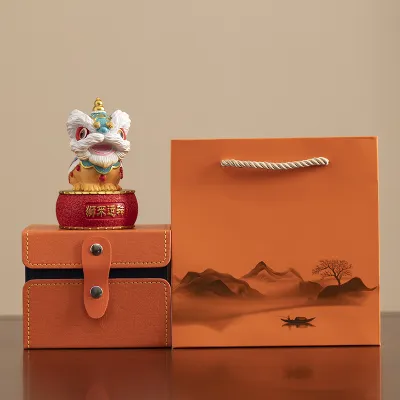
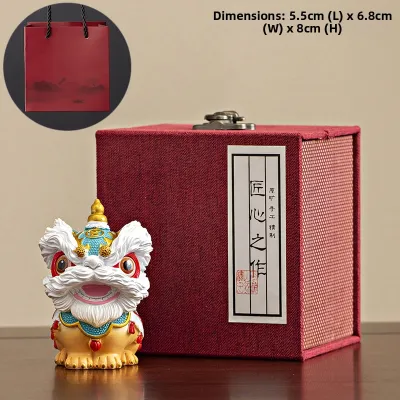
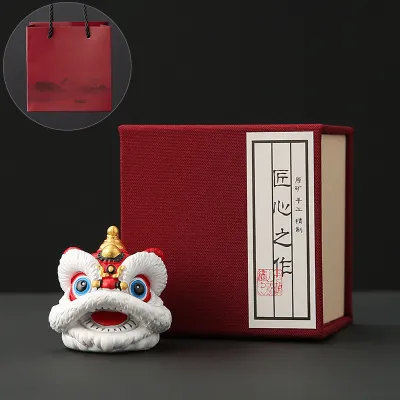
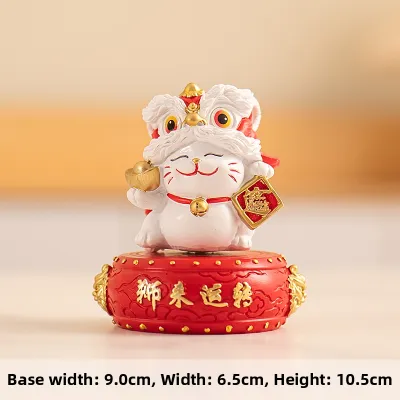
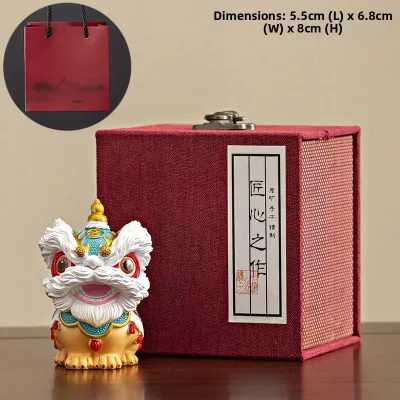
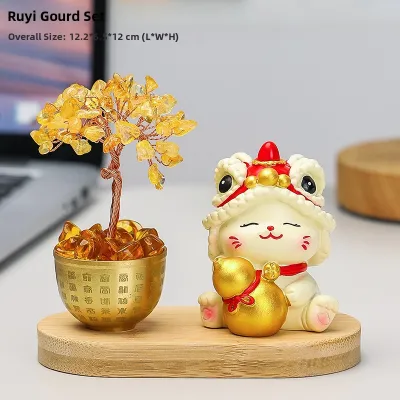
Prices are valid at publication and may change. Please refer to the product page for the latest price.
In contrast, contemporary interpretations of lion dance figurines utilize modern materials like matte resin, geometric metal wireframes, and polished acrylic. Matte resin is particularly popular for its ability to capture fine details without the distracting glare of glossy finishes, offering a clean, sculptural look. Geometric metal designs strip the traditional lion down to its essential lines, creating a lightweight, architectural silhouette that plays with negative space. Polished acrylic or resin can introduce semi-translucent properties, allowing light to pass through the figurine and creating a modern, airy feel that works exceptionally well in compact spaces.
Surface finishes play an equally critical role in how a figurine integrates into a room. A high-gloss or lacquered finish reflects sharp points of light, which can make a small figurine stand out as a bright accent but may clash with soft, matte surroundings. Conversely, a matte, brushed, or natural grain finish absorbs light, allowing the figurine to blend more quietly into its environment. When browsing options on any online marketplace, always check the product descriptions for detailed material composition and specific care requirements, as these factors directly influence both the durability and the visual integration of the piece.
Matching Figurines to Modern and Minimalist Spaces
Integrating cultural artifacts into clean, uncluttered environments requires a deliberate approach to prevent visual clash. In modern and minimalist interiors, where the design philosophy centers on simplicity, functionality, and “less is more,” a highly ornate, multi-colored traditional lion figurine can easily overwhelm the space. Instead, look for abstract, geometric, or monochromatic designs that echo minimalist principles. These contemporary interpretations retain the recognizable silhouette of the lion dance while stripping away the intricate surface patterns, allowing the focus to remain on form and line.

Streamlined silhouettes and the clever use of negative space are essential when selecting decor for modern environments. A figurine with clean, sweeping curves or sharp, angular facets respects the architectural lines of modern furniture, such as low-profile media consoles or floating shelves. By choosing a piece that incorporates open spaces within its structure—such as a hollow geometric metal frame—you allow the background wall color or texture to show through, maintaining a sense of openness and visual calm.
Color control is another vital factor in minimalist integration. To preserve the serene atmosphere of a modern space, limit the figurine’s color palette to neutral tones such as matte black, stark white, cool grey, or muted bronze. If you prefer to introduce a pop of color, select a single, bold accent tone—such as a deep crimson or a polished gold—while keeping the rest of the room’s decor strictly neutral. This single-point contrast turns the figurine into a sophisticated gallery-style statement piece rather than a source of visual clutter.
Integrating Figurines into Traditional and Eclectic Decor
For spaces that embrace rich textures, layered patterns, and historical depth, traditional and eclectic decor styles offer an ideal backdrop for highly detailed lion dance figurines. Traditional interiors, which often feature dark wood furniture, symmetrical layouts, and classic textiles, benefit from authentic, hand-painted ceramic or porcelain figurines. These pieces, crafted with intricate brushwork and vibrant glazes, align beautifully with the craftsmanship and heritage of traditional design, adding a layer of cultural authenticity and warmth to the room.
Eclectic spaces, characterized by a curated mix of different eras, styles, and global influences, allow for even greater creative freedom. Here, a vibrant, multi-material lion dance figurine—perhaps featuring traditional fabric elements, faux fur trim, and bright brass bells—can serve as an excellent conversation starter. The key to successful eclectic design is finding common threads among disparate objects. You can use the bold colors of a traditional Southern-style lion figurine to tie together accent colors found in your throw pillows, rugs, or wall art, creating a cohesive visual thread throughout the room.
However, even in layered or maximalist spaces, balance is crucial to prevent the decor from feeling chaotic. If you choose a highly ornate, multi-colored figurine, balance its visual intensity by placing it on a clean, simple surface, such as a solid wood mantelpiece or a plain stone console table. Surround the piece with simpler textiles or neutral-toned books to give the eye a place to rest. This technique of pairing high-detail objects with quieter elements ensures that your cultural artifacts are highlighted as intentional design choices rather than lost in a sea of visual noise.
Planning Scale, Placement, and Lighting
Achieving a balanced look depends heavily on scale, placement, and lighting. A figurine that is too small for its surroundings will look lost and insignificant, while a piece that is too large can make the surrounding furniture feel cramped and dwarfed. As a general rule, match the scale of the figurine to the proportions of the surface it rests upon. For a large console table in an entryway, a substantial figurine or a balanced pair of lions works best. For narrower bookshelves or compact side tables, opt for smaller, delicate pieces that leave plenty of breathing room around them.
Placement strategies should focus on eye-level positioning and safety. Displaying your figurine at or slightly below eye level—such as on a mantelpiece, a prominent bookshelf, or a dedicated display cabinet—allows guests to appreciate the fine details and craftsmanship. Avoid placing fragile figurines in high-traffic clutter zones, such as narrow hallways, low coffee tables, or near the edges of busy desks where they run a high risk of being accidentally knocked over. If you have pets or young children, enclosed glass display cabinets offer an excellent way to showcase delicate artifacts while keeping them completely safe from physical damage.
Lighting is the final element that brings your figurine to life. Directional lighting, such as a small spotlight or an adjustable track light, can cast soft shadows that highlight the sculptural textures, carved details, and contours of the figurine. Avoid harsh, direct overhead lighting, which can create unflattering shadows and wash out delicate hand-painted colors. Additionally, keep valuable or hand-painted figurines out of direct sunlight; prolonged exposure to ultraviolet rays can cause vibrant pigments to fade, dry out natural wood grains, and degrade certain resin materials over time.
What to Check Before Buying Cultural Artifacts
Before finalizing your purchase on any online marketplace or at a specialty boutique, it is essential to run through a practical verification checklist to ensure quality, structural safety, and long-term suitability. First, evaluate the structural integrity and weight distribution of the figurine. Many lion dance designs feature dynamic, asymmetrical poses—such as a lion rearing back on its hind legs—which can make the piece top-heavy. Ensure the figurine has a wide, flat, and stable base, or check if it comes with a weighted bottom to prevent tipping on polished surfaces.
Next, carefully review the manufacturer’s material labeling and product specifications. Verify that any paints, glazes, or sealants used are non-toxic and stable, particularly if the figurine will be displayed in a home with children or pets. Look for explicit cleaning and maintenance instructions provided by the manufacturer, as different materials require vastly different care routines. For instance, while glazed ceramics can handle a damp cloth, unsealed wood or delicate hand-painted plaster can be permanently ruined by moisture.
Finally, pay close attention to shipping protections and return policies when purchasing fragile cultural artifacts. High-quality figurines made of ceramic, glass, or delicate resin require specialized packaging, such as custom-cut foam inserts and sturdy double-walled boxes, to survive transit. Verify that the seller offers comprehensive shipping insurance and a clear, hassle-free return policy in case the item arrives damaged. Taking these precautionary steps ensures that your chosen piece arrives in pristine condition, ready to elevate your interior space for years to come.
Frequently Asked Questions (FAQ)
Can I display a lion dance figurine in a humid room?
Displaying a lion dance figurine in a highly humid environment, such as a bathroom or an unventilated kitchen, depends entirely on its material composition. Porous materials like unsealed wood, plaster, and certain low-fire ceramics readily absorb moisture from the air, which can lead to warping, cracking, mold growth, or the peeling of hand-painted details. Even metal figurines can suffer from accelerated tarnishing or corrosion when exposed to constant humidity.
To protect your investment, always check the manufacturer’s guidelines regarding moisture resistance before placement. If you wish to display a figurine in a humid area, opt for non-porous materials like high-fired glazed porcelain, sealed acrylic, or rust-resistant treated metals. For delicate or traditional hand-painted pieces, it is highly recommended to keep them in climate-controlled living rooms, offices, or entryways where humidity levels remain stable.
How do I clean a detailed, hand-painted figurine safely?
Cleaning a detailed, hand-painted figurine requires a gentle touch to avoid stripping away delicate pigments, gold leaf, or protective patinas. Never submerge a hand-painted figurine in water or use harsh liquid chemical cleaners, glass sprays, or abrasive detergents, as these can dissolve the paint or damage the underlying material.
Instead, use a dry, soft-bristled makeup brush, a clean paint brush, or a specialized camera lens blower to gently dislodge dust from intricate crevices and hard-to-reach corners. For flat surfaces, a dry, ultra-soft microfiber cloth is ideal for wiping away fingerprints and surface dust. Always consult the manufacturer’s care label first, and if a stubborn spot requires moisture, use only a slightly damp cloth on sealed areas, testing a small, hidden spot on the base of the figurine first to ensure the paint remains completely stable.
Community discussion
Share your experience or ask a question. Comments are reviewed before publication.