
Finding a home fragrance that consistently performs in Singapore’s unique climate requires understanding how environmental factors interact with diffuser design. While many homeowners appreciate the minimalist aesthetic of MUJI reed diffusers, achieving maximum scent longevity involves selecting the right fragrance profiles and managing evaporation rates. Unlike an active ultrasonic muji aroma diffuser that disperses mist using water and vibration, passive reed diffusers rely entirely on natural capillary action and ambient airflow to release scent. This makes them highly sensitive to local humidity, temperature, and air circulation. To get the most value out of your home fragrance setup, you must look beyond basic scent preferences and evaluate the underlying oil compositions and environmental variables that dictate how long a refill will last.
How Singapore's Climate Affects Reed Diffuser Longevity
Singapore’s tropical climate presents a distinct set of challenges for passive home fragrance systems. The combination of high ambient humidity, elevated temperatures, and the frequent cycling of air-conditioning units creates an unstable environment for fragrance evaporation. When you place a reed diffuser in a room, these factors directly influence how quickly the carrier liquid and fragrance oils travel up the reeds and escape into the air.
In air-conditioned spaces, the air is significantly drier and cooler than the natural outdoor environment. This low-humidity environment accelerates the evaporation rate of the carrier solvent, drawing the fragrance oil up the reeds much faster than usual. While this often results in a stronger, more immediate scent throw, it also means the liquid level in your diffuser bottle will drop rapidly, shortening the overall lifespan of the refill.
Products mentioned in this guide
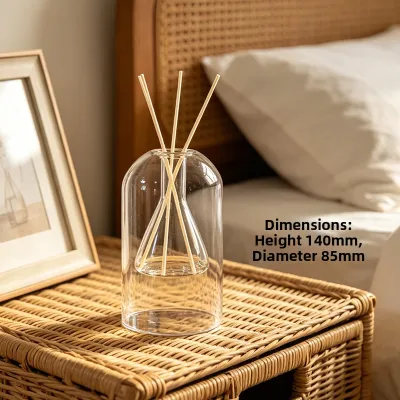
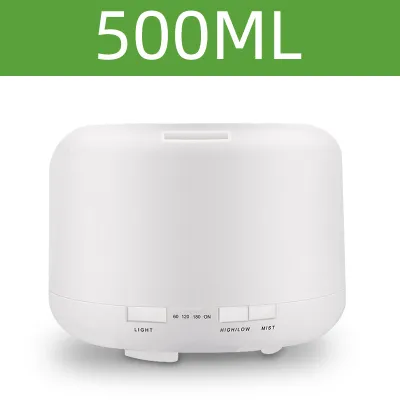
![[KIRONA SCENT] Twilight Wishes Aroma Diffuser 100ml | Muji Style Humidifier with 7 LED Lights | For Living Room Bedroom Offices Gifts](https://img.lazcdn.com/g/p/ee7550852c1a0b19dc5ac05d82b3147b.jpg_400x400q80.jpg_.webp)
![[SG SELLER LOCAL STOCK] [Limited Sales] 500ML MUJI STYLE Ultrasonic Humidifier Aroma](https://img.lazcdn.com/g/p/36448d0fbef1998bf72f339063d00560.jpg_400x400q80.jpg_.webp)
Prices are valid at publication and may change. Please refer to the product page for the latest price.
Conversely, in naturally ventilated rooms where high ambient humidity prevails, the air is already saturated with moisture. This high humidity can slow down the evaporation of the carrier liquid from the tips of the reeds. While this might seem like it would extend the life of the diffuser, it often leads to a weaker scent throw, as the heavy, moisture-laden air prevents the fragrance molecules from dispersing effectively throughout the space.
Furthermore, the constant transition between hot, humid daytime conditions and cool, dry air-conditioned evenings causes temperature fluctuations that can degrade delicate fragrance compounds. When the temperature rises, the kinetic energy of the oil molecules increases, leading to rapid, uneven evaporation of the lighter scent components. Over time, this uneven evaporation can alter the remaining scent profile, leaving behind a thicker, less aromatic residue that struggles to climb the reeds.
Evaluating MUJI Fragrance Refills for Lasting Power
Selecting a long-lasting refill requires a shift in focus from purely aesthetic scent names to the technical composition of the fragrance. Not all fragrance oils are formulated equally, and their longevity is largely determined by the molecular weight of the ingredients used. By understanding how different scent components behave, you can make informed decisions that align with your expectations for durability.

Recognizing Long-Lasting Fragrance Families
To identify which MUJI refills will offer the greatest longevity, it is helpful to categorize them by their dominant fragrance families. In perfumery, scents are constructed using a combination of top, middle, and base notes, each possessing different evaporation rates based on molecular size. Base notes consist of large, heavy molecules that evaporate slowly, providing a sustained release of fragrance over an extended period.
Fragrance profiles dominated by woody, herbal, or resinous base notes are inherently more stable and long-lasting. Ingredients such as cedarwood, sandalwood, patchouli, and eucalyptus have low volatility, meaning they cling to the reeds and release their scent gradually. If you are looking for a diffuser that maintains a consistent presence in a room for several weeks, these heavier, grounding formulations are your most reliable option.
On the other hand, citrus, light floral, and fresh herbal scents are composed primarily of top notes. These small, highly volatile molecules evaporate rapidly to deliver an immediate, vibrant burst of fragrance. While a citrus-heavy refill can feel incredibly refreshing in a warm home, the rapid dissipation of these molecules means the scent will fade much faster, requiring more frequent reed flipping or earlier refills compared to woody alternatives.
Reading Product Labels and Specifications
Before purchasing a refill, take a close look at the product packaging and specifications to gather clues about its potential lifespan. MUJI typically offers fragrance refills in multiple sizes, such as 60ml and 180ml bottles. While a smaller bottle is excellent for testing a new scent or scenting a compact space, larger volumes naturally provide a more stable reservoir that resists rapid depletion in dry, air-conditioned rooms.
Pay attention to any information regarding the carrier base used in the formulation. High-quality diffusers utilize specialized solvents that balance evaporation rates, ensuring the fragrance oil does not dry out too quickly or clog the reeds. While manufacturers do not always disclose their proprietary formulas, checking for safety data sheets or ingredient lists can help you verify if the base is alcohol-free, as alcohol-based carriers tend to evaporate much faster in tropical climates.
Additionally, look for manufacturing dates or batch codes on the packaging. Fragrance oils can degrade over time if exposed to heat and light during storage or transport. Selecting a freshly manufactured batch ensures that the chemical bonds within the fragrance remain intact, allowing the oil to perform exactly as intended once opened in your home.
Practical Steps to Extend Your Diffuser's Lifespan
Maximizing the lifespan of your reed diffuser is not just about choosing the right scent; it also depends on how you maintain the system. Simple, regular adjustments to your diffuser setup can significantly reduce unnecessary oil consumption while maintaining a pleasant level of fragrance.
One of the most common maintenance tasks is flipping the reeds to refresh the scent throw. However, doing this too frequently will accelerate the evaporation process, as you are constantly exposing fresh, wet oil to the air. To balance scent intensity with longevity, aim to flip the reeds only when you notice the fragrance beginning to fade, typically once every one to two weeks. When flipping, always use a paper towel to grip the reeds and prevent oil from dripping onto your furniture or skin.
You can also control the rate of evaporation by adjusting the number of reeds inserted into the bottle. If you are placing the diffuser in a small, enclosed space like a bathroom or study, you do not need to use the entire pack of reeds. Starting with three or four reeds allows you to achieve a subtle, continuous scent while drastically slowing down the rate at which the oil is drawn out of the bottle. You can always add more reeds if the scent throw feels insufficient for a larger living area.
Placement is another critical factor that influences how quickly your diffuser empties. Avoid placing the bottle in direct sunlight, near open windows, or directly in the path of air-conditioning vents and fans. Strong drafts and direct heat increase the rate of evaporation and can cause the fragrance to dissipate before it has a chance to scent the room. Instead, position the diffuser in a high-traffic area with gentle, natural air circulation, allowing the scent to drift naturally as people move through the space.
Finally, keep the neck of the diffuser bottle clean and free from dust and dried oil buildup. Over time, dust can settle on the exposed parts of the reeds and the bottle opening, clogging the microscopic channels that allow the oil to travel upward. Periodically wiping the bottle neck with a clean, dry cloth and replacing old, dusty reeds with fresh ones will ensure a smooth, efficient capillary action that prevents the oil from stagnating.
Pre-Purchase Checklist for MUJI Aroma Diffusers
To ensure you select the right home fragrance setup for your specific needs, use this practical checklist before making a purchase. Taking these factors into account will help you avoid common pitfalls and ensure your diffuser performs optimally in your living space.
First, match the refill bottle volume to the square footage of the room you intend to scent. A standard 60ml bottle is generally suited for small, enclosed areas such as powder rooms, entryways, or compact home offices. For larger open-plan living rooms or dining areas, a 180ml bottle is highly recommended, as it provides the necessary volume to sustain a consistent scent throw across a wider area without drying out prematurely.
Second, evaluate the material and quality of the reeds you plan to use. While MUJI provides compatible reeds, it is important to check their condition and porosity. High-quality rattan reeds feature natural channels that draw oil upward efficiently, whereas synthetic fiber reeds can sometimes absorb oil faster, leading to quicker depletion. Ensure your reeds are clean, dry, and specifically rated for use with oil-based diffusers.
Third, confirm the compatibility between your chosen refill and your existing diffuser vessels. If you are transitioning from an active muji aroma diffuser to a passive reed diffuser, remember that the highly concentrated essential oils used in ultrasonic diffusers are not formulated for direct use with reeds. Reed diffusers require a specific carrier solvent to facilitate capillary action, so always purchase dedicated reed diffuser refills rather than attempting to dilute concentrated essential oils yourself.
Lastly, purchase your refills and accessories through official physical stores or authorized online storefronts. This guarantees that you are receiving genuine products that have been stored in climate-controlled environments prior to sale. Avoiding unauthorized third-party resellers on open online marketplaces ensures you do not accidentally purchase expired, diluted, or improperly stored stock that will fail to deliver the expected longevity and scent quality.
Frequently Asked Questions (FAQ)
Can I mix different MUJI fragrance refills?
Mixing different fragrance refills in a single vessel is generally not recommended. Each fragrance formulation is carefully balanced with specific carrier solvents and oil concentrations to ensure stable evaporation and safety. Blending different scents can disrupt this chemical balance, potentially leading to uneven evaporation, clogged reeds, or an unpleasant, muddy scent profile that does not disperse correctly. If you want to experiment with custom scents, it is safer to place different diffusers in separate areas of the room to let the aromas blend naturally in the air.
How often should I flip the reeds?
For a balanced scent throw that does not waste oil, you should flip the reeds approximately once every one to two weeks. Flipping them more frequently will cause the oil to evaporate much faster, shortening the lifespan of your refill. If you return home after a period of absence and find the scent has diminished, a quick flip of the reeds is a safe way to reactivate the capillary action. Always handle the reeds carefully to avoid spilling oil on polished or painted surfaces.
Why does my reed diffuser stop smelling after a few weeks?
If your diffuser still contains liquid but no longer releases a scent, you may be experiencing olfactory fatigue, where your nose has simply become accustomed to the fragrance. Alternatively, the reeds themselves may have become clogged with household dust, pet hair, or dried oil residue, blocking the microscopic channels that draw the liquid upward. To resolve this, try moving the diffuser to a different room to test if you can still smell it, or replace the old reeds with a fresh set to restore proper capillary action.
Community discussion
Share your experience or ask a question. Comments are reviewed before publication.