
Finding a reed diffuser that maintains its fragrance without evaporating within a few weeks is a common challenge, especially in the unique microclimate of a bathroom. To secure a long-lasting scent experience, you must look beyond attractive packaging and focus on the underlying chemistry of the diffuser’s base solvent, the physical structure of the reeds, and how the product interacts with high humidity. By understanding how environmental factors accelerate fragrance depletion, you can systematically evaluate brands to find a formula engineered to withstand damp, warm spaces.
Why Bathrooms Challenge Reed Diffuser Longevity
Bathrooms present a hostile environment for standard home fragrances due to rapid shifts in moisture, temperature, and airflow. High humidity is the primary disruptor of consistent diffusion. When a bathroom fills with steam during a hot shower, the air becomes saturated with water vapor. This moisture settles on the exposed tips of the reeds, creating a physical barrier that prevents the fragrance oil from evaporating cleanly into the air. Instead of dispersing, the oil can become trapped within the reed channels, leading to a clogged system that stops throwing scent even though the bottle remains full of liquid.
Conversely, the heat generated by hot water raises the ambient temperature, which temporarily accelerates the evaporation rate of the volatile solvents carrying the fragrance. This creates a cycle of rapid depletion followed by periods of stagnation. When the bathroom cools down, the evaporation slows, but the physical structure of the reeds may already be compromised by the moisture barrier. This temperature-driven volatility means that diffusers in bathrooms often empty much faster than those placed in dry, temperature-controlled living rooms or bedrooms.
Products mentioned in this guide
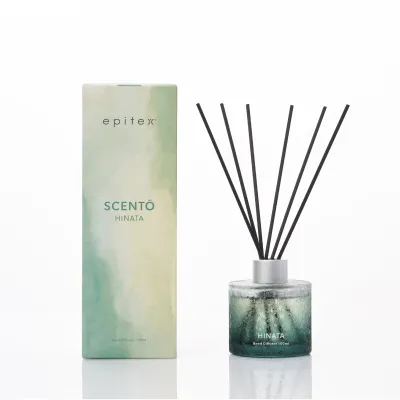
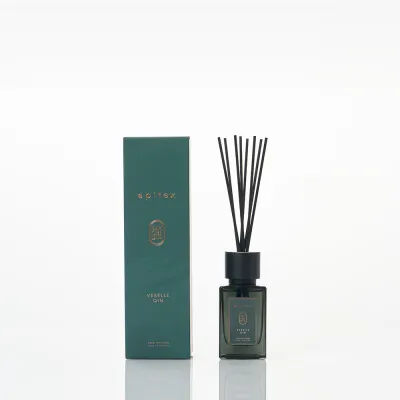
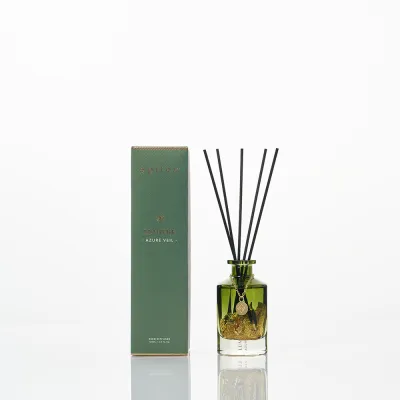
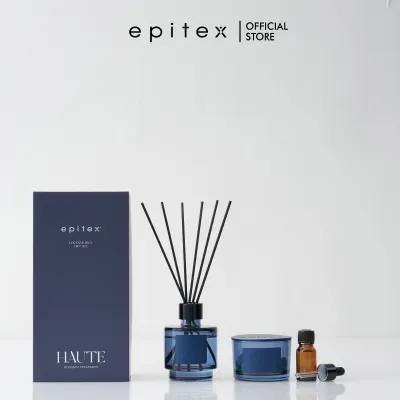
Prices are valid at publication and may change. Please refer to the product page for the latest price.
Airflow patterns in bathrooms further complicate fragrance longevity. Many modern bathrooms, particularly in compact high-rise apartments or residential flats, rely heavily on mechanical exhaust fans or small, high-mounted windows to clear out moisture. When the exhaust fan is running, it draws air out of the room at a rapid rate, pulling the dispersed fragrance molecules with it. This constant air exchange forces the diffuser to work harder to maintain a noticeable scent level, prompting users to flip the reeds more frequently or use more reeds than necessary, which rapidly depletes the liquid reservoir.
Formulation and Design Features That Extend Lifespan
To combat these environmental challenges, long-lasting diffuser brands rely on specific formulation choices, starting with the base solvent. The base solvent is the carrier liquid that dilutes the fragrance oil and facilitates its travel up the reeds. Cheap, fast-evaporating bases often rely on high percentages of alcohol or volatile organic compounds (VOCs) that flash off quickly, especially when exposed to the warmth of a bathroom. In contrast, premium, long-lasting formulations utilize slow-evaporating synthetic or bio-based solvents, such as glycol ethers or glycerin-derived alternatives. These bases have a lower vapor pressure, meaning they release the fragrance molecules gradually and resist rapid evaporation even when ambient temperatures rise.

The concentration of the fragrance oil itself also dictates how the formula interacts with moisture. High-quality diffusers typically feature a fragrance oil concentration of 15% to 25%. When the concentration is balanced correctly with a heavy, slow-evaporating base, the mixture is less prone to being diluted or blocked by ambient humidity. A lower-concentration formula often requires more solvent to achieve a decent scent throw, which inherently shortens the lifespan of the product as the solvent evaporates away, leaving behind a weak, ineffective residue.
Reed material is another critical design feature that determines how well a diffuser performs in a damp environment. Traditional rattan reeds contain natural vascular bundles that act like tiny straws. While excellent in dry rooms, rattan can easily absorb airborne moisture in a bathroom, causing the natural wood fibers to swell and warp, which permanently clogs the channels. Modern high-performance brands often opt for engineered fiber reeds. These synthetic reeds are manufactured with uniform, open-pore structures that resist water absorption, ensuring that the fragrance oil can bypass the humid air barrier and disperse consistently without clogging or growing mold.
Finally, the physical design of the diffuser bottle plays a subtle but vital role in restricting unnecessary evaporation. A bottle with a wide opening or a shallow bowl shape exposes a large surface area of the liquid directly to the air, allowing the solvent to evaporate straight from the bottle rather than traveling up the reeds. Long-lasting designs feature narrow necks or collar seals that tightly hug the reeds. This structural restriction ensures that evaporation occurs almost exclusively through the reeds themselves, maximizing the efficiency of the fragrance delivery and extending the overall lifespan of the product.
How to Read Labels to Identify Long-Lasting Formulas
When shopping for a bathroom diffuser, learning to read the ingredient list and product specifications is far more reliable than relying on marketing claims like “ultra-premium” or “long-lasting.” Start by looking for the primary solvent listed on the packaging or the manufacturer’s safety data sheet (SDS), which is often accessible online. If you see high concentrations of alcohol, isopropyl myristate, or dipropylene glycol (DPG) listed as the primary carrier, expect a faster evaporation rate. Look instead for formulations that highlight eco-friendly, low-vapor-pressure solvents such as soy-based solvents or specific glycol ethers, which are industry standards for controlled, slow release.
It is also important to distinguish between genuine formulation indicators and clever marketing copy. A brand may advertise a “three-month lifespan,” but this estimate is almost always based on standard testing conditions. These standard conditions typically assume a dry, draft-free room kept at a constant temperature of 20°C to 22°C with a relative humidity of around 50%. Because a bathroom frequently exceeds these parameters—often reaching over 80% humidity and higher temperatures during use—you should automatically discount the manufacturer’s estimated lifespan by 20% to 30% when planning for bathroom placement.
Furthermore, check the label for certifications regarding volatile organic compounds. Low-VOC or VOC-compliant formulas are not only better for indoor air quality, but they also tend to evaporate at a more measured, stable pace. If a brand does not disclose its base ingredients or solvent type, look for indicators of fragrance density, such as the weight-to-volume ratio or the recommended room size. A diffuser designed for large open spaces may overwhelm a small bathroom and evaporate too quickly, whereas a formula calibrated for smaller, intimate spaces will often feature a more controlled release rate suitable for a humid environment.
Placement and Maintenance Strategies for Humid Spaces
Even the most advanced formulation will suffer if placed in the direct path of bathroom hazards. To maximize the lifespan of your diffuser, avoid placing it on surfaces that experience direct contact with steam or water splashes, such as the edge of the bathtub, the shower ledge, or directly next to the sink basin. Instead, identify “safe zones” that enjoy stable air circulation without being subjected to extreme moisture. A mid-height shelf opposite the shower, a windowsill that is kept slightly cracked, or the top of a vanity cabinet are ideal locations. These spots allow the fragrance to disperse into the natural airflow of the room while keeping the reeds dry.
Maintenance routines must also be adjusted to account for high humidity. In a dry room, flipping the reeds once a week is a common recommendation to refresh the scent. In a bathroom, however, frequent flipping can backfire. Every time you flip the reeds, you expose the saturated, moisture-laden ends to the liquid base, which can introduce water droplets into the bottle and contaminate the solvent. Instead, limit flipping to once every two to three weeks, or only when you notice the scent throw has significantly diminished. Before flipping, gently tap the reeds on a paper towel to remove any accumulated condensation or dust.
Recognizing when to replace your reeds entirely is crucial for maintaining performance. Over time, reeds in a bathroom will inevitably accumulate a combination of airborne dust, hairspray residue, and moisture, which forms a sticky barrier over the pores. If the liquid level in your bottle has stopped dropping but you can no longer smell the fragrance, the reeds are likely clogged. Rather than discarding the remaining liquid, simply replace the old reeds with a fresh set of synthetic fiber reeds. This simple intervention can restore the diffuser’s performance and ensure you get use out of every drop of fragrance oil.
Shopping Checklist: Identifying the Right Bathroom Diffuser
To simplify your next purchase, use a structured checklist to evaluate potential brands and products against the specific demands of a bathroom environment. First, prioritize brands that explicitly state their use of non-alcohol, bio-based, or glycol-ether solvents. These bases are chemically equipped to handle temperature swings without flashing off. Second, look for products that come packaged with synthetic fiber reeds rather than natural rattan, as fiber is far less susceptible to moisture clogging and mold growth in damp conditions.
Next, consider the volume of the diffuser in relation to your bathroom’s square footage. For a standard bathroom or powder room, a liquid volume of 100ml to 150ml is typically ideal. A larger 200ml or 250ml bottle may last longer, but if the environment is highly humid, the reeds may clog long before the liquid is fully depleted, leading to wasted product. It is more efficient to use a moderate volume with a high-quality formulation. Additionally, check the number of reeds provided; starting with three to four reeds in a small bathroom is often sufficient to achieve a pleasant scent throw while conserving the liquid, allowing you to add more only if the space requires it.
Finally, verify the brand’s customer policies and satisfaction guarantees. Because bathroom ventilation varies wildly from home to home, testing a new diffuser brand is always an experiment. Brands that offer clear return policies or sell smaller, affordable trial sizes allow you to test how their specific solvent behaves in your home’s unique microclimate without committing to a major financial investment. Keep a record of how many weeks a specific volume lasts in your bathroom to establish a personal benchmark for future purchases. Note that while decorative bottle styles and colored reeds enhance spatial aesthetics, these visual elements are conditional preferences and do not affect the physical longevity or chemical performance of the diffuser.
Frequently Asked Questions (FAQ)
Can I use electric essential oil diffusers instead of reed diffusers in the bathroom?
Using electric essential oil diffusers in a bathroom requires careful consideration of electrical safety and environmental moisture. Because bathrooms are high-humidity zones with active water sources, any plug-in electrical appliance must be connected to a certified, moisture-resistant outlet, ideally equipped with a ground fault circuit interrupter (GFCI) or residual current device (RCD). For any fixed-wiring installations or damp-zone electrical work, always consult a qualified professional and ensure proper power-isolation before proceeding. Furthermore, electric diffusers work by ultrasonic vibration or heating to disperse a fine mist of water and oil into the air. Adding more moisture to an already damp bathroom can exacerbate mold and mildew growth on walls and ceilings. For these reasons, passive reed diffusers remain the safer, more practical choice as they require no electricity, add zero moisture to the air, and operate continuously without supervision.
Do fiber reeds last longer than rattan reeds in humid bathrooms?
Yes, synthetic fiber reeds generally last longer and perform more consistently than natural rattan reeds in humid bathroom environments. Rattan reeds rely on natural, irregular capillary channels that easily absorb airborne water vapor, causing the wood to swell, warp, and eventually clog. This moisture absorption also makes natural rattan highly susceptible to mold and mildew growth in damp spaces. Synthetic fiber reeds, on the other hand, are engineered from polyester or nylon blends with uniform, non-swelling pores. They repel water while efficiently drawing up the oil-based fragrance, ensuring a steady scent throw and a significantly longer lifespan without the risk of rotting.
How often should I flip the reeds in a bathroom environment?
In a bathroom, you should flip your reeds much less frequently than you would in a dry living space. A good rule of thumb is to flip them only once every two to three weeks, or when you observe a noticeable drop in scent intensity. Because the air in a bathroom is frequently saturated with steam, the exposed ends of the reeds quickly collect moisture. Flipping them too often forces this water-saturated portion back into the bottle, which can contaminate the remaining fragrance oil and degrade the formulation. Always check for signs of dust or condensation on the reeds before flipping, and consider gently blotting them with a dry cloth first.

Community discussion
Share your experience or ask a question. Comments are reviewed before publication.