
Finding a room air freshener that maintains a consistent, pleasant scent without evaporating within a few weeks is a common challenge for homeowners in Singapore. While many turn to reed diffusers for their safety and continuous operation, not all brands are engineered to withstand local environmental conditions. Achieving extended fragrance longevity requires looking beyond aesthetic packaging and focusing on the underlying science of carrier liquids, reed materials, and bottle designs.
To secure a diffuser that truly lasts, you must understand how different formulations interact with your indoor spaces. By evaluating specific product specifications and adapting your usage to the local climate, you can select a high-performing room air freshener that delivers months of continuous fragrance. This guide outlines the essential criteria for identifying long-lasting diffuser brands and maximizing the lifespan of your chosen scent.
Understanding the Mechanics of Fragrance Longevity
The rate at which a reed diffuser depletes is primarily governed by the chemistry of its carrier liquid. Most commercial diffusers utilize either an alcohol-based or an oil-based carrier to disperse their fragrance. Alcohol-based carriers evaporate rapidly, providing a strong initial burst of scent but depleting the bottle quickly. In contrast, brands that use glycol-ethers, dipropylene glycol (DPG), or natural soy-based oils as carriers offer a much slower, more controlled evaporation rate, allowing the fragrance to sustain itself over several months.
Products mentioned in this guide
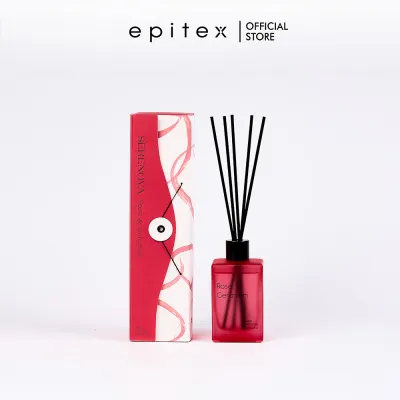
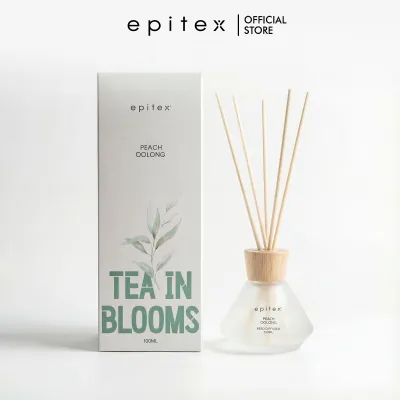
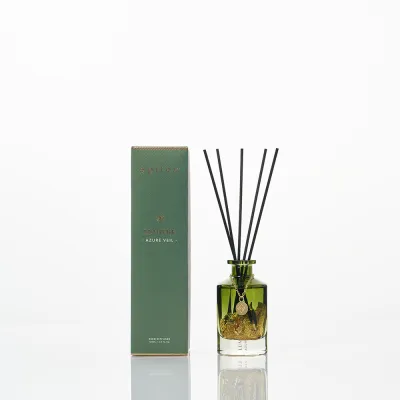
Prices are valid at publication and may change. Please refer to the product page for the latest price.
The physical medium of transport—the reed—also plays a critical role in scent longevity. Traditional rattan reeds contain natural vascular bundles, or capillaries, that draw the liquid upward. While rattan is excellent for lighter formulations, it can become clogged over time by heavier fragrance oils. Modern synthetic fiber reeds are engineered with highly uniform, open pores that pull the liquid consistently. Fiber reeds generally project scent more intensely, but because they draw liquid efficiently, they can accelerate depletion if the carrier base is highly volatile.
Finally, the concentration of the fragrance oil itself determines how long the scent remains noticeable in a room. Premium brands typically formulate their diffusers with a high fragrance load, often between 15% and 25% pure perfume oil. A higher concentration ensures that even as the carrier liquid evaporates slowly, the air remains saturated with scent. Lower-quality alternatives often dilute their mixtures with excess solvents, resulting in a weak fragrance throw that prompts users to add more reeds, thereby draining the bottle prematurely.
Core Criteria for Evaluating Diffuser Brands
When shortlisting brands for a long-lasting room air freshener, the first step is to analyze the manufacturer’s official specifications. Reliable brands clearly state the estimated lifespan of their products relative to the volume of liquid. For example, a high-quality 100ml diffuser should ideally last between four to eight weeks, while a larger 200ml vessel should provide continuous fragrance for three to six months. If a brand does not provide an estimated duration, it may indicate a formulation with high alcohol content designed for rapid evaporation.

The physical design of the diffuser bottle is another critical factor that is often overlooked. Bottles with wide openings expose a large surface area of the liquid directly to the air, leading to passive evaporation that bypasses the reeds entirely. Look for brands that design their vessels with narrow necks or include rubber restrictor collars. These design features ensure that the carrier liquid can only escape the bottle by traveling up through the reeds, significantly extending the overall lifespan of the product.
Sustainability and long-term cost-efficiency are also key indicators of a reputable brand. Manufacturers that are committed to product longevity will offer dedicated refill bottles and separate packs of replacement reeds. Because reeds inevitably lose their efficiency over time due to dust and oil saturation, the ability to purchase refills and fresh reeds separately is essential. This allows you to reuse your high-quality glass vessels indefinitely, reducing waste and lowering the ongoing cost of keeping your home fragrant.
Adapting to Room Conditions and Climate
Singapore’s tropical climate presents unique challenges for maintaining reed diffusers. The high ambient humidity outdoors can slow down the evaporation of water-soluble carrier bases, but most local homes rely heavily on air conditioning. In an air-conditioned bedroom or living room, the air is actively dehumidified and kept in constant motion. This dry, moving air accelerates the capillary action of the reeds, causing the diffuser liquid to evaporate much faster than it would in a naturally ventilated space.
To balance scent throw with product longevity, strategic placement is essential. Placing a diffuser directly in the path of an air conditioning vent, a ceiling fan, or an open window will dramatically increase the rate of evaporation. While this setup provides a powerful initial scent, it will empty the bottle in a fraction of the expected time. Instead, position your diffuser in an area with gentle, natural foot traffic—such as an entryway, hallway, or the corner of a room—where the physical movement of people naturally disperses the fragrance.
You can also actively manage the lifespan of your diffuser by adjusting the number of reeds inserted into the bottle. Most brands supply between six and ten reeds per package, but you do not need to use all of them at once, especially in smaller rooms like bathrooms or study areas. Start by inserting three or four reeds and monitor the scent intensity over twenty-four hours. If the fragrance is sufficient, leave it as is; using fewer reeds restricts the pathway for evaporation, effectively doubling the lifespan of your liquid.
Building Your Shortlist: Pre-Purchase Checks
Before committing to a purchase from an online marketplace or a local boutique, carefully read the product packaging for ingredient transparency and safety warnings. High-quality room air fresheners should list their primary carrier bases and confirm the absence of harmful phthalates, parabens, and high levels of volatile organic compounds (VOCs). If you share your home with pets or young children, verify that the fragrance oils used are non-toxic and safe for continuous inhalation, and always plan to place the vessel on a high, stable surface.
To determine the true value of a diffuser, perform a simple cost-per-month calculation rather than focusing solely on the retail price. A premium S$60 diffuser that is formulated to last four months costs S$15 per month to maintain. Conversely, a budget-friendly S$20 alternative that evaporates completely within three weeks costs over S$26 per month to sustain. Investing in a brand with a slower evaporation rate and a higher fragrance concentration almost always proves more economical over time.
Whenever possible, visit physical retail stores or department stores in Singapore to evaluate the products in person before buying. This allows you to inspect the physical construction of the bottle, verify the thickness and material of the reeds, and experience the actual scent profile. High-quality fragrances are complex, featuring distinct top, middle, and base notes that unfold over time. Testing the scent in person ensures you select a fragrance profile that you will enjoy living with for several months.
Daily Maintenance to Maximize Scent Lifespan
Once you have selected and set up your reed diffuser, simple maintenance habits can significantly extend its functional life. Flipping the reeds is a common method used to refresh a fading scent, but it must be done with care. To prevent accelerated evaporation, limit flipping to once every one to two weeks, or only when you notice the fragrance has diminished. Always perform the flip over a sink or a protective cloth, as dripping fragrance oil can permanently damage or strip the varnish off wooden furniture and countertops.
Protecting your diffuser from environmental heat is another simple way to prevent premature degradation. Keep the glass vessel entirely out of direct sunlight, away from warm household appliances, and off hot windowsills. Ultraviolet light and heat break down the chemical bonds of both natural and synthetic fragrance oils, which can alter the scent profile, cause the liquid to discolor, and trigger rapid, wasteful evaporation of the carrier base.
Finally, learn to recognize the physical signs that indicate your diffuser setup requires attention. Over time, airborne dust and lint will inevitably settle on the exposed portions of the reeds, clogging their microscopic pores and blocking the flow of oil. If you notice that the liquid level in the bottle has stopped dropping but the room no longer smells of the fragrance, the reeds are likely clogged. Rather than discarding the remaining liquid, simply replace the old reeds with a fresh set to restore optimal capillary action.
Frequently Asked Questions (FAQ)
How often should I flip the reeds in my diffuser?
Flipping the reeds once every one to two weeks is generally sufficient to maintain a consistent fragrance level in a standard room. Flipping them too frequently, such as every day, will draw liquid through the reeds at an accelerated rate, causing the bottle to empty much faster than its rated lifespan. If you prefer a milder scent, you can avoid flipping the reeds entirely and let the natural capillary action slowly release the fragrance.
Can I reuse the reeds when I buy a refill?
It is highly recommended to use a fresh set of reeds whenever you refill your diffuser, even if you are using the exact same fragrance. Over several months of use, the porous channels inside rattan or fiber reeds become clogged with dust, airborne particles, and oxidized oil residue. Reusing old reeds with fresh liquid will severely restrict the capillary action, resulting in very poor scent projection and preventing the new fragrance from dispersing effectively.

Community discussion
Share your experience or ask a question. Comments are reviewed before publication.