
Finding a truly long-lasting room fragrance in Singapore’s tropical climate requires looking beyond marketing claims to evaluate the physical and chemical components of a reed diffuser. Because high ambient humidity and constant air conditioning cycles accelerate or disrupt evaporation, the longest-lasting brands are those that use low-volatility carrier bases, high-density reeds, and narrow-necked bottles. By understanding these technical specifications, you can identify high-performance products that maintain a consistent scent throw for months rather than weeks.
Instead of relying on subjective brand rankings, consumers should inspect the physical design and ingredient profiles of diffuser kits. A systematic approach to evaluating these products ensures that your investment yields a continuous, elegant aroma that suits the unique environmental conditions of your home.
Key Factors That Determine Reed Diffuser Longevity
The lifespan of a reed diffuser is governed by the rate at which its liquid contents evaporate into the surrounding air. This rate is not accidental; it is determined by the chemical formulation of the carrier liquid, the physical structure of the reeds, and the geometry of the vessel holding the mixture.
Products mentioned in this guide
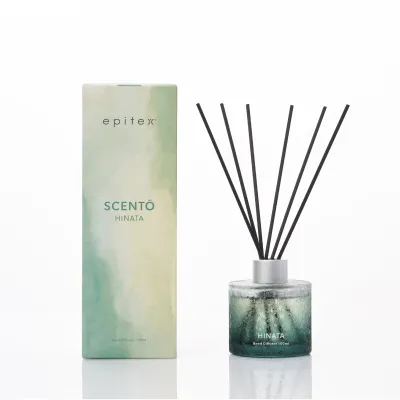
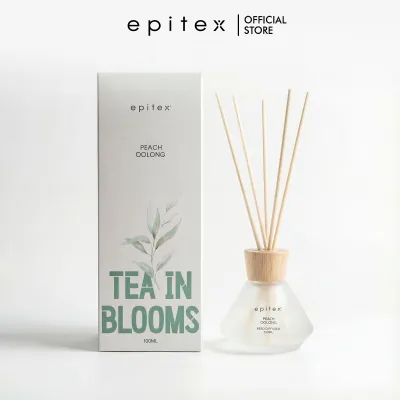
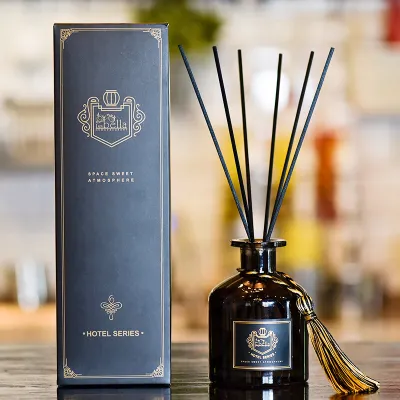
![(80+ Selections) Shangri-La Hotel/ Hilton Hotel/ Westin Hotel/ Lavender/ Jasmine/ Gardenia/ Ocean/ Bluebell/ Rose/ Osmanthus/ English Pear Freesia scent Premium Home Fragrance Reed Diffuser (50ml/ 180ml) / Reed Refill (60ml) Essential Oil [Re.D]](https://img.lazcdn.com/g/p/3531ee3b6bef554bf3880b269eb596d5.jpg_400x400q80.jpg_.webp)
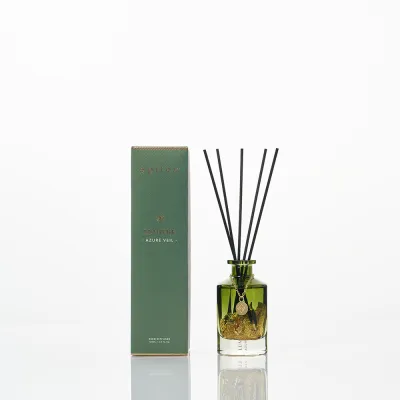
Prices are valid at publication and may change. Please refer to the product page for the latest price.
Carrier oil formulations serve as the vehicle for the fragrance compounds, and their baseline evaporation rates dictate the longevity of the product. Cheap diffusers often rely on alcohol or highly volatile solvents that evaporate rapidly, offering a powerful initial scent throw but depleting the bottle within a few weeks. Premium, long-lasting formulations utilize low-volatility carrier solvents, such as glycerin-derived ethers or specialty glycol ethers. These modern carriers evaporate at a slow, controlled rate, allowing the fragrance to release gradually and extending the lifespan of a standard 100ml bottle to several months.
Reed material porosity and capillary action efficiency also play a critical role in how quickly oil is consumed. Natural rattan reeds contain microscopic vascular bundles that act as straw-like channels to draw the liquid upward. However, natural rattan is highly susceptible to clogging from dust and heavy fragrance molecules, which can prematurely halt diffusion. In contrast, engineered synthetic fiber reeds feature uniform, highly porous structures designed specifically for consistent capillary action. Fiber reeds draw oil efficiently without clogging, ensuring a steady release of room fragrance until the very last drop of liquid is gone.
Bottle neck diameter directly affects liquid surface area exposure and passive evaporation. If a diffuser bottle has a wide opening, a significant portion of the carrier oil and fragrance will evaporate directly from the surface of the liquid into the room, bypassing the reeds entirely. This uncontrolled evaporation drastically shortens the product’s lifespan. Long-lasting diffuser designs feature narrow necks or specialized collars that restrict air contact with the liquid surface, forcing almost all evaporation to occur through the controlled pathway of the reeds.
Checklist for Evaluating Brand Longevity Claims
When shopping for a room fragrance in Singapore, you will encounter numerous brands claiming superior longevity. To verify these claims before making a purchase, use this practical checklist to assess the physical and chemical properties of the product.

First, interpret the ingredient labels and identify fragrance concentration indicators. High-quality brands often specify whether their formulations are alcohol-free or water-free, which are strong indicators of a slow-evaporating base. Look for products that state their fragrance oil concentration; a concentration of 15% to 25% (similar to an Eau de Parfum) suggests a rich blend that will retain its character over time, whereas lower concentrations rely on fast-evaporating solvents to project the scent.
Second, compare the specific reed types provided or recommended by the brand. If a brand packages its diffusers with natural rattan reeds, inspect their thickness and quality; thin, brittle reeds will clog quickly. If the brand offers high-density polyester fiber reeds, this is a strong sign of an engineered system designed for sustained performance. Some premium brands allow you to choose your reeds, in which case selecting fiber reeds is generally the safer bet for long-term consistency.
Third, analyze user reviews specifically for scent degradation timelines rather than initial impressions. Many reviews are written within the first forty-eight hours of unboxing when the scent throw is naturally at its peak. Search for feedback from users who have monitored the product over four, eight, or twelve weeks. Look for comments regarding whether the scent remained recognizable or if it faded into a faint, chemical base note after the first month.
Finally, perform a physical inspection of the packaging and vessel design. Ensure the bottle is made of thick, dark, or opaque glass, which protects the fragrance oils from UV degradation. Verify that the collar fits tightly around the reeds to minimize passive evaporation, and check that the total volume of liquid is clearly stated so you can calculate the expected lifespan relative to the price.
Usage and Placement Strategies to Maximize Fragrance Lifespan
Even the highest-quality room fragrance can be depleted prematurely if it is poorly managed or placed in an unfavorable environment. Implementing strategic habits can significantly slow down evaporation and extend the functional life of your diffuser.
Establish an optimal reed flipping frequency to balance scent throw and oil consumption. Flipping the reeds forces the dry, exposed ends back into the liquid and brings the saturated ends to the top, creating an immediate burst of fragrance. However, flipping too frequently—such as daily—accelerates oil consumption because it constantly exposes fresh liquid to rapid evaporation. For most spaces, flipping the reeds once every ten to fourteen days is sufficient to maintain a consistent aroma without draining the bottle.
Carefully select the placement of your diffuser, keeping it away from direct sunlight, heat sources, and air conditioning drafts. Direct sunlight heats the glass bottle and the liquid inside, causing the volatile compounds to evaporate at an unsustainable rate. Similarly, placing a diffuser directly in the path of an air conditioning vent or a ceiling fan subjects the reeds to high-velocity airflow, which strips the moisture from the reeds too quickly and forces the bottle to empty rapidly. Instead, position the diffuser in an area with gentle, natural air circulation, such as a hallway console or an interior shelving unit.
Recognize the physical signs that your reeds are clogged and require replacement rather than flipping. Over time, airborne dust, humidity, and heavy oil residues settle on the exposed portions of the reeds, sealing the microscopic pores. If the liquid level in your bottle has stopped dropping but you can no longer smell the fragrance, the reeds are likely clogged. Rather than continuing to flip dirty reeds, which will only waste the remaining oil, replace them entirely with a fresh set of high-density fiber reeds to restore efficient capillary action.
Common Pitfalls When Shopping for Long-Lasting Diffusers
Avoiding common marketing traps and misconceptions is essential to finding a room fragrance that delivers genuine, long-term value. Many consumers make purchasing decisions based on misleading sensory cues or incomplete specifications.
Do not confuse a strong initial scent throw with long-term liquid longevity. Formulations with high concentrations of alcohol or highly volatile top notes will immediately fill a large showroom with an intense aroma, creating a powerful first impression. However, these volatile ingredients burn out rapidly, leaving behind a weak, flat scent or an empty bottle within a few weeks. A truly long-lasting diffuser may seem more subtle initially, but it maintains a steady, sophisticated scent profile over several months.
Avoid assuming that a larger liquid volume automatically equates to a proportionally longer lifespan. A 200ml diffuser with a wide-mouthed bottle and cheap, low-density reeds can evaporate much faster than a well-engineered 100ml diffuser utilizing a narrow neck and premium fiber reeds. Always evaluate the design efficiency of the delivery system alongside the volume of the liquid.
Never ignore the impact of ambient humidity and room dimensions on evaporation speed. In Singapore’s humid climate, natural rattan reeds can absorb moisture from the air, causing the wood to swell and blocking the flow of fragrance oils. Furthermore, placing a small 100ml diffuser in a large, open-concept living room with high ceilings will force you to use more reeds to achieve a noticeable scent, which naturally depletes the liquid faster. Match the size of the diffuser and the number of reeds to the specific volume of the room to ensure optimal performance.
Frequently Asked Questions (FAQ)
How often should I flip the reeds in my diffuser?
For most standard home environments, you should flip the reeds once every one to two weeks. Flipping them more frequently accelerates the evaporation of the carrier oil, causing the bottle to empty much faster. If you notice the scent throw has diminished but the reeds are not dusty, a single flip will refresh the fragrance. If the room is small or closed, you may find that flipping the reeds once every three weeks is more than enough to maintain a pleasant, subtle aroma.
Do fiber reeds last longer than natural rattan reeds?
Yes, engineered fiber reeds generally offer greater longevity and more consistent performance than natural rattan reeds, especially in humid climates. Fiber reeds are manufactured with uniform, open pores that resist clogging from dust and heavy fragrance oils. Natural rattan reeds contain irregular organic channels that can swell with atmospheric moisture or become blocked by sediment, which halts the diffusion process even when plenty of liquid remains in the bottle.
Can I dilute the diffuser oil to make it last longer?
No, you should never dilute diffuser oil with water, household alcohol, or random oils to extend its lifespan. Diffuser formulas are carefully balanced chemical solutions; adding water will cause the fragrance oils to separate and float to the top, while adding standard rubbing alcohol will cause rapid, uncontrolled evaporation. If you wish to slow down the consumption of your room fragrance, the correct approach is to remove one or two reeds from the bottle, which reduces the total surface area available for evaporation.

Community discussion
Share your experience or ask a question. Comments are reviewed before publication.