
Finding a reed diffuser that maintains a consistent, long-lasting fragrance in Singapore requires looking past marketing buzzwords and focusing on the formulation’s carrier solvent, oil concentration, and how the product interacts with the local tropical climate. While many brands claim their products last for months, the actual longevity of a home freshener is determined by physical and chemical principles that you can evaluate before making a purchase. By understanding these factors, you can select a high-performing diffuser that keeps your living space smelling fresh without fading prematurely.
To secure a diffuser that truly lasts, you must look beyond the aesthetic design of the bottle and examine the underlying science of fragrance carriers, reed materials, and bottle geometry. This guide will equip you with the knowledge to identify high-quality formulations, manage environmental challenges like high humidity and air conditioning, and apply practical maintenance steps to maximize the lifespan of your home fragrances.
Understanding What Makes a Reed Diffuser Last
The longevity of a reed diffuser is primarily governed by the rate of evaporation of its liquid contents. This liquid is a mixture of concentrated fragrance oils and a carrier solvent, which dilutes the oil to a viscosity that can easily travel up the reeds. The type of carrier solvent used is the single most critical factor in determining how quickly the liquid depletes. Alcohol-based carriers, such as ethanol or isopropyl alcohol, have high vapor pressure, meaning they evaporate rapidly. This results in an intense initial burst of scent that quickly dissipates, often leaving the bottle empty within a few weeks.
Products mentioned in this guide
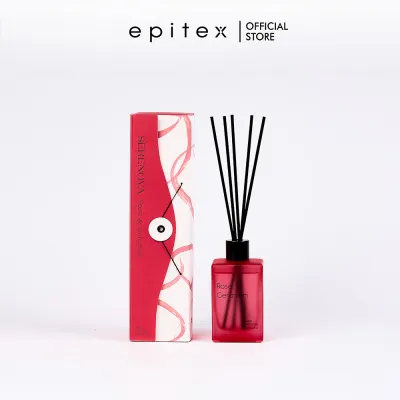
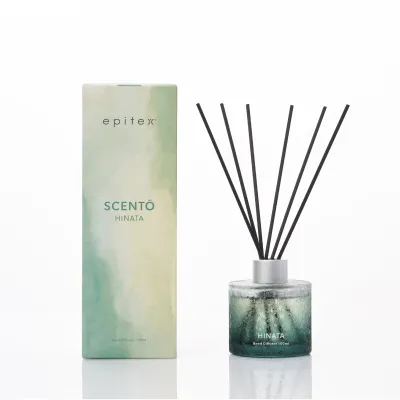
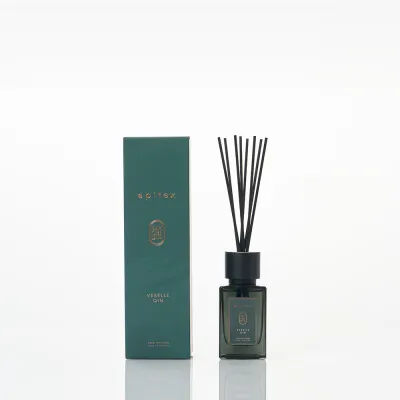
Prices are valid at publication and may change. Please refer to the product page for the latest price.
In contrast, high-quality diffusers utilize specialized glycol-ether bases or synthetic solvents like 3-methoxy-3-methyl-1-butanol (MMB). These solvents have much lower vapor pressures, allowing them to evaporate at a slow, controlled rate. This steady evaporation ensures that the fragrance oils are carried into the air consistently over several months rather than all at once. When evaluating different brands, looking for alcohol-free formulations is a reliable shortcut to finding a slower-evaporating product.
The material of the reeds also plays a vital role in scent distribution and longevity. Natural rattan reeds contain dozens of microscopic, hollow channels (vascular bundles) that draw the liquid upward via capillary action. While rattan is excellent for a gradual, natural release, the organic fibers can eventually become saturated or clogged by heavier fragrance molecules. Synthetic fiber reeds, made from polyester blends, are engineered with highly uniform, open-cell pores. Fiber reeds tend to draw liquid faster and release a stronger scent throw, which can sometimes lead to quicker depletion of the liquid if the formulation is not carefully balanced.
Finally, the physical design of the diffuser bottle itself affects evaporation. The surface area of the liquid exposed to the air at the neck of the bottle directly influences how much solvent escapes directly into the room without passing through the reeds. A bottle with a narrow, restricted neck limits direct air contact, ensuring that the fragrance is dispersed almost exclusively through the capillary action of the reeds. Wide-mouthed jars or open decorative vessels may look appealing, but they allow the carrier solvent to flash off into the air rapidly, significantly shortening the lifespan of your freshener.
Key Criteria for Evaluating Brand Longevity
When shopping for a reed diffuser in Singapore, you can estimate its potential lifespan by analyzing the product specifications and packaging details. A reliable baseline for evaluation is the volume-to-scent-duration ratio. As a general rule, a standard 100ml diffuser formulated with a high-quality carrier should last between 6 to 8 weeks under typical indoor conditions. A larger 200ml bottle should comfortably extend this duration to 12 to 16 weeks. If a brand claims a small 100ml bottle can last four to six months, you should approach the claim with skepticism unless they specify that this requires using only one or two reeds in a completely sealed, cool environment.

Identifying high-quality fragrance oil indicators on product labels can also help you weed out inferior products. Premium brands typically use a higher concentration of pure essential oils or cosmetic-grade fine fragrance oils, often ranging from 15% to 25% of the total volume. Lower-tier products often rely on synthetic fillers and heavy industrial diluents like isopropyl myristate (IPM) to stretch the volume. While these fillers keep costs low, they do not carry scent effectively and can leave a thick, sticky residue at the bottom of the bottle that prevents the reeds from wicking properly.
Additionally, check the manufacturer’s recommendations regarding reed count and room size. A brand that instructs you to use only 3 to 5 reeds to achieve a standard scent throw is confident in the concentration and volatility of its formulation. Conversely, if the instructions require you to insert 8 to 10 thick reeds to notice any fragrance in a small bedroom, the formulation is likely highly diluted. Using a large number of reeds increases the total surface area available for evaporation, which will cause the weak mixture to dry up rapidly without ever providing a satisfying aroma.
Environmental Factors That Affect Scent Throw in Singapore
Singapore’s unique tropical climate plays a massive role in how home fresheners perform. The high ambient humidity, which frequently exceeds 80%, can interfere with the natural capillary action of rattan reeds. When the air is saturated with moisture, the organic fibers in rattan can absorb water vapor from the air, causing them to swell and partially block the upward flow of the oil-based fragrance. Furthermore, the consistently warm temperatures increase the kinetic energy of the liquid molecules, accelerating the evaporation rate of both the solvent and the fragrance oils compared to how they would perform in cooler, temperate climates.
Conversely, the widespread use of air conditioning in Singapore homes and offices creates a completely different set of environmental challenges. Air conditioners act as powerful dehumidifiers, stripping moisture from the indoor air and creating a dry, high-airflow environment. This dry air rapidly evaporates the solvent from the exposed tips of the reeds, creating a strong wicking pull that draws liquid out of the bottle at an accelerated rate. If you place a diffuser directly in the path of an air-conditioning vent or a mechanical fan, the constant airflow will strip the scent from the reeds and empty the bottle in a fraction of its expected lifespan.
To combat these environmental factors, strategic placement is essential. Avoid placing your reed diffusers on sunny windowsills, near balcony doors, or close to electronic appliances that generate heat, as elevated temperatures will break down the delicate fragrance compounds and cause rapid, uneven evaporation. Instead, position the diffuser in a high-traffic area with gentle, natural air movement, such as a hallway, entryway, or near the center of a room. Placing the bottle at waist level allows the rising air currents to disperse the scent naturally throughout the space without artificially accelerating the evaporation process.
Practical Tips to Extend the Life of Your Freshener
You do not have to accept rapid evaporation as inevitable; several simple maintenance steps can significantly extend the life of your existing reed diffuser. The most common practice for boosting a fading scent is flipping the reeds to expose the wet, oil-saturated ends to the air. However, flipping them too frequently will cause the liquid to deplete much faster, as the dry end placed back into the bottle must absorb a fresh volume of oil to saturate itself. To maintain a healthy balance between scent intensity and longevity, limit flipping to once every one to two weeks, or only when you notice a significant drop in fragrance performance.
Over time, reeds will inevitably lose their efficiency due to clogging. In Singapore’s urban environment, airborne dust, pet dander, and microscopic cooking grease settle on the exposed portions of the reeds, blocking the porous channels and stopping the capillary action. If you notice that the liquid level in your bottle has stopped dropping but there is no longer any scent throw, the reeds are likely completely clogged. Instead of discarding the remaining oil or buying an entirely new set, simply replace the old reeds with a fresh pack of rattan or synthetic fiber reeds to instantly restore the diffuser’s performance.
Another highly effective way to control the lifespan of your diffuser is by adjusting the number of reeds you insert into the bottle. You do not need to use the entire pack of reeds provided by the manufacturer. For smaller spaces like bathrooms, study rooms, or walk-in wardrobes, start with just 3 or 4 reeds. This limits the surface area available for evaporation, allowing a 100ml bottle to last significantly longer while still providing an appropriate level of fragrance for a confined space. If you find the scent too faint after 24 hours, you can add one reed at a time until you reach the perfect balance of intensity and longevity.
Building Your Shortlist: What to Look for When Shopping
When searching for a long-lasting reed diffuser on online marketplaces or at local boutiques in Singapore, you can protect your investment by asking the right questions and identifying common product red flags. If you are shopping in a physical store, ask the sales representatives about the carrier base used in their formulations. Specifically, inquire if the brand uses alcohol-free bases or eco-friendly solvents like MMB, which are known for their slow, stable evaporation rates. You should also ask if the brand offers refill bottles; purchasing a large refill liquid is far more economical than buying a new decorative glass vessel every time the scent runs out.
Be cautious of product descriptions that rely on vague marketing terms like “long-lasting” or “premium quality” without providing concrete specifications. A major red flag is an extremely low price point on online platforms, which almost always indicates a high percentage of alcohol or industrial solvents mixed with cheap synthetic fragrances. These products will often flash off within a week, leaving behind a sticky, scentless residue that is impossible to clean. Additionally, avoid purchasing diffusers that come with very thin, low-density reeds, as they will not draw the oil effectively and will clog quickly.
Finally, make use of customer reviews to verify the real-world performance of a diffuser before buying. When browsing online retailers, filter the reviews using search terms like “duration,” “faded,” “evaporated,” or “weeks.” Pay close attention to feedback from local buyers in Singapore, as their experiences will reflect how the product handles the local humidity and air-conditioning cycles. Look for reviews that confirm the fragrance remained noticeable past the four-week mark, which is a strong indicator of a well-formulated, high-quality product that offers genuine value for money.
Frequently Asked Questions (FAQ)
Why does my reed diffuser stop smelling after a few weeks?
This issue is typically caused by a combination of olfactory fatigue and physical clogging of the reeds. Olfactory fatigue occurs when your brain becomes accustomed to a constant background scent in your home, making you temporarily blind to it even though guests can still smell it. Physically, airborne dust and humidity in Singapore can clog the microscopic pores of rattan reeds, preventing the fragrance oil from traveling upward. Try moving the diffuser to a different room for a few days or replacing the reeds to see if the scent throw returns.
Are synthetic fiber reeds better than natural rattan for longevity?
Synthetic fiber reeds are engineered to have perfectly uniform pores, which allows them to draw up and disperse fragrance oils more efficiently and consistently than natural rattan. They are also much less prone to clogging from dust and heavy oil molecules. However, because they are highly efficient at wicking, they can sometimes cause the diffuser liquid to deplete slightly faster than natural rattan. If your primary goal is maximum longevity and a slower, more gradual release of scent, high-quality natural rattan reeds are often the preferred choice, provided they are kept free of dust.

Community discussion
Share your experience or ask a question. Comments are reviewed before publication.