
Finding a long-lasting bathroom perfume diffuser requires looking beyond brand names to evaluate the carrier base, reed material, and bottle design. In humid environments, standard diffusers can either evaporate too quickly due to heat or stop throwing scent because the reeds become waterlogged. To ensure your bathroom remains consistently fragrant without requiring frequent refills, you must understand how moisture interacts with fragrance formulations.
While many brands claim their products last for months, these estimates are typically based on dry, temperature-controlled rooms. A bathroom presents a unique set of environmental challenges that accelerate liquid depletion and clog scent-dispersing mechanisms. By focusing on the physical and chemical properties of reed diffusers, you can select a high-performing product that withstands damp conditions and delivers a steady, continuous scent throw.
How Bathroom Humidity and Heat Affect Diffuser Longevity
High ambient moisture significantly alters how a reed diffuser operates. In a typical bathroom, the air is frequently saturated with water vapor, especially after hot baths or showers. When the relative humidity is high, the evaporation rate of water-based or highly volatile alcohol-based carrier liquids becomes unpredictable. Instead of evaporating smoothly, some carrier bases may absorb moisture from the air, diluting the fragrance oil and reducing the strength of the scent throw over time.
Products mentioned in this guide
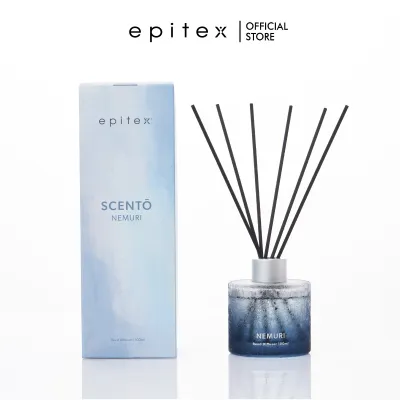
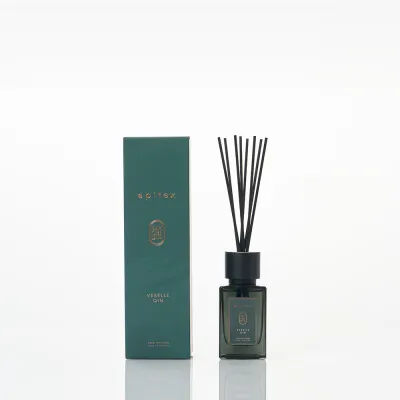
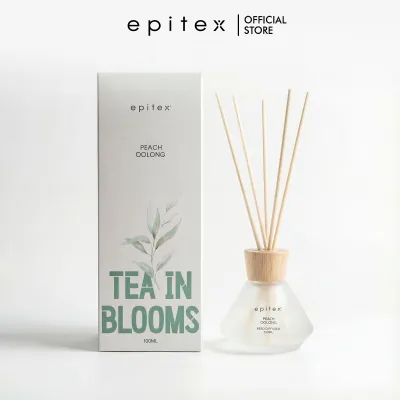
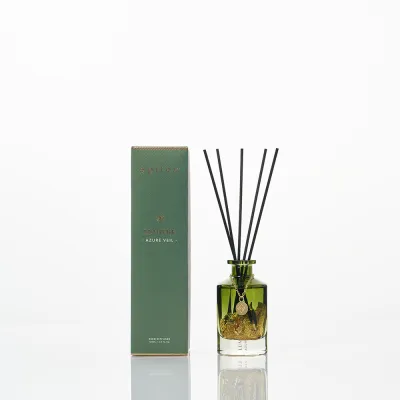
Prices are valid at publication and may change. Please refer to the product page for the latest price.
Sudden temperature spikes from hot showers further complicate this process. Heat increases the kinetic energy of the fragrance molecules, causing a rapid release of volatile top notes. This results in an intense burst of perfume during and immediately after a shower, but it rapidly depletes the diffuser’s liquid reservoir. Over time, these frequent thermal cycles exhaust the fragrance oil much faster than in a temperature-stable living room or bedroom.
Airflow and ventilation also play a critical role in how quickly a bathroom perfume is consumed. Many modern bathrooms rely on mechanical exhaust fans or small louvred windows to manage moisture. High airflow from an exhaust fan pulls air directly across the reeds, accelerating the rate of evaporation. Conversely, in a poorly ventilated bathroom, stagnant, humid air can trap the scent in a tight radius around the bottle, leading to a weak scent throw despite rapid liquid depletion. Finding a balance between ventilation and diffuser placement is essential to preserving the lifespan of your home fragrance.
What to Look for in Long-Lasting Bathroom Perfume Diffusers
To find a diffuser that can survive the harsh microclimate of a bathroom, you must evaluate the carrier liquid base. Avoid cheap, alcohol-heavy formulations. Alcohol evaporates far too quickly when exposed to the heat of a bathroom. Instead, look for diffusers that utilize glycol-ether bases, such as Augeo Clean Multi or dipropylene glycol (DPG). These solvents have a much lower vapor pressure, meaning they evaporate at a slow, controlled rate even when the surrounding air is warm and damp.

The material of the reeds is equally important for maintaining a consistent scent throw in high humidity. Natural rattan reeds contain tiny vascular channels that draw liquid upward. However, in a damp bathroom, these natural fibers easily absorb airborne moisture and dust, causing the channels to swell and clog. Once waterlogged, rattan reeds lose their ability to draw up the fragrance oil. Synthetic fiber reeds, made from polyester or nylon blends, are engineered with uniform, non-porous structures that resist water absorption. They maintain their capillary action even in saturated air, making them the superior choice for bathroom environments.
Bottle geometry is another physical factor that directly influences longevity. A bottle with a wide opening allows the carrier liquid to evaporate directly from the surface of the liquid, bypassing the reeds entirely and wasting fragrance. To maximize lifespan, choose bottles with a narrow neck or a collar design that tightly hugs the reeds. This restricts air contact with the bulk liquid, ensuring that evaporation occurs almost exclusively through the reeds themselves.
Finally, consider the ratio of fragrance oil concentration to total liquid volume. A larger bottle does not automatically guarantee a longer lifespan if the formulation is highly diluted. A premium 100ml diffuser with a 15% to 20% concentration of fragrance oil in a slow-evaporating glycol base will often outlast a 200ml bottle filled with a highly volatile, water-diluted mixture. Look for products that specify their oil concentration or are labeled as “intense” or “concentrated” formulations.
How to Read Labels and Evaluate Brand Longevity Claims
When shopping for a bathroom perfume, reading the ingredient list is the most reliable way to verify longevity claims. Look for the primary solvent listed on the packaging or the manufacturer’s safety data sheet. If you see ingredients like “alcohol denat.” or “aqua” near the top of the list, the product is highly susceptible to rapid evaporation and dilution in a damp space. Solvents like isopropylidene glycerol (often branded as Augeo) or various glycol ethers indicate a high-quality, slow-evaporating base designed for stability.
Be skeptical of generic marketing claims such as “lasts up to 12 weeks.” These claims are almost always established under ideal laboratory conditions with low humidity and minimal airflow. For a bathroom setting, a realistic expectation is to reduce that estimate by 30% to 50% unless the formulation is specifically optimized for high-humidity environments. Instead of relying on time-based promises, compare the physical volume (measured in milliliters) and the viscosity of the liquid; thicker, oil-based liquids generally evaporate slower than thin, watery ones.
Safety and suitability labels are also crucial when selecting a diffuser for enclosed, humid spaces. Ensure the product is certified free from harmful volatile organic compounds (VOCs), phthalates, and parabens. Because bathrooms are often small and enclosed, high concentrations of synthetic chemicals can quickly become overwhelming or irritate the respiratory system. Look for clean-burning or eco-friendly certifications on the packaging.
If the product label lacks detailed ingredient information, do not hesitate to consult the manufacturer’s website or customer service. Ask specifically about the carrier base used and whether the product has been tested in high-humidity environments. Reputable brands that invest in high-quality formulation chemistry will readily provide this information, helping you make an informed purchase that fits your specific bathroom conditions.
Where to Place and Maintain Your Diffuser for Maximum Lifespan
Strategic placement is key to extending the life of your bathroom perfume. Never place the diffuser directly in the path of steam, such as on a shelf immediately adjacent to the shower screen or bathtub. The direct heat and water droplets will contaminate the oil and ruin the capillary action of the reeds. Instead, position the bottle in a “dry zone” of the bathroom, such as on a vanity counter, a windowsill away from direct sunlight, or a dedicated decorative shelf near the doorway where natural air movement can gently disperse the scent.
Because bathrooms feature hard, slippery surfaces like ceramic tiles and marble, safety must be a priority. Ensure the diffuser is placed on a stable, flat surface where it cannot be easily knocked over by towels or daily movement. A heavy glass bottle with a low center of gravity is ideal. If you place the diffuser on a wooden vanity or painted shelf, use a small ceramic coaster or decorative tray underneath to protect the surface from accidental oil drips, which can strip paint or damage finishes.
To conserve the liquid and maintain a steady scent throw, manage your reed-flipping frequency carefully. In dry living areas, flipping the reeds once a week is common practice to refresh the scent. In a humid bathroom, however, frequent flipping is unnecessary and wasteful. Because the air is damp, the exposed ends of the reeds do not dry out as quickly. Limit flipping to once every two to three weeks, or only when you notice the scent throw has significantly diminished.
Pay attention to the physical appearance of your diffuser to determine when maintenance is required. If the liquid level in the bottle remains unchanged for several weeks but you can no longer smell the fragrance, the reeds are likely clogged with moisture, dust, or hairspray residue. Instead of discarding the entire unit, simply remove the old reeds, wipe the bottle neck clean, and insert a fresh set of synthetic fiber reeds. This simple maintenance step can revive a stalled diffuser and save you the cost of buying a completely new product.
Frequently Asked Questions (FAQ)
Can I use any standard reed diffuser as a bathroom perfume?
While you can physically place any standard reed diffuser in a bathroom, many will not perform well. Standard diffusers often use alcohol-based carriers that evaporate too quickly in warm, humid air, or they use natural rattan reeds that easily become waterlogged and lose their scent-throwing ability. For a bathroom, it is highly recommended to choose formulations specifically designed with slow-evaporating glycol bases and synthetic fiber reeds to ensure consistent performance.
Do fiber reeds perform better than rattan reeds in humid bathrooms?
Yes, synthetic fiber reeds perform significantly better than natural rattan reeds in humid environments. Rattan reeds contain natural, irregular pores that absorb moisture from the damp bathroom air, causing them to swell, clog, and stop drawing the fragrance oil upward. Synthetic fiber reeds are engineered with uniform, non-porous structures that resist water absorption, allowing them to maintain a steady capillary draw even when the air is highly saturated with moisture.
Is it safe to place a reed diffuser directly next to the shower or bathtub?
It is not safe or practical to place a reed diffuser directly next to a shower or bathtub. Direct exposure to water splashes can contaminate and dilute the fragrance oil, while intense steam will accelerate the evaporation of the carrier liquid, drastically shortening its lifespan. Additionally, placing glass bottles on wet, slippery surfaces near bathing areas creates a significant slip and shatter hazard. Keep your diffuser on a stable, dry surface away from direct water contact.

Community discussion
Share your experience or ask a question. Comments are reviewed before publication.