
Finding a room fragrance (房间香薰) that consistently scents your home without evaporating in a matter of weeks is a common challenge, especially in Singapore’s tropical climate. The interaction between high ambient humidity, frequent air conditioning, and indoor airflow plays a significant role in how quickly fragrance oils dissipate. To achieve a sustained, long-lasting aroma, you must look beyond brand marketing and evaluate the underlying material science of the diffuser. By understanding how carrier bases, reed materials, and bottle designs interact with your specific living environment, you can select a system that delivers a steady scent throw for months rather than days.
What Determines Reed Diffuser Longevity?
The longevity of a reed diffuser is primarily dictated by the chemical composition of its carrier base. The carrier liquid acts as the vehicle that transports the concentrated fragrance oils up through the reeds and into the air. Traditional diffusers often rely on alcohol-based carriers, such as ethanol, which evaporate rapidly to provide a strong, immediate burst of scent. However, this high volatility means the liquid depletes quickly, often lasting only a few weeks. In contrast, modern high-performance diffusers utilize glycol-ether bases or specialty eco-solvents. These compounds have a much lower vapor pressure, resulting in a significantly slower, more controlled evaporation rate that sustains the fragrance over several months.
The physical medium of transport—the reed itself—is the second critical factor. Natural rattan reeds contain dozens of microscopic vascular ducts that act like tiny straws, drawing the oil upward via capillary action. While rattan is highly effective for lighter, low-viscosity oils, its natural fibers can swell in high humidity or become obstructed by heavier fragrance compounds. Synthetic fiber reeds, on the other hand, are engineered with precise, uniform porosity. These fibers pull the oil upward at a highly consistent rate and are less prone to clogging, making them exceptionally compatible with thicker, oil-based carrier liquids, though they may release the scent more aggressively.
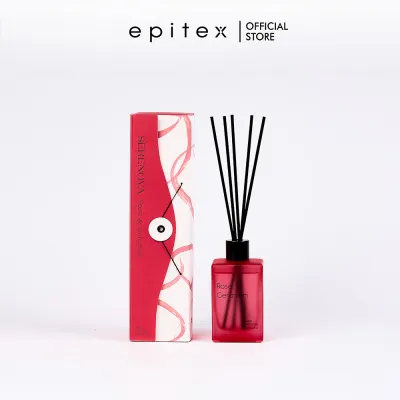
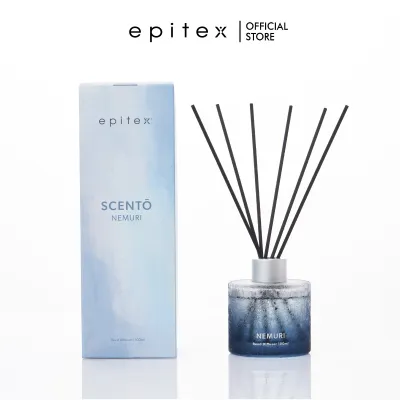
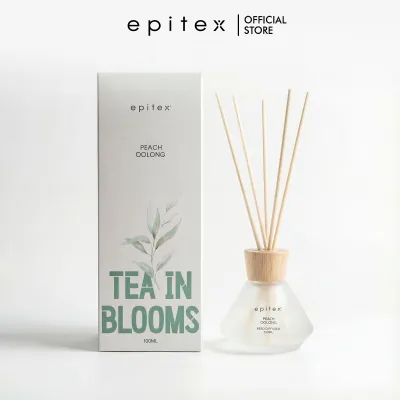
Products mentioned in this guide
![[SG Stocks] Hotel Series Reed Fragrance Diffuser | Reed Diffuser | Hotel Scent | Essential Oil Home Fragrance 无火香薰](https://img.lazcdn.com/g/p/a975fda487d168f17781bc42757ca2e2.jpg_400x400q80.jpg_.webp)
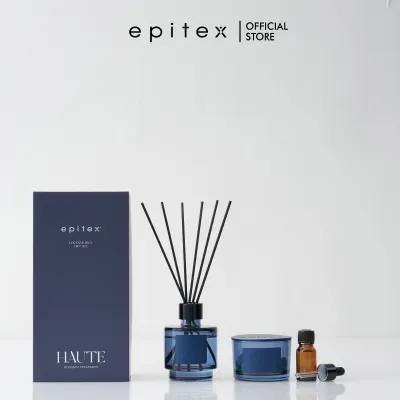
Prices are valid at publication and may change. Please refer to the product page for the latest price.
Environmental conditions within your home also heavily influence how quickly the diffuser liquid is consumed. Singapore’s climate presents a unique dual environment that affects evaporation dynamics. In naturally ventilated rooms, high relative humidity can slow down the evaporation of certain water-soluble components, but the ambient warmth can simultaneously increase the volatility of the fragrance oils. Conversely, in air-conditioned spaces, the air is stripped of moisture, creating a dry environment that accelerates the physical evaporation of the carrier liquid. Furthermore, constant airflow from ceiling fans, standing fans, or open windows physically strips the fragrance molecules from the tips of the reeds, leading to a much faster consumption rate of the diffuser oil.
How to Evaluate Brands for Extended Scent Duration
When evaluating different room fragrance options, reviewing the manufacturer’s technical specifications is the first step toward verifying longevity claims. Look closely at the liquid volume, typically measured in milliliters, and compare it to the brand’s stated estimated lifespan. A standard 100ml diffuser is generally rated to last between four to eight weeks, while a larger 200ml or 250ml vessel is designed to last three to six months under standard conditions. Keep in mind that these estimates are usually calculated in temperate, climate-controlled testing environments; in a tropical or heavily air-conditioned setting, the actual lifespan will typically lean toward the shorter end of the manufacturer’s range.

The concentration of the fragrance oil and the specific scent profile also play a decisive role in how long the aroma lingers in a room. Premium diffusers generally feature a higher concentration of pure perfume oils, often ranging from 15% to 25% of the total volume, mixed with the carrier base. Additionally, the chemical structure of the scent notes dictates their persistence. Base notes, such as sandalwood, cedarwood, patchouli, amber, and oakmoss, consist of large, heavy molecules that evaporate very slowly, remaining detectable in the air long after the lighter top notes have vanished. If you select a diffuser dominated by volatile top notes like citrus, eucalyptus, or light florals, the fragrance will dissipate rapidly, requiring more frequent reed flipping and leading to faster oil depletion.
Ingredient transparency and the availability of sustainable packaging are excellent indicators of a brand’s long-term value. Reputable manufacturers provide detailed information about their solvent bases, often highlighting the use of non-toxic, biodegradable, and low-VOC (volatile organic compound) ingredients. Furthermore, look for brands that offer dedicated refill programs. Purchasing a large-volume refill bottle along with fresh replacement reeds is highly cost-effective, often reducing your ongoing room fragrance expenses by up to 40% compared to buying a complete new glass set each time. This approach not only extends the lifecycle of your decorative diffuser vessel but also minimizes packaging waste.
Building a Shortlist of Room Fragrance Options
To build an effective shortlist of room fragrance options, you must match the physical dimensions of the diffuser vessel to the specific layout of your home. Scent throw is directly limited by the volume of oil and the number of reeds in play. For compact, enclosed spaces such as a typical HDB bathroom, a small study, or a walk-in wardrobe, a diffuser volume of 50ml to 100ml is highly appropriate, providing a subtle, non-overwhelming aroma. For larger, open-plan living areas, dining rooms, or high-ceilinged spaces, a single small diffuser will fail to scent the room adequately. Instead, look for larger vessels of 200ml to 500ml, or plan to place multiple smaller diffusers at opposite ends of the room to establish a balanced, continuous scent field.
The financial and practical viability of a brand’s refill ecosystem should be a primary consideration during your selection process. When browsing local home decor boutiques or online marketplaces, check if the brands on your shortlist offer bulk refill options, such as 500ml or 1-liter bottles. These bulk sizes offer a much lower cost per milliliter and ensure you always have a supply of your favorite scent on hand. Additionally, verify that the brand sells matching replacement reeds independently. Using old, saturated reeds with fresh refill oil is a common mistake that results in a weak scent throw, making the availability of affordable, high-quality replacement reeds essential.
The physical design of the diffuser bottle is another critical factor that directly influences passive evaporation rates. A well-designed vessel features a narrow neck and a small top opening, which physically restricts the surface area of the liquid exposed directly to the air. This structural design ensures that the fragrance oil can only escape through the capillary action of the reeds, preventing unnecessary passive evaporation from the bottle itself. Avoid wide-mouthed jars, open decorative bowls, or shallow containers unless you intend to consume the fragrance rapidly for a high-intensity, short-term event, as these designs will cause the carrier liquid to dry out prematurely.
Practical Steps to Maximize Diffuser Lifespan
Once you have selected a high-quality reed diffuser, implementing a consistent maintenance routine will significantly extend its operational lifespan. The frequency with which you flip the reeds directly controls both the intensity of the scent throw and the rate of oil consumption. Flipping the reeds draws fresh, oil-saturated fibers to the top, releasing an immediate burst of fragrance. However, doing this too frequently accelerates evaporation. For optimal longevity, establish a disciplined schedule of flipping the reeds only once every one to two weeks, or only when you notice the fragrance beginning to fade. If you prefer a very subtle background aroma, you can leave the reeds unflipped for longer intervals.
Strategic placement within your home is equally vital to prevent premature evaporation of the fragrance oil. Position your diffuser in an area with gentle, natural air circulation, such as on a console table near an entryway, a hallway shelf, or the center of a room where foot traffic naturally moves the air. Avoid placing the vessel directly in the path of strong, mechanical drafts, such as directly in front of an air conditioning vent, next to an active standing fan, or right beside an open window. Furthermore, keep the diffuser away from direct sunlight and heat sources, such as sunny windowsills, radiators, or heat-emitting electronic appliances, as elevated temperatures accelerate the chemical breakdown and evaporation of the carrier liquid.
Recognizing when your reeds require replacement is key to maintaining a consistent scent throw without wasting oil. Over time, airborne dust, pet dander, and microscopic cooking grease settle on the exposed portions of the reeds, clogging the delicate capillary channels. If you observe that the oil level in your bottle remains completely static over several weeks but the fragrance has vanished, the reeds have likely become fully saturated or blocked. Instead of pouring out the oil or adding more fragrance, simply remove the old reeds, gently wipe any dust from the neck of the bottle, and insert a brand-new set of reeds to immediately restore the diffuser’s performance.
Finally, adhering to basic safety boundaries ensures that your room fragrance experience remains safe and trouble-free. Fragrance oils contain highly concentrated organic compounds and solvents that can easily strip varnishes, melt plastics, or permanently stain delicate surfaces like polished wood, marble, and leather. Always place your diffuser vessel on a stable, level surface, and use a protective ceramic coaster, glass plate, or metal tray underneath to catch any accidental drips during reed flipping. Keep the diffuser completely out of reach of children and pets to prevent accidental tipping or ingestion. Because both the carrier solvents and the fragrance oils are flammable, never place the vessel near open flames, candles, gas stoves, or high-heat appliances.
Frequently Asked Questions (FAQ)
How often should I flip the reeds in my diffuser?
Flipping the reeds once every one to two weeks is generally sufficient to maintain a consistent scent throw without consuming the oil too quickly. If you prefer a stronger, more immediate fragrance, you can flip them more frequently, but keep in mind that this increases the evaporation rate. Always check the manufacturer’s care instructions, as some highly porous synthetic fiber reeds are specifically engineered to distribute scent continuously without requiring any flipping at all.
Can I reuse the same reeds for a different fragrance refill?
It is highly recommended to use a fresh set of reeds whenever you refill your diffuser, especially if you are changing to a different fragrance profile. Old reeds are already fully saturated with the previous oil and may have accumulated dust and environmental debris. Reusing them can contaminate the new fragrance, alter the intended scent profile, and result in a weak, inefficient throw due to clogged capillary channels.
Why did my reed diffuser stop smelling even though there is oil left?
This issue is almost always caused by clogged reeds. Over time, airborne dust, humidity, and heavy fragrance compounds block the microscopic pores of both rattan and synthetic reeds, halting the capillary action. To resolve this, carefully remove the old reeds, wipe any residue from the bottle neck, and insert a brand-new set of reeds. This simple step typically restores the fragrance throw immediately without needing to replace the remaining oil.

Community discussion
Share your experience or ask a question. Comments are reviewed before publication.