
Integrating a Makuno wooden stick sculpture into your home is an exercise in balancing organic textures with your existing interior design. To choose the right design, you must evaluate how the wood’s finish, silhouette, and scale interact with your room’s color palette and furniture layout. A well-chosen wooden artifact acts as a visual anchor, bridging the gap between structured modern architecture and the fluid forms of the natural world.
In Singapore’s diverse housing landscape, from compact HDB apartments to spacious condominiums, spatial efficiency and environmental factors play a significant role in decor selection. Selecting the ideal wooden sculpture involves understanding how different wood treatments and shapes alter the perception of space. By matching the design characteristics of these wooden sticks to specific design movements, you can create a cohesive, intentional atmosphere that feels both curated and serene.
How Wood Finishes and Shapes Influence Room Aesthetics
Wood is an inherently tactile material, and its surface treatment dictates how it reflects light and occupies visual space. A highly polished, smooth finish reflects more light, giving the sculpture a refined, contemporary appearance that draws the eye without overwhelming the surrounding decor. Conversely, a matte or raw finish absorbs light, emphasizing the natural texture of the wood grain and creating a quiet, understated presence.
Products mentioned in this guide


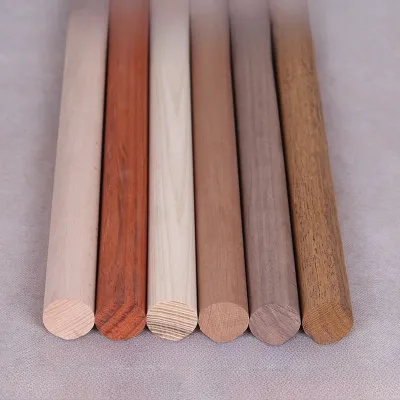
Prices are valid at publication and may change. Please refer to the product page for the latest price.
Color tones also heavily influence spatial perception. Light-toned woods, such as ash, beech, or light oak, tend to make a room feel more open, airy, and spacious. These tones work exceptionally well in smaller living areas where maximizing light is a priority. Darker wood stains, such as walnut or charcoal finishes, add dramatic contrast and visual weight, making them excellent choices for creating focal points in larger, well-lit rooms.
The silhouette of a wooden stick sculpture determines its energetic contribution to a room. Geometric, straight, or highly structured forms introduce a sense of order, stability, and architectural alignment. These clean lines guide the viewer’s eye along predictable paths, reinforcing a sense of modern discipline. Organic, twisted, or asymmetrical silhouettes introduce movement and softness, breaking up the rigid lines of standard cabinetry and walls.
Because product lines evolve, specific Makuno product availability, exact finish names, and current collections must be verified directly on the brand’s official channels or through authorized retailers. Checking these details beforehand ensures that the piece you select matches your technical requirements and aesthetic expectations.
Selecting Designs for Minimalist and Scandinavian Spaces
Minimalist and Scandinavian design philosophies prioritize simplicity, functionality, and a deep connection to natural elements. When selecting a wooden stick sculpture for these environments, look for pieces that exhibit light-toned finishes and clean, uncomplicated lines. Woods with subtle, low-contrast grain patterns help maintain a serene visual field, preventing the sculpture from competing with other minimalist design elements.

Matte or lightly oiled surfaces are ideal for these styles, as they preserve the natural feel of the wood without adding artificial gloss. The silhouette should lean toward slender, elongated profiles or simple geometric arrangements. An asymmetrical but carefully balanced composition can add a touch of artistic intrigue to a Scandinavian room without disrupting its characteristic calm.
Placement in minimalist spaces requires a disciplined approach to negative space. Rather than crowding a shelf or console table with multiple decorative items, allow a single, well-proportioned wooden stick sculpture to stand alone. This isolation gives the piece room to breathe, turning it into a quiet gallery-style statement. Position it against a neutral, solid-colored wall to highlight its clean silhouette and delicate textures.
In typical Singaporean apartments, where natural light is highly valued, placing a light-wood sculpture near a window can enhance the bright, airy feel of the room. Ensure the piece is styled alongside functional items, such as a simple ceramic vase or a single stack of art books, to maintain the functional elegance characteristic of Nordic design.
Choosing Pieces for Rustic and Wabi-Sabi Interiors
Rustic and Wabi-Sabi design styles celebrate the beauty of imperfection, age, and raw natural textures. For these interiors, the ideal wooden stick sculpture is one that showcases highly visible wood grains, knots, and natural color variations. Darker stains, weathered finishes, or distressed textures are highly effective here, as they evoke a sense of history and connection to the earth.
Silhouettes in rustic and Wabi-Sabi spaces should favor organic, irregular, and robust forms. Look for pieces with twisted branches, uneven thicknesses, or clustered arrangements that mimic the random growth patterns found in nature. These imperfect shapes provide a stark, pleasing contrast to the straight lines of modern construction, grounding the room in a more organic, relaxed atmosphere.
To create a cohesive vignette, pair these textured wooden elements with other natural, tactile materials. Placing a raw wooden sculpture next to a rough stone tray, a linen runner, or a matte, hand-thrown ceramic vessel creates a rich sensory experience. The interplay of different natural surfaces enhances the rustic theme, making the space feel warm, lived-in, and deeply comforting.
Wabi-Sabi, in particular, values the passage of time and the natural weathering of materials. A wooden stick sculpture with a slightly weathered or uneven finish fits perfectly into this philosophy. Display it in a quiet corner or on a low wooden bench where its unique imperfections can be appreciated in soft, ambient lighting.
Evaluating Scale, Proportion, and Placement Constraints
Before purchasing any decorative sculpture, it is essential to measure your intended display surfaces to ensure a proper physical and visual fit. Use a measuring tape to determine the exact height, width, and depth of shelves, mantels, or side tables. Keep in mind the clearance space required above the sculpture; a tall wooden stick design needs ample vertical breathing room so it does not look cramped against the ceiling or upper shelving.
Visual weight is another critical factor in styling. A tall, slender wooden stick can easily look unstable or lost if placed next to large, bulky furniture. To create a balanced vignette, pair slender vertical sculptures with broader, lower objects, such as a wide decorative bowl or a low-profile book. This contrast in heights and shapes creates a stable, visually pleasing triangular composition that guides the eye naturally across the display.
Environmental conditions in Singapore require careful consideration when placing wooden decor. High humidity levels, direct tropical sunlight, and proximity to air conditioning vents or mechanical fans can cause wood to warp, crack, or fade over time. To protect your investment, avoid placing wooden sculptures in areas prone to moisture buildup, such as bathrooms or unshielded outdoor balconies. Position them away from direct sunlight and drafty areas to maintain the integrity of the wood and its finish.
Essential Checks Before Buying Wooden Sculptures
A successful purchase relies on verifying technical specifications before finalizing your order. Always check the manufacturer’s stated dimensions, weight, and base stability. A top-heavy sculpture placed on a delicate glass console or a narrow shelf poses a tipping hazard. Ensure the base is wide and heavy enough to support the height of the wooden sticks, or plan to secure it appropriately.
Review the care instructions provided for the specific wood treatment. Some finishes may require occasional oiling to prevent drying, while others are strictly dry-dust only. Knowing whether a piece requires specialized dusting brushes or is sensitive to liquid cleaners helps you maintain its appearance without causing accidental damage. Avoid using generic household chemical sprays, which can strip the finish or discolor the wood.
Finally, verify the seller’s authorization and return policies. Because wood is a natural material, individual pieces will naturally vary in grain pattern, color shading, and texture from the online product photos. Purchasing from an authorized retailer with a clear return or exchange policy ensures that you can swap the item if the natural variations do not align with your interior color scheme.
Frequently Asked Questions (FAQ)
Can I mix different wood tones in the same room?
Yes, you can mix different wood tones, provided you maintain a consistent undertone across the pieces. Wood finishes generally fall into warm (red, orange, yellow) or cool (gray, ash) undertones. Keeping these undertones consistent prevents the room from feeling chaotic. To create a balanced look, use a dominant wood tone for your larger furniture pieces, such as dining tables or flooring, and use sculptural wooden sticks in contrasting tones as accent pieces to add depth and visual interest.
How do I clean and maintain unsealed wooden sculptures?
Unsealed or raw wooden sculptures require gentle, dry cleaning methods to preserve their natural texture. Use a soft, dry microfiber cloth or a clean, soft-bristle makeup brush to gently remove dust from intricate grooves and textured surfaces. Avoid using water, damp cloths, or chemical cleaning sprays, as moisture can penetrate unsealed wood, causing the grain to swell, warp, or develop unsightly water stains.
Community discussion
Share your experience or ask a question. Comments are reviewed before publication.