
Finding the perfect minimalist table clock in Singapore requires balancing clean aesthetics with functional precision. A well-chosen timepiece does not merely display the hours; it acts as a subtle design anchor that unifies your room’s decor. Whether you are styling a compact study desk in a modern HDB flat or a spacious sideboard in a condominium, the right clock bridges the gap between utility and visual harmony.
To select a clock that complements your space, you must look beyond basic timekeeping. The interaction of materials, dial layouts, and silent movements determines how well a timepiece integrates into your daily environment. By focusing on style alignment, material quality, and practical placement checks, you can curate a shortlist that elevates your home’s interior design.
How to Match Minimalist Clocks to Your Room Aesthetic
Integrating a minimalist clock into your living space requires a keen eye for visual balance and design cohesion. Minimalist design is not a single, uniform style; instead, it branches into distinct movements, each defined by its own color palettes, geometric forms, and material textures. A clock that looks perfectly at home on a raw concrete shelf might feel jarringly out of place on a warm, light-oak bedside table.
Products mentioned in this guide
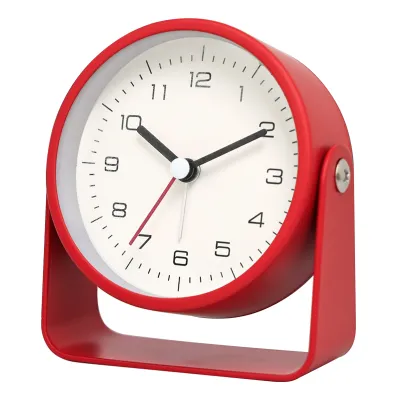

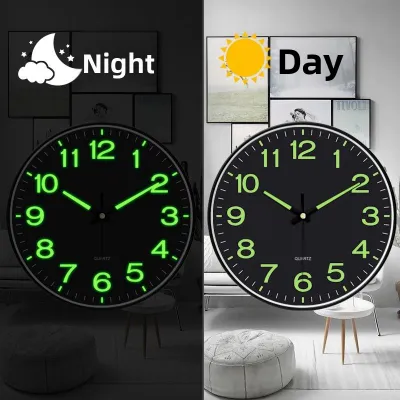
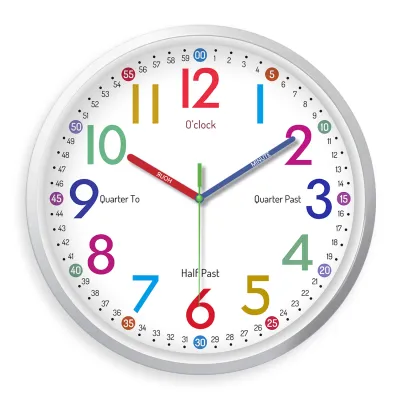
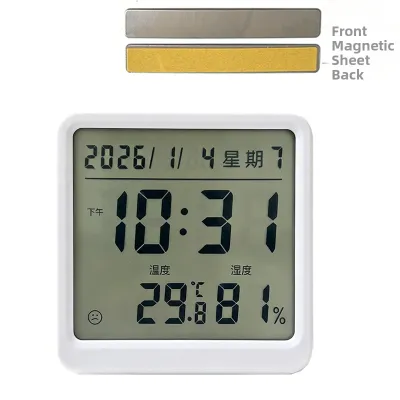
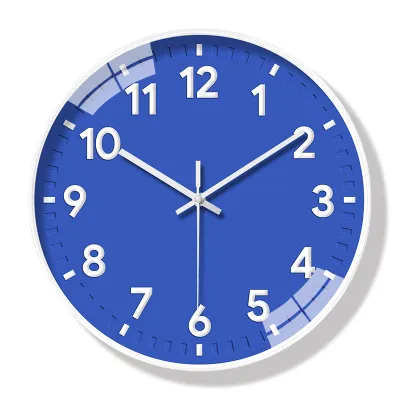
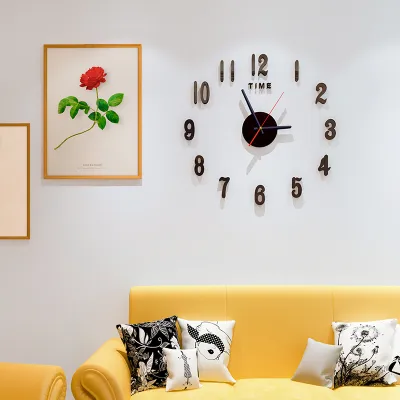
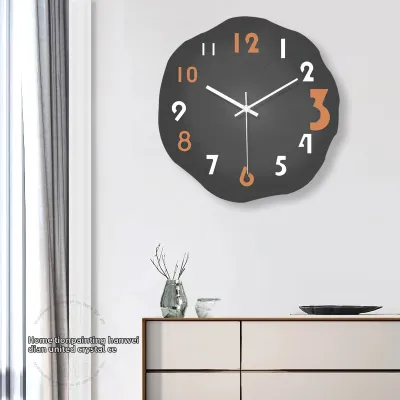
Prices are valid at publication and may change. Please refer to the product page for the latest price.
To achieve a seamless look, the clock’s face, hands, and casing must align with the existing furniture and textures in the room. This means matching the warmth of the materials, the sharpness of the angles, and the overall visual weight of the timepiece to its surroundings. A common design pitfall is choosing a clock with a busy dial or a glossy plastic finish that disrupts the clean lines and organic feel of a minimalist room.
Scandinavian Simplicity and Functionality
Scandinavian design is celebrated for its bright, airy feel, cozy warmth, and emphasis on functional living. When selecting a minimalist table clock for a Scandinavian-inspired room, look for pieces crafted from light-toned woods such as beech, ash, or light oak. These natural materials introduce a sense of organic warmth that prevents a minimalist space from feeling cold or sterile.
The color palette for Nordic-style clocks typically features matte white, soft grays, or gentle pastel finishes like dusty blue and sage green. Geometric shapes should be clean but soft, often incorporating rounded corners or circular frames that feel inviting rather than sharp. The balance between stark minimalism and cozy comfort is key to mastering this aesthetic.
For the clock dial, prioritize high-contrast layouts that maintain soft, clean edges. Thin, elegant hands paired with simple, non-numeric markers or clean, sans-serif typography work best. Avoid heavy metallic frames or overly dark faces, as these can weigh down the light, breezy atmosphere characteristic of Scandinavian interiors.
Japanese Zen and Wabi-Sabi Elements
Japanese interior design focuses on tranquility, simplicity, and a deep connection to nature. The concept of wabi-sabi, which finds beauty in imperfection and transience, heavily influences this aesthetic. A table clock suited for a Japanese Zen space should feature natural, tactile materials such as raw, unvarnished wood, bamboo, stone, or unglazed ceramics.
The color palette should remain grounded in muted, earthy tones, including warm beiges, soft charcoals, clay terracotta, and mossy greens. Shapes can be slightly asymmetrical or organic, reflecting the natural variations found in raw materials. The goal is to choose a timepiece that feels as though it has been crafted by hand, celebrating the unique grain of wood or the subtle texture of stone.
In a Zen-inspired room, silence and calmness are paramount. Opt for clocks equipped with silent sweep movements that eliminate the repetitive ticking sound, which can disrupt meditation or quiet study. The dial should be exceptionally understated, often omitting numbers entirely in favor of blank space or faint, recessed markers that encourage a mindful, unhurried perception of time.
Modern Industrial Edge
Modern industrial decor embraces raw, urban elements, structural honesty, and utilitarian design. To complement this aesthetic, a minimalist table clock should feature bold materials such as exposed metals, concrete, or dark, matte-finished plastics. The visual weight of these materials adds a grounded, architectural presence to a desk, shelf, or console table.
The design language of industrial minimalism relies on sharp, architectural lines, open-frame structures, and utilitarian typography. Matte black, charcoal gray, and brushed steel dominate the color palette, occasionally accented by raw brass or copper details. Unlike rustic styles, modern industrial design keeps surfaces clean and avoids artificial distressing or overly ornate vintage details.
When choosing a clock for an industrial space, look for structural clarity. An open-back design that reveals the inner workings, or a solid concrete block with debossed hour markers, fits this style perfectly. Ensure the clock’s hands are bold and highly visible, matching the functional, no-nonsense character of industrial architecture while maintaining a clean, uncluttered face.
Evaluating Materials and Design Details
The materials used in a minimalist table clock dictate both its durability and its visual impact within a room. Solid wood casings offer a timeless, tactile quality, but they require stable indoor conditions to prevent warping. Concrete and stone provide a heavy, premium feel that anchors the clock firmly on a surface, making them excellent choices for high-traffic areas like entryways or busy desks. Metals, such as brushed aluminum or brass, introduce a subtle sheen that catches the light, adding a touch of sophistication without looking overly decorative.

Dial layouts play a crucial role in how a clock communicates its minimalist identity. The choice between numeric markers, simple tick lines, or a completely blank face is a matter of both aesthetic preference and readability. If you prefer quick, at-a-glance time reading, look for high-contrast dials with clean, slender hands and minimalist hour markers. If the clock is intended primarily as a sculptural art piece, a blank face with tonal hands can create a striking, mysterious focal point.
The design of the clock’s base or stand is another critical detail that is often overlooked. A well-designed base ensures the clock remains stable on various surfaces, preventing accidental tipping. Look for clocks that feature protective padding, such as felt or silicone feet, on the underside of the base. This simple addition protects delicate surfaces—such as polished marble, lacquered wood, or glass tabletops—from scratches and scuffs while providing extra grip to keep the clock securely in place.
Practical Checks Before You Buy
Before finalizing your choice, it is essential to verify the physical dimensions and proportions of the table clock relative to its intended location. A clock that looks perfectly proportioned in a spacious showroom may overwhelm a compact bedside table or get lost on a deep bookshelf. Measure the height, width, and depth of the surface where the clock will sit, ensuring there is sufficient clearance and that the clock does not crowd other essential items.
Power sources and cable management are vital considerations for maintaining a clean, minimalist look. Battery-operated clocks offer the ultimate placement flexibility, allowing you to position them on floating shelves, kitchen islands, or bedside tables without worrying about unsightly cords. If you opt for a plug-in or USB-powered clock, plan how you will route and conceal the power cable behind furniture to prevent it from disrupting the clean lines of your decor.
The type of clock movement is a critical factor, particularly for quiet spaces like bedrooms, nurseries, or home offices. Traditional quartz movements produce a distinct, rhythmic ticking sound that some find soothing, but others find highly distracting during sleep or focused work. For these sensitive environments, look specifically for silent sweep movements, which move the hands continuously and silently around the dial.
Finally, evaluate the lighting conditions of the room to ensure the clock remains readable throughout the day and night. Glossy glass covers can create intense glare under direct sunlight or bright overhead lighting, making it difficult to read the time. If the clock is placed in a bedroom, consider whether you need a model with subtle, non-disruptive night illumination or luminescent hands that allow you to check the time in the dark without reaching for your phone.
Where to Source and Verify Quality Designs
Finding a high-quality minimalist table clock in Singapore involves exploring a mix of specialized design boutiques, official brand showrooms, and curated online marketplaces. Visiting physical showrooms allows you to assess the true color, texture, and weight of the materials in person, which can often look different online. Specialized home decor stores in design-centric districts often carry unique, imported timepieces that align with specific design movements like Scandinavian or Japanese minimalism.
When shopping online or in-store, always read the product specifications and labels carefully to verify the authenticity of the materials. High-quality clocks will explicitly state the type of wood, metal, or stone used, rather than using vague terms like “wood-look” or “metallic finish.” Additionally, check the origin of the clock movement; reputable manufacturers often highlight the use of reliable Japanese or German quartz movements, which are known for their long-term accuracy and durability.
Before making a purchase, review the retailer’s warranty terms and return policies, especially when buying delicate materials like concrete, ceramic, or glass. A solid warranty provides peace of mind regarding the internal movement’s reliability. Furthermore, check if the manufacturer provides specific care instructions, as natural materials often require gentle, specialized maintenance to preserve their appearance over time in Singapore’s tropical climate.
Frequently Asked Questions (FAQ)
How do I clean and maintain a wooden or concrete minimalist clock?
To clean a wooden or concrete minimalist clock, start by using a dry, soft microfiber cloth to gently dust the surface and the clock face. For stubborn spots on concrete or unvarnished wood, a slightly damp cloth can be used, but you must dry the surface immediately with a clean towel to prevent moisture from soaking into the porous material. Avoid using harsh chemical cleaners, abrasive scrubs, or household sprays, as these can strip natural finishes, discolor concrete, or damage the delicate internal movement.
Keep your clock away from direct sunlight and areas with extreme temperature fluctuations, such as directly under an air conditioning vent. Prolonged exposure to intense sunlight can fade natural wood grains and cause concrete to develop fine hairline cracks over time. Always refer to the manufacturer’s specific care label or instruction manual before applying any wood oils, waxes, or protective sealants to ensure compatibility with the material’s finish.
Can I use a minimalist table clock in a humid environment like a bathroom?
Standard minimalist table clocks are generally not designed to withstand the high humidity and moisture levels found in bathrooms. Excess moisture can seep into the casing, causing wooden frames to warp or rot, metal components to rust, and the internal electronic movement to fail prematurely. Standard quartz movements lack the necessary seals to protect their delicate gears and battery compartments from airborne water vapor.
If you wish to place a clock in a bathroom or a semi-outdoor balcony, you must look for models specifically rated as moisture-resistant or waterproof. Check the product specifications for an Ingress Protection (IP) rating, which indicates the level of protection against solids and liquids. If no IP rating or moisture-resistance guarantee is provided by the manufacturer, it is best to keep the clock in dry living areas, bedrooms, or studies to ensure its longevity.

Community discussion
Share your experience or ask a question. Comments are reviewed before publication.