
Selecting the right ornaments for your home is more than an exercise in filling empty shelf space. These decorative objects serve as the visual punctuation marks of an interior, guiding the eye, establishing focal points, and expressing personal identity. When chosen thoughtfully, sculptures, figurines, and decorative vessels bridge the gap between functional furniture and architectural structure, transforming a house into a cohesive, curated home. However, bringing random items into a room without a clear plan often leads to visual clutter and stylistic discord.
To achieve a balanced look, you must understand how individual decorative pieces interact with the broader design language of your space. Every ornament carries its own visual weight, texture, color, and historical or cultural reference. By learning to evaluate these characteristics, you can make intentional choices that enhance your existing decor rather than compete with it. Whether you are starting with a blank canvas or looking to refine an established room, a systematic approach to selecting ornaments will help you build a harmonious environment.
Identifying Your Core Decor Aesthetic
Before browsing online marketplaces or visiting local design boutiques, take a step back to evaluate the dominant design theme of your room. Look closely at your large-scale furniture pieces, the undertones of your flooring, and the architectural lines of the space. For instance, clean-lined modular sofas and handleless cabinetry suggest a modern or minimalist foundation, whereas ornate wooden cabinets or curved armchairs point toward traditional or transitional styles. Identifying these primary elements prevents you from purchasing items that clash with the structural bones of your home.
Products mentioned in this guide

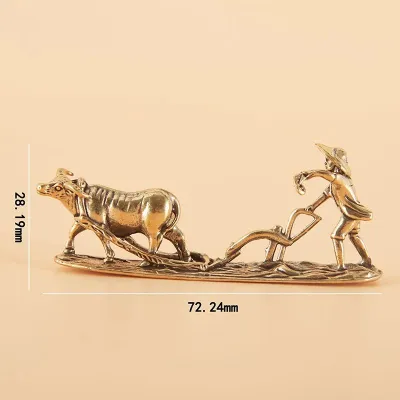
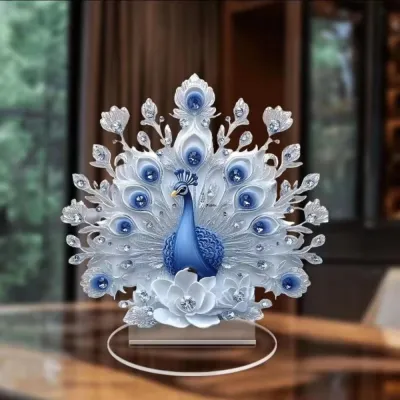




Prices are valid at publication and may change. Please refer to the product page for the latest price.
It is equally important to distinguish between your primary interior style and any subtle accent themes you wish to introduce. A home does not have to adhere strictly to a single design manual; in fact, the most interesting spaces often feature a primary style—such as Scandinavian—complemented by a secondary accent, like industrial or rustic elements. When selecting ornaments, decide whether a piece should reinforce your primary style or serve as a contrasting accent. If your living room is predominantly neutral and modern, a rustic, hand-carved wooden sculpture can act as a warm, unexpected focal point, provided its scale and placement are carefully considered.
Additionally, you must account for the spatial constraints and natural lighting conditions typical of Singapore homes. Many local apartments, such as HDB flats and condominiums, feature compact layouts and open-plan living areas where visual clutter can quickly overwhelm the space. High humidity levels also play a significant role in how materials age over time. Furthermore, the direction and intensity of natural light entering through your windows will affect how shadows fall across textured sculptures and how highly reflective surfaces, such as polished metal or glazed ceramics, bounce light around the room.
Essential Criteria for Selecting Ornaments
When evaluating sculptures, figurines, and other decorative objects, material selection is paramount. In tropical climates with high relative humidity, materials behave differently than they do in drier regions. Untreated wood can warp or attract mold, while low-grade metals may oxidize and rust over time. Always check manufacturer care labels and product specifications to ensure the materials are resilient or have been treated with protective sealants. Opting for high-fired ceramics, stable stone, tempered glass, or rust-resistant metals ensures your decorative investments remain pristine for years to come.

Scale and proportion are critical to ensuring an ornament looks intentional rather than accidental. A tiny figurine placed on a massive sideboard will look lost and insignificant, while an oversized sculpture on a delicate console table can make the furniture piece look unstable. Consider the visual weight of the object, which is determined by its color, material density, and shape. A solid black marble sculpture has a much heavier visual weight than a hollow brass wireframe sculpture of the exact same dimensions. Measure your shelving heights and depths carefully before purchasing to maintain a balanced ratio between the ornament and the surrounding negative space.
Color theory offers a reliable framework for deciding whether an ornament should blend seamlessly into its surroundings or stand out as a bold statement. To create a serene, cohesive look, select ornaments that match the existing color palette of your room, utilizing varying shades, tints, and tones of the same hue. If you want to inject energy into a quiet space, look to the opposite side of the color wheel for complementary accents. For example, a deep cobalt blue ceramic vase can provide a striking contrast in a room dominated by warm terracotta and beige tones.
Safety and stability must never be overlooked, particularly in active households with pets or young children. Heavy, top-heavy sculptures placed on high shelves or unstable side tables pose a significant hazard. Look for pieces with wide, weighted bases, or consider applying museum putty to the undersides of delicate items to secure them in place. If you are planning to install heavy wall-mounted ornaments or ceiling-suspended mobiles, always verify the wall type—such as concrete, brick, or drywall—and use appropriate heavy-duty anchors. For any suspended loads or items requiring fixed wiring, ensure you follow proper power-isolation procedures, consult the manufacturer’s installation instructions, and hire a qualified professional if the task involves working at height or complex electrical connections. If an ornament features integrated lighting, verify the voltage, base or interface type, wattage limits, dimming compatibility, and local electrical safety certifications before installation.
Matching Ornaments to Specific Home Styles
While personal preference should always guide your choices, understanding how ornament selection shifts across different design philosophies provides a helpful framework. Different design movements prioritize different shapes, textures, and historical references. By aligning your decorative choices with these established aesthetics, you can create a space that feels cohesive, intentional, and professionally styled.
Minimalist and Scandinavian Interiors
Minimalist and Scandinavian design philosophies share a common appreciation for simplicity, functionality, and a deep connection to nature. In these spaces, the mantra “less is more” dictates every decorative choice. Instead of filling every available surface with small trinkets, prioritize clean lines, organic shapes, and muted, earthy tones. A single, well-placed statement piece often carries more design power than a crowded shelf of minor accessories.
When selecting ornaments for a minimalist or Scandinavian home, focus on the raw beauty of natural materials. Look for matte ceramic vessels, unglazed stoneware, light-toned woods like ash or oak, and smooth river stones. The textures should feel tactile and authentic, celebrating minor imperfections rather than hiding them. Abstract sculptures that emphasize form and silhouette over intricate detail work exceptionally well in these environments, allowing the eye to appreciate the interplay of light and shadow on simple surfaces.
Traditional Asian and Heritage Spaces
Traditional Asian and heritage-inspired interiors—whether drawing from Chinese, Peranakan, or classic Southeast Asian aesthetics—are characterized by rich textures, intricate craftsmanship, and deep cultural symbolism. The challenge in these spaces is to integrate highly detailed figurines and ornaments without creating a cluttered, museum-like atmosphere. The key lies in balancing intricate details with generous amounts of negative space, allowing each heritage piece room to breathe and be appreciated.
Material care is particularly important when dealing with delicate heritage items such as fine porcelain, lacquerware, or hand-carved teakwood. These materials can be sensitive to direct sunlight and extreme humidity fluctuations, so place them away from open windows and air conditioning vents. Additionally, respect the cultural motifs and historical contexts of your ornaments. For instance, placing a highly revered cultural figurine or symbol in a low-traffic, respectful area of the living room is far more appropriate than placing it on a busy kitchen counter or near a bathroom entryway.
Modern and Eclectic Environments
Modern and eclectic spaces offer the perfect playground for bold experimentation, allowing you to mix different eras, materials, and artistic expressions. In an eclectic home, ornaments serve as the conversational spark plugs of the room. You can confidently mix high-shine metallics, colored glass, and abstract resin sculptures within the same visual field. The goal is to create a sense of curated energy rather than chaotic disarray.
To prevent an eclectic collection of ornaments from looking like a random assortment of objects, establish a unifying element that ties the diverse pieces together. This common thread could be a shared color palette, a consistent material finish, or a recurring geometric motif. For example, you might display an antique brass figurine alongside a modern abstract metal sculpture and a vintage brass tray; though the styles and eras differ, the shared metallic finish creates a sophisticated, cohesive narrative. Color blocking—grouping items of similar colors together—is another effective technique for organizing diverse shapes into a visually pleasing arrangement.
Placement Strategies and Buying Checklist
Once you have selected your ornaments, how you arrange them is just as important as the items themselves. A classic interior design technique is the “rule of three,” which suggests that items arranged in odd numbers are naturally more appealing and memorable to the human eye. When styling a shelf, mantel, or coffee table, create visual triangulation by grouping three objects of varying heights, shapes, and textures. Place the tallest item at the back, a medium-sized item to one side, and the smallest, most textured item in the foreground to create depth and movement.
Lighting plays a transformative role in how your ornaments are perceived. Direct spotlighting from track lights or recessed ceiling fixtures can highlight the intricate carvings of a stone sculpture or cast dramatic shadows from an abstract form. Conversely, highly reflective surfaces like polished chrome, brass, or glazed glass can create distracting glare if placed directly under a harsh light source. Position reflective ornaments where they can catch soft, ambient light, or pair them with matte-finished items to balance the overall luminosity of the display.
Before finalizing your purchase, especially when shopping on online marketplaces or specialty decor platforms, run through this practical pre-purchase checklist:
- Dimensions: Measure the exact height, width, and depth of the display area, and compare them to the product specifications to ensure a proper fit.
- Weight Limits: Verify the weight capacity of your floating shelves or glass-front cabinets to prevent overloading.
- Budget Alignment: Set a clear spending limit, keeping in mind that high-quality, artisan-crafted ornaments in Singapore typically range from S$50 for small ceramic pieces to S$300 or more for large, hand-finished sculptures.
- Return Policies: Check the retailer's return policy, particularly for fragile items, to ensure you are covered in case of transit damage or if the piece does not suit your space in person.
Frequently Asked Questions (FAQ)
How many ornaments should I display in one room?
There is no single number that fits every space, but the guiding principle should always be to prioritize negative space over maximum capacity. Negative space—the empty areas around your furniture and decor—gives the eyes a place to rest and allows your chosen ornaments to stand out. If every surface is covered, individual pieces lose their impact and the room can feel cramped and chaotic.
As a general rule, adjust the quantity of ornaments based on the size of the room, the depth of your shelving, and the existing visual busyness of your space. In a compact room, limit yourself to one or two high-quality statement pieces per major surface, such as a sideboard or coffee table. On larger shelving units, aim to leave at least thirty to forty percent of the shelf space completely empty to maintain a light, airy, and balanced atmosphere.
Can I mix different decor styles with my ornaments?
Yes, mixing different decor styles is an excellent way to add personality, depth, and a sense of history to your home. A space that is too perfectly matched can sometimes feel sterile or showroom-like. By introducing ornaments from a different aesthetic—such as placing a sleek, modern geometric sculpture in a traditional wood-paneled study—you create a dynamic visual tension that makes the room feel lived-in and curated.
To do this successfully, limit the number of contrasting statement pieces so they do not compete for attention. Use a unifying color palette, a consistent material, or a shared texture to bridge the gap between the different styles. If your room is decorated in a rustic style, you can introduce modern ceramic ornaments as long as they feature earthy, organic tones that complement the natural wood and stone elements already present in the space.
Community discussion
Share your experience or ask a question. Comments are reviewed before publication.