
Finding the right outdoor cushion cover to survive Singapore’s intense tropical climate requires looking past generic “waterproof” labels. The ideal fabric must balance water resistance with high breathability while featuring inherent UV protection. To withstand the relentless combination of equatorial sun and heavy monsoon downpours, high-performance materials like solution-dyed acrylic and UV-stabilized olefin are the premier choices. Selecting the correct material ensures your outdoor lounge remains comfortable, mold-free, and visually vibrant year after year.
How Singapore's Tropical Climate Destroys Standard Fabrics
Singapore’s geographical position near the equator exposes outdoor furniture to some of the most punishing environmental conditions in the world. The daily UV index frequently reaches extreme levels, delivering intense ultraviolet radiation that rapidly degrades weak synthetic fibers. Over time, this exposure breaks down the chemical bonds within standard fabrics, leading to severe fading, loss of tensile strength, and eventually, brittle fibers that tear under minor pressure.
The challenge is compounded by the region’s dramatic monsoon seasons, which bring sudden, torrential downpours that can saturate outdoor spaces in minutes. When standard fabrics become waterlogged, they trap moisture deep within their weave. In Singapore’s persistent relative humidity—which regularly averages between 80% and 100%—this trapped water has very little opportunity to evaporate naturally, creating a stagnant, damp environment.
Products mentioned in this guide
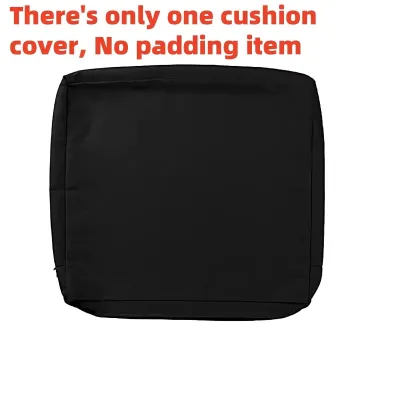
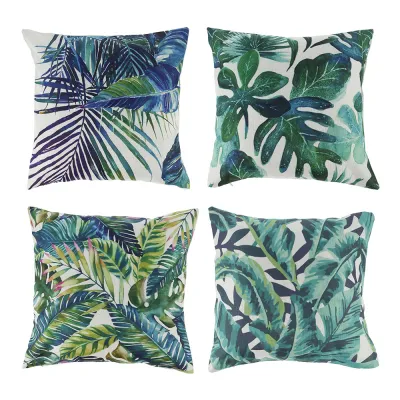
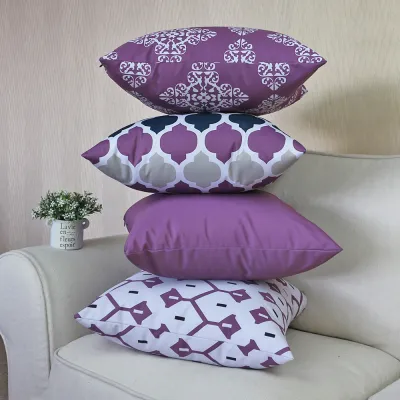
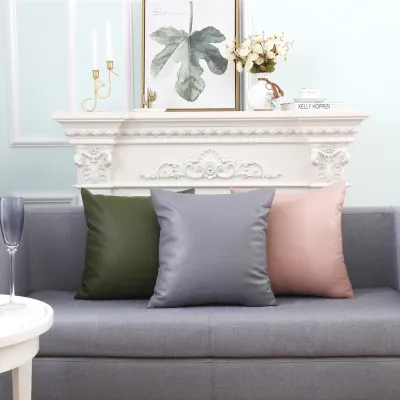
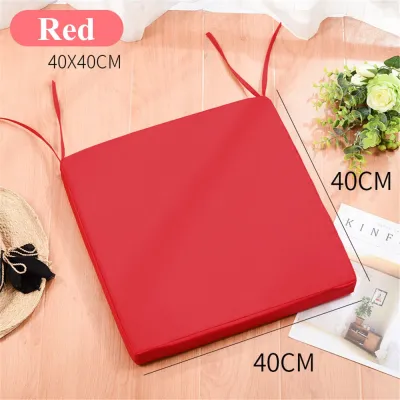
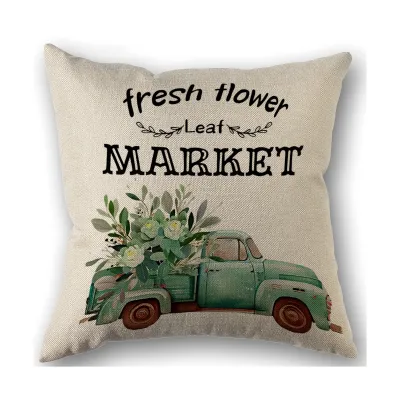
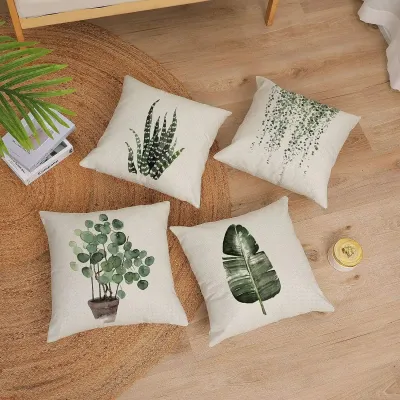
Prices are valid at publication and may change. Please refer to the product page for the latest price.
This constant state of moisture, paired with ambient tropical warmth, creates the perfect breeding ground for mold, mildew, and fungal spores. These organisms feed on organic dust particles trapped in the fabric, resulting in unsightly black spots and persistent, musty odors. Furthermore, the combination of high heat and moisture accelerates the chemical degradation of cheap waterproof backings, causing polyurethane coatings to crack, peel, and turn into a sticky residue that permanently ruins the cushion.
Essential Fabric Properties and Labels to Verify Before Buying
To make an informed purchase, you must look beyond basic marketing claims and understand the specific technical properties listed on product labels.

Water Resistance vs. Breathability
A common mistake is choosing a completely non-porous, waterproof cushion cover. While a plastic-like barrier keeps rain out initially, it also prevents internal moisture and condensation from escaping. In a humid climate, warm air trapped inside the cushion condenses as temperatures drop at night, creating internal dampness that cannot dry out. Instead, seek out water-resistant yet highly breathable fabrics. These materials utilize a tight weave or specialized membrane that sheds liquid water on the surface while allowing water vapor to pass through, keeping the interior dry and fresh.
UV Stability and Colorfastness
When evaluating color retention, the manufacturing method of the fabric is far more important than the shade itself. Standard fabrics are typically piece-dyed or printed, meaning the color is applied only to the surface of the finished yarn or fabric. Under intense equatorial sunlight, these surface dyes break down rapidly. For lasting vibrancy, verify that the cover is made from solution-dyed yarns. In this process, UV-stabilized pigments are mixed directly into the liquid polymer before the synthetic fibers are extruded, ensuring the color runs entirely through the core of every thread.
Mold and Mildew Resistance
Moisture-rich environments demand active defense against fungal growth. Some fabrics rely on topical antimicrobial finishes applied to the surface of the completed cover. While effective initially, these topical treatments gradually wash away during heavy rains or routine cleaning cycles, leaving the fabric vulnerable. A superior alternative is choosing materials with inherent resistance, where the synthetic fibers themselves do not absorb moisture or support fungal growth. Always review the manufacturer’s care sheets and warranty terms to confirm whether the resistance is inherent or relies on coatings that require periodic reapplication.
Comparing Common Outdoor Fabrics for Heat and Humidity
Not all outdoor-rated synthetic fibers perform equally under tropical conditions. Understanding the material composition of your outdoor cushion cover allows you to match the fabric to your specific setup, whether it is a fully exposed pool deck or a sheltered balcony.
Solution-Dyed Acrylic
Solution-dyed acrylic is widely regarded as the gold standard for demanding marine and outdoor environments. Because the acrylic fibers are dyed at the liquid polymer stage, they offer exceptional resistance to UV degradation and fading, maintaining their color even under constant sun exposure. The material is naturally highly breathable, which prevents heat buildup and allows trapped moisture to escape easily.
However, because acrylic is a woven fabric rather than a solid plastic sheet, its water resistance depends heavily on the tightness of the weave and any protective finishes applied by the manufacturer. When shopping, verify the fabric weight and check the care instructions. While it easily repels light showers, a loose weave may allow heavy, driving monsoon rain to penetrate if left completely unsheltered. While these premium covers represent a higher initial price point in S$, their longevity makes them a highly cost-effective choice over time.
Olefin (Polypropylene)
Olefin, chemically known as polypropylene, is an excellent mid-range alternative that excels in wet and humid conditions. The fiber is inherently hydrophobic, meaning it absorbs virtually no moisture from the air or rain. This low absorption rate allows olefin cushion covers to dry incredibly fast after a downpour, significantly reducing the window of time in which mold and mildew can establish themselves.
While olefin is highly resistant to staining and chemical wear, basic polypropylene is naturally sensitive to ultraviolet light. To ensure longevity in Singapore’s sun, you must explicitly verify that the product label specifies “UV-stabilized” or “UV-treated” olefin. Without these stabilizers integrated into the fiber during manufacturing, the material can become brittle, chalky, and prone to disintegrating after a few seasons of direct sunlight.
Polyester and Coated Blends
Polyester is the most common material used for budget-friendly outdoor cushion covers, but it requires careful scrutiny. Standard, untreated polyester lacks the natural UV resistance of acrylic and will fade or weaken within months if exposed to direct sunlight. To compensate, manufacturers often apply heavy chemical coatings, such as polyurethane (PU) or polyvinyl chloride (PVC) backings, to make the fabric waterproof.
While these coated blends are highly effective at blocking water initially, they are poorly suited for long-term tropical use. The intense heat and high humidity cause these synthetic coatings to degrade, crack, and peel away from the polyester backing. Once the coating fails, water enters the cushion but cannot escape, leading to rapid rotting of both the cover and the insert. If choosing polyester, verify that the product features a high-quality UV-inhibitor treatment and check if the warranty explicitly covers coating degradation and peeling. While they are highly affordable in terms of initial S$ outlay, their frequent replacement costs under hot, damp conditions make them less ideal for fully exposed areas.
Why the Cushion Insert Matters Just as Much as the Cover
Even the most advanced outdoor cushion cover cannot protect your outdoor furniture if the interior cushion insert is poorly matched to the environment. The cover and the insert must function together as a unified system to manage water and airflow.
If a cushion cover is highly water-resistant but not entirely waterproof, some water will inevitably seep through the seams, zippers, or the weave during a heavy downpour. If the interior insert is made of standard polyester fiberfill or standard polyurethane foam, it will act like a giant sponge, trapping moisture inside. This trapped water cannot evaporate through the cover quickly enough, resulting in a damp, heavy cushion that breeds mold and bacteria internally, eventually ruining the cover from the inside out.
To prevent this, pair your covers with high-quality, quick-dry inserts made from reticulated or open-cell foam. Unlike standard closed-cell foams, open-cell foam features a porous, net-like structure that allows water to drain straight through the cushion instead of holding onto it. When buying outdoor cushion covers, look for designs that feature built-in drainage mechanisms, such as mesh bottom panels or brass drainage vents. These features allow water that penetrates the seams to exit immediately, facilitating rapid airflow that dries both the insert and the cover in a fraction of the time. Additionally, always verify the precise dimensions of your inserts before purchasing covers; a cover that is too loose will create fabric folds where water can pool and stagnate.
Practical Maintenance to Prevent Mold and Fading
Investing in high-quality outdoor cushion covers is only the first step; establishing a consistent maintenance routine is essential to maximizing their lifespan in a tropical climate.
Routine Cleaning
Mold and mildew do not feed on synthetic fibers like acrylic or olefin directly; instead, they grow on the organic debris that accumulates on the surface. Dust, pollen, fallen leaves, and spilled drinks provide the perfect nutrient source for fungal spores. Regularly brush off loose dirt and organic matter using a soft-bristle brush before it can settle into the fabric weave. For light cleaning, wipe the covers down with a damp cloth and a mild, pH-neutral soap solution, then rinse thoroughly with clean water.
Post-Rain Care
After a heavy rainstorm, do not leave your cushions lying flat on your outdoor furniture. Even water-resistant covers benefit from active drying. Remove the cushions from their frames, unzip the covers slightly if possible to increase airflow, and stand them upright on their edges. This position allows gravity to pull any trapped water down toward the drainage vents or mesh panels, significantly accelerating the drying process and preventing water from pooling on the bottom surface.
Storage Guidelines
During prolonged monsoon seasons or periods when your outdoor space is not in use, store your cushions indoors or in a weatherproof storage box. Before packing them away, ensure they are 100% dry. Sealing even slightly damp cushions inside an airtight storage container traps the ambient humidity, creating a warm greenhouse effect that will guarantee mold growth within days.
Washing Safety
When deep cleaning is required, always defer to the manufacturer’s specific care label. Avoid using harsh household chemicals, undiluted chlorine bleach, or high-temperature washing and drying cycles unless explicitly permitted by the manufacturer. Excessive heat can shrink synthetic fibers and distort zippers, while aggressive chemicals can strip away water-repellent coatings and void your product warranty.
Frequently Asked Questions (FAQ)
Can I use indoor cushion covers outdoors if I apply a waterproof spray?
No, using indoor cushion covers outdoors is not recommended, even with an aftermarket waterproof spray. These sprays only provide temporary water repellency on the surface and do not protect the underlying fibers from intense UV degradation. Indoor fabrics also lack the structural weave tightness and inherent mold resistance required for high-humidity environments, leading to rapid fading, fiber rot, and structural failure.
How do I safely remove mold spots from outdoor cushion covers?
To safely remove mold, first use a dry, soft-bristle brush to gently sweep away loose spores outdoors. Prepare a mild cleaning solution using lukewarm water and a small amount of pH-neutral dish soap. Gently scrub the affected area with a soft cloth or sponge, then rinse thoroughly with clean water to remove all soap residue, which can attract dirt. Always check the manufacturer’s care label before applying any cleaning agents, as harsh chemicals or bleach can strip protective coatings and void the warranty.

Community discussion
Share your experience or ask a question. Comments are reviewed before publication.