
Selecting high-quality agarwood incense—often referred to as gaharu in Southeast Asia—is an art that balances sensory appreciation with careful product verification. True agarwood is one of the most prized aromatic materials in the world, valued for its deep, complex, and meditative scent profile. However, the market is filled with varying grades, regional origins, and synthetic imitations that can make your purchasing decision challenging. To find an authentic product that suits your living space, you must learn to evaluate resin density, identify natural ingredients, and match the incense format to your daily routine.
Understanding Agarwood Grades and Origins
Agarwood is formed when the Aquilaria tree produces a dark, dense resin in response to physical injury or microbial infection. This resin-infused heartwood is what gives agarwood its signature aroma. The concentration of this resin directly determines the grade of the wood. In traditional grading systems, the highest quality is often referred to as “sinking grade” because the resin density is so high that the wood sinks when placed in water. Floating grades contain less resin and are lighter in color, offering a milder, more delicate scent profile that is highly suitable for daily, casual burning.
When browsing products, geographic origin plays a significant role in the baseline scent profile. Indochinese regions, such as Vietnam and Cambodia, are historically celebrated for producing agarwood with sweet, floral, and honey-like top notes. In contrast, maritime Southeast Asian origins, including Indonesia and Malaysia, tend to yield wood with earthier, muskier, and deeper woody undertones. Reputable sellers will clearly state the specific region or province of origin on their labels, allowing you to trace the material and understand the sensory characteristics to expect.
Products mentioned in this guide
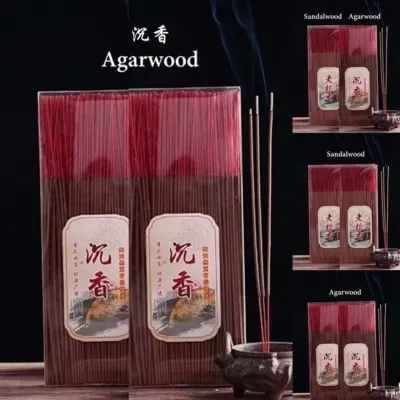
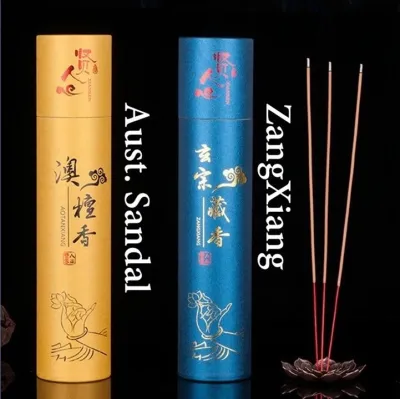
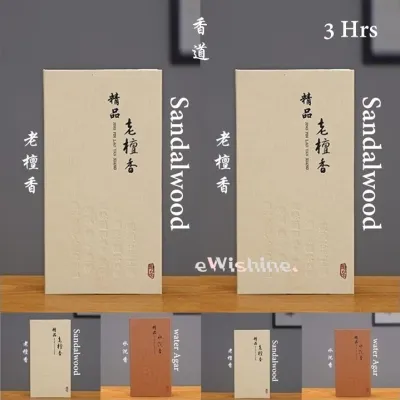
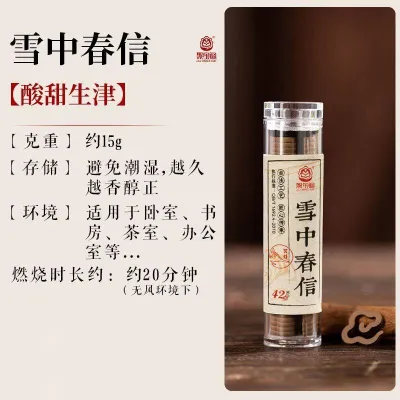
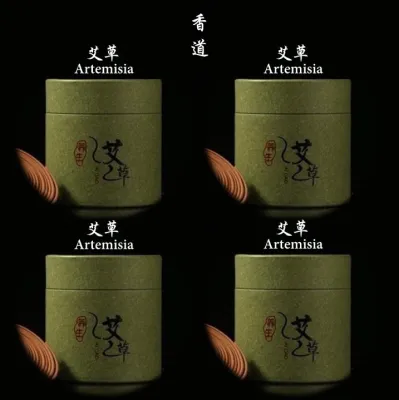
Prices are valid at publication and may change. Please refer to the product page for the latest price.
Another critical factor is the distinction between wild-harvested and plantation-grown agarwood. Wild agarwood is increasingly rare and highly regulated due to conservation efforts, resulting in a highly complex, multi-layered scent that commands a premium. Plantation-grown agarwood, cultivated through controlled inoculation techniques, offers a more sustainable and consistent alternative. While plantation wood may have a slightly less complex aroma than ancient wild trees, it provides an eco-friendly option for regular home fragrance without depleting natural forest resources.
Key Quality Indicators to Evaluate Before Buying
Evaluating agarwood incense requires engaging your senses of sight, touch, and smell to verify its authenticity. A high-quality natural incense stick should release a scent that evolves gradually as it burns. The initial notes might be light and sweet, transitioning into deep, warm, and woody undertones that linger in the room long after the ember has gone out. If the scent is flat, static, or immediately triggers a sharp, headache-inducing sensation, it is highly likely that synthetic fragrance oils have been added to mask low-grade base materials.

Before lighting the incense, perform a visual and tactile inspection of the product. Natural agarwood sticks or coils typically exhibit a muted, earthy brown or tan color, reflecting the natural shade of the ground wood and the organic binder used to hold it together. Look closely for tiny, dark specks or streaks within the compressed powder, which indicate the presence of resin-rich wood particles. Avoid products that have an unnaturally bright, uniform color or a greasy surface texture, as these are common signs of artificial dyes and chemical scent enhancers.
The burning characteristics of the incense provide final confirmation of its quality. When lit, high-quality agarwood produces a thin, pale blue or light grey smoke that rises smoothly in a gentle stream. The ash left behind should be light grey or white, crumbling easily under light pressure. If the smoke appears thick, dark, or soot-heavy, or if the ash is dark black and hard, the product likely contains synthetic binders, chemical combustion agents, or excessive moisture, none of which are desirable for indoor aromatherapy.
Spotting Synthetic vs. Natural Agarwood Incense
The rise of synthetic alternatives makes it essential to scrutinize product labels and ingredient lists before making a purchase. Authentic agarwood incense should contain only two primary ingredients: pure agarwood powder and a natural plant-based binder, such as tabu powder (derived from the bark of the Machilus thunbergii or Litsea glutinosa tree). If the ingredient list includes vague terms like “fragrance,” “perfume,” “essential oils,” or “synthetic musk,” the product is not a pure wood incense. These additives are often used to mimic the scent of agarwood on cheap, odorless wood filler.
One of the most reliable ways to detect synthetic enhancement is the “cold scent” test, which involves smelling the unlit incense stick. Natural, high-grade agarwood is relatively inert at room temperature, emitting only a very subtle, faint woody aroma when cold. The complex, rich scent compounds are only activated and released when heat is applied. If an unlit stick or coil gives off a powerful, sweet, or perfumed aroma right out of the box, it has almost certainly been sprayed with synthetic fragrance oils to deceive buyers.
Price transparency is another practical indicator of authenticity. Because resin-rich agarwood requires years to form, genuine products carry a cost that reflects this slow, natural process. If a seller offers “premium sinking-grade” agarwood incense at an unusually low price, it is a clear red flag. Instead of chasing unrealistic bargains, look for sellers who provide detailed information about their sourcing practices, material processing, and safety disclosures, ensuring you receive a genuine product that is safe to burn in your home.
Matching Incense Formats to Your Space and Routine
Agarwood incense comes in several physical formats, each suited to different room sizes, ventilation setups, and personal routines. Incense sticks, or senko, are the most common format, offering a clean, direct burn with moderate smoke output. They are highly versatile and ideal for standard living rooms or study areas, typically burning for 30 to 50 minutes. For smaller spaces, such as compact apartments or study nooks, look for shorter or thinner sticks that release less smoke while still delivering a refined aromatic experience.
Coils and cones offer different burning dynamics. Incense coils burn slowly over several hours, making them excellent for larger, well-ventilated spaces or dedicated meditation rooms where a continuous, subtle fragrance is desired. Cones, on the other hand, burn quickly and produce a higher volume of smoke, releasing a concentrated burst of aroma in a short period. Because of the dense smoke output, cones are best reserved for larger rooms with active airflow rather than enclosed, air-conditioned spaces.
For the purist, loose agarwood chips or powder offer the most authentic sensory experience, but they require specialized equipment. Burning raw chips involves placing them on a piece of mica foil over a burning charcoal disc, or using an adjustable electric burner. If you choose an electric burner, ensure it is compatible with local electrical standards, verifying the voltage (typically 220-240V in Singapore), wattage limits, and safety certifications to prevent electrical hazards. This indirect heating method allows you to enjoy the pure, unadulterated scent of the resin without any smoke from burning wood or binders.
Pre-Purchase Checklist and Safe Usage Boundaries
To ensure a safe and satisfying experience, follow a systematic verification process before finalizing your purchase. Start by checking the seller’s transparency regarding ingredients, origin, and harvesting methods. Look for retailers who offer sample packs, which allow you to test a small quantity of different grades in your own home before committing to a larger, more expensive box. Additionally, review the seller’s return or exchange policies, as scent preference is highly subjective, and reputable vendors often accommodate customers seeking the right aromatic match.
Safe burning practices are essential for maintaining healthy indoor air quality, especially in modern, tightly sealed homes. Always burn incense in a well-ventilated room, keeping a window or door slightly open to allow fresh air to circulate and prevent smoke accumulation. Place your burner on a stable, heat-resistant surface, well away from drafty areas, curtains, hanging fabrics, or flammable materials. Never leave burning incense unattended, and ensure that the ember is completely extinguished before discarding the ash.
Establish clear safety boundaries and stop burning immediately if you experience any physical discomfort. Symptoms such as watery eyes, throat irritation, coughing, or headaches are clear signs that the room lacks adequate ventilation or that the incense contains irritating synthetic additives. If you are burning loose chips on an electric burner and notice an acrid, burning smell, reduce the temperature setting immediately or turn off the device. Always consult the manufacturer’s instructions for your specific burner to ensure safe operation and compatibility.
Frequently Asked Questions (FAQ)
How should I store agarwood incense to preserve its scent?
To maintain the delicate aromatic properties of agarwood incense, store it in an airtight container, such as a glass jar or a sealed tin. Keep the container in a cool, dry, and dark place, away from direct sunlight, high humidity, and extreme temperature fluctuations. Avoid storing agarwood near other strongly scented items, as the porous wood can easily absorb foreign odors, altering its natural scent profile.
Can I use agarwood incense in a standard decorative burner?
Standard decorative burners are perfectly suitable for incense sticks and cones, provided they feature a secure, non-flammable base to catch falling hot ash. However, loose agarwood chips and powder cannot be burned directly on these surfaces. They require specialized equipment, such as a charcoal burner with an insulating ash bed or an electric burner designed to heat the wood indirectly without igniting it.
Why does my agarwood incense smell different on the second burn?
Scent perception can vary due to several environmental and physiological factors. Olfactory fatigue can temporarily dull your sensitivity to certain scent notes if you burn incense frequently in a short period. Additionally, changes in room humidity, ambient temperature, and airflow can alter how the smoke disperses. For handmade or natural wood products, slight variations in resin distribution within the wood itself can also create subtle differences from one burn to the next.

Community discussion
Share your experience or ask a question. Comments are reviewed before publication.