
Selecting high-quality coil incense requires a careful evaluation of raw materials, physical burning characteristics, and safety features. To find a premium product, prioritize coils made from pure, natural wood powders—such as sandalwood or agarwood—bound with natural plant-based adhesives, rather than cheap sawdust saturated with synthetic fragrance oils. High-quality coils burn consistently, leave behind a clean, light-colored ash, and emit a gentle, layered aroma that enhances your living space without causing respiratory irritation. By understanding the physical and aromatic indicators of quality, you can select incense that offers a clean, safe, and deeply satisfying sensory experience.
Coil incense is highly valued for its extended burn time, making it an excellent choice for sustained home fragrance, meditation, or creating a relaxing ambiance. However, the market is flooded with low-grade alternatives that rely on synthetic chemicals, heavy binders, and artificial colorings. These inferior products not only produce a harsh, unpleasant aroma but can also compromise indoor air quality. Choosing the right coil incense involves looking beyond attractive packaging and focusing on the tangible markers of craftsmanship, purity, and performance.
Understanding Coil Incense Materials and Ingredients
The foundation of any high-quality coil incense lies in its raw ingredients. Premium coils are crafted primarily from finely ground aromatic wood powders, with sandalwood and agarwood being the most highly prized. Sandalwood offers a warm, creamy, and sweet woody aroma, while agarwood provides a deep, complex, and resinous scent profile. These natural woods contain inherent essential oils that release their fragrance gradually as the wood smolders, creating a rich and authentic olfactory experience.
Products mentioned in this guide
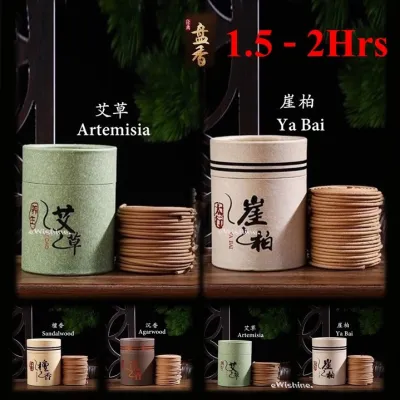
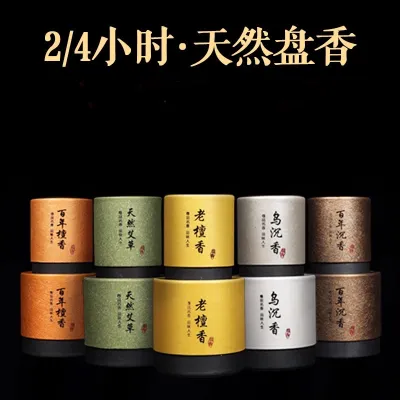
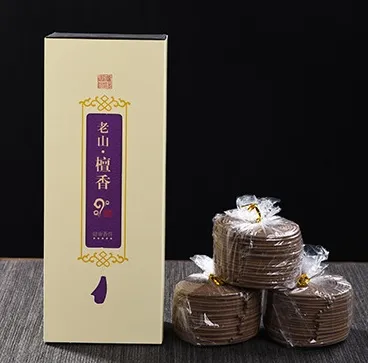
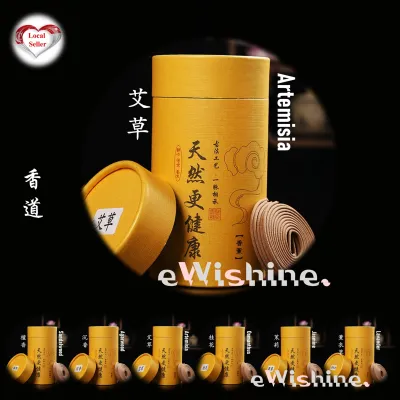
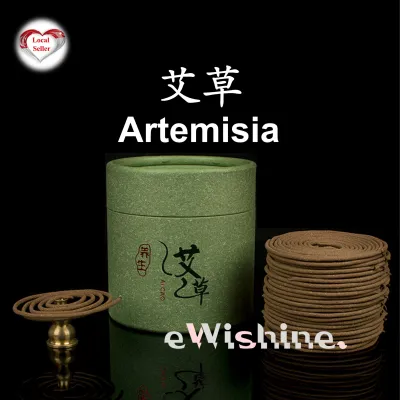
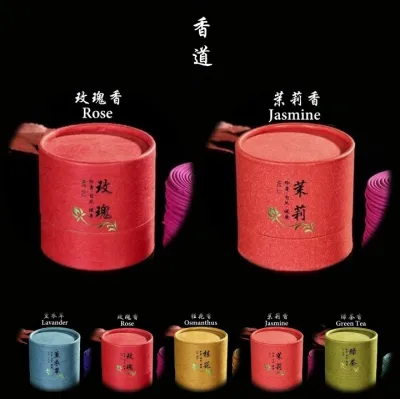
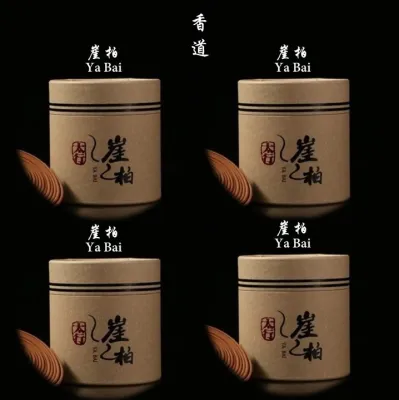
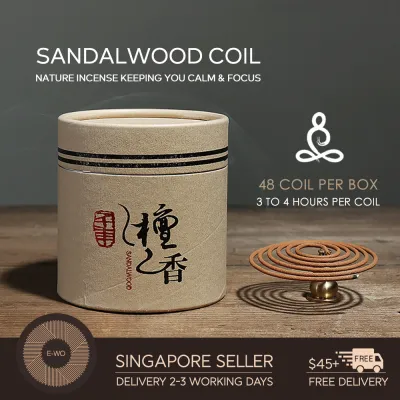
Prices are valid at publication and may change. Please refer to the product page for the latest price.
In contrast, low-quality coil incense often utilizes cheap, odorless wood sawdust, charcoal powder, or even paper pulp as a base. Because these base materials have no natural aroma, manufacturers saturate them with synthetic fragrance oils to mimic natural scents. When burned, these synthetic oils combust harshly, producing a sharp, chemical perfume smell that can quickly become overwhelming. These artificial fragrances lack the depth and complexity of natural woods and are a common cause of headaches, watery eyes, and throat irritation.
To hold the ground wood powder together in its characteristic spiral shape, a binding agent is required. High-quality manufacturers use natural, water-soluble plant binders, most commonly derived from the bark of the Machilus thunbergii tree, often referred to as natural tabu powder. This natural binder is virtually odorless when burned, ensuring that the pure scent of the aromatic wood remains uncompromised. It also provides the necessary flexibility and strength to prevent the coil from sagging or breaking during the drying process and subsequent use.
Inferior coils may employ synthetic chemical binders or combustion accelerators to ensure the incense stays lit and burns quickly. These chemical additives can introduce toxic byproducts into the smoke and cause the coil to burn at an excessively high temperature, scorching the delicate aromatic resins. When evaluating products, check the ingredient list for transparency. Reputable brands will explicitly list natural ingredients, such as natural sandalwood powder and natural plant binder, whereas lower-quality products often use vague terms like “perfume,” “fragrance,” or “proprietary blend” without specifying the wood source or binder material.
Evaluating Burn Time, Ash Quality, and Scent Throw
Understanding how a coil incense performs physically is crucial to assessing its overall quality. One of the primary specifications provided by manufacturers is burn time, which can range from two hours for small coils to over twenty-four hours for large, professional-grade varieties. However, these stated burn times are typically measured under controlled laboratory conditions. In real-world environments, external factors like drafts, air conditioning, and ambient humidity can significantly alter the burn rate.

In humid tropical environments, such as Singapore, high ambient humidity can introduce moisture into the incense coil. This moisture slows down the combustion process, sometimes causing the coil to extinguish repeatedly before it has fully burned. Conversely, placing a burning coil directly in the path of a strong draft from an open window or an air conditioning unit will accelerate the burn rate, shortening the expected burn time and causing the scent to dissipate too quickly. To get the most accurate performance, store your coils in a dry environment and burn them in draft-free spaces.
The characteristics of the ash left behind after burning offer valuable clues about the purity of the incense. High-quality, natural coil incense leaves behind a fine, light grey or off-white ash that retains a slight structural shape before crumbling easily. This clean ash indicates complete combustion of pure wood powders and natural binders. If the remaining ash is dark black, gritty, or leaves an oily residue on the burner surface, it is a strong indicator of synthetic chemical additives, heavy charcoal fillers, or incomplete combustion due to poor-quality materials.
Scent throw is another critical performance indicator, divided into “cold throw” and “hot throw.” Cold throw refers to the aroma of the unlit coil. A premium coil should have a subtle, gentle, and earthy cold throw that hints at the natural wood base. If the unlit coil emits an intense, sharp, or perfume-like scent that fills the room before it is even lit, it is highly likely that synthetic fragrance oils have been added. The hot throw—the aroma released during burning—should be smooth, layered, and non-irritating, gently dispersing throughout the space rather than creating a dense, choking cloud of perfume.
Safety Checks: Smoke Levels, Burner Compatibility, and Indoor Use
While burning coil incense can greatly enhance your indoor environment, safety and air quality must always be prioritized. All incense combustion produces smoke, which carries fine particulate matter into the air. For indoor use, particularly in compact apartments or enclosed rooms, it is wise to look for “low-smoke” or micro-smoke coil varieties. These coils are specially formulated to minimize visible smoke output while still delivering a clear, clean fragrance, making them much more suitable for modern indoor living.
Proper ventilation is essential whenever you burn incense indoors. Never burn a coil in a completely sealed room. Keep a window or door slightly ajar to allow a continuous exchange of fresh air, which prevents smoke and particulate matter from accumulating to uncomfortable levels. Additionally, avoid placing your incense burner directly beneath air conditioning intake vents, ceiling fans, or sensitive smoke detectors, as the concentrated smoke stream can trigger alarms or distribute soot throughout your ventilation system.
Burner compatibility is another vital safety consideration. Because coil incense burns continuously over several hours, it requires a dedicated, heat-resistant burner that can safely contain the heat and collect the falling ash. Ensure your burner is made of high-quality materials such as ceramic, stone, brass, or heavy metal. The burner must be wide enough to accommodate the full diameter of the coil with adequate clearance. If the glowing ember of the coil touches the cold metal or ceramic sides of the burner, the heat will be drawn away, causing the coil to extinguish prematurely.
To ensure safe operation, the coil must be properly suspended. This is typically achieved using a small metal stand, a specialized fireproof felt pad (often made of black, non-flammable fiber), or a bed of clean incense ash. If using a fireproof pad, ensure it is rated for high temperatures and placed flat inside the burner. Always position your incense burner on a stable, level, and heat-resistant surface, far away from flammable materials such as curtains, books, paper, or loose clothing. Never leave a burning coil unattended, and ensure it is completely extinguished before leaving the room or going to sleep.
How to Build Your Shortlist: Reading Labels and Spotting Red Flags
When shopping for coil incense, whether on online marketplaces or in physical specialty stores, having a clear set of criteria will help you filter out low-quality products and build a reliable shortlist. The first major red flag to watch out for is unrealistic pricing. Genuine premium woods, particularly high-grade sandalwood and wild agarwood, are scarce natural resources with high market values. If you encounter a box of coils labeled as “pure wild agarwood” priced at an incredibly low rate, such as S$10 or less, it is almost certainly a synthetic imitation or a highly diluted product.
Another red flag is the physical appearance of the coils. Natural wood powders naturally result in earthy tones, ranging from light tan and warm brown to deep grey or charcoal black. Be highly skeptical of coils that feature bright, artificial colors like vibrant pink, green, blue, or purple. These artificial dyes serve no functional purpose other than visual appeal and will release unnecessary chemical fumes into your home when burned. Stick to natural, earthy-colored coils that reflect the raw materials from which they were made.
When browsing online retailers, look past the overall star rating and dive into the detailed customer reviews. Pay close attention to feedback regarding burn consistency, scent authenticity, and physical durability. Common complaints such as “the coils arrive broken,” “it smells like cheap perfume,” “it gave me a headache,” or “it keeps going out” are clear indicators of poor manufacturing, excessive synthetic oils, or brittle binders. Conversely, positive reviews that highlight a “subtle, woody aroma,” “clean ash,” and “even burn” suggest a high-quality product.
To build your personalized shortlist, match the incense type to your specific intended use. If your primary goal is meditation, yoga, or mindfulness, look for pure, single-origin sandalwood or agarwood coils, which offer grounding, calming, and non-distracting aromas. If you want to create a welcoming ambient fragrance in your living room or dining area, a natural blend that incorporates herbal, floral, or citrus notes alongside a wood base may be more suitable. For neutralizing strong cooking odors in the kitchen, a slightly more robust, clean-burning natural wood coil can help clear the air effectively.
Setting Up Your Coil Incense Burner for Optimal Use
To maximize the performance, scent quality, and safety of your coil incense, proper setup and maintenance of your burner are essential. If you are using a traditional burner that utilizes an ash bed, ensure the bed consists of clean, dry, and finely sifted white incense ash. Gently pat the ash down to create a smooth, level surface. The ash bed acts as an insulator, allowing the coil to burn completely without losing heat to the cold base of the burner, while also providing excellent airflow around the smoldering ember.
If you prefer a modern burner equipped with a fireproof felt pad, lay the black pad completely flat inside the burner bowl. Place the coil gently in the exact center of the pad, ensuring that the outer edges of the coil do not make contact with the ceramic or metal walls of the burner. This contact can damp the heat and extinguish the flame. When lighting the coil, hold the outermost tip over a flame—such as a lighter, match, or candle—until it catches fire. Allow the tip to burn with an open flame for two to three seconds to establish a strong ember, then gently blow or fan the flame out.
Immediately after extinguishing the flame, the initial smoke can be somewhat harsh, thick, and woody as the binder and wood adjust to the smoldering temperature. Allow this first puff of smoke to dissipate for a few seconds before placing the lid on your burner or positioning it in your room. As the coil settles into a steady burn, it will emit a thin, blue, and highly fragrant stream of smoke. Place the burner at least one to two meters away from where you are sitting to allow the aroma to disperse naturally through the air rather than inhaling the concentrated smoke directly.
Routine maintenance of your burner is also necessary to preserve the purity of your incense scents. As coil incense burns, it releases natural wood tars and resins that gradually condense on the inside of the burner lid and walls, forming a sticky, yellowish-brown residue. Over time, this residue can develop a stale, acrid smell that will contaminate the aroma of any new coils you burn. Clean your burner regularly by wiping the interior surfaces with a soft cloth dipped in isopropyl alcohol, which easily dissolves the sticky resin, or wash it with warm water and mild dish soap to keep it fresh and clean.
Frequently Asked Questions (FAQ)
How should I store coil incense to preserve its scent?
To preserve the delicate essential oils and prevent scent degradation, store your coil incense in an airtight container, such as a tin box, a glass jar, or a heavy-duty resealable plastic bag. Keep the container in a cool, dry, and dark place, far away from direct sunlight, heating vents, and areas of high humidity. In tropical climates, excess moisture can make the coils damp and difficult to light; placing a small silica gel packet inside your storage container will help absorb ambient moisture and keep your coils in optimal burning condition.
Can I break a coil incense in half for a shorter burn time?
Yes, you can carefully break a coil incense to customize your burn time, but you must handle it with extreme care. Because high-quality coils are made from natural wood powders and minimal binders, they are structurally fragile and can easily crumble or snap in the wrong places if too much pressure is applied. To shorten a session, gently support the coil with both hands and apply light, even pressure to snap it at your desired length. Alternatively, you can burn a full coil and extinguish it early by using a pair of metal tweezers or scissors to clip off the glowing ember, saving the remaining unburned portion of the coil for your next session.
Community discussion
Share your experience or ask a question. Comments are reviewed before publication.