
Selecting the best quality curtain fairy lights in Singapore requires looking beyond aesthetic appeal to evaluate structural integrity, electrical safety, and environmental durability. While many options on online marketplaces look identical in promotional photos, their actual build quality, wiring materials, and power configurations vary significantly. For a bedroom setup, where lights remain close to fabrics and are used for extended periods, choosing a reliable brand ensures both safety and a consistent, soothing glow.
To find the right set, you must understand the technical specifications that separate durable, high-performing lights from cheap, short-lived alternatives. By focusing on verifiable quality indicators, bedroom-specific functionalities, smart vetting strategies on e-commerce platforms, and safe installation practices, you can create a cozy sanctuary that remains safe and functional for years to come.
Core Quality Indicators for Curtain Fairy Light Brands
Wire Durability and Material
The choice of wire material directly impacts the lifespan, safety, and appearance of your curtain lights. Most decorative lights use either bare, lacquered copper wire or PVC-coated copper wire. Bare copper wire is highly flexible, lightweight, and nearly invisible when hung, making it excellent for minimalist bedroom setups. However, bare copper is more delicate and prone to snapping if bent repeatedly during installation or storage.
Products mentioned in this guide
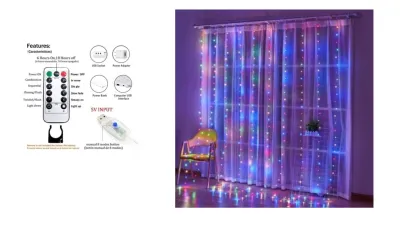
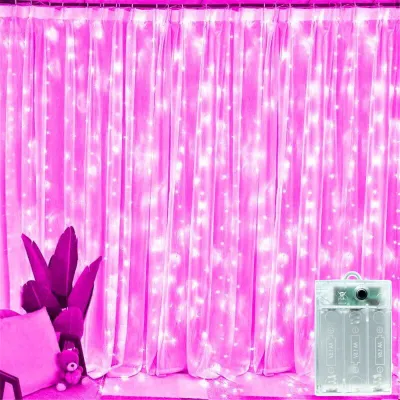
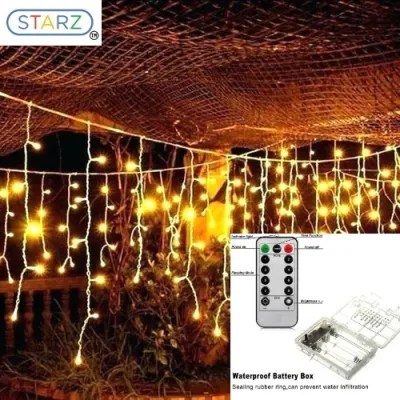
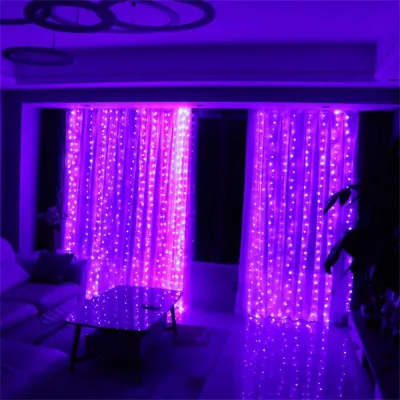
![[SG STOCK]4M LED String Light Fairy Curtain Lights Wedding Festive Christmas Decoration Lighting String Curtain Ceiling Light](https://img.lazcdn.com/g/p/96c2f8dded1d497bae8da3a55b7e37b3.jpg_400x400q80.jpg_.webp)
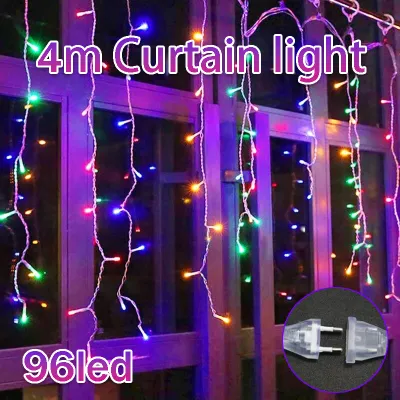
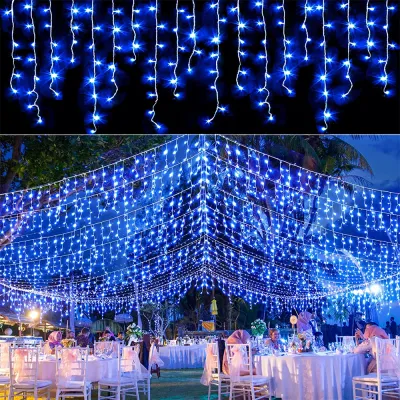
Prices are valid at publication and may change. Please refer to the product page for the latest price.
In Singapore’s tropical climate, where indoor spaces frequently transition between high humidity and dry, air-conditioned air, condensation can form on exposed surfaces. PVC-coated wires provide an extra layer of insulation that protects the copper core from ambient moisture and oxidation. While PVC-coated strings are thicker and more visible, they offer superior resistance to tangling and are significantly more durable over long-term use.
LED Density and Uniformity
The visual appeal of a fairy light curtain depends heavily on LED density and spacing. Cheap, unbranded lights often cut costs by spacing the vertical strands too far apart or placing very few LED beads on each strand, resulting in a sparse, uneven look. A high-quality curtain light set typically features vertical strands spaced no more than 15 to 20 centimeters apart, with LED beads positioned every 10 centimeters along each strand.
When evaluating brands, look for the total LED count relative to the dimensions. For example, a standard 3-meter by 3-meter curtain light set should ideally feature at least 300 LED beads spread across 10 drops. This density ensures a rich, continuous “waterfall” effect that diffuses light beautifully across your bedroom walls or sheer curtains without leaving awkward, dark gaps.
Power Source Reliability
Power delivery is a critical factor for both performance and safety. Curtain fairy lights generally come in three power configurations: battery-operated, USB-powered, or direct 230V plug-in models. Direct plug-in models must use a high-quality step-down transformer adapter to convert the 230V mains voltage down to a safe operating voltage, typically 5V or 31V.
USB-powered models have become the industry standard for bedrooms because they operate on a safe 5V low-voltage system. They can be powered by standard phone chargers, multi-port USB hubs, or portable power banks, offering excellent placement flexibility. If you select a direct plug-in model, ensure the plug adapter is structurally robust, fits securely into Singaporean Type G wall outlets, and does not run hot during extended operation.
Safety and Compliance Marks
Electrical safety should never be compromised for decorative lighting. Reputable brands clearly display international safety certifications on their packaging or product documentation. Look for marks such as CE (Conformité Européenne) and RoHS (Restriction of Hazardous Substances), which indicate the product meets rigorous safety, health, and environmental protection standards.
For plug-in models sold in Singapore that connect directly to 230V mains power, check if the power adapter carries the Enterprise Singapore Safety Mark. This certification proves the adapter has been independently tested and approved for safe use in local households. Avoid purchasing unbranded, direct-mains plug-in lights that lack these safety markings, as they pose a higher risk of short-circuiting or overheating.
Bedroom-Specific Features: Aesthetics and Functionality
Color Temperature Selection
The color temperature of your curtain lights sets the mood of your bedroom and can influence your sleep quality. Color temperature is measured in Kelvin (K). For a bedroom, warm white lights ranging from 2700K to 3000K are highly recommended. This range emits a soft, golden glow that mimics candlelight, promoting relaxation and the natural production of melatonin before sleep.

Cool white lights (5000K and above) emit a bright, blue-toned light that mimics daylight, which can disrupt your circadian rhythm and make it harder to wind down. If you prefer versatility, some premium brands offer color-changing RGB options. If choosing RGB, ensure the brand provides high-quality color blending so that the transitions are smooth and the warm white setting still looks natural rather than harsh or synthetic.
Dimming and Lighting Modes
Because bedroom lighting needs change throughout the evening, adjustable brightness is an essential feature. High-quality curtain lights feature dimming capabilities, allowing you to lower the brightness to 10% or 20% for use as a gentle nightlight, or raise it to 100% when you need ambient room illumination. Look for controllers that offer a steady-on mode as the default setting.
Many cheap fairy lights default to aggressive flashing, strobing, or chasing modes every time they are turned on, which can be highly disruptive in a sleeping environment. Reliable brands use control boxes with a memory function. This ensures that when you switch the lights on, they automatically return to your last selected setting—such as a steady, dimmed glow—rather than forcing you to cycle through chaotic flashing patterns every night.
Dimensions and Drop Length
To achieve a polished look, you must match the dimensions of the curtain lights to your bedroom layout. Standard HDB flat ceilings in Singapore typically measure between 2.6 and 2.8 meters in height, while newer condominium units may range from 2.9 to 3.2 meters. Standard window widths vary widely depending on whether you have a master bedroom window or a smaller common bedroom window.
Before purchasing, measure the height of your window frame or curtain rod to the floor. A common mistake is buying a 3-meter drop for a standard 1.5-meter window, which leaves half the light strings bunched on the floor, creating a tripping hazard and subjecting the wires to physical damage. Opt for a 2-meter drop for standard windows, or a 3-meter drop only if you are hanging the lights from a high ceiling or behind a full-height sheer curtain.
Timer and Smart Functions
Integrating your curtain lights into your daily routine is much easier with automation features. Many mid-range and premium brands include a built-in timer function, typically operating on a 6-hour on and 18-hour off cycle. Once activated, the lights will automatically turn on at the same time every evening and switch off before you fall deep asleep, conserving energy and extending the lifespan of the LEDs.
For smart home enthusiasts, USB-powered curtain lights can be plugged into a smart plug compatible with Google Home, Apple HomeKit, or Amazon Alexa. This allows you to integrate the lights into custom bedtime scenes, control them via voice commands, or set precise schedules through your smartphone. Some advanced brands even feature native Wi-Fi or Bluetooth connectivity, allowing you to adjust brightness and color temperatures directly through a dedicated mobile app.
Vetting Brands and Sellers on E-Commerce Platforms
Analyzing Product Listings
When shopping on online marketplaces, look past stylized lifestyle photos, which are often heavily edited or computer-generated. Instead, focus on the technical specification sheets provided in the product description. A reputable seller will clearly list the exact wire gauge, the number of LED beads, the input and output voltage, the waterproof rating (such as IP44 for indoor/outdoor versatility), and the physical dimensions of the lead wire.
Pay close attention to the length of the lead wire—the portion of the cord between the USB plug or power adapter and the first strand of lights. Cheap models often feature very short lead wires (under 1 meter), forcing you to use unsightly extension cords to reach the nearest wall outlet. High-quality brands generally provide a generous lead wire of 3 meters or more, allowing for clean, hidden cable routing.
Evaluating User Feedback
User reviews are a goldmine of information regarding real-world durability and ease of use. When browsing reviews, filter for those that include photos and videos uploaded by local buyers in Singapore. This allows you to verify the actual color temperature of the lights, as “warm white” can sometimes look yellow or green in lower-quality products.
Look specifically for feedback regarding how the lights behave after several weeks or months of use. Common complaints to watch out for include strands that stop working suddenly, USB connectors that become loose or hot to the touch, and lights that arrive tangled in a hopeless knot. If multiple reviews mention that the wires are incredibly thin and snap easily during installation, it is best to look for another brand.
Seller Credibility Checks
To ensure you receive an authentic product and reliable customer service, buy from official flagship stores or authorized local distributors rather than generic cross-border resellers. Official stores are typically designated with a special mall or preferred seller badge on major e-commerce platforms. These sellers are held to higher standards of product authenticity and shipping speed.
Buying from a local Singapore-based seller also means your item is likely stored in a local warehouse, reducing transit times and the risk of damage during long-distance shipping. Furthermore, local sellers are much easier to contact if you receive a defective unit or need assistance with setup, as they operate within the same timezone and are subject to local consumer protection laws.
Warranty and Return Policies
A clear warranty policy is one of the strongest indicators of a brand’s confidence in its product quality. Cheap, generic fairy lights often come with no warranty at all, or only a basic 7-day return policy offered by the e-commerce platform. If the lights fail on day eight, you have no recourse.
In contrast, reputable lighting brands and dedicated home decor sellers frequently offer a 1-month, 3-month, or even 12-month local warranty. Read the fine print to understand what the warranty covers—typically electrical defects, dead LED nodes, or faulty control boxes. Having a local return address makes the exchange process straightforward and hassle-free, saving you from paying expensive international return shipping fees.
Safe Installation and Maintenance for Bedroom Windows
Mounting Methods
Before installing your curtain lights, always check the manufacturer instructions for both the lights and your window fixtures to prevent damage. To hang curtain lights cleanly without drilling holes, use damage-free adhesive hooks designed for lightweight cords. Space the hooks evenly along your window frame or wall, allowing the adhesive to cure fully according to the package instructions before hanging the lights.
If you already have a double curtain rod or a track system, you can hang the lights behind your sheer curtains using plastic S-hooks or curtain ring clips. This creates a beautifully diffused, soft glow as the light filters through the fabric. Avoid using metal staples, nails, or tight zip ties to secure the cords, as these can easily pinch, cut, or wear through the protective wire insulation, creating a short-circuit hazard.
Heat and Fabric Management
Modern LED lights are highly efficient and emit very little heat compared to traditional incandescent bulbs, making them much safer for indoor use. However, they can still experience minor heat buildup when left on for many hours, especially if the control box or power adapter is covered. Ensure there is adequate ventilation around the power supply and the control box.
Keep a safe clearance between the LED beads and highly flammable sheer fabrics or synthetic drapes. Check the care labels on your curtains to ensure they are not made of extremely heat-sensitive materials. While the risk of fire is very low with low-voltage 5V USB lights, maintaining a small gap between the lights and the fabric ensures proper heat dissipation and peace of mind.
Cable Routing and Protection
Proper cable management is essential to protect the delicate wires from physical wear and tear. Route the main power cable away from sliding window tracks, door frames, and cabinet hinges. Repeatedly opening and closing HDB sliding windows can easily pinch, fray, or completely sever the wires if they are caught in the mechanism.
Use small, adhesive cable clips to secure the lead wire neatly along the baseboard or window frame down to the power outlet. This prevents the cable from dangling loosely, which not only looks untidy but also poses a tripping hazard for children or pets. Keeping the cables taut and secure prevents accidental pulling that could damage the internal connections of the light strands.
Routine Inspection and Storage
To extend the life of your curtain fairy lights, establish a simple routine maintenance check. Every few months, visually inspect the wires for any signs of cracking, exposed copper, or discoloration due to heat. Check the USB connector or power adapter to ensure it fits snugly and does not feel unusually hot during use. If you notice flickering, individual strands failing, or damaged insulation, discontinue use immediately and consult the manufacturer or replace the unit.
When taking down your lights for cleaning or room rearrangement, avoid bunching them into a ball. Instead, unplug the unit and wrap each vertical strand individually around a piece of cardboard or a plastic bobbin, securing the ends with a twist tie. Using a systematic wrapping method prevents severe tangling and minimizes wire fatigue, ensuring the lights remain fully functional the next time you hang them.
Frequently Asked Questions (FAQ)
Can I leave curtain fairy lights on all night?
Yes, you can leave modern LED curtain fairy lights on overnight, provided they are low-voltage (such as 5V USB-powered models) and sourced from a reputable brand with recognized safety certifications like CE or RoHS. LEDs emit minimal heat, making them significantly safer than older incandescent bulbs. However, leaving any electrical appliance running unattended indefinitely carries a minor risk.
To maximize safety and extend the lifespan of the LEDs, it is highly recommended to use a built-in timer function or a smart plug to automatically turn the lights off after you fall asleep. Always ensure the power adapter and control box are placed in a well-ventilated area, free from contact with bedding, pillows, or heavy drapes that could trap heat.
Are battery-operated or plug-in curtain lights better for bedrooms?
For a bedroom setup, plug-in or USB-powered curtain lights are generally superior to battery-operated models. Curtain lights feature a high number of LED beads, which draw a continuous amount of power. Battery-operated models will deplete standard AA or AAA batteries quickly, often within a few days of regular use, leading to high replacement costs and environmental waste. Additionally, as the batteries drain, the light output will steadily dim.
Plug-in and USB-powered models provide consistent, bright illumination without the hassle of battery changes. They are ideal for permanent installations near power outlets. Battery-operated models should be reserved for temporary decorative setups, areas far from wall outlets, or cozy reading nooks where the lights are only used occasionally for short periods.
Community discussion
Share your experience or ask a question. Comments are reviewed before publication.