
To choose high-quality incense sticks, you must look beyond attractive packaging and focus on three core indicators: the purity of the raw materials, the subtlety of the scent profile, and the physical characteristics of the stick itself. Genuine quality incense relies on natural aromatic woods, resins, and plant-based binders rather than synthetic fragrance oils and chemical glues. By evaluating how the stick looks, how it smells before and during burning, and how the ash behaves, you can select incense that enhances your living space while supporting respiratory comfort.
What Defines High-Quality Incense Sticks?
High-quality incense is defined by a harmonious balance of natural ingredients, traditional craftsmanship, and olfactory purity. Historically, incense crafting was an artisanal practice utilizing ground botanical elements, such as sandalwood, agarwood, star anise, and various plant resins. These ingredients are blended with water and a natural binder to form a paste, which is then shaped and dried. The resulting scent is complex, evolving as the stick burns, and is designed to complement an indoor environment rather than overwhelm it.
In contrast, mass-produced synthetic alternatives often rely on charcoal or cheap wood sawdust pre-formed into sticks, which are then dipped into synthetic fragrance oils and chemical solvents. While these synthetic sticks are inexpensive to manufacture and possess a very strong, immediate scent, they often produce a harsh, one-dimensional aroma when burned. The combustion of synthetic binders and artificial perfumes can release irritating compounds into the air, leading to headaches or respiratory discomfort.
Products mentioned in this guide
![[NIPPON KODO] KAYURAGI - Aloeswood [40 sticks with Incense Holder] - High Quality Natural Japanese Incense Sticks](https://img.lazcdn.com/g/p/262003e830d2c38e966e5e6792935f6b.jpg_400x400q80.jpg_.webp)
![【Next Day】Premium Natural Wood & Herb Aroma Incense Artemisia Argyi (艾草) Sandalwood (檀香) Agarwood (沉香) Incense Stick. [FREE] Ebony Wood Incense Holder for Ordering or Mix 2 Boxes. Natural Ingredients No Artificial Additives No Combustion Chemicals.](https://img.lazcdn.com/g/p/0d4fff99396fc37fcd0042826052158c.jpg_400x400q80.jpg_.webp)
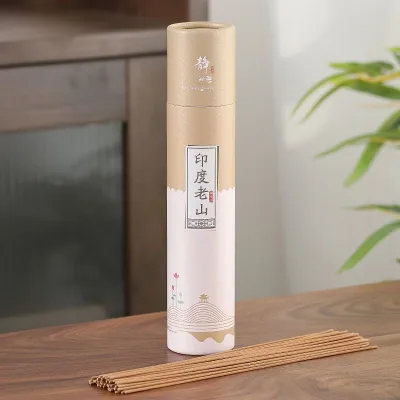
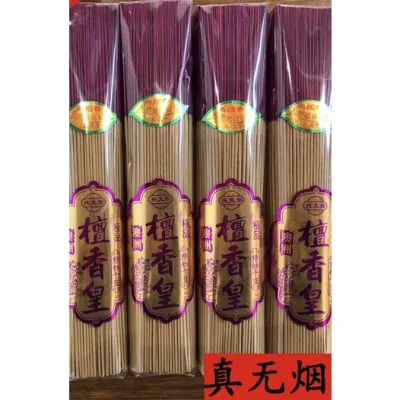
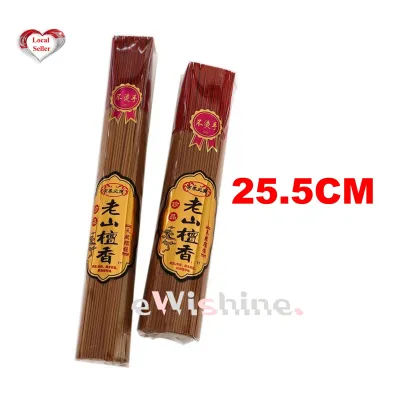
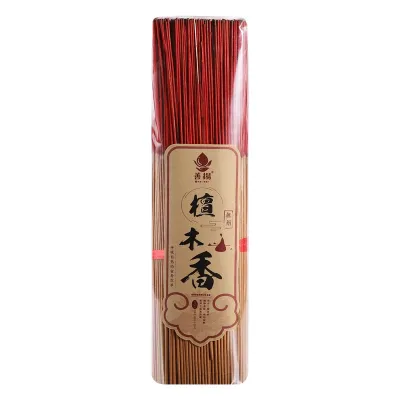
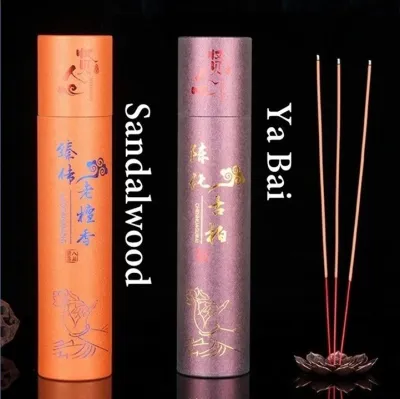
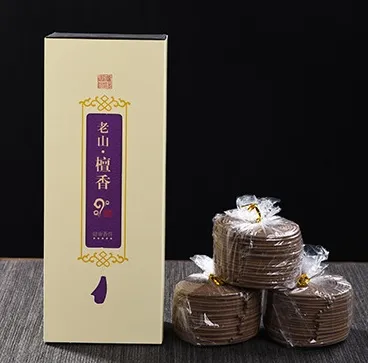
Prices are valid at publication and may change. Please refer to the product page for the latest price.
For a beginner, prioritizing ingredient purity and respiratory comfort over elaborate, decorative packaging is essential. High-quality incense rarely needs to boast about its strength through loud, artificial perfumes. Instead, it offers a clean, grounding experience that respects the air quality of your home. Understanding this distinction is the first step toward curating a safe and enjoyable home fragrance collection.
How to Evaluate Base Materials and Binders
The structural foundation of an incense stick determines how evenly it burns and how the base materials interact with the aromatic ingredients. Beginners will generally encounter two primary core structures: bamboo-cored sticks and solid, coreless extruded sticks.

- Bamboo-Cored Sticks: These feature a thin bamboo sliver at the center, wrapped in the incense paste. They are physically robust, easy to handle, and fit into standard upright holders. However, as the stick burns, the inner bamboo core combusts alongside the aromatic paste, which can introduce a distinct woody or smoky undertone to the overall fragrance profile.
- Solid Extruded Sticks: Often associated with Japanese (senko) or Tibetan traditions, these sticks are made entirely of compressed incense paste without any central core. Because there is no wood or bamboo core to burn, the scent remains exceptionally pure and consistent from start to finish. However, they are more fragile and require specific holders that can grip the solid base without crushing it.
The binder used to hold the aromatic powder together is another critical quality marker. Traditional makers use natural, water-soluble plant mucilage, such as powder from the bark of the Machilus thunbergii tree (commonly known as makko or tabu-no-ki). This natural binder has virtually no scent of its own, allowing the primary aromatics to shine. Cheap alternatives often utilize synthetic chemical adhesives or petroleum-derived binders to speed up production. These chemical binders can emit a sharp, acrid smell when heated.
To identify low-quality binders and artificial additives before lighting the stick, perform a quick visual and tactile inspection:
- Surface Texture: Natural sticks typically have a matte, slightly textured, or earthy finish. An unnatural, highly glossy surface or a greasy residue often points to heavy synthetic oil dipping or chemical coatings.
- Color and Dyes: While some traditional incense uses natural plant dyes, extremely vibrant, neon, or uniform artificial colors are common indicators of synthetic processing.
- Powder Shedding: Gently run your fingers along the stick. A high-quality stick should feel firm and cohesive. If the stick sheds excessive loose powder or crumbles easily under light pressure, the binder formulation may be unstable or poorly processed.
How to Assess Scent Profiles and Fragrance Sources
Evaluating the fragrance of incense requires understanding the difference between natural botanical sources and synthetic fragrance oils. Natural incense relies on raw materials like ground sandalwood, agarwood, frankincense, myrrh, and dried herbs. These materials contain complex volatile oils that release their scent slowly when heated. Synthetic incense, on the other hand, uses industrial fragrance compounds designed to mimic natural scents, which often lack the depth and therapeutic qualities of the real plants.
A reliable way to assess quality is to compare the unlit scent of the stick with its aroma while burning. High-quality natural incense is surprisingly subtle when cold. If you open a box of natural sandalwood sticks, you will notice a soft, woody, and slightly sweet aroma that does not dominate the room. If an unlit box of incense fills an entire cabinet with an intense, perfume-like scent before you even strike a match, it is highly likely the product has been heavily dipped in synthetic fragrance oils.
When you light the incense, observe the transition of the scent profile and the behavior of the smoke:
- The Initial Burn: The first few seconds after extinguishing the flame will produce a brief burst of smoke. As the ember stabilizes, a natural stick will release a clean, evolving fragrance with distinct top, middle, and base notes.
- Scent Throw: Natural aromatics have a gentle throw, meaning the scent disperses softly throughout the space and lingers in the air for hours after the stick has finished burning.
- Smoke Density and Quality: The smoke from a high-quality stick should be thin, light grey or white, and rise in a steady, elegant stream. Heavy, thick, dark grey smoke that smells immediately acrid or causes your eyes to water is a clear warning sign of synthetic additives, chemical solvents, or excessive charcoal fillers.
How to Inspect Craftsmanship and Physical Traits
Excellent craftsmanship is reflected in the physical consistency and burning behavior of the incense. When inspecting a batch of incense sticks, look for uniformity in thickness and straightness. Hand-rolled or high-end extruded sticks may have slight organic variations, but they should not be warped, bent, or unevenly thick, as this causes an inconsistent burn rate and can lead to the stick extinguishing prematurely.
The behavior of the ash during and after the burn provides valuable clues about the ingredients used:
- Ash Color: High-quality natural incense typically leaves behind a light grey, off-white, or soft beige ash. Dark grey, charcoal-black, or patchy ash often indicates incomplete combustion or the presence of heavy chemical binders and synthetic combustion agents.
- Ash Structure: Natural ash is fragile and falls away easily into the burner. If the ash curls significantly, remains hard and intact for a long time, or forms stiff, unnatural shapes, this suggests the use of synthetic strengthening agents or chemical glues designed to keep the stick rigid.
Packaging transparency is another hallmark of reputable manufacturers. Look for brands that list their primary ingredients clearly on the box—such as specifying natural sandalwood or natural makko binder—rather than relying on vague marketing terms like premium forest blend or sensual musk. While beautiful, traditional-looking boxes can be appealing, they do not guarantee quality. A simple, minimalist box with a detailed ingredient list and information about the manufacturer’s origin is far more trustworthy than an ornate package lacking ingredient disclosure.
Step-by-Step Selection Process for Beginners
Navigating the incense market can be overwhelming for a beginner. Following a structured selection process will help you find a product that matches your preferences and living environment.
Step 1: Determine Your Primary Use Case
Before purchasing, clarify what you want to achieve with the incense. This helps narrow down the appropriate scent families and smoke volumes:
- Meditation and Mindfulness: Opt for grounding, low-smoke solid wood sticks like sandalwood or agarwood, which promote focus and calm without distracting smoke.
- Daily Ambiance: Soft floral or herbal blends, such as lavender, white sage, or green tea incense, work well to create a relaxing background atmosphere in living areas.
- Odor Elimination: If you want to clear cooking odors or refresh a room, slightly more robust resin-based sticks like frankincense or copal can help neutralize air impurities, provided the space is well-ventilated.
Step 2: Read and Verify Ingredient Labels
Examine the product packaging or online product descriptions carefully. Avoid products that list vague ingredients like fragrance, perfume, dip, or proprietary aroma blend without any mention of natural botanical sources. Look for explicit mentions of raw materials, natural binders, and essential oils. If a brand cannot or will not disclose what goes into their sticks, it is safer to assume they rely on synthetic shortcuts.
Step 3: Start with Sampler Packs
Rather than committing to a large box of a single scent, look for sampler assortments. Many reputable incense houses offer small trial packs containing three to five sticks of different varieties for a modest price, often around S$10 to S$20. This allows you to test the burn quality, evaluate how the scent interacts with your home’s natural airflow, and check your personal physical tolerance to the smoke before investing in bulk quantities.
Step 4: Verify Burner and Space Compatibility
Ensure your chosen incense matches your physical setup. Measure the length of the sticks you plan to buy and compare them to your incense holder. A standard holder must be long enough to catch all falling ash to prevent damage to your furniture. If you choose solid, coreless sticks, verify that your burner has a suitable clip, a dedicated multi-sized brass holder, or a bed of natural ash or stone chips to hold the stick securely upright.
How to Store and Burn Incense Safely
To enjoy your incense safely and preserve its aromatic qualities over time, proper usage and storage practices are essential. Because incense involves open combustion, safety must always be your top priority.
Safe Burning Practices
Always place your incense burner on a flat, stable, heat-resistant surface, well away from drafts, open windows, air conditioning vents, and flammable materials like curtains, books, or paper. Never leave a burning incense stick unattended. Ensure that the room has adequate ventilation; keep an interior door or window slightly open to allow fresh air to circulate, preventing smoke and carbon monoxide from accumulating in enclosed spaces. This is particularly important in compact apartments or air-conditioned rooms where air exchange is limited.
Proper Storage Conditions
Natural incense is sensitive to environmental factors. In warm, humid climates like Singapore’s, high humidity can cause natural sticks to absorb moisture, making them difficult to light, prone to molding, or causing them to burn unevenly. Store your incense in airtight containers, such as glass tubes, metal tins, or sealed plastic sleeves. Keep these containers in a cool, dry place away from direct sunlight, which can degrade the delicate volatile oils and fade the natural scent profiles.
Clear Stop Conditions
Pay close attention to how your body reacts to the burning incense. You should immediately extinguish the stick if you experience any of the following symptoms:
- A sharp, acrid sensation in your throat or nose.
- Watering, itching, or redness in your eyes.
- Sudden coughing, wheezing, or shortness of breath.
- A lingering headache or dizziness during or after the burn.
If any of these occur, extinguish the ember in water or sand, ventilate the room thoroughly, and discontinue using that specific product.
Frequently Asked Questions (FAQ)
How can I tell if incense sticks are made with natural ingredients?
You can identify natural incense sticks by checking for a subtle, non-overpowering scent when unlit, a matte and slightly textured surface, and a light grey or off-white ash that crumbles easily when burned. Additionally, reputable manufacturers of natural incense will display transparent ingredient lists on their packaging, detailing specific botanical woods, resins, and natural binders like makko powder, rather than using vague terms like perfume or fragrance.
Do thicker incense sticks produce better quality smoke?
No, the thickness of an incense stick does not determine the quality or purity of the ingredients. Thickness primarily influences the burn time and the volume of smoke produced, with thicker sticks generally burning longer and releasing a denser smoke stream. It is important to match the stick thickness and smoke output to your room size; smaller, enclosed spaces benefit from thin, low-smoke sticks, while larger, open areas can accommodate thicker varieties without overwhelming the air quality.
Is it safe to burn incense sticks every day?
Burning incense daily can be safe provided you use high-quality, natural sticks and maintain excellent room ventilation. You should ensure a continuous flow of fresh air by keeping a window or door cracked open to prevent smoke buildup. To protect your respiratory health, limit burning to one stick at a time, avoid inhaling the smoke directly, and immediately extinguish the stick if you experience any eye irritation, coughing, or discomfort.

Community discussion
Share your experience or ask a question. Comments are reviewed before publication.