
Selecting the right sage incense for energy cleansing requires a careful balance of botanical authenticity, ingredient transparency, and safety. While many products on the market claim to offer the purifying benefits of natural sage, many are formulated with synthetic fragrance oils, artificial binders, and chemical combustion accelerants that can compromise indoor air quality. To find a high-quality brand, you must look beyond marketing claims and evaluate the physical characteristics of the incense, the transparency of the manufacturer’s sourcing practices, and the suitability of the format for your specific living space. By focusing on verifiable quality indicators, you can ensure your cleansing rituals are both aromatically pleasant and physically safe.
Identifying Authentic Sage Incense Ingredients
To understand what makes a high-quality sage incense, you must first look at the raw materials used in its production. Authentic sage incense relies on genuine botanical elements, primarily white sage (Salvia apiana) or desert sage (Artemisia tridentata), which are ground into a fine powder and combined with natural binders. In contrast, lower-grade alternatives often use a base of generic wood powder or charcoal that is subsequently dipped in synthetic fragrance oils designed to mimic the scent of sage. These synthetic fragrances lack the complex chemical profile of the actual plant and can release volatile organic compounds into your home when burned.
When reading product labels, look for explicit declarations of natural ingredients. High-quality brands will list the specific botanical names of the herbs used rather than generic terms like “fragrance,” “perfume,” or “aroma.” A transparent ingredient list should ideally feature only ground sage leaves, natural plant gums (such as makko powder derived from the Machilus thunbergii tree, or gum tragacanth) as binders, and sometimes a natural wood base like sandalwood or bamboo. If a label contains vague terminology or fails to list ingredients entirely, it is highly likely that synthetic additives are present.
Products mentioned in this guide
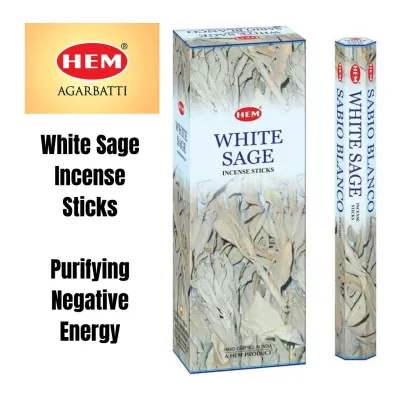
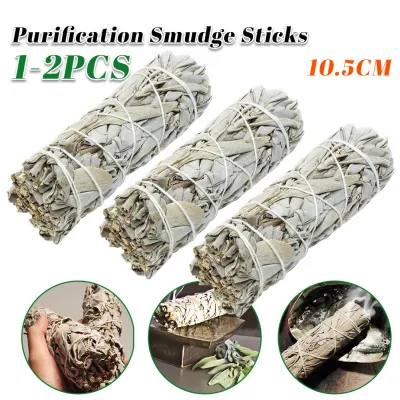
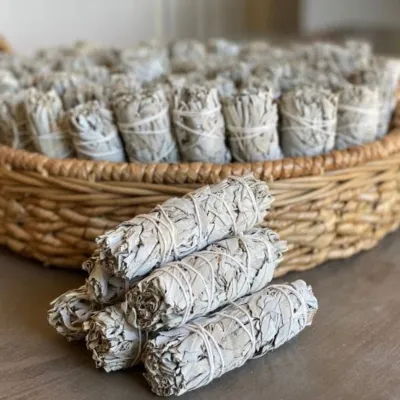
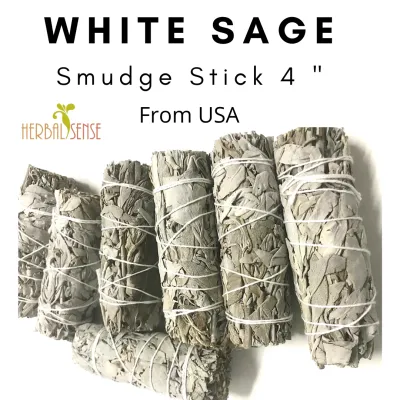
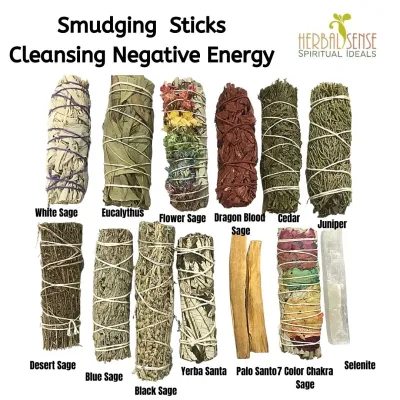
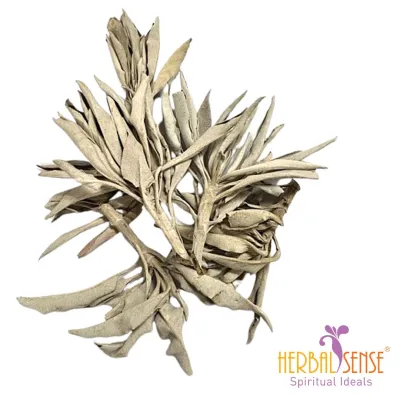
Prices are valid at publication and may change. Please refer to the product page for the latest price.
Chemical accelerants are another common additive in mass-produced incense. Manufacturers often use substances like potassium nitrate or sulfur to ensure the incense burns continuously without self-extinguishing. While these chemicals make the product easier to use, they alter the natural scent profile and introduce unnecessary chemical byproducts into the smoke. You can often detect the presence of these accelerants by a harsh, chemical undertone in the smoke or an unnaturally rapid, highly consistent burn rate. Choosing brands that commit to chemical-free formulation ensures a cleaner, more authentic aromatic experience.
Finally, the reputation of a sage incense brand is deeply tied to its sourcing and harvesting ethics. White sage is a wild-harvested plant native to the southwestern United States and northwestern Mexico, and its popularity has led to significant overharvesting in its natural habitat. Ethical brands will actively disclose how they source their sage, often partnering with certified organic farms or indigenous-owned enterprises that practice sustainable wildcrafting. By verifying that a brand supports sustainable agriculture and respects traditional harvesting rights, you contribute to the preservation of these botanical resources while securing a product of superior energetic and physical quality.
How to Evaluate Brand Transparency and Quality
Evaluating a brand’s transparency requires looking beyond the front of the packaging to examine the manufacturer’s overall business practices. Reputable brands willingly share detailed information about their manufacturing processes, the origin of their raw materials, and the safety testing of their products. Many high-quality manufacturers provide Safety Data Sheets or third-party laboratory test results upon request, which confirm that their incense is free from heavy metals, pesticides, and harmful chemical residues. If a brand hides behind proprietary formulas or refuses to answer basic questions about where and how their incense is made, it is best to look elsewhere.

You can also assess the quality of sage incense through direct observation of its physical properties during use. The smoke output of high-quality, natural incense is typically light, thin, and white or light grey in color. If the smoke appears thick, dark, or soot-heavy, this is a strong indicator of synthetic oils, heavy chemical binders, or excessive moisture in the product. Furthermore, natural sage incense should leave behind a fine, light-colored ash that crumbles easily. Dark, dense, or oily ash residue often points to the presence of synthetic fragrance oils that did not combust completely.
Burn time and consistency are additional indicators of craftsmanship. A well-made sage incense stick or cone should burn at a steady, moderate pace, allowing the natural herbal aroma to diffuse gradually throughout the room. If a stick burns down in a matter of minutes, it likely contains chemical accelerants; conversely, if it repeatedly goes out, the mixture may have an improper balance of binder to herb, or the raw materials may not have been dried sufficiently. While minor variations can occur in handmade products, consistent performance across multiple batches is a hallmark of a dedicated, quality-focused brand.
To verify ethical sourcing claims, look for specific certifications on the packaging or the brand’s official website. Certifications from recognized organic bodies, fair trade organizations, or wildlife preservation groups provide independent verification of a brand’s claims. Be cautious of self-made logos or vague statements like “sustainably sourced” that lack third-party backing. A truly transparent brand will explain exactly what their certifications mean and provide clear documentation of their supply chain, giving you confidence in both the environmental and physical safety of the product.
Choosing the Right Incense Format for Your Space
Sage incense is available in several physical formats, each suited to different room sizes, ventilation setups, and personal preferences. Traditional incense sticks are the most common and user-friendly format. They typically consist of an incense paste extruded onto a bamboo core or formed as solid, coreless sticks. Sticks offer a highly controlled, steady burn with a moderate smoke output, making them ideal for standard-sized living rooms or bedrooms. Coreless sticks, often associated with Japanese-style manufacturing, provide a purer scent profile as there is no wooden core burning alongside the sage mixture.
Incense cones, on the other hand, deliver a more concentrated and intense burst of fragrance and smoke. Because of their conical shape, the burning surface area increases as the cone burns down, resulting in a rapid release of aroma. This format is highly effective for larger, open-plan spaces or for quick cleansing rituals where you want to fill a room with scent rapidly. However, the high smoke density of cones can easily overwhelm smaller, enclosed spaces, making them less suitable for compact apartments unless windows are kept wide open.
For those who prefer a highly customizable experience, loose sage incense—consisting of dried, ground sage leaves or herbal blends—is an excellent option. Loose incense is typically burned on self-igniting charcoal discs placed inside a heat-resistant vessel. This format allows you to control the exact amount of sage you burn and combine it with other natural resins or herbs. However, loose incense produces the highest volume of smoke and requires active monitoring, making it more suited for spacious environments or outdoor rituals rather than small indoor rooms.
Regardless of the format you choose, selecting appropriate burners and heat-resistant holders is essential for safety. When burning incense sticks, use a wide holder or “ash catcher” made of ceramic, stone, or heavy metal that is long enough to catch all falling ash. For cones and charcoal-based loose incense, a heavy, heat-resistant burner filled with a layer of clean sand or ash is highly recommended. The sand acts as an insulator, preventing the intense heat from transferring directly to your furniture. In Singapore’s humid climate, ensuring your burners are kept dry and clean will also prevent any moisture-related degradation of the incense materials.
Essential Safety Practices for Burning Sage
While energy cleansing is a calming and restorative practice, it must always be conducted with a strict focus on fire safety and indoor air quality. Proper ventilation is the single most important factor when burning any type of incense. Before lighting your sage, ensure that at least one window or door is open to allow a continuous flow of fresh air. This prevents the accumulation of smoke, carbon monoxide, and fine particulate matter, which can cause respiratory irritation, headaches, or dizziness. Never burn incense in a completely sealed room or a space with poor air circulation.
Fire prevention requires constant vigilance and the proper placement of your incense burner. Always place your burner on a flat, stable, and heat-resistant surface, well away from drafty areas like open windows, fans, or air conditioning units, which can blow sparks or hot ash onto flammable materials. Keep the burning incense far out of reach of children and pets, who may accidentally knock it over. Never leave burning incense unattended; if you must leave the room or the house, extinguish the ember completely by pressing it into sand or dipping the tip lightly in water.
It is also important to recognize that individual sensitivity to smoke varies widely. If you or anyone in your household experiences coughing, watery eyes, throat irritation, or difficulty breathing during a cleansing ritual, extinguish the incense immediately and open all windows to clear the air. Individuals with pre-existing respiratory conditions, such as asthma or chronic bronchitis, should exercise extreme caution or consider alternative, smoke-free cleansing methods like sage-infused hydrosol sprays. If adverse physical reactions persist after clearing the air, consult a qualified healthcare professional for guidance.
Building a Verified Shortlist of Sage Incense Brands
When compiling a shortlist of sage incense brands to purchase, relying on online rankings or social media trends can often lead to disappointing results. Instead, focus on building a list based on verifiable quality signals and community feedback. Start by researching the history and specialization of different brands within dedicated aromatherapy, herbalist, or traditional incense communities. Brands that have specialized in natural incense production for many years are more likely to maintain strict quality control standards and established, ethical supply chains than generic lifestyle brands that have recently added incense to their product lines.
Next, cross-reference the product descriptions and labels of your candidate brands with official manufacturer specifications. Look for brands that openly publish their ingredient lists and safety guidelines. If you are purchasing online, check if the retailer or manufacturer provides access to Safety Data Sheets or detailed product FAQs that address sourcing, binders, and testing. A brand that is willing to answer detailed customer inquiries about their manufacturing processes demonstrates a level of accountability that is essential for products you intend to burn indoors.
To minimize risk and find the perfect match for your home, always start by purchasing small trial sizes or sampler packs before committing to bulk orders. This allows you to test the burn quality, smoke density, and actual scent profile of the sage incense in your own living environment. A trial pack, which typically costs between S$5 and S$15, is a cost-effective way to evaluate how the incense performs under your specific ventilation conditions. Once you have verified that a brand’s product burns cleanly, smells authentic, and does not cause respiratory discomfort, you can confidently invest in larger quantities for your regular cleansing rituals.
Frequently Asked Questions (FAQ)
Can I use regular culinary sage for energy cleansing?
While culinary sage (Salvia officinalis) and white sage (Salvia apiana) belong to the same botanical family, they have distinct aromatic profiles and traditional uses. Culinary sage is cultivated primarily for its flavor and contains different essential oil concentrations, which can produce a heavy, cooking-like aroma when burned directly. White sage and desert sage are specifically selected for aromatherapy and cleansing rituals due to their high concentration of aromatic resins, which produce a crisp, herbaceous, and clearing smoke. When choosing incense, always check the product label to ensure it specifies the use of aromatherapy-grade sage varieties rather than culinary herbs.
How long should I burn sage incense for a cleansing ritual?
There is no rigid rule for how long you should burn sage incense; the duration should be guided by your room size, ventilation, and personal comfort. In a standard-sized room with good ventilation, burning a single incense stick for 10 to 15 minutes is usually sufficient to establish a cleansing atmosphere and leave a lingering, pleasant aroma. You do not need to burn an entire stick or cone in one session. If the smoke becomes too dense or the scent is sufficiently strong, you can safely extinguish the incense by pressing the burning tip into a bowl of sand or ash, saving the remainder for your next ritual.
Community discussion
Share your experience or ask a question. Comments are reviewed before publication.