
Choosing a high-quality smoke offering powder (traditionally known as yán gòng fěn) requires a careful balance of ritual understanding, ingredient verification, and practical environmental awareness. Whether you are performing daily purification rites or dedicated offering ceremonies, the quality of your powder directly impacts both the spiritual integrity of your practice and the air quality of your living space. A premium powder should consist entirely of natural, sustainably sourced botanicals that burn cleanly, releasing a rich, complex aroma without the harsh, acrid undertones associated with synthetic fillers.
To find the right formulation, you must first identify the specific ritual context of your practice, learn to recognize the physical and aromatic markers of pure ingredients, and select a powder that matches your indoor or outdoor burning setup. By focusing on these core criteria, you can ensure your offerings are both traditionally authentic and safe for daily use.
Clarifying Your Ritual Needs: Sang vs. Sur Formulations
Before purchasing any smoke offering powder, you must determine whether your practice requires a Sang or a Sur formulation. These two categories serve distinct spiritual purposes in Buddhist traditions, and their ingredient profiles are formulated to align with these specific intentions. Using the incorrect type can alter the nature of the ritual and produce an aromatic profile that does not match the traditional requirements of your practice.
Products mentioned in this guide
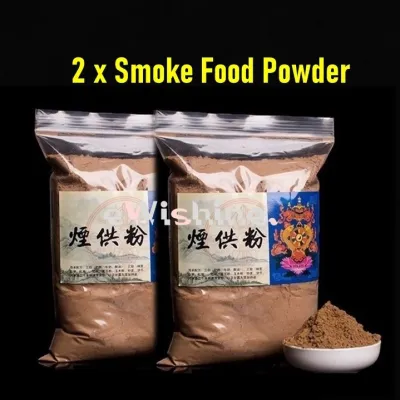
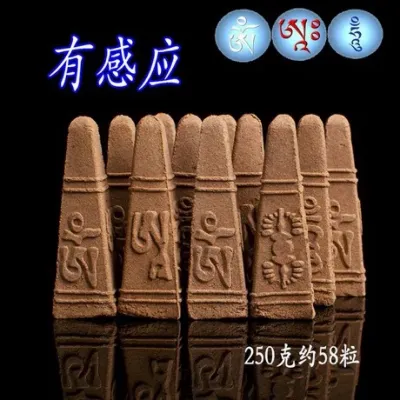
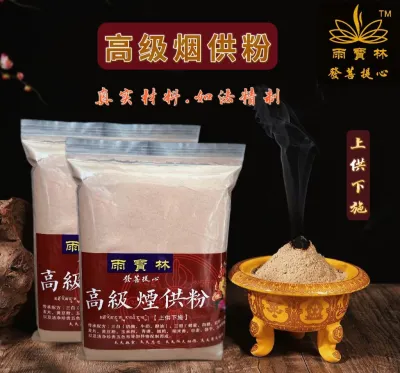
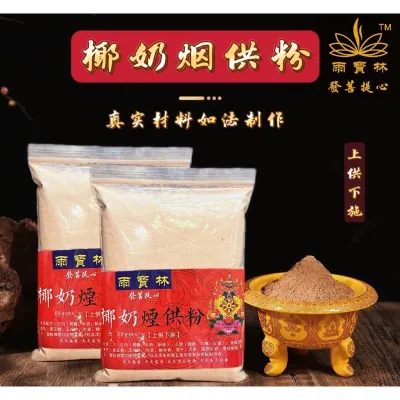
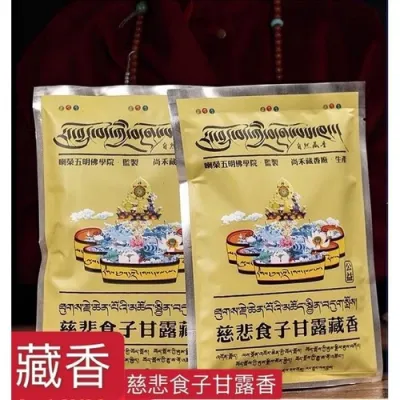
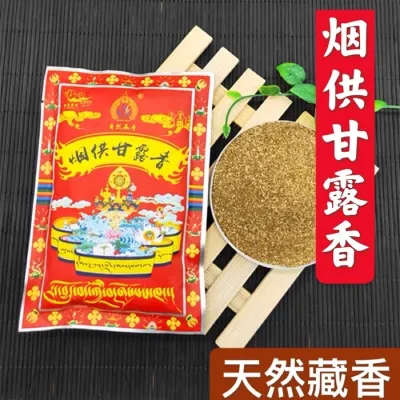
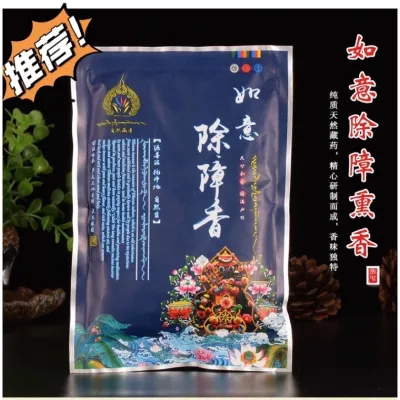
Prices are valid at publication and may change. Please refer to the product page for the latest price.
Sang formulations are primarily designed for purification and making offerings to enlightened beings, deities, and local protectors. These mixtures are traditionally burned in the morning to clear negative energy and invite auspicious conditions. The ingredients in a quality Sang powder are typically clean, woody, and herbaceous, featuring high-altitude plants such as juniper leaves, white sandalwood, rhododendron, and various medicinal herbs. When burned, Sang powder produces a crisp, clearing, and uplifting aroma that helps focus the mind during meditation.
Sur formulations, by contrast, are intended for afternoon or evening rituals focused on making offerings to spirits, bardo beings, and pretas (hungry ghosts). Because these rituals aim to satisfy the hunger and alleviate the suffering of these beings, the powder contains a rich, food-like mixture known as the “three whites” (butter, milk, and yogurt) and the “three sweets” (honey, sugar, and molasses), blended with roasted barley flour and sacred herbs. The resulting smoke is dense, sweet, and deeply comforting, carrying an aroma reminiscent of toasted grains and warm food.
Regardless of the formulation, the primary physical role of the powder is to generate a steady, continuous stream of fragrant smoke. High-quality powders achieve this through precise grinding and balanced moisture content, ensuring the material smolders gently rather than flaring up or extinguishing prematurely. To ensure your practice remains aligned with your specific lineage, always consult your spiritual teachers or traditional practice texts, as certain schools prescribe highly specific ingredient ratios or require consecrated additions.
How to Verify Ingredient Purity and Traditional Authenticity
The market for ritual incense is vast, ranging from sacred monastic preparations to mass-produced, chemically scented powders. To protect your health and maintain the purity of your offerings, you must learn to distinguish genuine botanical powders from cheap, synthetic alternatives that can release harmful toxins when burned.

Always prioritize vendors who provide transparent, plant-based ingredient lists. A premium smoke offering powder should clearly list its raw botanical components, such as Santalum album (sandalwood), Aquilaria (agarwood), juniper, saffron, clove, and specific Himalayan medicinal herbs. Be highly skeptical of products that list vague terms like “fragrance,” “perfume,” or “incense oil,” as these almost always indicate synthetic chemical additives designed to mimic natural scents.
Avoid powders that exhibit unnaturally bright, uniform colors, such as vivid pinks, bright yellows, or artificial greens, which suggest the use of chemical dyes. Natural herbal powders generally range from earthy browns and muted ochres to deep, dusty greens. Furthermore, synthetic binders and combustion agents (such as potassium nitrate) are common red flags in low-grade products; these chemicals are added to force damp or low-quality materials to burn, but they produce a sharp, chemical sting in the eyes and throat during use.
Whenever possible, look for formulations prepared according to recognized monastic standards or classical medical texts. Authentic powders are often ground in dedicated facilities where spiritual cleanliness is maintained, and they are free from the animal-derived binders or cheap sawdust fillers common in mass-market air fresheners.
Before lighting the powder, you can assess its quality through a simple physical inspection. High-quality powder should feel dry and slightly textured, showing tiny, natural variations in particle size rather than a perfectly uniform, flour-like dust. Take a moment to smell the raw, unburned powder; it should present a subtle, complex, and earthy aroma. If the dry powder emits an overwhelming, sharp, or perfume-like scent that immediately triggers a headache, it likely relies on synthetic fragrance oils.
Matching Burn Characteristics to Your Environment and Burner
How a powder burns physically determines its suitability for your specific living space and the type of burner you own. Because loose powder does not have a wooden core to regulate its combustion, you must manage its burn rate and smoke density through proper preparation and equipment selection.
Fine powders possess a high surface-area-to-volume ratio, meaning they catch fire easily and burn relatively quickly. If left loose in a pile, a fine powder can burn too hot, scorching the delicate resins and creating a bitter, burnt smell rather than a sweet, herbal aroma. To slow down the burn rate and ensure a clean, continuous smolder, you can compress the powder into a structured trail using a metal incense seal (mold), or lay a thin line of powder over a flat bed of clean, non-reactive incense ash.
Your physical environment should dictate the volume and density of the smoke you generate. In typical urban apartments or high-density HDB flats in Singapore, cross-ventilation is essential when performing smoke offerings. Denser Sur formulations, which contain oils and sugars, naturally produce a thicker, heavier smoke that can quickly overwhelm a small room if windows are kept closed. For indoor practice, limit your offerings to a small pinch of powder, or choose a low-smoke, finely ground formulation designed specifically for confined spaces.
Finally, ensure your powder is compatible with your chosen heating method:
- Traditional Ceramic or Metal Burners: These require a protective layer of white incense ash at the bottom. This ash insulates the burner from extreme heat and provides a breathable bed that allows oxygen to reach the bottom of the powder trail, ensuring a complete burn.
- Charcoal Discs: While charcoal provides a reliable heat source for outdoor rituals, it often burns too hot for delicate indoor powders. If you use charcoal, wait until the disc is fully covered in a layer of grey ash to lower the direct temperature before placing a small amount of powder on top.
- Electric Incense Heaters: These are highly recommended for modern apartments. By utilizing an adjustable thermostat, an electric heater gently vaporizes the volatile oils in the powder without actual combustion. This method releases the pure, authentic aroma of the herbs with virtually no visible smoke or soot. When choosing an electric burner, verify that its operating voltage matches local standards (220V-240V), check for appropriate electrical safety certifications, and ensure the wattage limit is suitable for raw powders.
Building Your Shortlist: Pre-Purchase Checks and Storage
Once you understand your ritual needs and environmental constraints, you can begin shortlisting specific products. Taking a systematic approach to packaging, sourcing, and post-purchase storage will protect your investment and keep your powder fresh for months.
Start by examining the packaging of the powder. Because natural herbs contain volatile essential oils that degrade when exposed to air, high-quality powders should be sealed in airtight, moisture-proof packaging, such as resealable foil pouches, thick zip-lock bags, or glass jars. Avoid powders sold in simple paper wraps or loose cardboard boxes, as these allow the aromatic oils to evaporate and make the powder highly susceptible to absorbing ambient moisture and household odors.
Prioritize specialty retailers, monastic cooperatives, or trusted Buddhist centers that offer clear sourcing information. Reputable suppliers are often transparent about where their herbs are harvested and may support ethical, sustainable harvesting practices for vulnerable species like sandalwood and agarwood. While a premium, ethically sourced powder may cost more—typically ranging from S$15 to S$50 per pack depending on the rarity of the ingredients—the purity of the aroma and the peace of mind it offers make it a worthwhile investment.
Once you bring your powder home, proper storage is critical, especially in warm, humid climates. High humidity can cause loose powder to clump, lose its scent, or even develop mold, rendering it unusable. Store your smoke offering powder in airtight, non-reactive containers, such as amber glass jars or tin canisters. Keep these containers in a cool, dark cupboard away from direct sunlight, air conditioning drafts, and sources of moisture.
Always practice basic fire safety when handling loose powder. Place your burner on a stable, heat-resistant surface, keep it far away from flammable materials like curtains or books, and never leave burning incense unattended. By combining traditional respect with modern safety practices, your smoke offering ritual can remain a peaceful, enriching part of your daily routine.
Frequently Asked Questions (FAQ)
Can I mix different types of smoke offering powders together?
It is generally not recommended to mix different types of smoke offering powders unless specifically instructed by a qualified teacher or a traditional ritual text. Traditional formulations are carefully balanced chemical and spiritual recipes; the proportions of cooling herbs, warming resins, and binding agents are precisely calibrated to achieve a specific burn rate and aromatic profile. Mixing different powders can disrupt this balance, resulting in an uneven burn, excessive smoke, or an unpleasant, clashing aroma that detracts from the peaceful atmosphere of your ritual.
How do I clean my incense burner after using loose powder?
Always allow your burner to cool completely before attempting to clean it to prevent accidental burns or thermal shock to ceramic vessels. Once cool, gently sift out any unburned powder clumps or charred residue using a small mesh sifter, leaving the clean, fine white ash behind for your next session. To clean the inner walls of a metal or glazed ceramic burner, wipe them gently with a dry, soft microfiber cloth or a soft-bristled brush. Avoid using water, harsh chemical detergents, or abrasive scrubbing pads, as these can damage delicate glazes, strip away natural wood finishes, or ruin the protective patina on bronze and copper burners.
Is it safe to use smoke offering powder in a small, enclosed apartment?
Yes, but you must take specific precautions to ensure safety and comfort in smaller living spaces. Because smoke offering powder is designed to produce visible smoke, burning large quantities in an enclosed room can lead to a buildup of particulate matter, potentially irritating your eyes, throat, and respiratory system. To practice safely, always open opposite windows to establish active cross-ventilation, burn only a very small pinch of powder at a time, and place the burner near an open window rather than in the center of the room. Alternatively, consider using an adjustable electric incense heater, which releases the aromatic benefits of the herbs without generating heavy smoke.
Community discussion
Share your experience or ask a question. Comments are reviewed before publication.