
Selecting the right 5R photo frames for a wall display in Singapore requires balancing aesthetic preferences with practical structural considerations. A standard 5R photograph, measuring 5 by 7 inches (approximately 127 by 178 millimeters), is a highly versatile size for home decor. It is large enough to showcase fine details in family portraits or travel photography, yet compact enough to be arranged in creative, multi-frame gallery walls.
When planning a wall display, relying on generic brand recommendations can be misleading, as individual home environments and wall types vary significantly. Instead, homeowners should evaluate frames based on material durability, glazing quality, and the reliability of the integrated hanging hardware. By understanding these core criteria, you can select frames that not only complement your interior design but also remain securely mounted for years to come.
This guide outlines the essential steps to assess your wall space, evaluate manufacturing quality, navigate local retail channels, and safely install your displays. Whether you are decorating a cozy HDB flat or a spacious condominium, these practical insights will help you make an informed decision.
Products mentioned in this guide
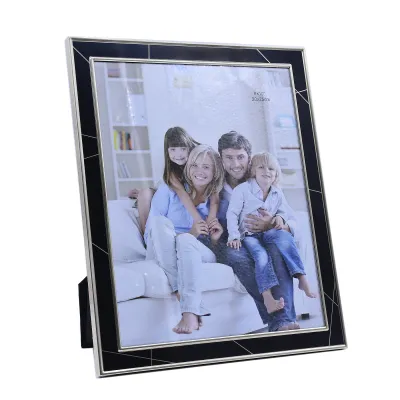
![SG Stock [Super Offer] Wooden Photo Frame Picture Frame 4R 5R 6R 8R A4 Frame Table Wall Display Photo Frame for Home Office Art Display Christmas Gift Teachers Day Gift](https://img.lazcdn.com/g/p/bb9e605bbbce2ca17e8b17e2edb1a478.jpg_400x400q80.jpg_.webp)
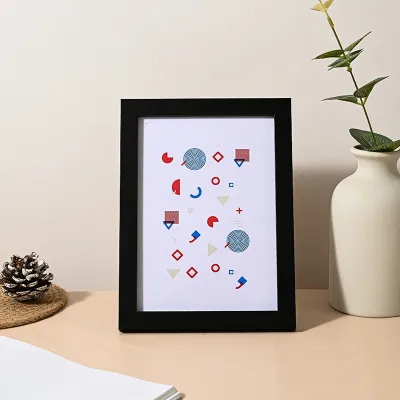
![[SG Stock]4R/5R/6R/A4 Wooden Photo Frame Picture Frame Wood White Black Simple Picture Frame Birthday Gift present Christmas gift](https://img.lazcdn.com/g/p/18a672b2ee155101dfd5e3af7b150d07.jpg_400x400q80.jpg_.webp)
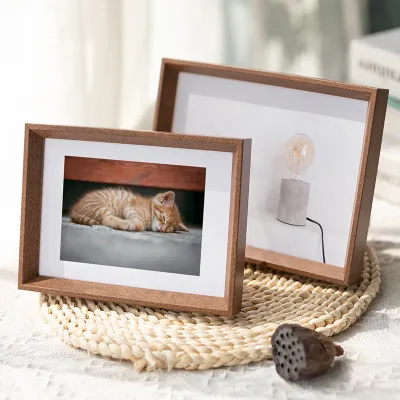
![[NEW] Acrylic Transparent L-Shaped Portrait Stand | Acrylic Photo Frame | 3R/4R/5R/6R/8R/S8R/A4](https://img.lazcdn.com/g/p/7b6bffe6a6c0199ab443c92502dc3aa1.jpg_400x400q80.jpg_.webp)
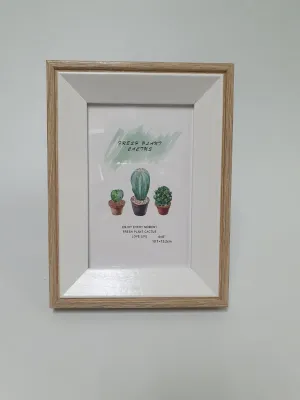
Prices are valid at publication and may change. Please refer to the product page for the latest price.
Defining Your Wall Display Needs for 5R Frames
Before purchasing any photo frames, it is essential to analyze the specific wall space where you plan to mount them. Standard 5R dimensions are highly adaptable, but the overall footprint of your display will depend heavily on the frame’s profile width. A slim, minimalist metal frame adds very little bulk, whereas a wide, rustic wooden frame can easily double the physical space required on your wall.
To plan an effective layout, measure your target wall area and sketch a rough diagram of your desired arrangement. If you are creating a gallery wall with multiple 5R frames, aim to maintain a consistent spacing of 50 to 80 millimeters between each frame. This spacing prevents the display from looking cluttered and allows each individual photograph to stand out.
Lighting conditions in your room also play a critical role in frame selection. If your wall is directly opposite a large window or situated under bright overhead spotlights, glare can easily obscure your photographs. In highly illuminated spaces, choosing frames with matte or satin finishes helps diffuse light, while high-gloss metallic or polished lacquer frames are better suited for areas with soft, ambient lighting.
The structural composition of your walls dictates the weight limits and mounting hardware you must use. Singapore homes typically feature either reinforced concrete walls or drywall partitions. Concrete walls offer exceptional load-bearing capacity but require masonry drilling and plastic wall plugs. Drywall partitions, common in newer residential layouts, require specialized toggle bolts or hollow-wall anchors to prevent the frame from pulling through the plasterboard.
Essential Criteria for Evaluating Photo Frame Brands
When evaluating different photo frame brands, the quality of the core material is the primary indicator of long-term durability. Solid hardwoods, such as oak, walnut, or ash, offer beautiful natural grains and excellent structural rigidity, though they must be treated to withstand indoor humidity. Aluminum and stainless steel frames provide a modern, sleek aesthetic and are highly resistant to warping or bending over time.

For budget-conscious projects, medium-density fiberboard (MDF) and polystyrene composites are popular, lightweight alternatives. However, you should carefully inspect the corner miter joints of composite frames before buying. High-quality brands ensure these joints are tightly glued and pinned with no visible gaps, adhesive residue, or misalignment, which can compromise the frame’s structural integrity when hung.
The glazing material is another critical component that affects both safety and image clarity. Standard float glass is highly scratch-resistant and offers excellent optical clarity, but it adds significant weight to the frame and poses a shatter hazard if dropped. Acrylic glazing is lightweight and virtually shatterproof, making it an excellent choice for high-traffic areas or children’s bedrooms, though it is more susceptible to surface scratches.
A reliable frame brand never compromises on the quality of the backing board and hanging hardware. The backing board should be made of dense, rigid MDF or moisture-resistant plastic to keep the photograph perfectly flat against the glazing. Flimsy cardboard backings tend to absorb moisture and bow over time, causing the print to warp. Ensure the hanging hardware, such as D-rings or heavy-duty wire, is securely screwed or riveted directly into the frame profile rather than just attached to the backing board.
Finally, assess the manufacturer’s transparency regarding their production standards and materials. Reputable brands provide clear specifications regarding the weight of the frame, the type of wood or metal used, and the load capacity of the included hardware. A manufacturer’s warranty against joint separation or finish peeling is a strong indicator of reliable craftsmanship and material quality.
Navigating Retail and Online Channels in Singapore
Buying reliable 5R photo frames in Singapore involves choosing between physical home decor showrooms and online marketplaces. Visiting a physical store allows you to inspect the build quality firsthand, feel the weight of the materials, and verify the alignment of the joints. This hands-on inspection is highly beneficial when trying to match frame finishes with existing furniture or wall colors.
Conversely, official brand storefronts on e-commerce platforms often provide a much wider selection of styles, colors, and bulk-pack options that may not be fully stocked in physical retail spaces. When shopping online, it is crucial to verify the seller’s credentials and read customer reviews carefully. Look for feedback specifically mentioning how well the items were packaged, as glass-glazed frames are highly vulnerable to damage during transit.
Price is often a direct reflection of material quality and manufacturing standards. In Singapore, budget-friendly composite or plastic 5R frames typically range from S$5 to S$15 each. Mid-range options, including high-quality aluminum or veneered MDF, generally cost between S$15 and S$35. Premium solid wood, designer metals, or custom-crafted frames can range from S$35 to S$70 or more.
Be cautious of unusually low pricing, such as multi-packs offered for under S$5. These products often utilize brittle, low-grade plastic glazing that scratches easily, thin cardboard backings that warp in local humidity, and weak hanging tabs that can easily detach from the frame. Investing in mid-range or premium frames ensures your display remains safe, stable, and visually appealing over the long term.
Safe Installation and Maintenance for Wall-Mounted Frames
Proper installation is vital to ensure your 5R frames remain securely mounted on the wall. For concrete walls, always use a masonry drill bit to create a precise pilot hole, insert a matching plastic wall plug, and drive in a threaded screw. For drywall partitions, utilize self-drilling drywall anchors or spring toggle bolts that distribute the frame’s weight evenly across the plasterboard.
Avoid relying solely on adhesive strips or double-sided tapes for heavy frames or those equipped with glass glazing. Singapore’s high relative humidity can degrade adhesives over time, leading to unexpected falls, broken glass, and damaged walls. If you choose to use adhesive hangers, ensure they are rated for the exact weight of your frame and are applied strictly according to the manufacturer’s instructions on a clean, dry surface.
Before drilling or mounting, map out your layout by taping paper templates of each frame to the wall. This allows you to visualize the final arrangement and make adjustments without damaging the wall surface. Use a spirit level or a laser level to ensure perfectly straight horizontal and vertical alignments, and mark the exact position of the hanging hook with a pencil.
Routine maintenance will keep your frames and photographs looking pristine. Dust the frames regularly using a dry, lint-free microfiber cloth. When cleaning glass glazing, apply a small amount of glass cleaner to the cloth rather than spraying it directly onto the frame, as liquid can seep behind the edges and damage the print. For acrylic glazing, use a specialized anti-static plastic cleaner to prevent scratching.
To protect your photographs from Singapore’s humid climate, ensure the room is well-ventilated. You can also place small silica gel packets behind the backing board inside the frame to absorb trapped moisture and prevent mold growth. If you are planning a complex, heavy gallery wall installation or are unsure about drilling near concealed electrical wiring or water pipes, always consult a qualified handyman or professional installer.
Frequently Asked Questions (FAQ)
Can I mix different frame brands in a single gallery wall?
Yes, mixing different frame brands can create a highly personalized and curated look, provided you maintain a sense of visual cohesion. To prevent the display from looking chaotic, establish a unifying element, such as a consistent color palette or matching frame profile thicknesses across the different brands.
You must also pay close attention to the depth of the hanging hardware on the back of each frame. Different manufacturers design their brackets and hangers at varying depths, which can cause some frames to sit flush against the wall while others protrude. To achieve a uniform, flat alignment, you can adjust your wall hooks or place small adhesive silicone bumper pads on the bottom corners of the shallower frames to push them slightly outward.
What is the best glazing type for 5R frames in humid environments?
In highly humid environments like Singapore, acrylic glazing is generally more practical than traditional glass. Glass is highly conductive to temperature changes, which can cause condensation to form on the inner surface when indoor temperatures fluctuate due to air conditioning. This trapped moisture can cause the photograph to stick to the glass, leading to permanent water damage and mold growth.
Acrylic is less prone to rapid temperature fluctuations, significantly reducing the risk of condensation. It is also lightweight and shatterproof, which minimizes safety hazards if a frame falls due to humidity-weakened wall anchors. If you choose acrylic, ensure the manufacturer specifies high optical clarity and UV protection to prevent the material from yellowing or fading your prints over time.
Community discussion
Share your experience or ask a question. Comments are reviewed before publication.