
Finding the right A3 photo frame for wall display in Singapore requires balancing aesthetic appeal with structural integrity. Because an A3 print (297 x 420 mm) is large enough to carry noticeable weight—especially when paired with glass glazing and a mat board—selecting a reliable brand involves looking beyond the surface finish. In Singapore’s tropical climate and unique housing landscapes, factors like high humidity and concrete wall structures dictate which frames will remain secure and pristine over time. By focusing on material standards, mounting hardware, and retailer transparency, you can confidently select frames that protect your artwork and complement your living space.
Core Standards for Evaluating A3 Photo Frame Build Quality
Solid wood, such as oak, ash, or walnut, offers excellent structural rigidity and natural grain patterns, making it highly resistant to bending under its own weight. However, solid wood is heavier and requires robust wall anchors to ensure safety. Medium-density fibreboard (MDF) is a common, cost-effective alternative that provides a smooth, uniform finish. While high-quality MDF with a sealed laminate can perform well, low-grade MDF is highly susceptible to moisture absorption, which can cause the frame to swell or warp in humid environments. Aluminum frames offer an exceptional strength-to-weight ratio, providing a sleek, modern aesthetic that remains completely unaffected by humidity, making them highly reliable for long-term wall displays.
The choice of glazing significantly impacts both the weight and safety of your wall display. Traditional glass provides excellent optical clarity and scratch resistance, but it adds significant weight to an A3 frame and poses a safety hazard if dropped. For high-traffic areas or children’s rooms, acrylic is a safer, lightweight alternative. High-grade acrylic offers comparable clarity to glass and often includes UV-filtering properties that protect prints from fading under ambient light. However, acrylic is prone to static charge, which attracts dust, and can scratch easily during cleaning if not handled with a microfiber cloth.
Products mentioned in this guide

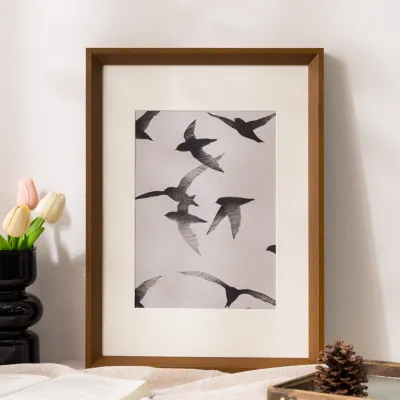
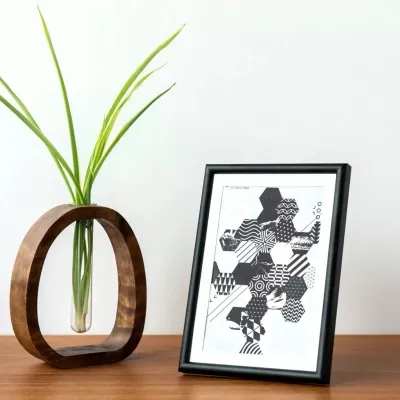
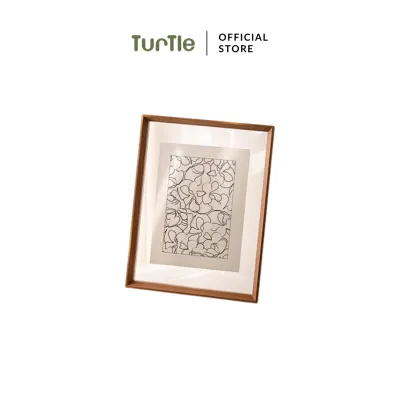
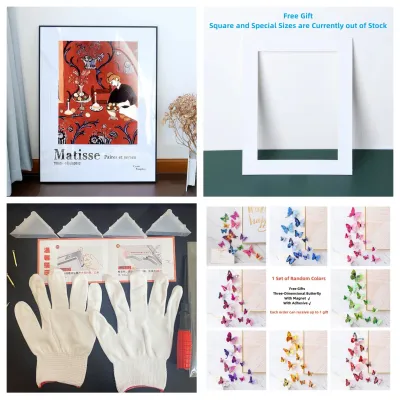
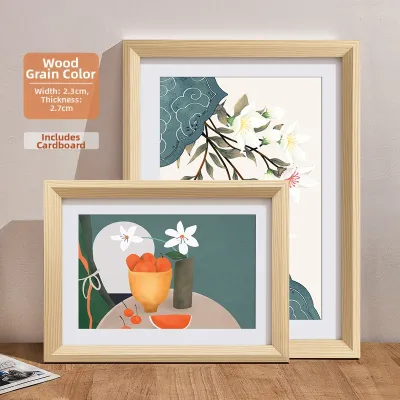
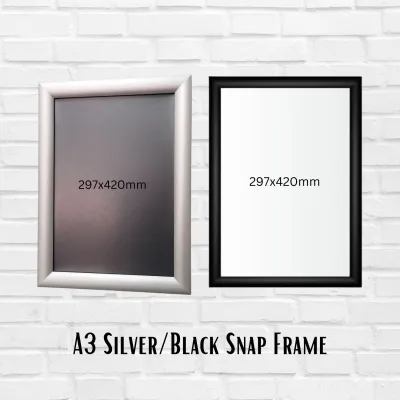
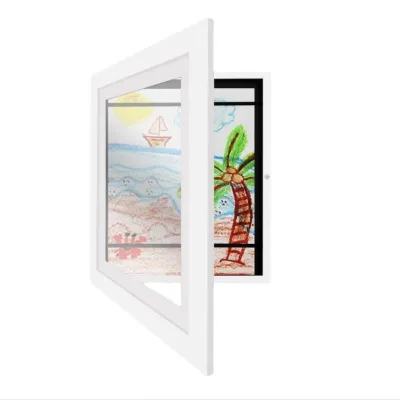
Prices are valid at publication and may change. Please refer to the product page for the latest price.
The backboard provides the structural foundation that keeps your print flat and prevents warping. Look for rigid materials like thick MDF or high-density plastic rather than thin cardboard, which bows easily under pressure. The sealing mechanism—such as metal swivel tabs or flexible points—must press the backboard firmly against the frame to create a dust-resistant seal. In humid climates, a tight seal prevents moisture from seeping into the frame cavity, protecting your paper prints from rippling or developing mold over time.
Verifying Wall-Mounting Hardware and Safety Limits
An A3 frame can weigh anywhere from 800 grams to over 2.5 kilograms depending on the frame profile and glazing material. Before hanging, inspect the pre-installed hardware on the backboard or frame. Reliable brands secure their mounting hardware directly into the frame wood or metal rather than relying on flimsy clips attached solely to a thin backboard. D-rings and sturdy sawtooth hangers are the standard for A3 displays, providing balanced weight distribution. If using hanging wire, ensure it is rated for at least double the frame’s weight and securely knotted to prevent slipping.

Most residential walls in Singapore are constructed from solid concrete or brick, particularly in HDB flats and newer condominium developments. Hanging an A3 frame on these walls requires drilling with a masonry bit and inserting plastic wall plugs to secure the screws. Standard adhesive hooks are generally unsuitable for heavy glass-glazed A3 frames, as the high humidity can degrade the adhesive over time, leading to sudden falls. For partition walls or drywall sections often found in renovated spaces, toggle bolts or hollow-wall anchors must be used to distribute the load across the plasterboard.
Always verify the manufacturer’s specified weight limit for both the frame and any third-party hanging accessories you plan to use. If a frame feels exceptionally heavy or if you are planning a complex gallery wall layout at height, consider upgrading to heavy-duty zinc-alloy anchors or consulting a professional handyman. Ensuring the installation is secure prevents costly damage to your walls, the frame, and the artwork inside.
Sourcing and Verifying Reputable Frame Retailers
Whenever possible, visit physical home decor showrooms, lifestyle boutiques, or specialized framing shops in Singapore to evaluate build quality firsthand. Examine the corner joints of the frame; high-quality construction features seamless, tightly glued miter joints without visible gaps or misalignments. Feel the weight of the frame and test the rigidity of the backboard and glazing. Checking these physical attributes in person helps you calibrate your expectations and identify brands that prioritize craftsmanship.
When shopping on official brand websites or authorized e-commerce platforms, scrutinize the product specifications carefully. Reliable brands provide detailed listings that include the exact outer dimensions, inner window dimensions, weight, material composition, and the type of glazing used. Review the retailer’s return policies and warranty terms; reputable sellers often offer guarantees against manufacturing defects or transit damage, which is particularly important when ordering frames with glass glazing.
Customer reviews are a valuable resource for assessing long-term durability and shipping reliability. Look for verified purchase reviews that discuss how well the frame has held up over several months, paying close attention to mentions of warping, loose hardware, or backing failures. Additionally, check feedback regarding packaging quality; frames that are not shipped with adequate corner protectors and bubble wrap are highly susceptible to damage during local delivery.
Selecting Frame Profiles and Finishes for Your Space
The choice of finish should harmonize with your room’s lighting and design theme. Matte finishes, such as matte black, white, or dark charcoal, are highly versatile and minimize distracting reflections, making them ideal for rooms with abundant natural light or bright overhead fixtures. Glossy finishes can add a touch of modern sophistication and depth, but they are best suited for areas with controlled, indirect lighting to avoid harsh glare. Natural wood finishes, ranging from light oak to rich walnut, bring warmth and texture to Scandinavian, minimalist, or biophilic interiors.
The width and depth of the frame profile dictate its visual weight on your wall. A thin, narrow profile, around 10mm to 15mm, creates a clean, contemporary look that keeps the focus entirely on the artwork, which works exceptionally well for modern photography or minimalist prints. A wider profile, 20mm to 40mm, or a deep-box frame adds architectural structure and drama, making the framed piece stand out as a distinct focal point. When framing an A3 print, consider using a mat board to create a breathing space between the artwork and the frame, which visually expands the display and prevents the print from touching the glazing.
While trendy finishes like metallic rose gold or distressed rustic textures can be appealing, prioritizing classic, versatile profiles ensures your frames remain relevant through future home renovations or decor updates. Neutral tones like black, white, and natural wood tones adapt seamlessly to changing color palettes and interior styles. Investing in high-quality, timeless designs reduces the need for frequent replacements, offering better long-term value for your home decor budget.
Frequently Asked Questions (FAQ)
Can I use standard A3 frames for heavy wall mounting?
Standard A3 frames can be safely wall-mounted provided you verify their structural limits and use appropriate hardware. The primary concern is the total weight, which increases significantly if the frame uses thick solid wood and real glass glazing. If the frame exceeds 1.5 kilograms, avoid relying on basic adhesive strips or small plastic picture hooks. Instead, ensure the frame is equipped with robust D-rings or a heavy-duty hanging wire, and mount it using proper wall plugs screwed directly into your concrete or drywall studs. Always follow the manufacturer’s weight guidelines to prevent the frame corners from pulling apart under tension.
How do I prevent A3 photo frames from warping in humid conditions?
To protect your A3 frames from the high humidity typical of Singapore, select materials that resist moisture absorption, such as aluminum, treated solid wood, or high-quality sealed MDF. Avoid hanging frames on damp walls, such as those sharing a boundary with a bathroom, or in areas with poor ventilation. Ensure the backboard is tightly sealed with swivel tabs or backing tape to prevent humid air from entering the frame cavity. Placing small silica gel packets behind the backing board can also help absorb residual moisture, protecting both the frame structure and your printed artwork from warping or mold growth.
Community discussion
Share your experience or ask a question. Comments are reviewed before publication.