
Finding reliable Christmas lights in Singapore requires looking beyond festive packaging to verify electrical safety, build quality, and local compatibility. A truly dependable brand is defined by its adherence to local safety standards, robust wire insulation, and clear performance specifications. Because Singapore’s tropical climate brings high humidity indoors and heavy rainfall outdoors, choosing the right decorative lighting involves checking for specific safety certifications and ingress protection (IP) ratings. By focusing on certified products and structural durability, you can ensure your holiday displays remain safe, vibrant, and reusable for years to come.
What Defines a Reliable Christmas Light Brand?
When searching for dependable holiday lighting, consistency in manufacturing standards serves as the primary indicator of a trustworthy brand. Reputable manufacturers implement strict quality control processes, ensuring that every bulb on a string operates at the same brightness and color temperature. This consistency prevents the frustrating experience of patchy lighting or premature bulb failure shortly after installation.
Transparency in material sourcing and Ingress Protection (IP) ratings is another hallmark of a reliable manufacturer. Trustworthy brands clearly print essential technical details on their packaging and product listings, including exact wire gauges, total wattage, bulb spacing, and material compositions. They do not hide behind vague marketing terms, instead providing verifiable data regarding their products’ capabilities and limitations, especially when detailing whether a product is rated for indoor or outdoor environments.
Products mentioned in this guide
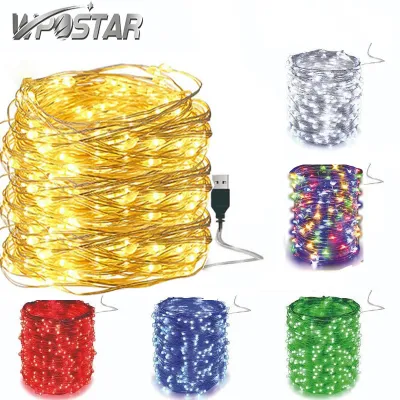
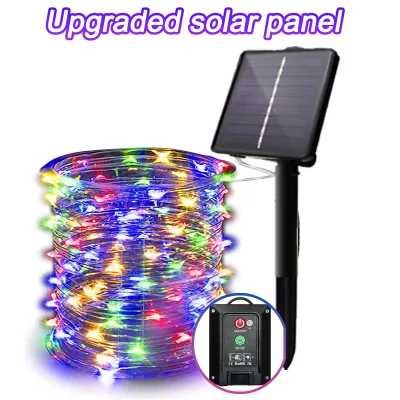
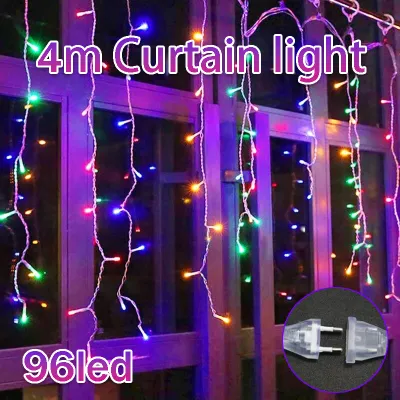
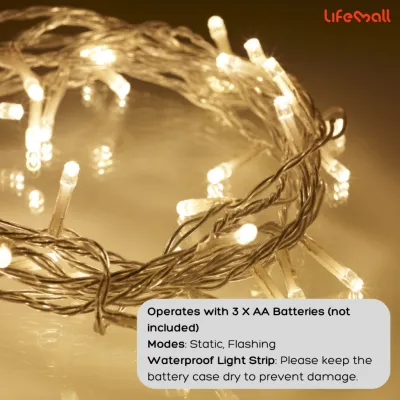
Prices are valid at publication and may change. Please refer to the product page for the latest price.
Furthermore, a reliable brand stands behind its products with clear warranty terms and accessible customer support channels. While low-grade, unbranded lights are often treated as disposable single-use items, reputable manufacturers offer explicit guarantees against defects. Having access to responsive customer service provides peace of mind, allowing you to resolve issues or obtain replacement parts without hassle.
A reliable brand also distinguishes itself by providing comprehensive user manuals and installation guidelines. These documents should clearly outline the maximum number of light strings that can be safely connected in a single run, as well as specific instructions for indoor or outdoor mounting. Clear guidance prevents common installation errors that could compromise the safety or lifespan of the product.
Essential Electrical and Safety Checks for Singapore Homes
Operating electrical decorations safely in Singapore requires strict adherence to local power specifications. The standard domestic voltage in Singapore is 230V at a frequency of 50Hz. Before purchasing any Christmas lights, especially from international online marketplaces, you must verify that the product is rated for this voltage range. Using lights designed exclusively for lower voltage systems, such as 110V, can lead to immediate product failure, short circuits, or severe electrical hazards.

Equally important is the plug type supplied with the lighting set. Singapore homes utilize the Type G three-pin plug, which must comply with local safety regulations. Reliable brands supply lights with pre-fitted, fused Type G plugs or certified low-voltage power adapters. Avoid using flimsy, ungrounded travel adapters to connect non-compliant plugs to your wall sockets, as these temporary connections can easily overheat or loosen over time.
To guarantee electrical safety, look for recognized safety marks and certifications printed directly on the product packaging and the power adapter. In Singapore, controlled electrical appliances must carry the Safety Mark issued by Enterprise Singapore. This mark indicates that the product has undergone rigorous testing to meet local safety standards. For imported products, look for equivalent international certifications such as the CE mark, UL listing, or UKCA mark, which demonstrate compliance with strict regional safety laws.
Many high-quality Christmas lights incorporate step-down transformers that reduce the mains voltage (230V) to a much safer low voltage (such as 24V or 31V) before it reaches the light string. This design significantly reduces the risk of severe electrical shock if a wire is accidentally cut or damaged. When evaluating brands, look for those that utilize these low-voltage systems, especially for decorations that will be placed within reach of children or pets.
Understanding and managing your power load limits is crucial when planning extensive holiday displays. Overloading a single wall socket or daisy-chaining multiple extension cords can create a serious fire hazard. Calculate the total wattage of all connected light strings to ensure they do not exceed the rated capacity of your extension lead or wall outlet. If you are planning a large-scale installation that involves working at heights or complex routing, always isolate the power supply before handling any wiring, and consider consulting a qualified professional to assess your home’s electrical load capacity.
How to Assess Build Quality and Durability
Evaluating the physical construction of fairy lights is essential for determining their expected lifespan and safety. Begin by inspecting the wire thickness and insulation materials. High-quality light strings feature thick, flexible copper wiring encased in durable polyvinyl chloride (PVC) or rubber insulation. Thin, fragile wires are highly susceptible to internal breakage when bent or pulled, which can lead to intermittent power loss or exposed live wires.
The sturdiness of the connectors and joints is another critical indicator of build quality. On reliable light strings, the connection points between the wire and individual bulbs are sealed tightly to prevent moisture ingress and mechanical strain. If the set features connectable end-to-end segments, the screw-on caps should include rubber O-rings to create a watertight seal, protecting the electrical contacts from dust and water.
Understanding the difference between indoor-only specifications and outdoor-rated options is vital, particularly given Singapore’s humid climate and frequent rainstorms. Indoor lights lack the necessary sealing to withstand moisture and should never be used outside. For outdoor displays along balconies, gardens, or facades, you must select lights with an Ingress Protection rating of at least IP44, which protects against splashing water, or IP65 for complete protection against water jets.
For outdoor installations in Singapore, UV resistance is another critical factor to consider. The intense tropical sunlight can rapidly degrade low-quality plastic insulation, causing it to become brittle, crack, and expose the underlying copper wires. Reliable brands use UV-stabilized materials for their wire jackets and bulb housings, ensuring the plastic remains flexible and intact even after prolonged exposure to the sun.
The quality of the LED chips themselves directly impacts both the visual appeal and the safety of your decorations. Premium LED chips deliver consistent color rendering across the entire string, avoiding the mismatched hues common in cheap alternatives. Additionally, high-quality LEDs are highly efficient, converting most of the electrical energy into light rather than heat. This low heat output ensures the bulbs remain cool to the touch, significantly reducing the risk of scorching nearby fabrics, Christmas tree needles, or paper decorations.
Matching Light Styles to Your Decorating Needs
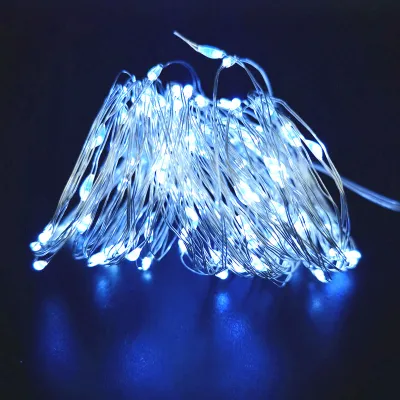
Selecting the right style of fairy lights depends on the specific surfaces and structural shapes you plan to decorate. Copper wire lights, often called micro fairy lights, feature tiny LEDs embedded along thin, bendable metal wires. These are highly flexible and virtually invisible when unlit, making them perfect for wrapping around delicate indoor ornaments, table centerpieces, or small wreaths.
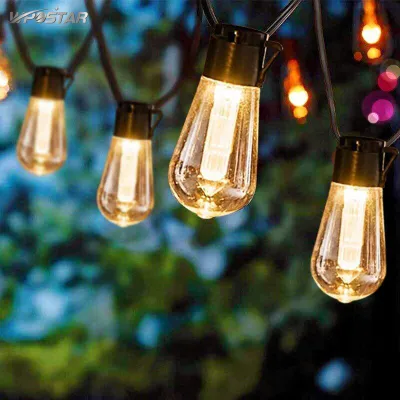
Traditional string lights, which feature insulated cables with protruding bulbs, are the standard choice for Christmas trees, banisters, and outdoor pillars. Their robust construction allows them to drape naturally over branches and withstand regular handling. For covering large, flat areas quickly—such as hedges, walls, or balcony railings—net lights provide an even grid of pre-spaced bulbs, saving significant installation time and ensuring a uniform glow.
Ambiance is heavily influenced by the color temperature of the LEDs, which is measured in Kelvin (K). Warm white lights (typically 2700K to 3000K) emit a soft, golden glow that creates a cozy, traditional holiday atmosphere. Cool white lights (5000K to 6500K) offer a bright, crisp, modern aesthetic that mimics ice or snow, while multicolor strings bring a playful, vibrant energy to festive displays.
Modern reliable brands often integrate smart control options into their light strings, allowing you to adjust brightness, change colors, or set schedules via a smartphone app or remote control. While these features add convenience, ensure that the smart controller itself is certified and that the companion app is regularly updated for security and stability. Choosing a brand with a well-supported smart ecosystem ensures your lights remain functional and compatible with your home automation systems over time.
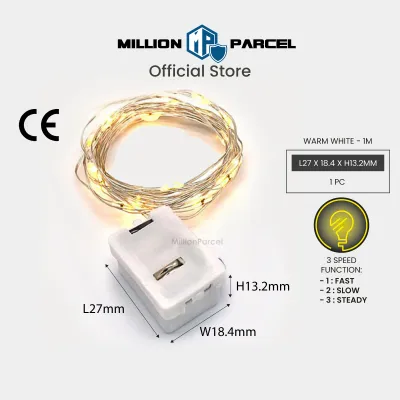
Choosing the appropriate power source is another key decision that affects both placement and convenience. Battery-operated lights offer maximum portability for small, isolated displays where wall outlets are inaccessible, though they require regular battery replacements. USB-powered lights provide a convenient middle ground, allowing you to power decorations using power banks or standard phone chargers. Direct plug-in options are best for large, permanent displays that require consistent, high-output power, while solar-powered lights are ideal for outdoor gardens and balconies that receive ample daily sunlight.
Where to Buy and How to Verify Product Authenticity
To ensure you are purchasing genuine, high-quality Christmas lights, prioritize buying from official brand stores, authorized physical retailers, and established local lighting specialists. Purchasing directly from reputable brick-and-mortar stores allows you to physically inspect the build quality, wire thickness, and safety markings before spending your money. Established retailers also have a reputation to uphold, making them far less likely to stock substandard or counterfeit goods.
When shopping on e-commerce platforms or online marketplaces, extra diligence is required to verify seller credentials. Look for official flagship store badges or preferred seller statuses, which indicate a track record of reliable service. Carefully analyze verified buyer reviews, paying close attention to photos uploaded by customers and any feedback regarding long-term durability, flickering, or overheating issues. Be skeptical of listings with generic descriptions, missing technical specifications, or prices that seem unrealistically low.
Buying from unverified third-party sellers on global discount platforms carries significant risks, as these products often bypass local safety testing and quality control. While the initial cost may be lower, the lack of accountability means you have little recourse if the product arrives damaged or poses a safety hazard. Investing in lights from recognized local distributors or established brands ensures that you receive a product that complies with Singapore’s safety standards and is backed by genuine customer support.
Finally, always check the retailer’s return policies and retain your proof of purchase. Reliable brands and authorized sellers typically offer a clear return window and a warranty period for defective items. Keeping your physical or digital receipt ensures you can easily make a claim if the lights fail prematurely or exhibit safety issues during installation.
Frequently Asked Questions (FAQ)
Can I leave my Christmas lights on overnight?
While modern LED fairy lights generate significantly less heat than older incandescent bulbs, leaving them on overnight is not recommended. Even highly efficient LEDs can experience gradual heat buildup when run continuously in enclosed spaces or against flammable materials. To minimize safety risks and conserve energy, it is best to turn off all decorative lighting when you go to sleep or leave the house. You can easily automate this process by using smart plugs or mechanical timers, which allow you to schedule precise operating hours and ensure your lights are never left running unattended.
How do I safely store fairy lights after the holidays?
Proper storage is essential for preserving the internal wiring and plastic insulation of your Christmas lights. To prevent tangling and internal wire breakage, avoid bunching the strings into a tight ball. Instead, wrap the lights carefully around a piece of sturdy cardboard, a plastic spool, or a specialized light storage reel. Store the wrapped lights in a cool, dry place away from direct sunlight, as extreme heat and humidity can degrade the protective plastic coating over time, leading to cracking and exposed wires when you unpack them next season.
Community discussion
Share your experience or ask a question. Comments are reviewed before publication.