
Selecting reliable decorative LED light brands for your home in Singapore requires evaluating several technical dimensions: electrical safety, thermal management, smart ecosystem integration, and local environmental resilience. While major global brands offer robust, certified products, the ideal choice depends on your specific installation environment, such as a high-humidity kitchen or a dry cove-lit living room. To make an informed decision, you must look beyond marketing claims and understand the specifications that govern durability and performance.
Core Criteria for Evaluating LED Brand Reliability
When evaluating the reliability of a decorative LED light brand, the quality of the underlying light-emitting diode (LED) chip is the most critical factor. High-quality brands source or manufacture chips with tight binning processes, which ensures that color temperature and brightness remain consistent across the entire length of the strip. A key metric to examine on the product specification sheet is the Color Rendering Index (CRI). For residential spaces, a CRI of 80 is the absolute baseline, but a CRI of 90 or higher is strongly recommended to ensure that the colors of your furniture, paint, and decor are represented accurately and vibrantly under artificial light.
Thermal management is another vital indicator of a brand’s engineering quality. Although LEDs generate significantly less heat than traditional incandescent bulbs, the heat concentrated at the tiny diode junction can be destructive if not properly dissipated. Poor heat dissipation leads to rapid lumen depreciation—meaning the lights will dim prematurely—and can cause noticeable color shifting over time, such as a warm-white light turning a harsh, yellowish hue. Reliable brands design their products with multi-layered flexible copper printed circuit boards (PCBs) that effectively draw heat away from the diodes, preserving both brightness and color consistency over their rated lifespan.
Products mentioned in this guide
![[SG STOCK]4M LED String Light Fairy Curtain Lights Wedding Festive Christmas Decoration Lighting String Curtain Ceiling Light](https://img.lazcdn.com/g/p/a82072ff68bccf57e2f850ca54d08ffb.jpg_400x400q80.jpg_.webp)
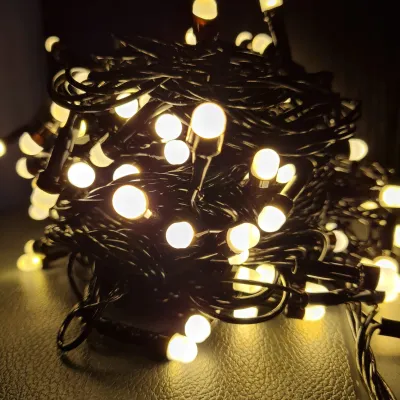
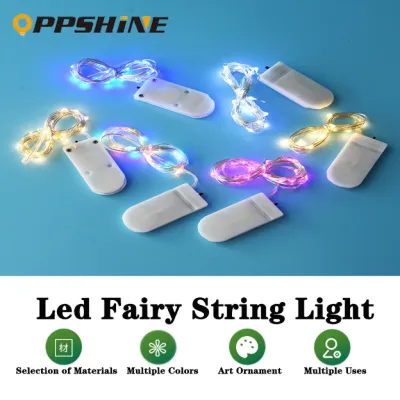
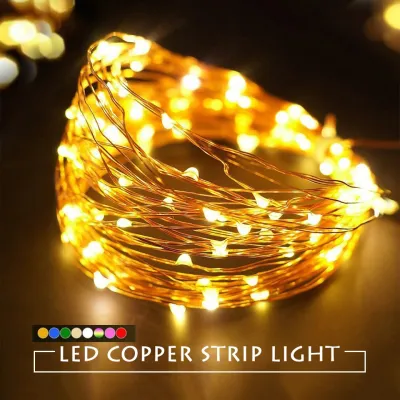
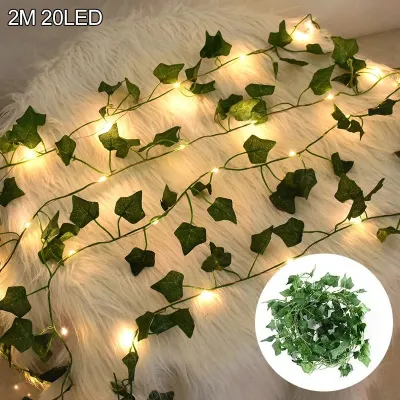
Prices are valid at publication and may change. Please refer to the product page for the latest price.
Before purchasing any decorative lighting product, you must verify its compliance with recognized safety and industry standards. Look for official certification marks on the packaging or within the manufacturer’s technical documentation. In Singapore, power adapters and controllers must carry the local Safety Mark to guarantee they have undergone rigorous testing for electrical safety, short-circuit protection, and fire resistance. International certifications such as CE (European Conformity) and RoHS (Restriction of Hazardous Substances) provide additional assurance that the product meets environmental and safety guidelines.
It is essential to recognize that marketing slogans, brand popularity, and generic material names do not inherently guarantee durability or safety. A product labeled as “heavy-duty” or “long-lasting” may still fail prematurely if it lacks robust internal components. To protect your investment, always cross-reference promotional claims with the manufacturer’s official specification sheets, looking for concrete data such as L70 lifetime ratings (the number of hours the LEDs will run before dropping to 70% of their original brightness) and explicit warranty periods.
Essential Specifications for Singapore Homes
Voltage and Power Adapter Requirements
Singapore’s mains electricity supply operates at a standard voltage of 230V AC with a frequency of 50Hz. However, most decorative smart LED strips are designed to run on low-voltage direct current (typically 12V or 24V DC) to ensure user safety and allow the strips to be cut to custom lengths. This setup requires a compatible power adapter, also known as an LED driver, to step down the mains voltage safely.

When choosing a decorative LED light system, you must verify that the power adapter’s output voltage matches the strip’s input requirement exactly. Additionally, check the adapter’s current capacity, measured in Amperes (A), to ensure it can supply sufficient power to the connected length of LEDs. To prevent the adapter from running at its absolute limit—which causes excessive heat and shortens its lifespan—you should calculate the total wattage demand and apply a 20% safety headroom rule.
To perform this calculation, multiply the strip’s rated wattage per meter by the total length of the installation. For example, if a strip consumes 12W per meter and you plan to install a 5-meter run, the base power requirement is 60W. Adding a 20% safety margin (60W multiplied by 1.2) means you require a power adapter rated for at least 72W. Finally, ensure the adapter features a physical Type G plug, which is the standard three-pin configuration used in Singapore, and avoid using uncertified travel adapters.
IP Ratings and Environmental Suitability
An Ingress Protection (IP) rating indicates how well an electrical enclosure protects against the entry of solid objects and liquids. The first digit of the rating represents protection against solids (ranging from 0 to 6), while the second digit represents protection against liquids (ranging from 0 to 9). For standard, dry indoor environments such as living rooms, bedrooms, and hallways, an IP20 rating is generally sufficient.
However, Singapore’s tropical climate introduces high ambient relative humidity, which frequently exceeds 80%. In non-air-conditioned spaces or areas with limited ventilation, this persistent moisture can cause the copper contacts on non-waterproof (IP20) strips to oxidize, leading to flickering, color degradation, or complete circuit failure. For high-moisture zones like kitchens, bathrooms, or semi-outdoor balconies, you must select strips with an IP65 rating or higher, which feature a protective silicone or polyurethane coating.
Humidity also affects how well decorative strips stay mounted. Standard adhesive backings can degrade and lose their grip when exposed to heat and moisture, causing the strip to sag or peel away from the wall. Furthermore, when planning installations like cove lighting, you must consider LED density (the number of diodes per meter). Low-density strips (e.g., 30 LEDs per meter) can create a spotty, uneven light pattern, whereas high-density strips (60 to 120 LEDs per meter) or Chip-on-Board (COB) strips provide a smooth, continuous line of light.
Smart Ecosystem Compatibility for Decorative Strips
Network Protocols: Wi-Fi, Zigbee, and Matter
Smart decorative LED strips rely on various wireless protocols to connect to your home network, and your choice of protocol directly impacts system reliability. Wi-Fi-enabled strips are highly popular because they connect directly to your home router without requiring an additional bridge or hub. However, as you add more smart devices to your household, your router’s bandwidth can become congested, resulting in slow response times, lag, or frequent disconnections.
For a more stable and scalable setup, protocols like Zigbee or Bluetooth Mesh are highly effective. Brands that utilize Zigbee offload the smart traffic to a dedicated hub, which connects directly to your router via an Ethernet cable. The individual light strips then form a mesh network, communicating with each other rather than crowding your router. This ensures that even if your main internet connection experiences an outage, your local smart lighting schedules, automations, and physical switches continue to function normally.
Additionally, the Matter standard is an emerging benchmark designed to unify smart home device compatibility. Matter-compatible light strips can integrate seamlessly across different platforms, such as Apple HomeKit, Google Home, and Amazon Alexa, without requiring multiple brand-specific hubs. Before purchasing any smart decorative LED light, always verify its compatibility with your existing smart home ecosystem by checking for official integration badges on the product packaging.
App Control and Decorative Scene Features
Beyond hardware stability, the companion app’s software experience is a crucial component of a reliable smart lighting system. Premium brands invest heavily in software development to provide intuitive user interfaces, smooth dimming transitions, and reliable scheduling options. Essential decorative features to look for include adjustable color temperature (tunable white), which allows you to shift from a cool 6500K daylight for daytime focus to a warm 2700K white for evening relaxation.
For dynamic decorative effects, look for RGBIC (Independent Control) technology. Unlike standard RGB strips where the entire length must display a single color, RGBIC strips feature addressable microchips that allow different sections of the strip to display multiple colors simultaneously. This enables complex decorative scenes, such as gentle color gradients, chasing patterns, or music synchronization where the lights react to ambient audio.
Reliable brands provide regular firmware updates to patch security vulnerabilities, improve connectivity, and maintain compatibility with smartphone operating system updates. Conversely, budget, unbranded LED strips often rely on generic, third-party apps that receive infrequent updates. This lack of support can lead to persistent connection drops, security risks, and a frustrating user experience over time.
Installation Safety and Maintenance Guidelines
While low-voltage plug-and-play LED strips are generally safe for DIY installation, you must establish clear safety boundaries. Any installation that involves hardwiring an LED driver directly into your home’s mains electrical system, modifying fixed wall switches, or running cables through wall cavities must be performed by a licensed electrical worker (LEW) in Singapore. Before beginning any installation near fixed electrical points, always isolate the power supply by switching off the corresponding circuit breaker at your main distribution board.
For a successful DIY installation of adhesive-backed strips, proper surface preparation is essential. Dust, grease, and moisture will prevent the adhesive from bonding correctly, leading to premature sagging. Clean the mounting surface thoroughly with isopropyl alcohol, wipe it dry with a lint-free cloth, and allow it to air-dry completely. Avoid applying adhesive strips directly to freshly painted walls (wait at least three to four weeks for the paint to cure fully) or delicate, textured wallpapers, as the adhesive can tear the surface upon removal.
To maximize the lifespan of your LED strips, especially high-density or high-wattage models, we highly recommend installing them inside aluminum LED channels (profiles) equipped with frosted plastic diffusers. The aluminum acts as an efficient heatsink, drawing destructive heat away from the LED chips and extending their operational life. Additionally, the diffuser softens the light, eliminating harsh glare and hot spots to create a professional, integrated look.
When it comes to maintenance or relocation, removing an LED strip requires care to avoid damaging your walls or cabinets. Use a hairdryer on a low-heat setting to gently warm the adhesive backing, which softens the glue and allows you to peel the strip away slowly at a shallow angle. If the strip is fused to a fragile surface, do not force it; apply a mild adhesive remover or consult a professional painter to avoid peeling off the underlying plaster or paint.
Purchasing Channels and Warranty Verification in Singapore
When sourcing decorative LED lights in Singapore, you generally have three options: purchasing from official brand stores (either physical showrooms or official online flagship stores), buying from authorized local distributors, or sourcing from parallel importers on online marketplaces. While parallel imports may offer a lower upfront price, they carry significant hidden risks. Parallel imported products are often designed for other regions, meaning they may come with incompatible power adapters, lack the necessary local Safety Mark, and feature plugs that do not fit Singapore’s Type G sockets safely.
Crucially, parallel imports typically void any local warranty. If the controller or power adapter fails after a few weeks, you will have no local recourse and may have to ship the item back to the country of origin at your own expense. To protect your investment, always verify the local warranty terms before finalizing your purchase. A reliable brand should offer a local warranty of at least one to two years.
Check whether the warranty covers all components, including the LED strip, the smart controller, and the power adapter, as the adapter is often the first component to fail under electrical fluctuations. Be vigilant against red flags when browsing online listings. Avoid products with vague or missing technical specifications, unusually low prices for premium smart features, or listings that do not offer a clear, local return policy. Purchasing from authorized local channels ensures that you receive a product fully compliant with Singapore’s safety regulations and backed by reliable customer support.
Frequently Asked Questions (FAQ)
Can I cut and reconnect smart LED strips to fit custom lengths?
Yes, most decorative LED strips can be cut to fit custom lengths, but you must only cut them at the designated cut lines, which are typically marked with a scissor icon or exposed copper pads. Cutting elsewhere will permanently damage the circuit and render that section useless. Reconnecting cut sections requires compatible solderless clip connectors or precise soldering. However, be aware that cutting some advanced addressable (RGBIC) strips can disrupt the data signal or disable the smart controller’s ability to calibrate the light zones correctly. Always consult the manufacturer’s specific instructions before altering the length of a smart strip.
Do decorative LED strips consume a lot of electricity?
No, decorative LED strips are highly energy-efficient compared to traditional incandescent or halogen lighting. The actual power consumption depends on the strip’s wattage per meter and the total length installed. For example, a standard 5-meter decorative strip rated at 10W per meter will consume 50W at maximum brightness. Running this strip for five hours a day would consume approximately 0.25 kilowatt-hours (kWh) of electricity. You can easily estimate your monthly running costs by multiplying this consumption by the current local electricity tariff. To minimize energy consumption, you can run the strips at lower brightness levels or use static warm-white settings, which draw significantly less power than dynamic, multi-color scenes.
How do I fix a smart LED strip that keeps disconnecting from Wi-Fi?
Frequent disconnections are a common troubleshooting issue, often caused by network configuration or signal strength. First, verify that your smart LED strip is connected to a 2.4GHz Wi-Fi band, as most smart home devices do not support the faster but shorter-range 5GHz band. If your router is located far away or blocked by the thick reinforced concrete walls common in Singapore HDB flats, you may need to install a Wi-Fi range extender or transition to a mesh Wi-Fi system to ensure a stable signal. Additionally, check your smart lighting app for any pending firmware updates, which often resolve connectivity bugs. If the issue persists, perform a factory reset on the strip’s controller according to the manufacturer’s instructions and re-pair the device to your network.
Community discussion
Share your experience or ask a question. Comments are reviewed before publication.