
Finding the right diffuser oil brands in Singapore requires evaluating ingredient purity, packaging standards, and sourcing transparency rather than relying solely on brand names or marketing claims. Worthwhile brands are those that clearly distinguish between pure essential oils and synthetic fragrance blends, package their products in protective dark glass, and provide verifiable batch information. By focusing on these objective quality indicators, you can find reliable oils that deliver a consistent, pleasant aroma without introducing unwanted synthetic chemicals into your living spaces.
In Singapore’s humid tropical climate, home scenting plays a crucial role in maintaining a fresh, inviting indoor environment. Whether you are looking to create a calming sanctuary in an air-conditioned bedroom or mask musty odors in high-humidity areas, selecting high-quality oils ensures a consistent scent throw. Understanding how to read product labels, calculate true value, and match specific scent profiles to the functional needs of different rooms will help you make an informed purchase.
This comprehensive guide outlines the essential criteria for identifying reliable diffuser oil brands, navigating the local market, and maintaining your diffusion equipment safely.
Products mentioned in this guide
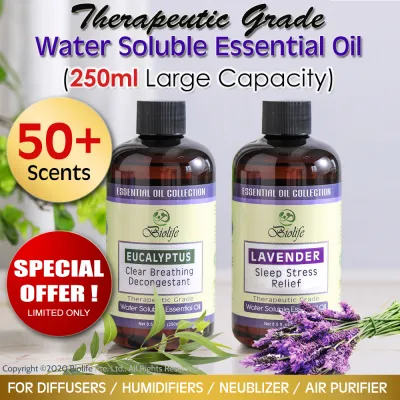

![[Kirona Scent] Aromatherapy Water Soluble Diffuser Essential Oil. Use with Aroma Diffusers Humidifiers Water Air Purifier Foot Spa](https://img.lazcdn.com/g/p/c9e86f79806d7752bc5690f4e1a8c2ef.jpg_400x400q80.jpg_.webp)
![[KIRONA SCENT] 120ML Diffuser Essential Oil | Bundle of 2 | Water Soluble Essential Oil | Suitable For Aroma Diffusers Air Revitalizers Air Purifiers Humidifiers | Luxury Hotel & Shopping Mall Scents](https://img.lazcdn.com/g/p/eebd614c2e05a630558bfdf3b85345af.jpg_400x400q80.jpg_.webp)
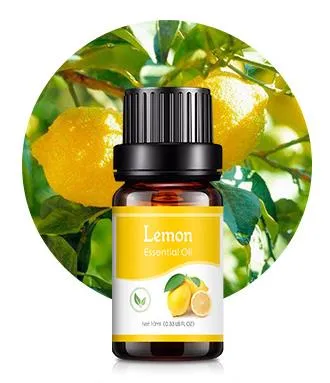
![[KIRONA SCENT] 250ML Aroma Reed Refill | Premium Quality Essential Oil | For Aroma Reed Diffusers Clay Diffusers | More than 60 Scents Available | Luxurious Hotel & Mall Fragrances](https://img.lazcdn.com/g/p/4685932625987bb431ec03fe164da9f7.jpg_400x400q80.jpg_.webp)
![[SG Seller] Fragrance Oil 500ml Scented Chase Diffuser Refill Essential Aroma(Oil Based)](https://img.lazcdn.com/g/p/2dd3ee058de3fd21188fd86b610ed3d7.jpg_400x400q80.jpg_.webp)
Prices are valid at publication and may change. Please refer to the product page for the latest price.
Key Criteria for Evaluating Diffuser Oil Brands
Distinguishing between pure essential oils, fragrance oils, and synthetic blends is the first step in evaluating any brand. Pure essential oils are extracted directly from plant matter and should list the exact botanical name (such as Lavandula angustifolia for lavender) on the label. Fragrance oils, on the other hand, are synthetic or semi-synthetic formulations designed purely for scent. While fragrance oils can offer a wider variety of complex aromas, they do not contain the natural plant compounds found in pure essential oils.
High-quality diffuser oils are highly sensitive to light and temperature. Exposure to ultraviolet (UV) radiation can degrade the chemical compounds, altering the scent profile and reducing shelf life. Reliable brands package their oils in dark amber or cobalt blue glass bottles to block out light. Avoid brands that package their oils in clear glass or plastic bottles, as plastic can react with concentrated essential oils over time.
Safety labels and traceability are key indicators of a brand’s professionalism. A trustworthy brand will print the country of origin, extraction method, batch number, and clear safety or dilution warnings on the bottle or outer packaging. Batch numbers are particularly important because they indicate that the brand tracks quality control and can trace a specific bottle back to its distillation run.
Reputable brands are transparent about how they obtain their oils. They should specify whether the oil was obtained via steam distillation, which is common for leaves and bark like eucalyptus or cedarwood, or cold pressing, which is standard for citrus peels like sweet orange or bergamot. If a brand cannot or will not disclose its extraction methods or sourcing origins, it is best to look elsewhere.
Matching Scent Profiles to Room Functions
Living rooms and entryways benefit from welcoming, universally appealing scents. Citrus oils like sweet orange, grapefruit, and bergamot provide an uplifting atmosphere that counters the heavy, humid air often found in Singaporean entryways. Light florals like jasmine or geranium can add a sophisticated touch without overpowering guests.

To promote relaxation and prepare the mind for sleep, opt for calming and grounding scent profiles in the bedroom. Lavender is a classic choice, but chamomile, cedarwood, and ylang-ylang are also excellent options. These oils work well in air-conditioned bedrooms, helping to create a cozy, serene environment that signals the body it is time to wind down.
For spaces that require focus or a sense of cleanliness, crisp and refreshing aromas are ideal. Eucalyptus, peppermint, and rosemary help stimulate mental clarity in a home office. In bathrooms, lemongrass and tea tree oils are highly effective at cutting through dampness and leaving a clean, spa-like scent.
It is important to note that the perceived strength (scent throw) and longevity of any oil depend heavily on your room’s physical characteristics. Large, open-concept living rooms with high ceilings or active ceiling fans will require a stronger diffusion rate or more oil drops compared to a small, enclosed study. High ventilation can disperse the scent quickly, while closed, air-conditioned spaces will retain the aroma for much longer.
Navigating Price, Value, and Packaging Sizes
To compare different brands and bottle sizes objectively, calculate the cost per milliliter in S$. For example, a 10ml bottle priced at S$20 costs S$2.00 per ml, whereas a 50ml bottle of the same oil priced at S$60 costs S$1.20 per ml. This simple calculation helps you see past attractive packaging or low entry prices to find the true value.
If you are experimenting with a new brand or an unfamiliar scent profile, start with smaller trial sizes, typically 5ml or 10ml. This minimizes financial waste if the scent does not suit your preferences or causes mild headaches. Once you have identified your favorite everyday scents, purchasing larger bulk sizes (30ml to 100ml) offers significant long-term savings.
Pure essential oils require a massive volume of plant material to produce even a small amount of oil. Consequently, if you encounter a brand selling “pure” rose, jasmine, or sandalwood oil for an incredibly low price, it is almost certainly a synthetic dilution or a cheap carrier oil mixed with synthetic fragrance. True purity comes with a baseline production cost.
Establish a budget based on your usage frequency. If you run your diffuser daily for several hours, you will consume oil much faster than a casual weekend user. For daily use, budget for mid-tier brands that offer reliable purity at a reasonable bulk price, reserving premium, single-origin therapeutic oils for occasional, targeted relaxation sessions.
Verifying Authenticity and Choosing Purchase Channels
The safest way to ensure you are buying authentic diffuser oils is to purchase directly from the brand’s official website, their physical flagship boutiques, or established department stores in Singapore. These channels guarantee product freshness, proper storage conditions, and direct recourse if there is an issue with your purchase.
When shopping on general online marketplaces, exercise caution. Look out for red flags such as blurry product labels, missing batch codes in the product photos, or listings from unauthorized third-party sellers. If the price is significantly lower than what is listed on the manufacturer’s official website, the product may be counterfeit, expired, or improperly stored in hot warehouses.
Before buying from a third-party seller, cross-reference the product details—such as the exact bottle design, cap style, label fonts, and available sizes—with the manufacturer’s official catalog. Minor discrepancies in packaging design or font alignment often indicate a counterfeit product.
A reliable brand or retailer will stand behind their product. Check their return policy before purchasing, especially regarding opened or used items. Responsive customer service that can answer specific questions about oil sourcing, extraction dates, or batch testing is a strong indicator of a trustworthy brand.
Safe Usage and Maintenance for Home Diffusers
While diffuser oils can enhance your home environment, safety must come first. Keep all concentrated oils strictly out of reach of children and pets. Be aware that certain essential oils, such as tea tree, eucalyptus, peppermint, and citrus oils, can be highly toxic to household pets, particularly cats and dogs, even when diffused. Always research pet-safe options and ensure your home is well-ventilated.
For standard ultrasonic diffusers, follow the manufacturer’s guidelines for the correct water-to-oil ratio. Generally, adding 3 to 5 drops of oil per 100ml of water is sufficient to create a pleasant aroma without overwhelming the space or causing respiratory irritation. Adding too much oil can also clog the ultrasonic plate and shorten the lifespan of your device.
To prevent oil residue buildup, mold growth, and scent cross-contamination, clean your diffuser tank regularly. After every few uses, unplug the device, empty any remaining water, and wipe the interior with a soft cloth dipped in a mild dish soap solution or a mixture of water and white vinegar. Never submerge the electrical base in water, and always isolate the power source before cleaning.
If you notice a decrease in mist output, unusual noises, or persistent residue that does not come off with standard cleaning, stop using the device immediately. Refer to the manufacturer’s instruction manual for troubleshooting steps or contact a qualified professional for servicing. Never attempt to modify the electrical components of your diffuser.
Frequently Asked Questions (FAQ)
Can I use diffuser oils in a standard room humidifier?
No, you should not use standard diffuser oils in a regular cool-mist room humidifier unless the manufacturer explicitly states it is safe to do so. Ultrasonic aroma diffusers and standard humidifiers operate on different mechanical principles. Humidifiers are designed to disperse large volumes of water vapor and often feature plastic parts, filters, and seals that are not resistant to the corrosive nature of concentrated essential or fragrance oils. Adding oils directly to a standard humidifier’s water tank can degrade the plastic components, clog the internal mechanisms, void your warranty, and potentially release harmful plastic particles into the air. Always use oils only in designated aroma diffusers or humidifiers equipped with a dedicated oil tray.
How long does a standard 10ml bottle of diffuser oil typically last?
A standard 10ml bottle of diffuser oil contains approximately 200 to 250 drops of oil. If you use a typical ultrasonic diffuser and add 5 drops per session, a 10ml bottle will provide roughly 40 to 50 uses. For someone who runs their diffuser once a day for 2 to 3 hours, a single 10ml bottle will last between one and a half to two months. However, the actual lifespan of your oil will vary depending on your diffuser’s mist output settings, the size of the water tank, and how strong you prefer your scent to be. To maintain optimal scent quality, store your bottles in a cool, dark place away from direct sunlight, and check the period-after-opening (PAO) symbol or expiration date on the label.
Community discussion
Share your experience or ask a question. Comments are reviewed before publication.