
Choosing the right joss oil (also commonly referred to as prayer oil or altar lamp oil) for your home altar in Singapore is essential for maintaining a clean, safe, and spiritually serene environment. While many brands line the shelves of local religious goods shops and online marketplaces, finding a reliable product requires looking beyond the packaging. A high-quality joss oil must burn cleanly with minimal smoke, emit a pleasant or neutral scent that does not irritate the respiratory system, and possess a stable formulation suitable for indoor use. This guide provides a comprehensive framework to help you evaluate joss oil brands, verify product safety, and select the ideal oil for your daily home worship.
Understanding Joss Oil for Daily Home Worship
In many Singaporean households, the continuous flame of an altar lamp symbolizes wisdom, brightness, and continuous devotion. Because these lamps often burn for hours daily, the choice of fuel directly impacts both the indoor air quality of your home and the longevity of your altar decor. Joss oil is specifically formulated to burn slowly and steadily through a wick, providing a consistent flame without the rapid evaporation associated with other household fuels.
It is crucial to distinguish specialized joss oil from standard essential oils and generic lamp oils. Essential oils are highly volatile plant extracts designed for diffusion or aromatherapy; they are not formulated for direct combustion in a wick-based lamp and can pose severe flash-fire hazards if burned directly. On the other hand, generic lamp oils, such as kerosene or outdoor torch fuels, are formulated for high-ventilation outdoor environments. Burning outdoor fuels indoors releases heavy hydrocarbons, soot, and sulfur compounds that can quickly compromise your home’s air quality.
Products mentioned in this guide

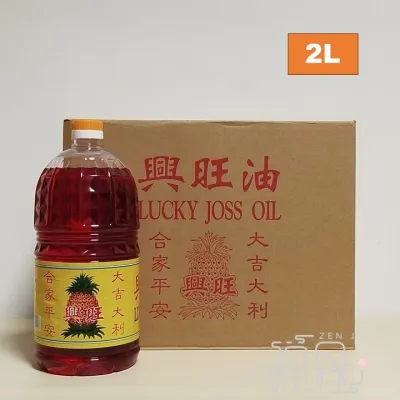
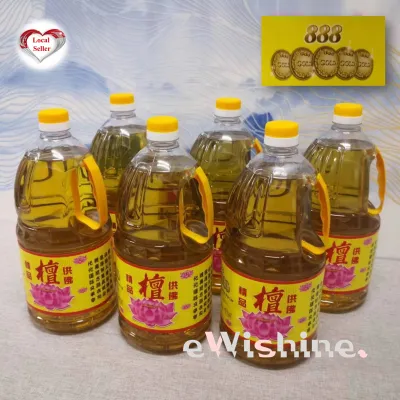
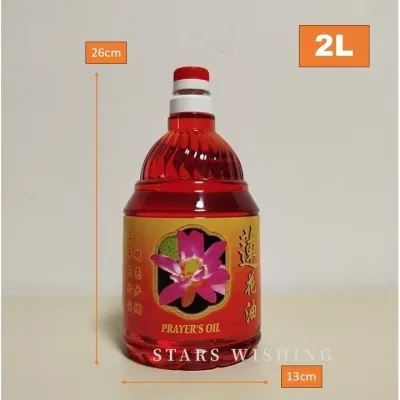
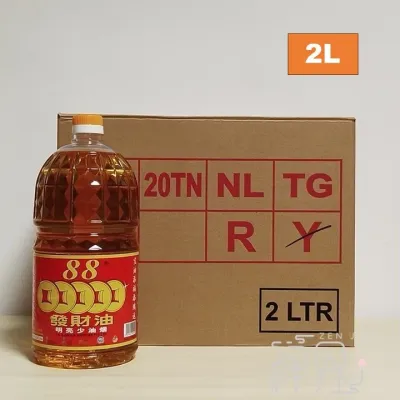
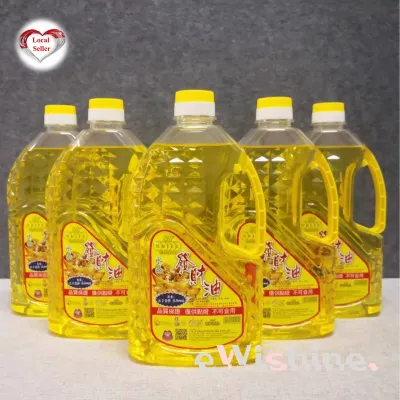
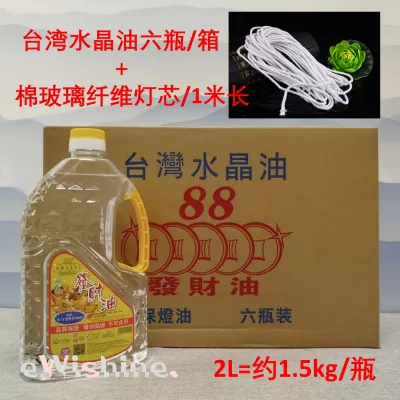
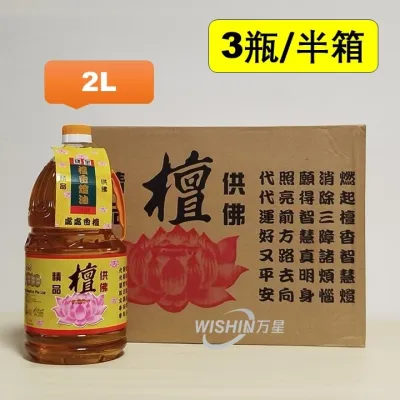
Prices are valid at publication and may change. Please refer to the product page for the latest price.
Modern, high-quality joss oils are typically composed of highly refined liquid paraffin (mineral oil) or specialized plant-based esters. Liquid paraffin is highly favored for indoor altars because it is purified to remove impurities, rendering it virtually odorless in its base state. This high level of refinement ensures a high flashpoint, meaning the oil is stable at room temperature and will only burn when drawn up through a wick, resulting in a controlled, clean burn with minimal soot production.
Key Factors to Evaluate When Selecting Joss Oil
When evaluating different joss oil brands for your home altar, several critical performance and safety factors should guide your decision. By assessing these criteria, you can ensure that the oil you choose is compatible with your living space and your specific lamp setup.

- Scent Profile and Fragrance Strength: Traditional scents like Sandalwood (檀香) and Jasmine are highly popular for creating a meditative atmosphere. However, the quality of the fragrance compounds is vital. Low-grade synthetic perfumes can release harsh chemical odors that cause headaches or throat irritation, especially in enclosed spaces. If your altar is located in a smaller HDB flat or a room with limited cross-ventilation, consider choosing completely unscented joss oils or brands that use high-grade, heat-stable fragrance oils.
- Smoke and Soot Emission Levels: Indoor air quality is a primary concern for high-rise apartment living. A reliable joss oil brand will explicitly label its product as "smokeless" or "low-soot." High soot production not only poses respiratory risks but also leaves a stubborn black residue on your walls, ceilings, and cherished altar deities. Look for highly refined formulations that guarantee a clean burn under normal indoor conditions.
- Viscosity and Wick Compatibility: The thickness, or viscosity, of the oil determines how efficiently it travels up the wick via capillary action. If an oil is too thick, the flame will starve, causing the wick to char and burn down rapidly. If the oil is too thin, it may burn too quickly, increasing consumption and heat. Standard cotton or fiberglass wicks require an oil with a balanced viscosity to maintain a steady, medium-sized flame without excessive maintenance.
- Ingredient Transparency and Colorants: Many joss oils are dyed red or yellow for auspicious reasons. It is important to verify that the brand uses heat-stable, non-toxic dyes that do not leave heavy metallic residues or clog the wick as the oil vaporizes. Brands that provide clear ingredient disclosures are generally more reliable than those offering vague descriptions.
How to Verify Brand Reliability and Product Safety
Because joss oil is an open-flame fuel source used indoors, verifying the safety and reliability of the brand is a step that should never be overlooked. You can independently assess a product’s safety by examining its packaging, labeling, and market reputation.
First, carefully read the product label for essential safety information. A trustworthy manufacturer will always print clear safety warnings, usage instructions, and contact details on the bottle. Look for the specific chemical name of the base oil, such as “99% pure liquid paraffin” or “refined mineral oil.” Avoid products that lack manufacturer identification or fail to list safety precautions regarding open flames and child safety.
Second, check the packaging for quality indicators. Reliable brands package their oils in durable, high-density polyethylene (HDPE) or thick PET bottles equipped with child-resistant caps to prevent accidental ingestion or spills. The bottle should also feature a secure induction seal under the cap to prevent leakage during transport. While local regulations govern general chemical safety, brands that voluntarily provide access to Safety Data Sheets (SDS) demonstrate a high level of responsibility and quality control.
Finally, leverage customer feedback and community reviews when shopping. Look for detailed reviews on online marketplaces or local home worship forums that specifically mention long-term burning behavior. Pay close attention to feedback regarding “black smoke,” “chemical odors,” “clogged wicks,” or “leaky packaging.” Consistent complaints about these issues are strong indicators of poor quality control or diluted formulations, whereas positive reviews highlighting a steady, clean burn indicate a reliable brand.
Where to Source Authentic Joss Oil in Singapore
Sourcing your joss oil from reputable channels is the best way to ensure you are purchasing genuine, high-quality products rather than substandard or counterfeit alternatives.
Traditional religious supply stores, often found in heritage areas like Waterloo Street, Chinatown, or neighborhood heartland centers, are excellent physical sources. The shopkeepers in these established businesses possess deep knowledge of traditional practices and can recommend specific oils compatible with your lamp type. Buying from a physical store also allows you to inspect the product directly before purchasing.
When inspecting a bottle in a physical store, check the clarity of the oil. High-quality joss oil should be crystal clear, with no cloudiness, sediment, or separation of dye. Avoid bottles that are heavily covered in dust or faded by sunlight, as prolonged exposure to heat and light can degrade the oil’s chemical structure and fragrance.
If you prefer the convenience of online marketplaces, take extra precautions to verify the seller’s authenticity. Only purchase from official brand stores, preferred local sellers, or shops with high ratings and positive transaction histories. Be cautious of extremely cheap, unbranded oils, as they may be diluted with industrial solvents or low-grade oils that pose severe health and fire hazards. Always check the seller’s return policy in case the product arrives damaged or leaking during transit.
Proper Storage and Handling of Joss Oil at Home
To preserve the quality of your joss oil and ensure a safe home environment, proper storage and handling practices are essential.
- Ideal Storage Conditions: Store your joss oil in a cool, dry cupboard away from direct sunlight, electrical appliances, and the altar's open flames. Singapore's warm, humid climate can accelerate the degradation of low-quality oils, but even premium liquid paraffin should be kept away from heat sources to maintain its stability and fragrance profile.
- Safe Handling and Pouring: Always use a small, dedicated funnel when refilling your lamp reservoir to prevent spills. If oil accidentally spills onto your wooden altar or floor, wipe it up immediately with a dry cloth, followed by a mild soapy solution. Joss oil can strip wood varnishes, stain fabrics, and create highly slippery floor surfaces. Always keep the bottle tightly capped when not in use.
- Altar Safety and Placement: Position your oil lamp on a stable, level surface away from drafts, open windows, and air conditioning vents. Drafts can cause the flame to flicker violently, leading to incomplete combustion, smoke, and an increased risk of nearby combustible items—such as joss paper, artificial flowers, or curtains—catching fire.
- Disposal and Cleaning: Never pour old, cloudy, or contaminated joss oil down your kitchen sink or toilet, as it can coat your plumbing and lead to stubborn clogs. Instead, absorb the excess oil with paper towels or newspaper and dispose of it in your general household waste. Before refilling your lamp, wipe the reservoir clean to remove any accumulated dust or moisture, which can interfere with the burn quality.
Frequently Asked Questions (FAQ)
Can I mix different brands of joss oil in the same lamp?
Mixing different brands of joss oil in the same lamp reservoir is highly discouraged. Even if two oils appear identical in color, different manufacturers use proprietary formulations, chemical bases, viscosities, and fragrance additives. Mixing them can alter the overall flashpoint of the fuel, lead to uneven burning, produce excessive smoke, or cause chemical reactions that result in cloudy sediment. This sediment can easily clog your wick, leading to poor flame performance and carbon buildup. To maintain a clean and safe burn, always empty and thoroughly clean your lamp reservoir before switching to a new brand of joss oil.
How often should I clean my oil lamp when using joss oil?
For daily practitioners, a quick exterior wipe-down of the lamp should be performed weekly to remove dust and minor oil residue. A deep clean of the reservoir and wick assembly is recommended every one to two months. However, you should clean your lamp immediately if you observe signs of poor performance, such as a constantly flickering flame, a significant reduction in brightness, cloudy oil in the reservoir, or a heavy buildup of black carbon (mushrooming) on the wick holder. Regular cleaning ensures optimal capillary action, prevents soot buildup, and maintains a safe, steady flame on your home altar.
Community discussion
Share your experience or ask a question. Comments are reviewed before publication.