
Outfitting an entire home in Singapore with LED downlights is a significant investment that directly shapes daily comfort, visual appeal, and electrical safety. A successful whole-home installation relies on selecting a brand that offers long-term reliability, technical compatibility, and robust local support. Rather than focusing solely on the lowest price point, homeowners must evaluate how a brand performs across multiple rooms, its compatibility with local electrical standards, and the availability of replacement parts years down the road.
Because downlights are recessed directly into your ceilings, replacing a faulty unit is not as simple as swapping a standard lightbulb. A premature failure can lead to mismatched color temperatures, damaged plasterboard, or costly electrical troubleshooting. By establishing clear evaluation criteria and understanding the technical requirements of Singaporean homes, you can confidently select a brand that delivers consistent performance across your entire living space.
Core Criteria for Evaluating Whole-Home Downlight Brands
When evaluating LED downlight brands for a comprehensive residential installation, local warranty support should be your primary consideration. LED fixtures consist of two main components: the light-emitting diode (LED) chip and the electronic driver that regulates the current. The driver is typically the component most sensitive to voltage fluctuations and heat buildup. A reliable brand must offer accessible local warranties in Singapore, ensuring you can secure replacement drivers or modules quickly without waiting weeks for international shipping or facing high transport fees.
Products mentioned in this guide
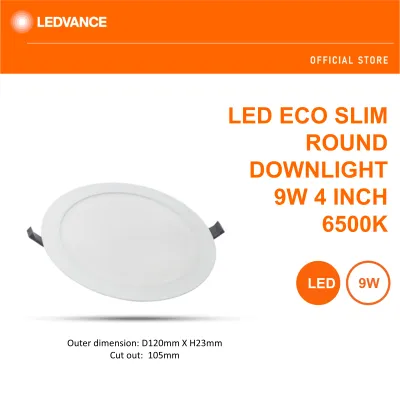
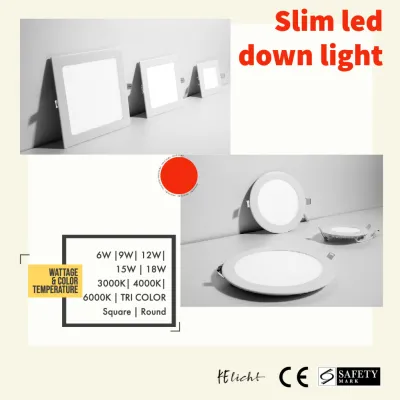
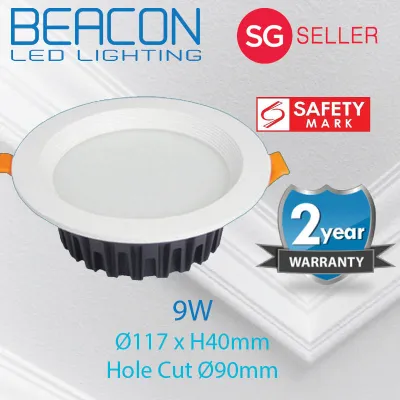
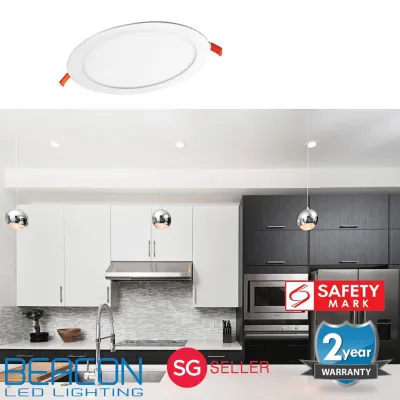
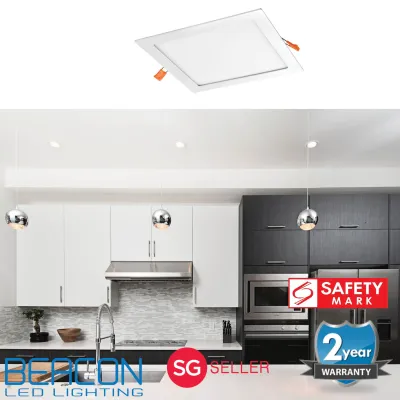
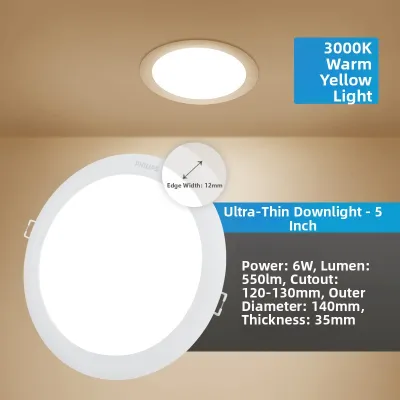
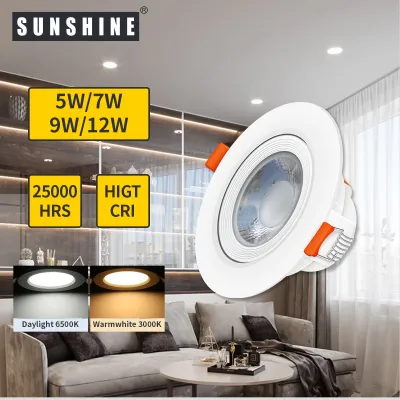
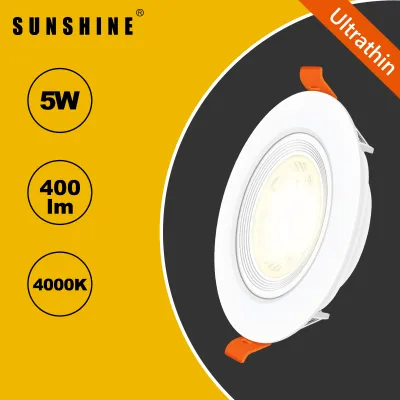
Prices are valid at publication and may change. Please refer to the product page for the latest price.
Product line depth is another critical factor for whole-home consistency. A single residential project requires different lighting characteristics for different spaces, such as wide beam angles for general living areas, narrow spot beams for highlighting artwork, and low-glare deep-recessed designs for bedrooms. A reputable brand should offer a unified product family where the bezel finishes, color temperatures, and color rendering indices match perfectly across various form factors. This prevents visual discordance when transitioning from one room to another.
Safety certifications are non-negotiable for fixed electrical installations in Singapore. Under the Consumer Protection (Safety Requirements) Scheme, controlled electrical accessories—including the external LED drivers that power your downlights—must carry the safety mark. This certification ensures the equipment has been tested and approved for safe operation on Singapore’s 230V, 50Hz electrical grid. Choosing brands that prioritize certified drivers significantly reduces the risk of electrical short circuits, premature component degradation, and household fire hazards.
Navigating Brand Tiers and Market Options in Singapore
The lighting market in Singapore is broadly divided between international heritage brands and specialized local lighting showrooms. International heritage brands are recognized for their rigorous manufacturing standards, extensive research and development, and highly consistent quality control. These brands are widely available through authorized distributors and electrical supply shops across the island, making it easy to source replacement parts years after your initial purchase.

Conversely, specialized local lighting showrooms often curate high-quality architectural-grade fixtures or distribute boutique regional brands. These local specialists excel at providing personalized customer service, detailed lighting layout consultations, and direct replacement policies. While their products may carry a premium, they often feature advanced optical designs, such as deep-recessed bezels that minimize glare, making them highly popular for modern, minimalist interior designs in condominiums and landed properties.
Understanding the budget trade-offs between premium architectural lines and cost-effective bulk collections is essential for managing whole-home procurement costs. Premium architectural-grade downlights typically range from S$40 to S$100 or more per fixture, offering superior color rendering, die-cast aluminum construction, and highly smooth dimming capabilities. Cost-effective residential collections generally range from S$15 to S$35 per fixture. To optimize your budget, consider a hybrid approach: invest in premium, high-CRI fixtures for high-traffic areas like the living room and dining space, while utilizing standard, reliable collections for utility rooms, corridors, and store rooms.
To safeguard your investment, always purchase your fixtures through authorized physical showrooms or official online storefronts. Sourcing electrical goods from unregulated online marketplaces or parallel importers carries significant risks. These products may lack the necessary safety mark, feature sub-standard internal wiring, or offer no viable warranty support when a component fails. Purchasing through official channels ensures you receive genuine products backed by local technical assistance.
Building Your Condition-Based Brand Shortlist
Before finalizing your brand shortlist, you must match the physical specifications of the fixtures to the architectural constraints of your home. In Singapore, HDB flats and condominiums often feature concrete slab ceilings where false ceilings are installed to conceal electrical wiring and air conditioning ducts. The depth of this false ceiling cavity—which can range from a shallow 50mm to a generous 150mm—directly dictates the height of the downlight you can install. Ensure the brand you select offers fixtures with a profile height, including the driver, that fits comfortably within your specific ceiling void without touching the concrete slab above, which can restrict airflow.
Dimming compatibility is another critical technical hurdle that requires careful planning. If you intend to install dimmable lighting or integrate your downlights into a smart home automation system, you must verify the dimming protocol used by the brand’s drivers. Standard wall dimmers typically rely on phase-cut (Triac) dimming, which requires a highly compatible driver to prevent annoying flickering or buzzing at low light levels. For advanced smart home setups, ensure the brand offers drivers compatible with digital protocols such as DALI, 0-10V, or wireless standards like Zigbee, allowing for seamless integration with your smart switches and hubs.
Specialized zones within your home demand fixtures with specific environmental protections. Kitchens are subject to airborne grease and steam, while bathrooms experience high humidity and direct water splashing. Balconies and service yards are exposed to wind, dust, and occasional driving rain. Your chosen brand must offer fixtures with appropriate Ingress Protection (IP) ratings for these areas. Downlights installed directly over showers or in open balconies should carry at least an IP44 or IP65 rating to prevent moisture and dust from penetrating the electrical housing and tripping your home’s residual current circuit breaker.
Essential Pre-Purchase and Installation Checks
Prior to committing to a large-scale lighting order, request physical samples or mock-ups of your preferred downlights to evaluate their performance in your actual living space. Observe the fixture’s glare control; deep-recessed designs keep the light source hidden from your direct line of sight, which significantly reduces eye strain in living areas. Additionally, check the actual color rendering of the light against your home’s paint swatches, wooden flooring, and furniture. A high Color Rendering Index (typically CRI 90 or above) ensures colors appear vibrant and true to life, whereas lower-quality LEDs can cast a dull, greenish, or overly gray hue over your interiors.
Thermal management is the single most important factor determining the lifespan of an LED downlight. High-quality fixtures utilize robust, heavy die-cast aluminum heat sinks to draw heat away from the sensitive LED chip. If your ceiling cavity contains thermal or acoustic insulation, you must verify whether the downlights are rated for insulation contact (IC-rated). Non-IC-rated fixtures require a specific clearance distance from insulation materials to prevent heat buildup, which rapidly degrades the light output and shortens the operational life of the driver and LED diode.
Finally, establish clear boundaries for professional installation to ensure safety and compliance with local regulations. Working with fixed electrical wiring carries inherent risks of electrical shock and fire. Always isolate the mains power at your home’s distribution board before attempting any physical inspection or replacement of lighting components. While homeowners can easily clean external bezels or swap out simple plug-and-play modules, any modification to fixed wiring, cutting of new ceiling apertures, or installation of new drivers must be performed by a licensed electrical worker in Singapore. A professional installer ensures all connections are secure, properly grounded, and compliant with local electrical codes.
Frequently Asked Questions (FAQ)
Can I mix different LED downlight brands in the same home?
Mixing different LED downlight brands within the same continuous visual space is generally not recommended due to noticeable inconsistencies in light quality. Even if two different manufacturers label their products as having the same color temperature, such as 3000K Warm White, their actual color appearance can vary significantly. This variation is caused by differences in manufacturing tolerances, often measured in MacAdam ellipse steps; a brand with a wider tolerance may look slightly yellow or pink next to a more precise fixture, resulting in a patchy ceiling aesthetic.
Furthermore, different brands utilize distinct driver designs and dimming curves. If you connect downlights from different manufacturers to the same dimmer switch, they are highly likely to dim at different rates, flicker, or fail to turn on simultaneously. If you must use different brands, restrict them to separate, enclosed rooms—such as using one brand exclusively for the bedrooms and another for the living room—to avoid visual and technical conflicts.
How do I calculate the total number of downlights needed for a whole-home project?
Calculating the required number of downlights involves analyzing several key variables rather than relying on a single rigid formula. You must consider the height of your ceilings, the primary function of each room, the reflectance of your wall and floor surfaces, and the beam angle of the fixtures. For example, a kitchen requires higher, more focused light levels (lux) for safe food preparation, whereas a bedroom benefits from softer, more spaced-out ambient lighting.
Downlights with narrow beam angles (24 to 36 degrees) create concentrated pools of light and shadow, requiring more fixtures to achieve even coverage, while wide beam angles (60 degrees or more) spread light broadly across the floor. For complex architectural layouts, high ceilings, or integrated smart lighting schemes, it is highly advisable to consult a professional lighting designer or utilize the digital simulation services offered by established lighting showrooms in Singapore to ensure an optimal balance of light and shadow.
Community discussion
Share your experience or ask a question. Comments are reviewed before publication.