
Selecting the right outdoor fairy lights in Singapore requires looking beyond aesthetic appeal to evaluate how well a product can withstand a demanding tropical environment. Singapore’s climate—characterized by intense equatorial sunlight, high relative humidity, and sudden, heavy monsoon downpours—presents a harsh environment for outdoor electrical installations. Choosing a brand that cannot handle these conditions often leads to premature product failure, short circuits, or electrical hazards.
To find a reliable brand, you must focus on verifiable technical specifications, robust warranty terms, and appropriate power configurations. Rather than relying on generic marketing claims, a systematic evaluation of product build quality and safety certifications will ensure your outdoor lighting setup remains safe and functional for years to come.
Essential Weather-Resistance Specifications to Check
The most critical factor in choosing outdoor fairy lights is the Ingress Protection (IP) rating, which defines the light strand’s resistance to solids and liquids. For Singapore’s frequent and heavy rainstorms, IP44 is the absolute minimum rating for semi-sheltered outdoor spaces, such as covered HDB balconies or condominium patios. If you plan to install the lights in fully exposed areas like open gardens, rooftops, or tree branches, you should prioritize brands that offer IP65 or higher ratings, which indicate protection against low-pressure water jets from any direction.
Products mentioned in this guide
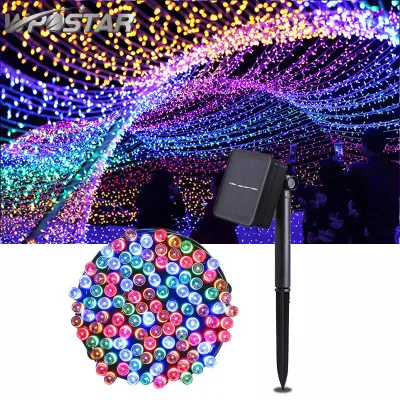
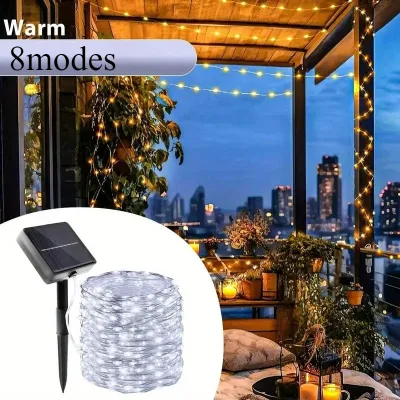

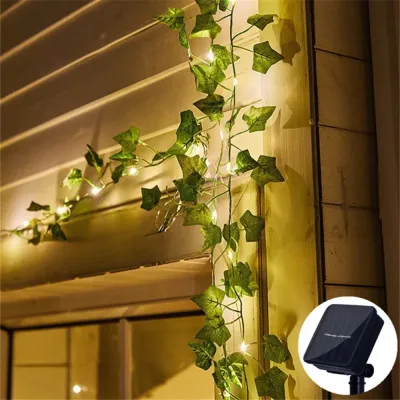
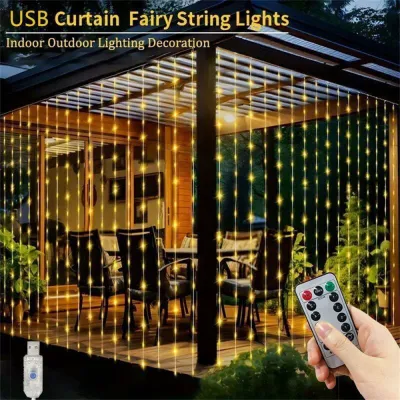
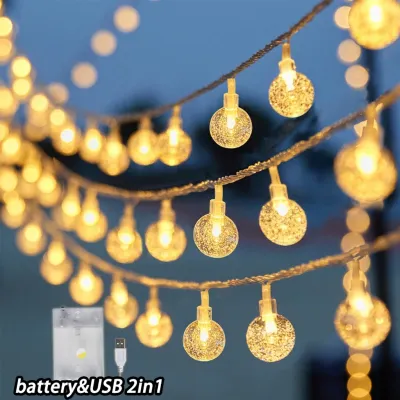
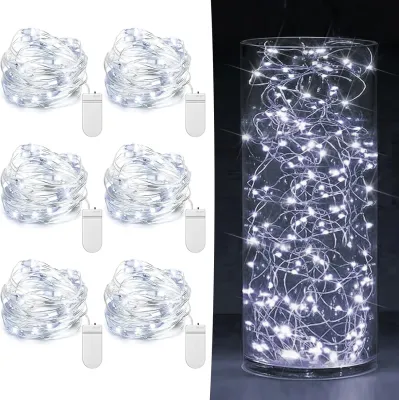
Prices are valid at publication and may change. Please refer to the product page for the latest price.
Beyond water resistance, the intense ultraviolet (UV) radiation in Singapore can rapidly degrade standard plastic wiring. Cheap or indoor-rated PVC cables become brittle, crack, and expose live copper wires after only a few months of direct sun exposure. Look for brands that specify UV-resistant wire coatings, such as heavy-duty rubber (often labeled as H05RN-F) or specialized UV-stabilized PVC. These materials remain flexible and intact despite prolonged exposure to harsh sunlight.
Additionally, check the manufacturer’s specified operating temperature and humidity ranges. Outdoor temperatures in Singapore regularly exceed 30°C, and surface temperatures on dark cables exposed to direct sunlight can rise significantly higher. A reliable brand will explicitly state that its products are designed to operate safely in high-temperature environments (up to 50°C or higher) and under 100% relative humidity conditions without internal condensation.
Evaluating Brand Reliability and Warranty Support
When comparing brands, the strength of their warranty terms is a strong indicator of product durability. Many low-cost brands offer generic warranties that exclude water damage or are limited to indoor use only. A reputable outdoor lighting brand will provide a clear, written warranty that explicitly covers outdoor deployment and weather-related moisture ingress under normal operating conditions. Look for brands offering at least a 12-month local warranty to protect your investment.

Another hallmark of a reliable brand is the availability of modular replacement parts. Low-quality fairy lights are often constructed as a single, sealed circuit; if one bulb or section fails, the entire strand must be discarded. High-quality brands design their systems with detachable segments, replaceable LED bulbs, and separate power adapters. This modularity allows you to replace a single damaged component easily, reducing long-term maintenance costs and environmental waste.
Local customer support is equally vital when evaluating a brand. Purchasing from a brand with a registered local distributor or dedicated customer service office in Singapore ensures that you can easily process warranty claims, obtain compatible replacement parts, and receive technical assistance. Avoid brands that require you to ship defective items back to overseas warehouses at your own expense, as this often makes warranty claims impractical.
Comparing Power Sources for Outdoor Setups
Choosing the right power source depends heavily on your specific outdoor layout and the architectural constraints of your home. Solar-powered fairy lights are highly convenient for open gardens and unshaded landed properties because they eliminate the need for outdoor electrical outlets. However, in Singapore’s high-rise urban environment, many HDB and condominium balconies are shaded by upper floors or neighboring buildings. If your outdoor space does not receive at least six hours of direct, unobstructed sunlight daily, solar-powered lights will fail to charge fully, resulting in dim or short-lived illumination.
Battery-operated fairy lights offer excellent portability and operate on safe, low-voltage currents, making them ideal for temporary festive decorations or areas far from a power source. However, the battery compartment is the most vulnerable point for moisture ingress. High humidity can cause rapid corrosion of the battery terminals if the compartment lacks a high-quality silicone or rubber gasket. When choosing battery-powered options, verify that the battery box itself carries an IP44 or higher rating and features a secure, screw-down lid.
For permanent, bright, and reliable year-round lighting, plug-in (mains-powered) setups are the preferred choice. These systems provide consistent brightness regardless of weather conditions but require careful planning. You must ensure that the power adapter (transformer) is plugged into an outdoor-rated socket or housed inside a certified waterproof connection box (often referred to as a dri-box). Additionally, verify that any extension cords used are specifically rated for outdoor use and feature heavy-duty, weather-resistant insulation.
Safe Installation and Electrical Boundaries
Safe installation is paramount when dealing with outdoor electrical fixtures. Before hanging any fairy lights, perform a thorough load-bearing check on the supporting structures, such as balcony railings, awnings, or tree branches. Heavy-duty rubberized cables can add substantial weight, especially when wet or subjected to strong winds during monsoon seasons. Use secure, non-damaging mounting hardware like stainless steel cup hooks, UV-resistant cable ties, or specialized mounting clips rather than temporary adhesives or metal staples, which can pinch and damage the cable insulation.
To prevent electrical hazards, all connection points, plugs, and controllers must be elevated at least 30 centimeters above the ground. This prevents them from being submerged in pooling water during sudden downpours. When routing cables, always incorporate a “drip loop”—a simple downward curve in the wire just before it enters a plug or connection point. This loop forces rainwater to drip off the bottom of the curve rather than tracking along the cable directly into the electrical connection.
Understanding your electrical limits is crucial for preventing overloaded circuits and fire hazards. Verify the voltage compatibility (Singapore’s standard mains voltage is 230V, 50Hz) and the maximum wattage limit of your power outlet. Never exceed the manufacturer’s specified limit for daisy-chaining multiple light strands together. For any complex installations, permanent outdoor wiring, or the addition of new outdoor sockets, always isolate the power at the main distribution board and hire a licensed electrical worker (LEW) in Singapore to ensure compliance with local electrical safety standards (SS 638).
Where to Source Authentic Products
To avoid counterfeit or mislabeled products, you should prioritize purchasing from official brand stores, authorized local distributors, or specialized lighting showrooms in Singapore. These established retailers are legally required to comply with local consumer protection laws and safety standards. They can provide verified product specifications and genuine manufacturer warranties, giving you peace of mind that the lights are truly rated for outdoor use.
When browsing online marketplaces or ecommerce platforms, exercise caution with listings that make unrealistic performance claims at extremely low prices. Carefully evaluate seller credentials, look for official store badges, and read critical customer reviews. Pay close attention to feedback from local buyers who have tested the lights in actual Singapore weather conditions, as this provides valuable real-world evidence of durability.
Upon receiving your purchase, perform a physical inspection of the product before installation. Check for the Enterprise Singapore Safety Mark on the power adapter or transformer, which indicates that the electrical component has been tested and certified safe for use in Singapore. Verify that the physical plug matches Singapore’s Type G standard or uses a safe, manufacturer-approved adapter. Inspect the entire length of the cable to ensure the insulation is thick, flexible, and completely free of manufacturing defects or exposed wiring.
Frequently Asked Questions (FAQ)
Can indoor fairy lights be used outside temporarily?
No, indoor fairy lights should never be used outdoors, even for a short period or during dry weather. Indoor lights lack the necessary moisture seals, rubber gaskets, and UV-resistant insulation required to withstand outdoor environments. The high relative humidity in Singapore can cause moisture to condense inside the light sockets, leading to short circuits, electrical shocks, or tripping your home’s residual current circuit breaker (RCCB). If unexpected rain occurs while non-weatherproof lights are exposed, immediately isolate the power at the main source before attempting to touch or dismantle the setup.
How do I prevent the wires from degrading in direct sunlight?
To maximize the lifespan of your outdoor fairy lights under Singapore’s intense sun, install them in strategic locations that offer partial shade, such as underneath roof eaves, awnings, or semi-shaded balcony ceilings. Avoid wrapping cables tightly around metal structures that can absorb heat and accelerate thermal degradation of the plastic insulation. Conduct regular visual inspections at least once every few months, looking for early signs of UV damage such as color fading, hardening, or fine cracks in the cable jacket. If you detect any physical degradation, disconnect the power immediately and replace the damaged sections to prevent water ingress.
Community discussion
Share your experience or ask a question. Comments are reviewed before publication.