
Selecting reliable outdoor solar fairy lights for Singapore’s tropical environment requires looking beyond brand names to focus on verifiable technical specifications. Singapore’s climate—characterized by high humidity, intense UV radiation, and sudden heavy downpours—presents a challenging environment for outdoor electronics. The key to selecting a durable product lies in evaluating the ingress protection (IP) rating, the solar panel material, the battery chemistry, and the quality of the cabling. By understanding these technical details, you can identify high-performing options on online marketplaces and specialty lighting stores that will withstand local conditions.
Rather than relying on subjective marketing claims, consumers should learn to read product labels and specification sheets. A systematic approach to evaluating weatherproofing, energy conversion, and physical build quality is the most reliable way to ensure your decorative lighting remains functional season after season. This guide outlines the essential criteria for assessing solar fairy lights, planning a secure installation, and maintaining your setup for long-term performance.
Weather Resistance and Material Checks for Tropical Climates
When assessing solar fairy lights for outdoor use in Singapore, the Ingress Protection (IP) rating is the most critical specification to verify. This rating consists of two digits: the first represents protection against solid particles, and the second represents protection against liquids. For continuous outdoor exposure where heavy rain and splashing are common, look for products rated at least IP65. An IP65 rating indicates the product is dust-tight and protected against water jets from any angle, while an IP67 rating offers protection against temporary immersion, providing an extra layer of safety during intense monsoon downpours.
Products mentioned in this guide
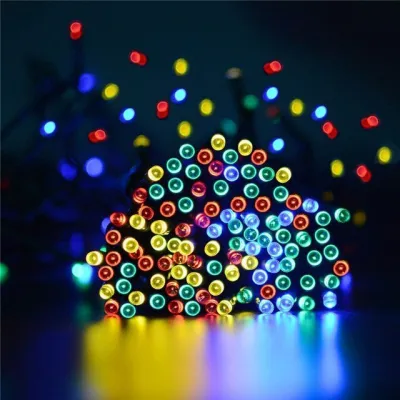
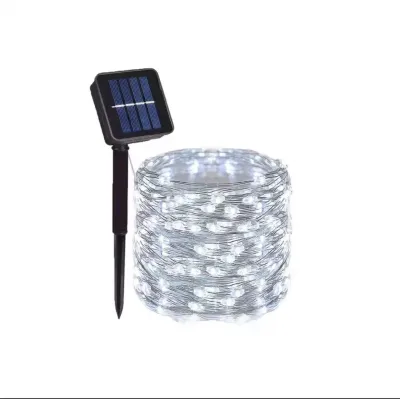
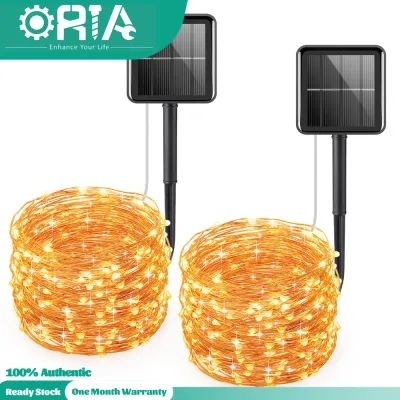
![[Ready Stock] KIPRUN Solar Powered String Lights 72ft /22M 200 LED Fairy Lights 8 Modes Starry Lights Waterproof Fairy Christmas Decorative Lights for Outdoor Wedding Homes Party Halloween Warm White Light](https://img.lazcdn.com/g/p/c594bddb0468f3e7b6fb0ece57d0a936.jpg_400x400q80.jpg_.webp)
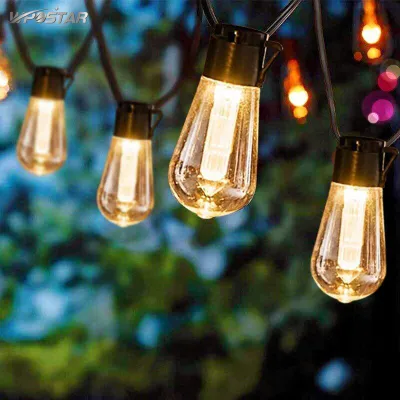
Prices are valid at publication and may change. Please refer to the product page for the latest price.
Avoid products that only carry an IP44 rating for permanent outdoor installations. While IP44 lights are protected against splashing water, they are not sealed against high-velocity rain or fine dust, making them highly susceptible to water ingress over time. Water entering the bulb housing or the control box will cause rapid corrosion of the internal circuitry, leading to premature product failure.
Beyond water resistance, the materials used in the cabling and bulb covers must be evaluated for UV resistance. Singapore’s high UV index can cause standard plastics to degrade, turn yellow, and become brittle within a few months of exposure. Look for cables insulated with heavy-duty, UV-stabilized polyvinyl chloride (PVC) or rubber rather than thin, transparent plastics. UV-stabilized materials resist cracking, which prevents moisture from reaching the copper wiring inside.
Additionally, check the manufacturer’s packaging for specified operating temperature limits. While Singapore does not experience freezing temperatures, solar panels and battery boxes placed in direct sunlight on concrete patios or metal railings can reach surface temperatures well above 40°C. Ensuring the product is rated for ambient operating temperatures up to 45°C or 50°C helps guarantee that the internal components and battery housing will not warp or degrade under intense heat.
Assessing Solar Panel and Battery Specifications
The performance of solar fairy lights during Singapore’s frequent overcast days and monsoon seasons depends heavily on the efficiency of the solar panel and the quality of the integrated battery. Solar panels generally fall into two categories: monocrystalline and polycrystalline. Monocrystalline panels are recognizable by their dark, uniform appearance and offer higher energy conversion efficiency, typically between 15% and 22%. This higher efficiency allows them to generate more electricity in limited space and perform better under partial shade or cloudy skies.

Polycrystalline panels, which have a blue, speckled appearance, are more economical to produce but offer lower conversion efficiency, usually between 13% and 16%. In a tropical climate with seasonal cloud cover, a monocrystalline panel is highly recommended to ensure the battery receives a sufficient charge even when direct sunlight is limited. Check the product specifications to confirm the panel type before purchasing.
Battery chemistry is another vital factor that influences both safety and lifespan. Older or cheaper solar lights often use Nickel-Metal Hydride (NiMH) or Nickel-Cadmium (NiCd) batteries, which have a shorter lifespan and are prone to memory effect. Modern, high-quality solar fairy lights utilize Lithium-ion (Li-ion) or Lithium Iron Phosphate (LiFePO4) batteries. LiFePO4 batteries are particularly well-suited for tropical climates because they offer superior thermal stability, a lower risk of overheating, and a significantly higher charge-discharge cycle life.
To evaluate the expected runtime, compare the battery capacity (measured in milliampere-hours, mAh) with the number of LED bulbs on the string. A higher capacity battery allows the lights to run longer on a single charge. However, keep in mind that manufacturer runtime claims (often stated as 8 to 12 hours) are based on optimal sunlight conditions. During prolonged overcast weather, expect the actual runtime to decrease proportionally to the reduced solar exposure.
Sizing and Installation Planning for Outdoor Spaces
Before purchasing solar fairy lights, carefully measure your outdoor space to determine the required cable length and bulb density. Standard string lights vary significantly in length and the spacing between individual LEDs. When planning your layout, distinguish between the “lit length” (the portion of the cable containing the bulbs) and the “lead cable length” (the unlit portion of the cable running from the solar panel to the first bulb). A generous lead cable is essential if you plan to hang the lights in a shaded area, such as a covered balcony or under a pergola, while placing the solar panel in a sunny spot.
Proper placement of the solar panel is crucial for optimal charging. The panel must be positioned where it can receive unobstructed, direct sunlight for at least six to eight hours a day. Avoid placing the panel directly under building eaves, thick tree canopies, or behind tinted glass panels, as these obstacles significantly reduce the amount of solar energy captured. If mounting the panel on a flat surface, tilt it slightly to allow rainwater to run off naturally, which helps keep the surface clean.
Singapore’s sudden squalls can bring strong winds that put physical stress on outdoor installations. Ensure that your mounting hardware is robust enough to withstand these conditions. For installations on elevated balcony railings or high walls, secure the cables using UV-stabilized nylon zip ties or stainless steel mounting clips. Avoid relying on temporary adhesive hooks, as the combination of high humidity and heat can cause the adhesive to fail, leading to falling hazards.
Verifying Brand Reliability and Warranty Terms
In the absence of independent brand rankings, consumers can identify reliable manufacturers by looking for specific compliance marks, clear warranty terms, and verified buyer feedback. Look for international safety and quality certifications on the product packaging, such as the CE (Conformité Européenne) mark, RoHS (Restriction of Hazardous Substances) compliance, or FCC certification. These marks indicate that the product has been manufactured to meet basic electrical safety and environmental standards.
While low-voltage solar lighting systems operating under 50V AC or 120V DC generally do not require local safety registration marks, any accompanying mains-powered charging adapters used for indoor backup charging must carry the appropriate local safety certifications. Verifying these marks helps protect your home from electrical hazards.
Evaluate the manufacturer’s warranty policy before making a decision. Reliable brands typically offer a warranty period of at least 6 to 12 months. Read the terms carefully to identify any specific exclusions, particularly regarding consumable parts like the rechargeable battery. A manufacturer that stands behind its product with a clear, accessible warranty process is generally more dependable than one offering no after-sales support.
When shopping on online marketplaces, filter customer reviews to focus on long-term feedback. Look for reviews updated after three to six months of use, as these often reveal how well the lights perform after exposure to actual weather conditions. Common failure modes reported in negative reviews—such as water entering the solar panel housing, rapid battery degradation, or rusted battery contacts—serve as valuable indicators of poor build quality.
Routine Maintenance and Safety Troubleshooting
To maximize the lifespan of your outdoor solar fairy lights, establish a simple routine maintenance schedule. Dust, pollen, bird droppings, and atmospheric grime can accumulate on the surface of the solar panel, blocking sunlight and reducing charging efficiency. Wipe the panel surface with a damp, soft microfiber cloth every few weeks. Avoid using abrasive scrubbing pads or harsh chemical cleaners, which can scratch the protective cover and permanently reduce light transmission.
Periodically inspect the physical components of your lighting system. Check the rubber seals around the battery compartment and any screw-on cable connectors to ensure they remain intact and flexible. If you notice the rubber seals drying out or showing signs of degradation, applying a small amount of silicone grease can help maintain their water-resistant properties. Inspect the cables for any signs of wear, animal damage, or brittleness caused by UV exposure.
Be aware of immediate stop-use conditions to prevent safety hazards or permanent damage to the system. If you observe internal condensation or water droplets inside the solar panel housing or bulb covers, turn off the system immediately and move it to a dry location. Other critical warning signs include a swollen battery compartment, flickering lights that suggest an internal short circuit, or exposed copper wiring. Discontinue use and consult the manufacturer’s instructions or a qualified professional if these issues occur.
Frequently Asked Questions (FAQ)
Can I leave solar fairy lights outside during heavy monsoon rain?
Yes, you can leave solar fairy lights outside during heavy rain provided they have a verified IP65 or higher weatherproofing rating. However, during prolonged monsoon seasons characterized by continuous, multi-day downpours, temporarily storing the lights indoors is highly recommended. Continuous exposure to extreme moisture can accelerate the degradation of rubber seals over time, increasing the risk of water ingress and internal corrosion.
Do the batteries in solar fairy lights need to be replaced?
Yes, the rechargeable batteries in solar fairy lights typically need to be replaced every one to two years, depending on usage patterns and heat exposure. To replace the battery safely, open the battery compartment and check the manufacturer’s label for the exact battery type, voltage, and physical size. Always use a replacement battery that matches these specifications precisely, and ensure it is rated for solar recharging applications to prevent damage to the charging circuitry.

Community discussion
Share your experience or ask a question. Comments are reviewed before publication.