
Choosing a reliable plasma ball light in Singapore requires balancing visual performance with strict electrical safety standards. While many generic novelty items flood the market, identifying a brand worth your investment means looking closely at glass durability, gas purity, and localized power compliance. A high-quality plasma ball serves as a captivating decorative centerpiece, whereas a poorly constructed alternative can quickly become an electrical hazard or a short-lived disappointment.
By understanding the engineering behind these classic scientific ornaments, you can make an informed purchasing decision. This guide breaks down the essential criteria for evaluating plasma ball brands, local safety specifications, and maintenance practices to ensure your decorative lighting remains both safe and visually stunning.
What Makes a Plasma Ball Light Brand Worth Buying?
Evaluating a plasma ball light goes beyond its initial visual appeal. Premium brands distinguish themselves through superior manufacturing standards, material choices, and electrical engineering that ensure long-term reliability.
Products mentioned in this guide
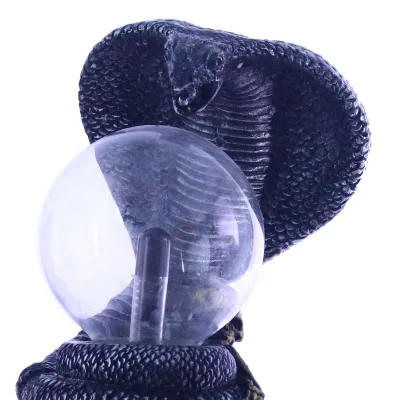
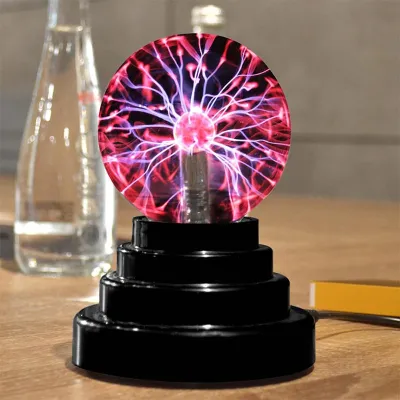
Prices are valid at publication and may change. Please refer to the product page for the latest price.
Build Quality
The physical construction of the glass sphere is the first line of defense against accidents. Reputable brands utilize thick, hand-blown borosilicate glass or heavy-duty soda-lime glass rather than thin, fragile blown glass. Thick glass is highly resistant to thermal stress and minor impacts, reducing the risk of shattering. Furthermore, a high-quality brand pairs this robust sphere with a weighted, stable base made from high-grade ABS plastic or metal. A heavy base prevents the unit from easily tipping over when placed on a desk, shelf, or bedside table.
Visual Output
The quality of the visual display depends entirely on the gas mixture sealed inside the globe. Premium brands use precise, proprietary blends of high-purity noble gases—such as neon, argon, krypton, and xenon—at low pressure. This careful calibration determines the color, brightness, and sharpness of the electrical filaments. For example, neon produces classic red-orange tendrils, while argon and xenon create vibrant violet, blue, and bright white-blue discharge paths. Cheaper brands often use unrefined or poorly mixed gases, resulting in dull, thick, or sluggish arcs that lack definition and fail to react dynamically to touch.
Internal Components
At the core of every plasma ball is a solid-state electronic oscillator and a high-frequency, high-voltage step-up transformer. Well-engineered brands invest in high-grade copper windings and robust transistors that handle electrical load efficiently without generating excessive heat. The central electrode must be evenly coated with graphite or premium metal wool to distribute the high-voltage current smoothly across the sphere. Quality internal components also eliminate the annoying, high-pitched buzzing sound commonly associated with low-end novelty lights.
After-Sales Support
Because plasma balls are fragile electronic items containing high-voltage circuitry, buying from a brand that offers reliable after-sales support is crucial. Reputable manufacturers provide clear warranty terms, typically ranging from 6 to 12 months, covering electronic failures and transformer defects. Responsive customer service channels ensure that if your unit arrives with transit damage or a micro-crack in the glass, you can quickly secure a replacement or a refund without administrative hassle.
Essential Electrical and Safety Specifications for Singapore
Operating high-voltage decorative lighting in Singapore requires strict adherence to local electrical standards. Choosing a product that matches the island’s infrastructure is vital for preventing household electrical faults.

Voltage and Plugs
Singapore’s electrical grid operates on a standard voltage of 230V AC at a frequency of 50Hz. Many cheap plasma balls sold online are designed for the North American market (110V) or come with ungrounded flat-pin plugs. It is essential to choose a brand that offers native 230V compatibility and comes equipped with a standard British Type G 3-pin plug. Avoid using cheap travel adapters or step-down transformers, as these add unnecessary electrical resistance, increase the risk of short circuits, and can lead to localized overheating.
Certification
In Singapore, external power adapters used for household electronics are classified as Controlled Goods under the Consumer Protection (Safety Requirements) Registration Scheme. When purchasing a plasma ball, verify that the power adapter or the unit itself carries the local SAFETY Mark. This mark, which features a distinctive logo and a unique 8-digit registration number, indicates that the product has been independently tested and certified safe for use in Singapore homes. Avoid unbranded imports that lack this certification, as their internal transformers may not meet basic safety thresholds.
Power and Heat Management
Plasma balls operate by stepping up low-voltage input to several kilovolts at high frequencies (typically 20 to 40 kHz). This conversion process naturally generates heat within the base of the unit. Reliable brands design their bases with physical ventilation slots or internal heat sinks to allow warm air to escape. Always check the manufacturer’s wattage rating, which generally falls between 10W and 30W for domestic models. Proper ventilation prevents thermal buildup, protecting the internal circuitry from premature failure and eliminating the risk of the plastic housing melting.
Cord Quality
Inspect the power cord of the plasma ball before finalizing your purchase. A safe, high-quality decorative light utilizes a double-insulated, flexible cord with robust strain relief boots at both the plug end and where the cord enters the base. Flimsy, thin wires are highly susceptible to internal copper fractures when bent repeatedly, which can lead to electrical arcing, localized melting, or a complete short circuit.
Where to Source Trusted Plasma Ball Lights Locally
Finding a reliable plasma ball light in Singapore involves navigating various retail channels. Knowing where to shop helps you avoid uncertified imports and counterfeit goods.
Channel Comparison
For the highest level of assurance, consider purchasing from specialized home decor boutiques, educational science toy stores, or authorized lighting distributors in Singapore. These retailers curate products that are already certified for the local market. Alternatively, official brand flagship stores on major online marketplaces offer a convenient shopping experience with direct manufacturer warranties. Physical novelty or gift shops are also excellent options, as they allow you to physically inspect the glass globe and test its touch responsiveness before committing to a purchase.
Seller Verification
When buying online, look closely at the seller’s credentials. Prioritize local sellers who explicitly state that their products come with a Singapore Type G plug and a valid SAFETY Mark. Read recent customer reviews, paying close attention to feedback regarding delivery times, product condition upon arrival, and how the seller handles defective items. A trustworthy seller should offer a clear return and exchange policy of at least 7 to 14 days to protect you against transit damage.
Shipping and Packaging
Because the glass sphere of a plasma ball is highly fragile, secure packaging is paramount. Reputable brands and sellers ship these items in custom-molded styrofoam or thick pearl-cotton inserts that suspend the glass globe securely inside a rigid cardboard box. Avoid sellers who ship fragile lighting items in simple bubble mailers or unpadded boxes. Upon delivery, always perform a visual inspection of the package for any signs of rough handling, and film your unboxing process to serve as clear evidence in case of damage.
Value Assessment
In Singapore, a high-quality, certified plasma ball with a 6-inch to 8-inch diameter typically costs between S$40 and S$90. Smaller, USB-powered desktop models may range from S$20 to S$35. Be highly cautious of full-sized units priced under S$15 on online marketplaces. These ultra-cheap options almost always bypass safety certifications, use low-grade, thin glass, and feature poorly insulated transformers that pose a genuine fire hazard in your home.
Matching Size and Design to Your Decorative Needs
To get the most out of your plasma ball, you must select a size and design that complements your living space and meets your aesthetic goals.
Size Categories
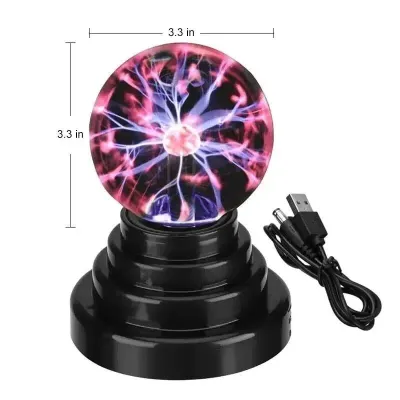
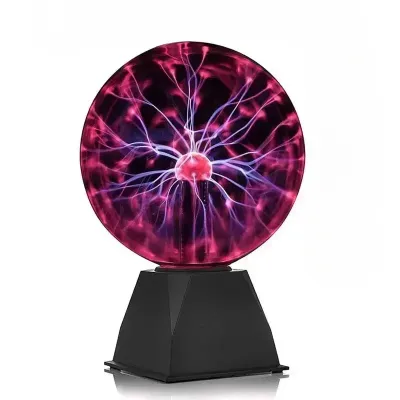
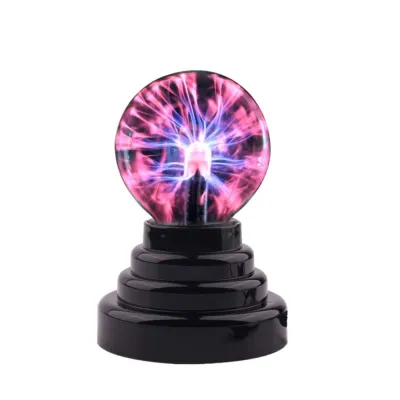
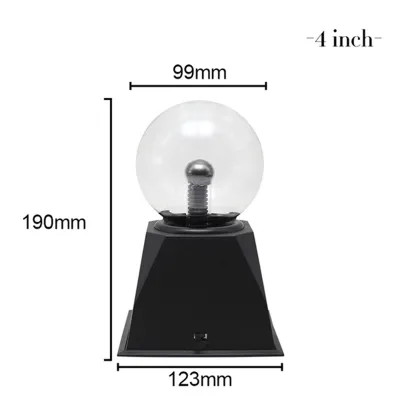
Plasma balls are generally categorized by the diameter of the glass sphere. Compact 3-inch or 4-inch models are highly portable and usually powered via a USB cable, making them excellent choices for study desks, office cubicles, or small display shelves. However, their visual output is relatively modest. Larger 6-inch, 8-inch, or 12-inch statement pieces require dedicated mains power but deliver significantly brighter, longer, and more intricate electrical filaments. These larger models are ideal as focal points in living rooms, home theaters, or entertainment spaces.
Base Aesthetics
The design of the base plays a significant role in how well the light integrates with your interior decor. Modern minimalist spaces benefit from clean, cylindrical bases finished in matte black, white, or brushed metallic tones. If you prefer a retro-futuristic, sci-fi, or industrial aesthetic, look for brands that offer stylized bases resembling rock formations, ancient pillars, or vintage laboratory equipment. Choose a style that harmonizes with your existing furniture and lighting fixtures to create a cohesive look.
Interactive Features
Most modern plasma balls offer multiple operating modes. A standard two-way switch typically features an “On” mode for continuous touch-responsive operation and an “Audio” or “Sound” mode. In sound-activation mode, the internal microphone detects ambient noises, music, or voices, causing the plasma filaments to flash and dance in sync with the beat. This feature is particularly popular for parties, gaming setups, or active entertainment rooms. Test the touch sensitivity of the unit; the electrical arcs should gather smoothly at your fingertips without causing any stinging sensation on your skin.
Ambient Lighting
It is important to remember that a plasma ball is a low-lumen, ambient light source designed for decorative purposes rather than task lighting. It performs best in dimly lit or dark environments. When planning your room layout, avoid placing the plasma ball directly under bright overhead downlights or next to strong reading lamps, as intense ambient light will wash out the delicate, colorful glow of the ionized gas filaments.
Safe Operation and Routine Maintenance
Proper usage and regular care are essential for protecting your investment and ensuring the safety of your household.
Placement Rules
Always place your plasma ball on a flat, level, and stable surface well away from the edges of tables or shelves where it could be knocked over. Keep the unit clear of flammable materials such as curtains, papers, tablecloths, or loose bedding. Additionally, because Singapore has a highly humid tropical climate, avoid placing the device in high-humidity areas like bathrooms, kitchens, or open outdoor balconies. Moisture can easily penetrate the ventilation slots in the base, leading to internal corrosion or short circuits.
Usage Limits
Plasma balls are designed for intermittent decorative use rather than continuous, 24/7 operation. To prevent the high-frequency step-up transformer and the central electrode from overheating, limit continuous runtime to 2 to 4 hours per session. Always turn off and unplug the device when you leave the room, go to sleep, or leave the house. Letting the unit cool down between uses significantly extends the lifespan of the internal electronics.
Cleaning Protocol
Dust, fingerprints, and natural skin oils will inevitably accumulate on the glass sphere over time, which can diminish its visual clarity and touch responsiveness. To clean the unit safely, follow these steps:
- Turn off the device and unplug the power adapter from the wall outlet.
- Allow the glass sphere to cool down completely for at least 15 minutes.
- Gently wipe the glass surface with a dry, soft microfiber cloth to remove dust and smudges.
- Never use liquid chemical cleaners, glass sprays, wet wipes, or abrasive materials, as liquid can seep into the seam between the glass and the base, permanently damaging the high-voltage circuitry.
Health and Interference Warning
The high-frequency electromagnetic field generated by an operating plasma ball can cause electromagnetic interference (EMI) with nearby electronic devices. Keep sensitive electronics, such as Wi-Fi routers, smart speakers, cordless phones, and laptops, at least one meter away from the unit. More importantly, individuals with pacemakers, ICDs (Implantable Cardioverter-Defibrillators), or other active medical implants must maintain a safe distance of several meters from an active plasma ball, as the electromagnetic field can interfere with the proper functioning of these life-saving devices.
Frequently Asked Questions (FAQ)
Do plasma balls consume a lot of electricity?
Despite their intense and energetic visual display, plasma balls are highly energy-efficient. Most consumer-grade models operate on very low power, typically drawing between 10W and 30W. This power consumption is comparable to a small LED light bulb or a standard desk lamp. Running a plasma ball for a few hours a day will have a negligible impact on your monthly Singapore Power (SP Group) utility bill.
Can I use a dimmer switch with a plasma ball light?
No, you must never connect a plasma ball to a wall dimmer switch, a dimmable extension outlet, or a smart dimming plug. Plasma ball electronics require a constant, stable AC voltage to power their internal high-frequency step-up transformers. Altering the voltage waveform with a dimmer switch will cause the transformer to overheat rapidly, leading to permanent circuit failure, melted components, or a potential fire hazard.
Why do the light filaments stop responding to my touch?
The most common cause of reduced touch sensitivity is a buildup of natural skin oils, moisture, or dust on the exterior of the glass sphere, which acts as an insulating barrier. Cleaning the completely cooled, unplugged globe with a dry microfiber cloth usually restores its responsiveness. If cleaning does not resolve the issue, it may indicate that the internal high-frequency transformer has degraded over time, reducing the voltage output below the threshold required to attract the gas filaments to your hand.
Community discussion
Share your experience or ask a question. Comments are reviewed before publication.