
Selecting the ideal solar Christmas lights for Singapore’s outdoor spaces requires looking beyond initial brightness and focusing on how these systems handle a demanding tropical climate. Singapore’s equatorial position provides abundant sunlight, but its high humidity, intense UV exposure, and frequent heavy downpours—particularly during the year-end northeast monsoon—present severe challenges to outdoor electronics. Choosing a reliable solar lighting brand means finding products engineered with robust ingress protection, high-efficiency solar panels, and durable battery systems that can withstand these local conditions. By evaluating key technical specifications and matching the right physical designs to your specific outdoor layout, you can establish a festive display that remains bright, safe, and functional throughout the holiday season.
Key Evaluation Criteria for Solar Christmas Light Brands
To find solar Christmas lights that will endure the outdoor elements, you must establish clear evaluation criteria that separate high-quality engineering from low-grade novelty items. The first and most critical factor is consistent build quality and verifiable weatherproofing claims. Many generic lights are marketed with vague “waterproof” labels, but reliable brands provide specific ingress protection (IP) ratings that have been verified through standardized testing. Look for manufacturers that use UV-stabilized polycarbonate or heavy-duty ABS plastics, as standard plastics degrade rapidly under Singapore’s intense daily UV exposure, becoming brittle, yellowed, and prone to cracking within weeks.
A brand’s transparency regarding its technical specifications is another strong indicator of reliability. Reputable manufacturers clearly state the exact battery chemistry, capacity in milliampere-hours (mAh), solar panel wattage, and expected charging-to-operating ratios. When a brand hides these details behind generic marketing terms like “ultra-long runtime” or “super bright,” it often indicates lower-quality components that may fail after a few rainy days. Transparent brands make this information readily available on their packaging, official websites, or product spec sheets, allowing you to make an informed decision based on real performance metrics.
Products mentioned in this guide
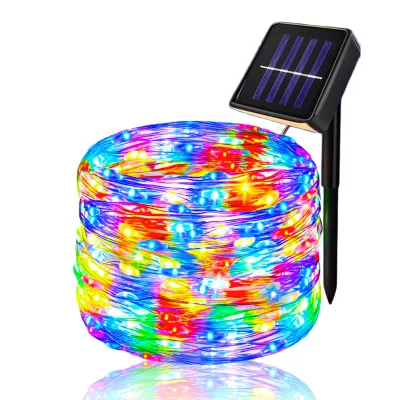
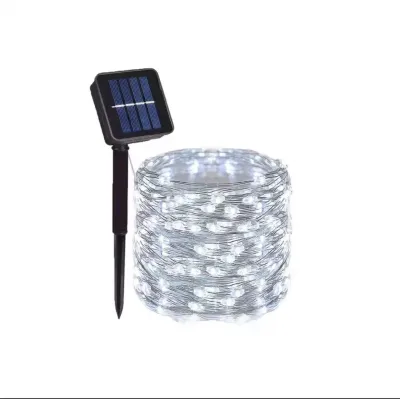
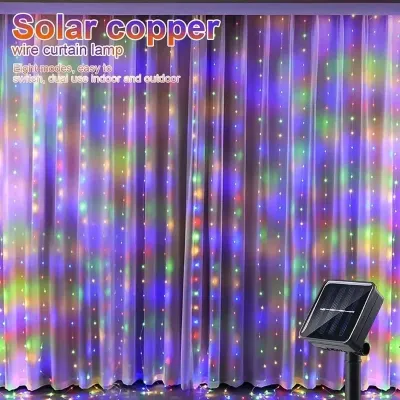
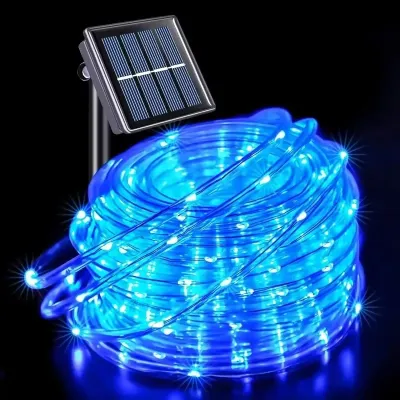
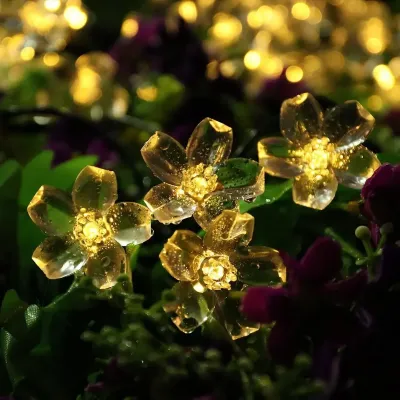
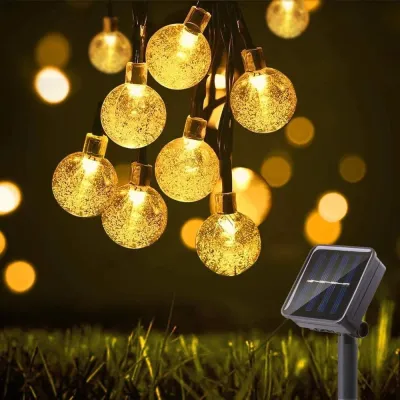
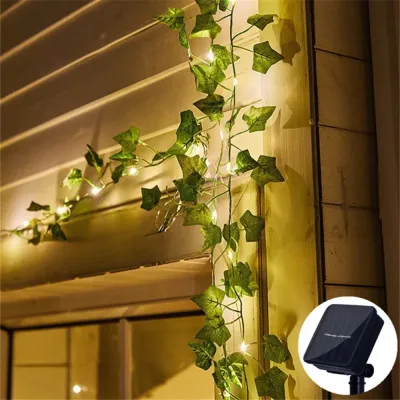
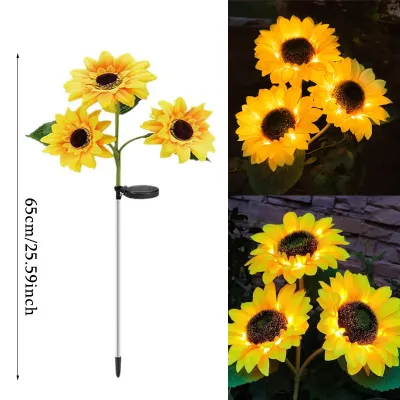
Prices are valid at publication and may change. Please refer to the product page for the latest price.
The value of clear warranty terms and accessible customer support cannot be overstated when purchasing outdoor festive lighting. Outdoor electronics are inherently exposed to harsh conditions, and even high-quality units can occasionally experience water ingress or component failure. A reliable brand typically offers a written warranty of at least six to twelve months, covering manufacturing defects and premature battery degradation. Accessible customer service channels, whether through local distributors in Singapore or responsive online support, ensure that you can easily troubleshoot issues or obtain replacement parts without having to discard the entire lighting system.
Finally, when researching potential brands on e-commerce platforms or specialty lighting websites, prioritize verified user reviews that focus on long-term outdoor performance. Initial reviews written immediately after unboxing often praise the out-of-the-box brightness but fail to capture how the lights perform after a month of continuous exposure to rain and wind. Look for detailed feedback from users who describe how well the batteries hold a charge after several weeks, whether the wire insulation remains flexible, and how the solar panels resist clouding or yellowing over time. This real-world performance data is far more valuable than any marketing claim.
Matching Solar Light Types to Your Outdoor Space
Selecting the right physical design of solar Christmas lights is essential for achieving your desired festive aesthetic while ensuring the installation remains secure and functional. Different outdoor architectural features and landscaping elements require specific light configurations to maximize visual impact and withstand environmental forces.

Solar String and Fairy Lights
Solar string and fairy lights are highly versatile options, making them ideal for wrapping around tree trunks, balcony railings, pergolas, and outdoor furniture. In Singapore’s residential gardens, wrapping these lights around palms, frangipani trees, or patio pillars creates a classic, twinkling holiday atmosphere. When planning this type of installation, it is crucial to check the thickness and flexibility of the wire. Brands that utilize multi-strand copper wires encased in thick, weather-resistant PVC or rubber insulation offer superior wind resistance and are much less likely to tangle or snap during setup. Thicker insulation also protects the copper core from friction damage against rough tree bark, ensuring the lights remain safe and functional throughout the season.
Solar Icicle and Net Lights
Solar icicle and net lights are designed to cover larger structural areas and dense foliage with minimal installation effort. Icicle lights are best suited for hanging along rooflines, eaves, and gutters of landed properties, where they mimic the appearance of dripping ice. Before purchasing, carefully measure the length of your eaves to ensure adequate coverage without overstretching the wires, as excessive tension can damage internal connections and compromise waterproof seals. Net lights, on the other hand, consist of a grid of interconnected LEDs that can be draped directly over large shrubbery, hedges, or flat ground areas. This design provides an even distribution of light across dense foliage, such as bougainvillea or hibiscus bushes, without the need to wrap individual branches.
Solar Pathway and Stake Lights
Solar pathway and stake lights are designed to illuminate walkways, driveways, and garden beds while adding festive motifs to your landscaping. These lights feature integrated solar panels on top of individual stakes that are inserted directly into the ground. When evaluating these products, assess the durability of the stake material and your specific soil conditions. Singapore’s garden soil can range from highly compacted clay to loose, sandy loam; plastic stakes must be made of reinforced ABS to prevent bending or snapping during installation. Additionally, ensure the spacing and height of the stakes allow the integrated solar panels to remain clear of low-lying foliage, grass, or garden debris that could cast shadows and block essential sunlight.
Essential Specifications to Verify Before Purchase
Before finalizing your purchase, it is vital to verify the technical specifications of the solar Christmas lights to ensure they are compatible with your installation environment and capable of lasting through the festive season.
- Ingress Protection (IP) Rating: The IP rating is a standardized two-digit code that defines a device's resistance to solid objects and liquids. For outdoor use in Singapore, where sudden, heavy tropical downpours are common, verifying the IP rating on the manufacturer's official spec sheet is critical. Look for lights rated at least IP65, which indicates complete protection against dust and low-pressure water jets from any direction. Lights rated only IP44 are merely splash-proof and may fail during intense monsoon storms when water can bounce off hard surfaces and enter the housing from below.
- Battery Type and Capacity: The battery is the heart of any solar lighting system, storing the energy collected during the day to power the LEDs at night. Common rechargeable battery types found in solar lights include Nickel-Metal Hydride (NiMH) and Lithium-ion (Li-ion) or Lithium Iron Phosphate (LiFePO4). Li-ion and LiFePO4 batteries offer superior cycle life, faster charging, and better performance under high ambient temperatures. You must also verify the battery capacity, measured in milliampere-hours (mAh). A higher capacity (such as 1200mAh to 2000mAh) ensures the lights have a sufficient energy buffer to run for eight to twelve hours, even after a partially cloudy day. Additionally, check if the battery is user-replaceable, as being able to swap out a degraded cell after a year or two of use is a highly cost-effective and sustainable maintenance practice.
- Solar Panel Efficiency: The efficiency of the solar panel determines how quickly and effectively it can convert sunlight into electrical energy. Solar panels are generally categorized as monocrystalline or polycrystalline. Monocrystalline panels are made from a single silicon crystal structure, offering higher efficiency rates (typically 15% to 22%) and better performance in low-light or overcast conditions. Polycrystalline panels are made from fragmented silicon crystals; they are cheaper to produce but less efficient (usually 13% to 16%), requiring a larger surface area to generate the same amount of power. Verify the panel's rated wattage on the product specification sheet, and ensure the mounting bracket allows for multi-angle adjustment so you can position the panel to capture maximum sunlight.
- Brightness and Color Temperature: Brightness in LED lighting is measured in lumens, which represent the total amount of visible light emitted by a source. For decorative fairy or string lights, a high lumen output is not always desirable, as a soft, ambient glow is often preferred for festive displays; typical decorative bulbs emit between 2 and 10 lumens each. Be cautious of brands making unverified "super bright" marketing claims without providing standardized lumen testing data. Color temperature, measured in Kelvin (K), dictates the visual warmth of the light. Warm white lights (typically 2700K to 3000K) deliver a cozy, traditional holiday feel, while cool white lights (5000K to 6500K) offer a modern, crisp aesthetic. Note that decorative style, perceived color temperature, and spatial lighting effects are highly subjective preferences rather than objective performance metrics, so select the color profile that best matches your existing outdoor decor.
Installation and Maintenance for Singapore's Climate
Proper installation and regular maintenance are essential to maximize the lifespan and safety of your solar Christmas lights, particularly in Singapore’s hot, humid, and wet tropical environment.
- Panel Placement: To achieve optimal charging efficiency, the solar panel must be positioned where it receives direct, unobstructed sunlight for at least six to eight hours daily. In Singapore, which lies just north of the equator, the sun's path shifts slightly throughout the year, but generally, an upward-facing panel tilted slightly toward the south or north (depending on the season) will capture the most energy. Avoid placing the panel in shaded areas created by dense palm fronds, building overhangs, high-rise condominiums, or neighboring structures. Even partial shading on a small portion of the solar panel can drastically reduce its power output, preventing the battery from fully charging.
- Routine Cleaning: Over time, a fine layer of dust, pollen, bird droppings, and urban grime can accumulate on the surface of the solar panel, blocking sunlight and reducing charging efficiency. To maintain optimal performance, perform low-risk, routine cleaning every few weeks. Wipe the panel surface gently using a soft, damp microfiber cloth and clean water. Avoid using abrasive scrubbing pads, harsh chemical solvents, or concentrated detergents, as these can scratch or degrade the protective plastic or glass laminate on the panel, permanently reducing its ability to transmit light to the solar cells beneath.
- Weather Precautions: Singapore's frequent heavy rain and strong winds can put physical stress on outdoor lighting installations. Periodically inspect your entire setup to ensure everything remains secure and weather-tight. Check that the wire connections between the solar panel and the light strands are tightly screwed together and that any rubber sealing gaskets are properly seated. Inspect the wire insulation for any signs of wear, fraying, or damage caused by wind friction against branches or railings. If you notice condensation or water droplets inside the LED bulbs or the solar controller housing, turn the system off immediately, move the affected components to a dry indoor area, and allow them to dry completely before attempting to reseal and reinstall them.
- Safety Boundaries: When planning your outdoor display, always position solar panels, battery compartments, and wire connections away from low-lying ground areas prone to water pooling or localized flooding during heavy downpours. While solar lights operate on safe, low-voltage direct current (DC) power, integrating them with existing fixed outdoor electrical wiring, smart home relays, or mains-powered timers introduces higher risks. If you attempt to connect solar systems to fixed wiring, install lights at height (such as on high roof eaves or tall trees), or place them in highly damp environments, prioritize safety. Always verify the voltage compatibility, base or interface types, wattage limits, physical dimensions, and dimming methods of any auxiliary components, ensuring they carry recognized electrical safety certifications before connecting them to your setup. Always isolate the power supply, follow the manufacturer's installation instructions precisely, and consult a qualified professional or licensed electrical worker (LEW) to handle the electrical integration and ensure compliance with local safety standards.
Frequently Asked Questions (FAQ)
Do solar Christmas lights work on cloudy or rainy days?
Yes, solar Christmas lights will still charge on cloudy or rainy days, but their charging efficiency will be significantly reduced. Solar panels rely on light spectrums that can penetrate cloud cover, but the intensity of this light is much lower than direct sunlight, meaning the battery will not receive a full charge. During prolonged periods of overcast weather, such as Singapore’s year-end monsoon season, you should expect the lights to run for a shorter duration at night. To mitigate this, look for brands that offer larger battery capacities to act as an energy buffer, or select models that include a dual-charging option, allowing you to charge the battery via a USB port indoors before hanging them outside.
Can I leave solar Christmas lights outside all year round?
Although high-quality solar lights with robust IP65 ratings are built to withstand outdoor conditions, leaving them installed outside permanently is not recommended if you want to maximize their lifespan. Continuous year-round exposure to Singapore’s intense UV radiation, high humidity, and constant rainfall will accelerate the degradation of plastic components, embrittle wire insulation, and speed up battery wear. To extend the overall lifespan of your lights and maintain optimal electrical safety, it is best to dismantle the display after the festive season. Clean the components thoroughly with a damp cloth, ensure they are completely dry, and store them in a cool, dry indoor environment until the next holiday season.
Community discussion
Share your experience or ask a question. Comments are reviewed before publication.