
To illuminate a Singaporean outdoor space with solar fairy lights that survive the year-round heat and sudden monsoon downpours, the best brands are not necessarily the most advertised, but those that offer verified weatherproofing, high-efficiency solar components, and local warranty support. In Singapore’s tropical climate, choosing the right solar fairy lights requires looking past aesthetic appeal to evaluate technical specifications like Ingress Protection (IP) ratings, battery chemistry, and panel efficiency. Investing in brands with local distributors or robust warranty policies ensures you do not end up with dead strings after the first heavy Sumatra squall.
To find the most reliable solar fairy lights for your balcony, patio, or garden, you must assess how well a brand’s products handle extreme humidity, intense UV exposure, and prolonged overcast periods. While many generic options flood online marketplaces, choosing a reputable brand that explicitly details its component materials—such as monocrystalline panels and lithium iron phosphate batteries—will save you time and money in replacements. This guide details the essential technical criteria, brand evaluation strategies, and design considerations to help you select the ideal solar fairy lights for your Singapore home.
Key Specifications for Singapore's Tropical Climate
To ensure your solar fairy lights survive Singapore’s intense weather, you must understand the technical specifications listed on the product packaging. The combination of high ambient temperatures, near-constant relative humidity of 80% to 100%, and sudden torrential downpours creates a highly corrosive environment for outdoor electronics.
Products mentioned in this guide
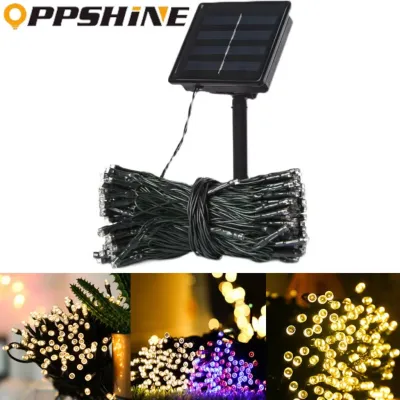
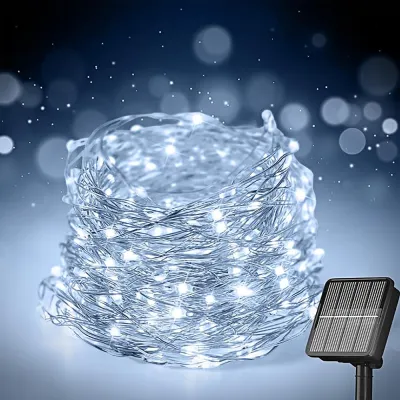
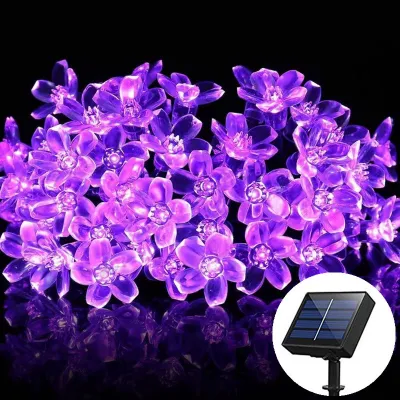
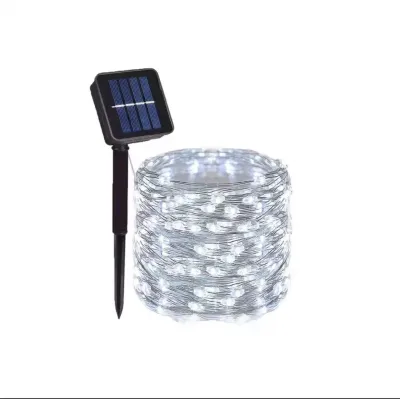
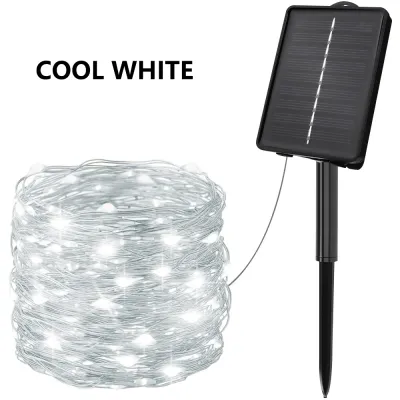
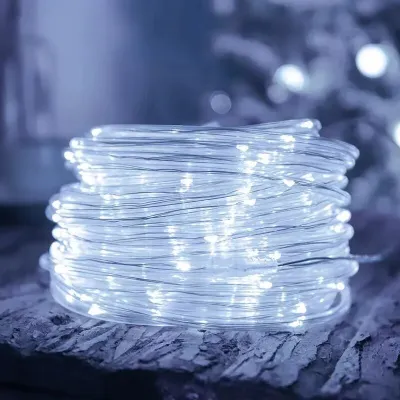
Prices are valid at publication and may change. Please refer to the product page for the latest price.
The first specification to verify is the Ingress Protection (IP) rating, which consists of two digits indicating protection against solids and liquids respectively. For outdoor solar fairy lights in Singapore, the light string itself should carry an IP65 rating or higher, meaning it is completely dust-tight and protected against water jets from any angle. The solar panel and its integrated controller box, which house the sensitive battery and circuitry, require at least an IP65 or IP67 rating to withstand heavy tropical downpours without water ingress.
Lower ratings like IP44 are only splash-proof and often fail during severe monsoon seasons when wind-driven rain can force water into poorly sealed casings. When evaluating a brand, check if the IP rating applies to the entire assembly, including the connectors, control buttons, and the entry point where the wire meets the solar panel housing. High-quality brands use rubber gaskets, silicone seals, and threaded collar connectors to keep moisture out of these vulnerable joints.
The solar panel is the engine of your fairy lights, and its efficiency directly determines how long your lights stay illuminated at night. In Singapore’s equatorial climate, you will encounter two main types of solar panels: monocrystalline and polycrystalline. Monocrystalline panels, recognizable by their dark, uniform appearance and rounded edges, offer the highest efficiency rates (typically 15% to 22%) and perform significantly better in low-light or overcast conditions.
Polycrystalline panels, which have a speckled blue appearance, are cheaper to produce but have lower efficiency rates (usually 13% to 16%) and degrade faster under high-heat conditions. Because Singapore experiences frequent cloud cover and sudden afternoon storms, monocrystalline panels are highly recommended as they can generate more electricity from limited or indirect sunlight. Furthermore, monocrystalline panels have a better temperature coefficient, meaning their efficiency drops less as the panel heats up under the direct midday sun.
The battery stored inside the solar panel unit determines how much energy can be saved for nighttime use and how long the system will last before needing a replacement. Most budget-friendly solar fairy lights use Nickel-Metal Hydride (NiMH) rechargeable batteries, which are highly sensitive to heat and suffer from a “memory effect” that reduces their capacity over time. In Singapore’s year-round ambient temperatures of 30°C and above, NiMH batteries can degrade rapidly, often lasting less than a year before their runtime drops to under an hour.
Higher-end brands utilize Lithium-ion (Li-ion) or Lithium Iron Phosphate (LiFePO4) batteries, which offer superior energy density, longer lifespans, and better thermal stability. LiFePO4 batteries are particularly well-suited for tropical climates because they can withstand higher operating temperatures without degrading and support thousands of charge-discharge cycles. When reviewing specifications, look for brands that explicitly state the use of lithium-based batteries, as this is a strong indicator of a product designed for multi-year durability.
The brightness of solar fairy lights is measured in lumens, and the ideal output depends on the desired ambiance of your outdoor space. Unlike indoor decorative lights, outdoor fairy lights need sufficient brightness to cut through ambient urban light pollution, especially in high-density areas like HDB estates or condominium complexes. For a soft, twinkling effect, a light string producing 1 to 5 lumens per bulb is usually sufficient, while brighter accent lighting may require 10 to 20 lumens per bulb.
Color temperature, measured in Kelvin (K), dictates the warmth or coolness of the light. For a cozy, inviting outdoor atmosphere, look for warm white LEDs with a color temperature between 2700K and 3000K, which mimic traditional incandescent bulbs. Avoid cool white LEDs (5000K to 6500K) unless you specifically want a modern, high-contrast look, as cool white light can feel harsh and clinical in residential outdoor settings. Additionally, ensure the brand’s light output is directed downward or diffused to prevent casting glare into your neighbors’ windows.
How to Evaluate Brand Reliability and Local Support
Navigating the sea of solar lighting brands requires a systematic approach to filter out low-quality products that will fail within weeks of installation. Since many solar fairy lights are manufactured overseas, verifying local support and build quality is essential for a stress-free purchase.

A reliable brand will back its products with a clear, written warranty that covers outdoor water damage and component failure. When shopping in Singapore, prioritize brands that offer at least a 6-month to 12-month local warranty, rather than a seller-backed warranty that requires you to ship the product back to an overseas manufacturer. Check if the brand has an authorized local distributor, a physical service center, or a dedicated customer support channel in Singapore to handle replacements quickly.
Be cautious of brands that offer vague “lifetime warranties” without providing a physical address or clear contact information, as these are often difficult to enforce. A reputable brand will provide clear instructions on how to register your warranty and what steps to take if the lights stop working. If purchasing from an online marketplace, look for official brand stores or preferred local sellers who have a proven track record of honoring returns and exchanges.
User reviews on online marketplaces can be incredibly helpful, but they must be read with a critical eye to separate genuine experiences from manipulated feedback. When browsing reviews, filter for those that include photos or videos of the lights installed outdoors, and look for updates written after several months of use. Many five-star reviews are written immediately after unboxing when the lights are brand new, which does not reflect their long-term durability in Singapore’s harsh climate.
Pay close attention to negative reviews that mention water ingress, rapid battery degradation, or rusting wires, as these are common failure points for low-quality solar fairy lights. If multiple reviewers report that the lights stopped working after the first heavy rain, it is a clear sign that the brand’s weatherproofing claims are unreliable. Conversely, consistent praise for a brand’s customer service and hassle-free replacement process is a strong indicator of a trustworthy manufacturer.
Before purchasing, examine the physical materials used in the construction of the solar panel housing, mounting bracket, and wire insulation. High-quality brands use UV-stabilized ABS plastic or rust-proof aluminum for the solar panel casing, ensuring it will not become brittle and crack under intense tropical sunlight. The mounting bracket and ground spike should be sturdy and rigid, with secure locking mechanisms to keep the panel angled correctly in high winds.
The wiring of the light string should also be robust, with thick insulation that protects the internal conductors from moisture, physical wear, and pests. Look for brands that use heavy-duty PVC or rubberized cables for string lights, or multi-stranded, lacquered copper wire for delicate fairy lights. Avoid brands that use thin, single-strand copper wire with minimal coating, as these are easily broken during installation or damaged by exposure to the elements.
Choosing the Right Design for Your Outdoor Space
The design of your solar fairy lights should complement the architectural features of your outdoor space while meeting your specific decorative goals. Understanding the differences between wire types and control features will help you select the most practical and aesthetically pleasing option.
Copper Wire vs. Traditional String Cable
The choice between flexible copper wire and traditional insulated string cable depends on where and how you plan to install the lights. Flexible copper wire lights feature tiny micro-LEDs embedded directly onto thin, bendable wires, making them virtually invisible during the day. This design is ideal for wrapping tightly around tree trunks, delicate potted plants, balcony railings, or weaving through outdoor wreaths and centerpieces where you want the light source to appear seamless.
Traditional string cables, on the other hand, feature larger LED bulbs mounted on thick, insulated wires that are highly visible but offer superior durability and tensile strength. These heavy-duty cables are best suited for spanning open spaces, such as hanging across a spacious patio, draping under a pergola, or mounting along HDB balcony ceilings. Traditional cables can withstand greater physical tension and are less likely to tangle or break when exposed to strong winds, making them the preferred choice for permanent, high-exposure installations.
Lighting Modes and Control Features
Modern solar fairy lights offer a range of control features and lighting modes to enhance convenience and customize the outdoor ambiance. An essential feature to look for is an automatic dusk-to-dawn sensor, which uses the solar panel itself to detect ambient light levels and automatically switches the lights on at sunset and off at sunrise. This eliminates the need for manual operation and ensures your outdoor space is always illuminated when darkness falls.
Many brands also include multi-mode controllers that allow you to choose between steady-on, slow fade, twinkling, flashing, and chasing patterns. While multiple modes offer versatility for festive occasions like Deepavali, Christmas, or Chinese New Year, ensure the controller remembers your last selected setting so you do not have to manually reset it every night. Additionally, some premium models come with wireless remote controls or integrated timers, allowing you to set the lights to turn off after 4, 6, or 8 hours to conserve battery power on overcast days.
Installation and Placement for Optimal Charging
Proper installation and strategic placement of the solar panel are critical to ensuring your fairy lights perform reliably night after night. Even the highest-quality solar lights will fail to shine if their panels do not receive adequate sunlight during the day.
In Singapore, which lies just 1.3 degrees north of the equator, solar panels should ideally be positioned facing directly upward or tilted slightly to the south (around 10 to 15 degrees) to maximize year-round sun exposure. This slight tilt is also crucial for allowing rainwater to run off the panel naturally, washing away dust and debris that would otherwise accumulate on the glass surface. Avoid placing the solar panel in areas shaded by high-rise HDB blocks, neighboring condominium towers, deep balcony overhangs, or dense garden foliage.
Keep in mind that the sun’s path shifts slightly throughout the year, so a location that receives full sun in June might be shaded in December. To ensure consistent performance, choose a mounting location that receives at least 6 to 8 hours of direct, unobstructed sunlight daily. If your balcony faces north or is heavily shaded, you may need to mount the solar panel on an extended bracket or position it at the very edge of the railing where it can catch the maximum amount of indirect sky radiation.
When securing your solar panel and light strings, use non-destructive, weather-resistant mounting methods that can withstand Singapore’s high heat and humidity. For securing light strings to balcony railings, metal grilles, or tree branches, outdoor-rated, UV-stabilized nylon cable ties are highly effective and will not degrade or become brittle in the sun. Avoid using standard indoor cable ties, as they will quickly crack and fail under intense UV exposure.
If you are mounting lights on smooth surfaces like tiled balcony walls or glass panels, use heavy-duty, outdoor-rated adhesive hooks designed specifically for high-temperature and humid environments. Ensure the surface is thoroughly cleaned with isopropyl alcohol and completely dry before applying the adhesive, and allow it to cure for the manufacturer’s recommended time before hanging any weight. For landed properties with garden soil, use the included ground spike to mount the solar panel, ensuring it is pushed firmly into the ground so it cannot be dislodged by heavy rain or wind.
Before beginning your installation, it is vital to establish clear safety boundaries to protect your property and ensure compliance with local building guidelines. If you live in an HDB flat or condominium, never drill holes into the exterior walls or balcony floors, as this can puncture the waterproofing membrane and lead to severe water leakage issues in the units below. Waterproofing repairs are highly disruptive and expensive, often costing thousands of SGD to resolve, so always opt for non-invasive mounting solutions instead.
Additionally, ensure that all electrical connections, including the joint between the light string and the solar panel lead wire, are kept well away from areas where water can pool, such as balcony gutters or low-lying garden patches. While the lights are low-voltage DC systems and pose minimal shock hazard, prolonged submersion in standing water will inevitably lead to corrosion and short circuits. Finally, make sure the solar panel and any hanging light strings are securely fastened to prevent them from becoming loose and falling during strong winds, which could pose a serious safety hazard to passersby below.
Maintenance and Troubleshooting in High Humidity
Regular maintenance is the key to extending the lifespan of your solar fairy lights and keeping them shining brightly in Singapore’s challenging tropical environment. A small investment of time every few months can prevent premature component failure and keep your outdoor display looking its best.
Over time, a thin layer of dust, pollen, bird droppings, and airborne pollution will accumulate on the surface of your solar panel, significantly reducing its ability to absorb sunlight. In Singapore’s humid climate, this dust can combine with moisture to form a sticky film that is not easily washed away by rain alone. To maintain optimal charging efficiency, wipe the solar panel surface with a soft, damp microfiber cloth every two to three months.
Avoid using abrasive scrubbing pads, harsh chemical cleaners, or solvents, as these can scratch or degrade the protective plastic or glass coating on the panel, permanently reducing its light transmission. If you notice algae or mold growing around the edges of the panel frame due to the high humidity, gently clean it off with a mild soap solution and rinse thoroughly with clean water. Regular cleaning ensures your panel can convert as much sunlight as possible into stored electrical energy.
Rechargeable batteries in solar lights have a finite lifespan and will eventually need to be replaced as their capacity naturally degrades over time. If you notice your fairy lights are only staying illuminated for an hour or two after a full day of sunshine, it is a strong sign that the battery is reaching the end of its useful life. Most quality solar light brands design their panel units with an accessible battery compartment, allowing you to easily swap out the old battery.
When replacing the battery, it is critical to match the exact specifications of the original cell, including the voltage (typically 1.2V for NiMH or 3.2V to 3.7V for Li-ion), chemistry type, and physical dimensions. Never attempt to use standard non-rechargeable alkaline batteries in a solar light, as they can leak, corrode, or even explode when subjected to the solar charging current. Always refer to the manufacturer’s instructions for the correct battery replacement procedure and dispose of the old rechargeable batteries responsibly at an e-waste recycling point in Singapore.
During prolonged periods of heavy rain and overcast skies, such as the Northeast Monsoon season from November to January, your solar lights will receive significantly less sunlight. This reduced solar radiation means the battery will rarely achieve a full charge, resulting in shorter runtimes or lights that fail to turn on entirely. To protect your investment during these periods of extended wet weather, perform a quick inspection of your light strings and panel housing to ensure no water has penetrated the seals.
If the forecast calls for consecutive days of heavy torrential rain or severe weather warnings, consider temporarily disconnecting the solar panel and storing the entire unit indoors. This prevents prolonged exposure to extreme moisture and reduces the risk of water ingress through aging seals. Before reinstalling the system, wipe down all components, check that the battery compartment is completely dry, and ensure the mounting brackets are still secure and undamaged.
Frequently Asked Questions (FAQ)
Do solar fairy lights work during the monsoon season?
Yes, solar fairy lights will still work during the monsoon season, but their runtime and brightness will be significantly reduced due to the persistent cloud cover. Because solar panels rely on light energy rather than heat, they can still charge on overcast days, but at a fraction of their normal rate. On a heavily cloudy or rainy day, a monocrystalline solar panel may only generate enough power to illuminate the lights for one to three hours at night, compared to six to eight hours on a clear, sunny day.
Can I leave solar fairy lights outside all year round?
High-quality solar fairy lights with an IP65 rating or higher are designed to be left outdoors year-round in Singapore. However, continuous exposure to intense tropical UV rays, high humidity, and heavy rain will accelerate the natural wear and tear of the plastic casings and wire insulation. To maximize their lifespan, it is advisable to inspect the lights every few months for signs of wire cracking or water ingress, and to temporarily store them indoors during prolonged periods of severe monsoon weather.
Why do my solar fairy lights turn off after only a few hours?
The most common reason solar fairy lights turn off prematurely is inadequate daytime charging, which can be caused by a dirty solar panel, shading from nearby structures, or incorrect panel positioning. Another frequent cause is battery degradation, where the rechargeable battery has lost its capacity to hold a charge and needs to be replaced. Additionally, check that there are no bright artificial streetlights or corridor lights shining directly onto the solar panel at night, as this can trick the built-in sensor into thinking it is still daytime, causing the lights to turn off.
Community discussion
Share your experience or ask a question. Comments are reviewed before publication.