
Selecting the right wall mounted light for a corridor in Singapore requires balancing spatial constraints, local safety regulations, and aesthetic preferences. Reliable brands must offer slim-profile fixtures that do not obstruct narrow walkways, provide uniform and flicker-free illumination, and carry the necessary safety certifications for Singapore’s electrical grid. By focusing on certified build quality and appropriate light distribution patterns, you can transform dark, transitional hallways into safe, welcoming, and visually spacious passages.
Understanding Corridor Lighting Needs in Singapore Homes
HDB flats and private condominiums in Singapore often present unique spatial layouts. A common design feature is the central or rear corridor—a narrow, windowless passage linking bedrooms, bathrooms, and the main living room. Because these zones are shielded from external windows, they receive minimal natural daylight, often remaining dark even on bright tropical afternoons.
To resolve this, homeowners must establish a deliberate lighting strategy. The primary goal is achieving uniform light distribution. In a long hallway, a single central ceiling light can cast deep shadows at the far ends, making the space feel cramped and gloomy. Installing multiple wall mounted light fixtures along the corridor length helps distribute illumination evenly, softening harsh corners and creating a visually wider passage.
Products mentioned in this guide
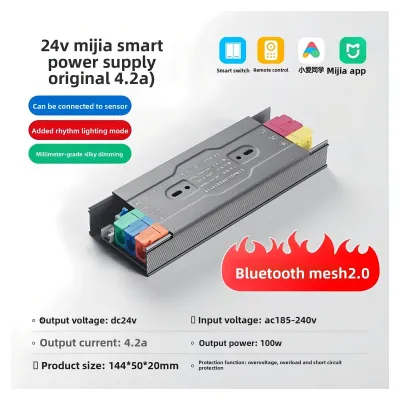
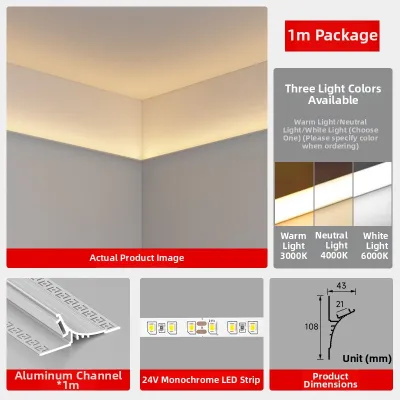
Prices are valid at publication and may change. Please refer to the product page for the latest price.
Visual comfort is another critical factor. Because corridor walls are closely spaced, any light fixture installed on them sits within the direct line of sight of anyone walking through. Unshielded light sources or excessively bright bulbs can cause uncomfortable glare. The ideal setup utilizes fixtures that diffuse or redirect light, preventing direct exposure to the bare bulb.
Furthermore, Singaporean homeowners must distinguish between private indoor hallways and semi-public common corridors. Within your apartment, you have complete creative freedom to select designs, modify wiring, and choose color temperatures. However, the outer corridor leading to your front door is a shared public space subject to strict estate management and Town Council regulations. Homeowners cannot install personal lighting fixtures or alter public wiring in these communal areas.
Finally, physical dimensions are crucial. Standard Singapore corridors can be narrow, sometimes measuring just 1.1 to 1.2 meters in width. In these tight spaces, bulky fixtures that protrude significantly from the wall can become physical hazards. They can obstruct the movement of large furniture, catch on clothing, or be accidentally bumped by residents. Selecting slim, low-profile wall mounted lights ensures safe, unobstructed passage while maintaining a sleek, modern aesthetic.
Core Criteria for Evaluating Wall Light Brands
When evaluating wall light brands for your Singapore home, structural safety and electrical compliance must be your top priorities. The local electrical system operates at 230V and 50Hz, and the tropical climate places unique demands on electrical components.

The most critical safety indicator in Singapore is the Safety Mark, managed by Enterprise Singapore. Under the Consumer Protection (Safety Requirements) Registration Scheme, specific electrical accessories and controlled goods—including LED drivers, external power adapters, and electronic ballasts—must be tested and certified. When browsing different brands, always verify that their electronic components carry this certification. Non-compliant fixtures pose a risk of short circuits, electrical fires, or damage to your home’s distribution board.
Optical performance is another key differentiator between reputable brands and low-quality alternatives. Look for brands that publish detailed photometric data, starting with the Color Rendering Index (CRI). A high CRI (typically CRI 80 or above, with CRI 90 being premium) ensures that paint colors, wooden flooring, and artwork in your hallway appear vivid and true to life. Cheap, unbranded lights often have low CRI values, casting a dull, greyish, or greenish tint over the space.
Flicker-free operation is equally important for long-term eye health. Low-grade LED drivers can produce rapid, invisible flickering that leads to eye strain, headaches, and general discomfort, especially in windowless corridors where artificial light is the primary source. Reputable brands invest in high-quality drivers that deliver stable, continuous current to the LEDs, ensuring a smooth, flicker-free glow.
Singapore’s high ambient humidity, which regularly hovers between 70% and 90%, is highly corrosive to metal fixtures. Inferior materials like untreated iron or cheap electroplated steel can rust, pit, or discolor within a few years of installation. When evaluating brands, prioritize those utilizing corrosion-resistant materials. Powder-coated aluminum, anodized finishes, solid brass, and high-quality synthetic polymers are excellent choices that can withstand the local climate without degrading.
Lastly, assess the brand’s local support network and warranty terms. An integrated LED wall mounted light is highly efficient, but if the internal driver or LED board fails after a few years, a brand without a local presence can leave you stranded. Trusted brands sold through authorized Singaporean distributors offer multi-year warranties and operate local service centers where you can purchase replacement drivers or modules. This prevents the need to discard and replace the entire fixture, offering better long-term value and sustainability.
Best Wall Mounted Light Designs for Hallways and Corridors
Selecting the right design for a wall mounted light involves understanding how light interacts with the narrow proportions of a hallway. Different fixture shapes and light distributions can dramatically alter the perception of space.
Light Distribution Patterns
- Uplighting: Projects light upward toward the ceiling. This bounces light across the room, creating an illusion of higher ceilings and a more spacious hallway.
- Downlighting: Focuses light directly onto the floor. This is highly functional for pathway illumination, guiding footsteps safely while keeping the upper walls in soft shadow.
- Omnidirectional/Diffused: Emits light in all directions through a frosted or fabric shade. This provides a soft, general ambient glow but must be carefully positioned to prevent glare in tight spaces.
- Up-and-Down Lighting: Combines both directions, casting elegant cones of light on the wall surface. This is a popular decorative choice for modern Singaporean homes, adding architectural depth to plain corridor walls.
Integrated LED vs. Replaceable Bulbs
Integrated LED wall mounted lights feature built-in light sources optimized for heat dissipation and slim profiles. They offer high energy efficiency and can last tens of thousands of hours. However, if the LED fails, the entire unit or its driver must be serviced. Fixtures with replaceable bulbs (such as E27 or GU10 bases) allow easy bulb replacement and color temperature customization, though the fixtures themselves tend to be bulkier to accommodate the bulb socket.
Smart and Automated Features
Corridors are transitional zones where lights are often left on unnecessarily or turned on in the dark with full hands. Brands offering smart integration or built-in motion sensors are highly practical. Passive Infrared (PIR) sensors automatically activate the wall mounted light when motion is detected and turn it off after a set period, saving energy. Smart bulbs or integrated smart fixtures can also be programmed to dim during late-night hours to serve as gentle nightlights.
Color Temperature Selection
- Warm White (2700K – 3000K): Creates a cozy, inviting, and relaxed ambiance. This is ideal for residential hallways where a soft transition between living areas and bedrooms is desired.
- Cool White (4000K): Offers a clean, modern aesthetic with higher visual clarity. It is excellent for modern minimalist interiors or corridors that double as gallery spaces for displaying artwork.
- Daylight (6000K – 6500K): Rarely recommended for indoor residential corridors as it can feel overly clinical and harsh in confined spaces.
Where to Source Trusted Wall Light Brands in Singapore
Acquiring authentic, high-quality wall mounted lights in Singapore requires navigating various retail and professional channels. Making informed purchasing decisions ensures you receive certified products backed by reliable local warranties.
Visiting specialized lighting showrooms is one of the most effective ways to evaluate your options. Prominent lighting districts in Singapore, such as Balestier Road, Jalan Besar, and Geylang, host numerous retail showrooms displaying a vast array of wall mounted lights. In these physical stores, you can observe the actual brightness, color rendering, and build quality of different brands under realistic conditions. Furthermore, in-store lighting specialists can provide personalized advice based on your home’s layout, helping you select fixtures with the appropriate beam angles and protrusion depths.
For those who prefer the convenience of online shopping, major e-commerce platforms offer extensive catalogs. However, safety and authenticity must remain your primary focus. When shopping online, strictly purchase from official brand flagship stores or verified local distributors. Avoid unverified third-party sellers offering generic or parallel-imported fixtures at exceptionally low prices. These products often bypass local safety testing, lack the required Safety Mark, and do not come with local warranty support, leaving you without recourse if the fixture fails prematurely.
If you are working with an interior designer or an architectural lighting consultant for a major renovation, they can provide access to premium, commercial-grade lighting brands. These professional brands typically do not sell directly to the public through retail showrooms. Sourcing through trade professionals ensures you receive high-performance fixtures with advanced dimming capabilities, superior color consistency, and robust build quality designed to last for decades.
When sourcing your fixtures, be alert to common red flags. Be wary of sellers who cannot provide clear specifications regarding the IP rating, CRI, or driver brand of their products. A lack of transparent warranty terms—such as offering only a “seller warranty” rather than an official manufacturer or local distributor warranty—is a strong indicator of parallel imports or low-quality goods. Investing in reputable brands through authorized channels protects your home and ensures long-term peace of mind.
Installation Rules and Safety Boundaries for Corridor Lights
The installation of wall mounted lights in Singapore is subject to strict regulatory, structural, and safety standards. Understanding these boundaries is essential for a safe and legally compliant home renovation.
First, it is crucial to understand the regulations governing HDB common corridors. These shared public spaces are strictly managed by the local Town Council. Homeowners are legally prohibited from installing, modifying, or replacing any lighting fixtures in common corridors. These public lights must comply with uniform safety standards and fire escape route guidelines, and any unauthorized alterations can lead to official warnings, fines, and mandatory removal of the fixtures. If you notice a faulty or dim light in your common corridor, you should report it to your Town Council or use the municipal OneService application for official maintenance.
Within your private property, any electrical work that involves installing new wiring, creating new electrical points, or modifying your home’s DB box must be performed by a Licensed Electrical Worker (LEW). This is a legal requirement enforced by the Energy Market Authority (EMA) of Singapore. Attempting to perform DIY fixed wiring on a new wall mounted light is not only highly dangerous but can also void your home insurance policy and lead to regulatory penalties. A qualified LEW ensures that all wiring is safely routed, properly insulated, and compliant with local electrical codes.
Structural considerations are also important when planning your installation. Many HDB flats feature structural concrete walls. Hacking into concrete to conceal electrical wiring for a new wall mounted light is a major undertaking that requires proper tools and, in some cases, professional assessment to ensure structural integrity is not compromised. If hacking is not feasible or permitted, surface-mounted trunking (casing) can be used to route wires neatly along the wall surface. Alternatively, drywall partition walls, commonly found in newer condominiums and HDB layouts, allow for much easier wire routing and flush mounting of fixtures.
Ingress Protection (IP) ratings must be verified based on the installation environment. For fully indoor, climate-controlled corridors, a standard IP20 rating is perfectly sufficient, as it protects against dust and accidental contact. However, if your wall mounted light is installed in a semi-outdoor corridor, a ground-floor walkway, or an area near open windows exposed to driving rain, you must select a fixture with a higher IP rating. A minimum rating of IP44 is required to protect against splashing water, while IP65 is recommended for complete dust tightness and protection against water jets.
Finally, always prioritize basic safety protocols during any routine maintenance or visual inspection. Before cleaning a fixture, adjusting its position, or replacing a bulb, always turn off the main power supply at your home’s distribution board (DB box) rather than relying solely on the wall switch. Use a reliable non-contact voltage tester to verify that the circuit is completely de-energized. If you detect any unusual symptoms—such as persistent flickering, a burning odor, or hot wall surfaces near the fixture—immediately isolate the circuit at the DB box and contact a qualified professional to diagnose and resolve the issue.
Frequently Asked Questions (FAQ)
Do I need a specific IP rating for indoor corridor wall lights?
Standard indoor corridors that are fully sheltered and climate-controlled do not require high moisture protection. A basic IP20 or IP2X rating is sufficient to prevent dust and accidental contact with live electrical parts. However, if the corridor is semi-outdoor, near an open window prone to rain splashes, or subject to extreme humidity, choose a fixture with at least an IP44 rating to prevent moisture ingress.
Can I install motion sensor wall lights in my HDB common corridor?
No, you cannot install personal motion sensor lights or any other private fixtures in HDB common corridors. These public spaces are strictly managed by the local Town Council. If the existing common corridor lighting is faulty, inadequate, or requires maintenance, residents should contact their respective Town Council or use the municipal OneService application to request official inspection and repair.
What is the ideal height to mount wall lights in a narrow hallway?
The recommended mounting height for a wall mounted light in a corridor is typically between 1.5 and 1.8 meters above the finished floor level. This placement ensures the light source is positioned close to average eye level, preventing direct glare from exposed bulbs while casting balanced illumination upward and downward. Adjustments can be made depending on the specific fixture design and the height of the household members.
Community discussion
Share your experience or ask a question. Comments are reviewed before publication.