
To find a safe and effective cooling blanket for your child, you must look beyond marketing buzzwords and evaluate the actual textile composition, safety certifications, and how the fabric interacts with your child’s specific sleeping environment. Children regulate temperature differently than adults, and their sensitive skin requires materials free from harsh chemical finishes. By understanding the difference between passive breathability and active heat absorption, you can select a blanket that keeps them comfortable throughout the night.
Choosing the right bedding involves balancing comfort with physical safety. While many products claim to offer instant cooling, the actual performance depends on fiber structure, weave density, and ambient room conditions. Taking a systematic approach to evaluating these materials ensures you invest in a blanket that truly supports your child’s sleep quality.
Understanding Cooling Technologies for Kids' Blankets
Cooling blankets generally fall into two categories: passive cooling and active cooling. Passive cooling relies on the physical structure of the fibers and the weave of the fabric to maximize airflow and pull moisture away from the body. This method does not lower the temperature of the room, but it prevents heat from becoming trapped against your child’s skin, maintaining a comfortable microclimate.
Products mentioned in this guide
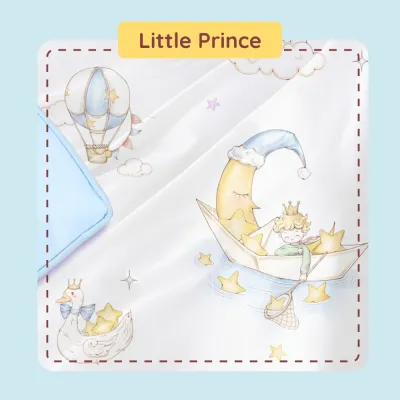
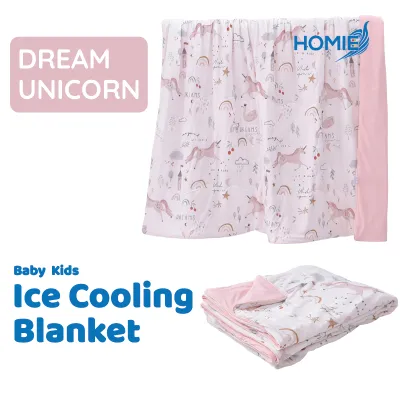
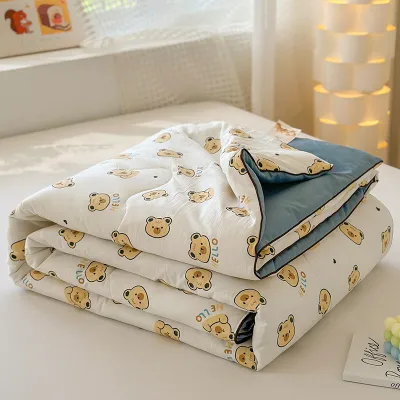
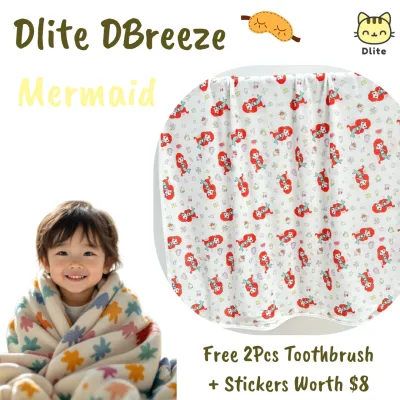
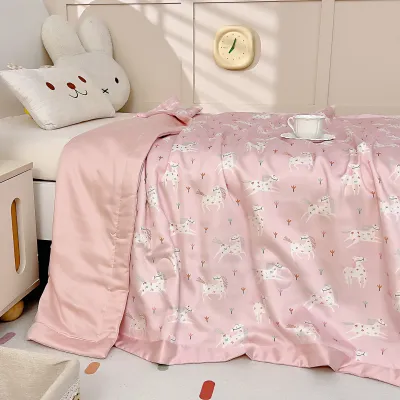
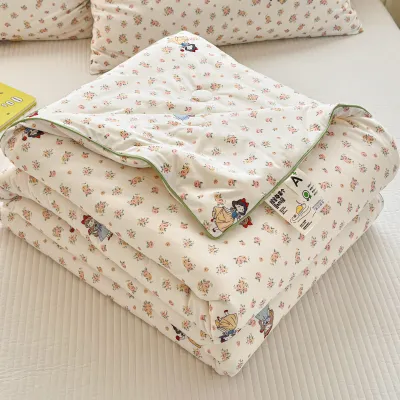
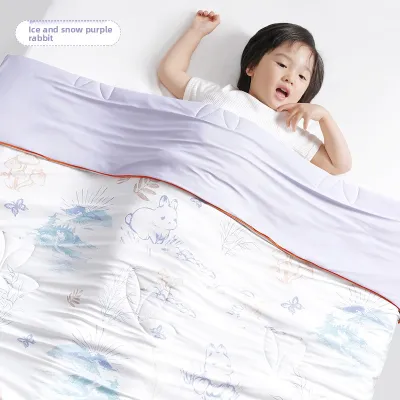
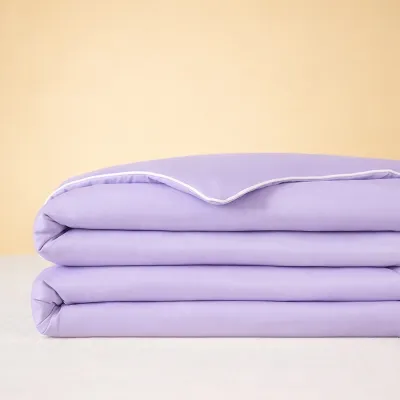
Prices are valid at publication and may change. Please refer to the product page for the latest price.
Active cooling, on the other hand, utilizes specialized materials designed to absorb, store, and release heat. These fabrics often feel instantly cold to the touch because they rapidly draw heat away from the skin upon contact. This sensation can be highly comforting, but the effect is temporary and depends on the material’s capacity to dissipate that heat.
When browsing options on an online marketplace, it is important to look past creative product names. Manufacturers often use proprietary terms that mask the basic textile composition. To make an informed decision, you must always verify the actual fiber percentages on the product’s care label or specification sheet.
Breathable Natural and Semi-Synthetic Fibers
Natural fibers like cotton are classic choices for passive cooling due to their natural breathability and moisture-absorbing capabilities. The way the cotton is woven plays a major role in its performance; a loose, open weave like muslin or a crisp percale weave allows heat to escape easily, making it an excellent option for warm nights. Denser weaves, such as sateen, tend to trap more heat and may not provide the desired cooling effect.
Semi-synthetic options, such as viscose or rayon derived from bamboo, are highly popular for their smooth texture and moisture-wicking properties. These fibers pull sweat away from the skin, allowing it to evaporate and cool the body naturally. This makes them particularly suitable for children who tend to sweat during the night.
However, you should inspect the fabric composition label carefully, as many products marketed as “bamboo” are actually blends containing polyester or other synthetic fibers that can restrict airflow. Additionally, semi-synthetics may require delicate washing cycles to maintain their structural integrity and soft feel over time, which is an important consideration for busy households.
Active Cooling Technologies
Active cooling blankets often incorporate phase-change materials (PCMs) or specialized synthetic fibers like nylon and polyethylene. PCMs work by changing state at a microscopic level—absorbing heat when your child’s body temperature rises and releasing it if their temperature drops. This dynamic regulation helps maintain a more consistent sleeping temperature.
While these materials can provide a noticeable cooling sensation, their effect is temporary. Once the material reaches its heat absorption limit, the cooling sensation stops until the fabric can release the stored heat back into the surrounding air. This means the blanket must be exposed to cooler air periodically to reset its cooling properties.
Before purchasing, check the manufacturer’s specifications for the expected duration of this cooling effect and any specific washing restrictions. Some active cooling blankets can feel excessively cold initially, which might startle a sensitive child, or they may lose their effectiveness if used in a room that is already very warm and lacks air circulation.
Evaluating Safety and Skin Sensitivity
Children’s skin is thinner and more sensitive than adult skin, making safety certifications a primary consideration when choosing bedding. Look for independent textile safety certifications, such as the OEKO-TEX Standard 100 label, directly on the product tag or official listing. This certification verifies that every component of the product, from the fabric to the thread and accessories, has been tested for harmful substances.

Do not assume that natural fibers are automatically hypoallergenic or safe for sensitive skin. Many cotton and bamboo products undergo chemical processing, dyeing, or finishing treatments to make them wrinkle-resistant or flame-retardant, which can trigger skin irritation or eczema flare-ups. Washing the blanket with a gentle, fragrance-free detergent before the first use is a practical way to remove any leftover manufacturing residues.
Physical construction is another critical safety factor. Inspect the blanket for heavy embellishments, loose threads, or rough, raised seams that could rub against your child’s skin or pose an entanglement hazard. Opt for clean, flat-locked seams and simple designs that minimize physical friction during sleep, and avoid blankets with small, detachable parts like zippers or snaps on removable covers.
Matching Material to Your Child's Sleep Environment
The effectiveness of any cooling blanket depends heavily on the climate of the bedroom. In a heavily air-conditioned room, a lightweight cotton or bamboo blanket provides just enough insulation to prevent chills while maintaining breathability. This setup allows the fabric to wick away moisture while keeping your child comfortable as the air conditioning cycles on and off.
In naturally ventilated, high-humidity environments—such as those found in tropical climates like Singapore—passive moisture-wicking fabrics face unique challenges. When the surrounding air is saturated with moisture, sweat cannot evaporate efficiently from the fabric, which can leave the blanket feeling damp and clammy. In these conditions, highly breathable, open-weave natural fibers that maximize airflow are generally more comfortable than dense synthetic blends.
You should also consider the weight and drape of the blanket. A blanket that is too light may slide off a restless sleeper, while one that is too heavy can trap heat regardless of the material. Look for a moderate weight that provides a comforting sense of security without creating a localized greenhouse effect under the covers, ensuring your child stays covered and comfortable.
What to Check Before Buying a Cooling Blanket
Before making a final decision, verify that the blanket’s dimensions are appropriate for your child’s bed and age. A blanket that is too large can bunch up, creating a suffocation or entanglement risk, especially for toddlers and younger children. The blanket should fit the mattress neatly without excessive overhang that could trip a child getting out of bed at night.
Review the manufacturer’s care instructions carefully. Children’s bedding requires frequent washing, so the blanket must be durable enough to withstand regular machine cycles. Some active cooling fabrics cannot tolerate high heat, fabric softeners, or tumble drying, which can complicate your laundry routine and lead to premature wear if the instructions are not followed strictly.
Finally, check the retailer’s return policy. Because sensory preferences are highly individual, your child might find a specific texture uncomfortable or find that the cooling effect does not suit their sleeping style. A flexible return policy allows you to test the material risk-free and ensure it meets your child’s comfort needs.
Frequently Asked Questions (FAQ)
Can toddlers use phase-change material (PCM) blankets safely?
Always check the manufacturer’s age recommendations and safety warnings before introducing a PCM blanket to a toddler. Because toddlers cannot easily communicate when they are too cold or adjust their bedding, active cooling materials can sometimes lower their skin temperature too quickly. If you choose to use one, monitor your child’s comfort closely, and consider using a thin cotton sheet as a barrier layer to prevent direct, prolonged contact with the active cooling surface.
Do cooling blankets lose their effectiveness after washing?
The durability of a cooling blanket depends on how the cooling effect is achieved. Natural fibers like cotton and high-quality bamboo viscose retain their inherent breathability and moisture-wicking properties throughout their lifespan, provided they are washed correctly. However, blankets that rely on applied chemical finishes or delicate PCM coatings can degrade over time if exposed to harsh detergents, hot water, or high dryer heat. Always follow the care label to preserve the fabric’s performance.

Community discussion
Share your experience or ask a question. Comments are reviewed before publication.