
Choosing the right blanket for kids with sensitive or eczema-prone skin requires balancing physical softness, thermal regulation, and chemical safety. Because children’s skin is thinner and more permeable than adult skin, fabrics that feel slightly rough or trap excess body heat can quickly trigger itching, redness, and flare-ups. While many products are marketed as gentle, finding a truly safe blanket for kids involves looking past vague labels and evaluating the raw fiber type, the manufacturing process, and the weave of the fabric. By focusing on breathable, non-irritating materials and verifying safety certifications, you can create a comfortable, irritation-free sleeping environment for your child.
Identifying Fabric Irritants and Skin Triggers
To protect sensitive skin, it is helpful to distinguish between mechanical and chemical irritants. Mechanical irritation occurs when rough fibers, stiff seams, heavy embroidery, or loose threads physically rub against the skin. For a child with eczema, this constant friction acts like micro-scratches, disrupting the skin barrier and initiating an itch-scratch cycle. Chemical irritation, on the other hand, stems from substances applied during manufacturing, such as synthetic dyes, formaldehyde finishes used for wrinkle resistance, and chemical flame retardants. These residues can leach out when exposed to sweat and body heat, causing contact dermatitis.
Thermal regulation is another critical factor, especially in warm, humid climates where air-conditioned bedrooms are common. When a blanket lacks breathability, it traps a layer of hot, humid air next to the child’s body. This trapped heat triggers sweating, and sweat contains sodium and other minerals that dry out and irritate sensitive skin. If your child transitions between warm outdoor spaces and cool, air-conditioned indoor environments, their skin barrier is already working hard to adapt. A heavy, non-breathable blanket can easily tip the balance toward a flare-up. Before purchasing any new bedding, consult a pediatrician or dermatologist to understand your child’s specific skin triggers and allergen profile.
Products mentioned in this guide
![[SG Stock] Super Soft Baby Kids Blanket Plush Minky Dot backing / Toddler Childcare Center Aircon Blanket (2 Size)](https://img.lazcdn.com/g/p/d56fe2eafdb12bae983f9f5ab8868ba0.jpg_400x400q80.jpg_.webp)
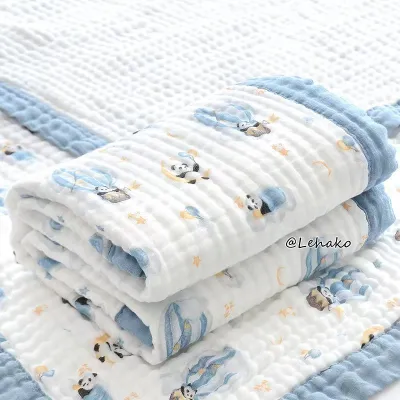
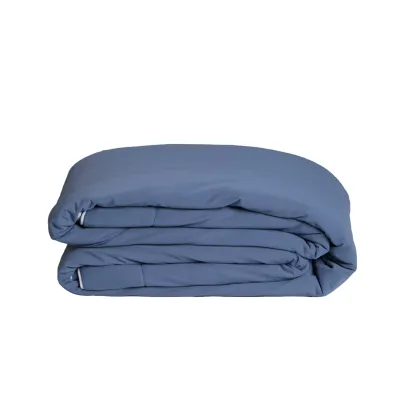
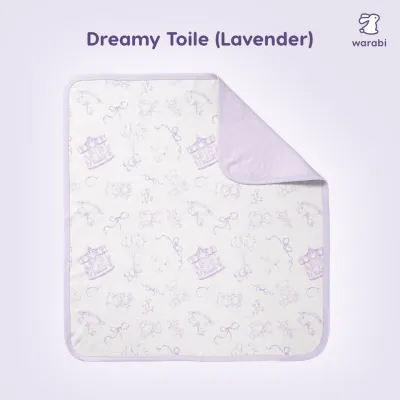
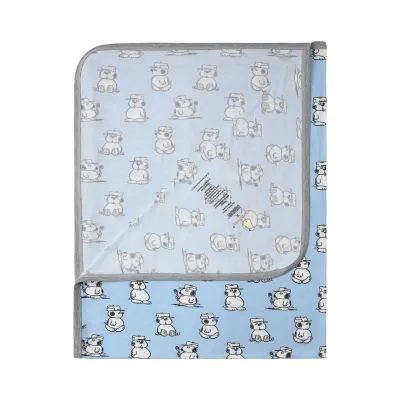
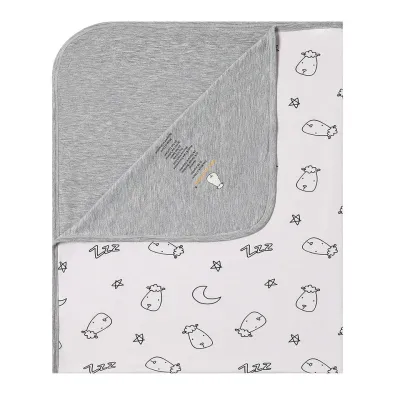
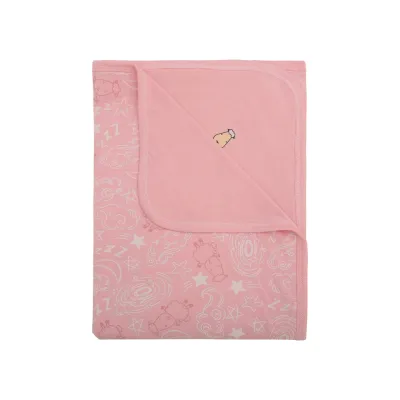
Prices are valid at publication and may change. Please refer to the product page for the latest price.
Evaluating Common Blanket Materials for Sensitive Skin
When comparing blanket materials, you can evaluate options using a simple framework: breathability, moisture-wicking capability, and tactile softness. Breathability allows air to circulate, preventing heat buildup, while moisture-wicking properties draw sweat away from the skin so it can evaporate. Tactile softness ensures that the fibers slide smoothly over the skin without causing friction.

Relying solely on marketing terms like “hypoallergenic” or “dermatologist-tested” is rarely sufficient, as these claims are often self-declared by manufacturers without standardized testing. Instead, look for detailed material specifications on the care label and product packaging. A safe blanket should have a clear fiber breakdown (such as 100% organic cotton) rather than a vague description. Verifying the weave is also important; a loose, open weave like muslin or a smooth, tight weave like sateen will offer different levels of warmth and airflow, allowing you to match the blanket to your child’s specific sleeping environment.
Plant-Based Fibers: Cotton and Bamboo
Plant-based fibers are widely regarded as excellent choices for children with sensitive skin due to their natural breathability and softness. Cotton is highly durable, easy to wash, and allows excellent airflow. When selecting cotton, look for long-staple varieties, which have longer fibers that spin into smoother, softer yarns with fewer loose ends to poke or irritate the skin. Muslin cotton blankets are particularly popular for younger children because their open weave provides exceptional ventilation, reducing the risk of overheating.
Bamboo-derived fabrics, often labeled as bamboo viscose or rayon, are exceptionally soft and have a cool-to-the-touch feel that is highly soothing for irritated skin. However, parents should be aware of how these fibers are processed. The transformation of raw bamboo into soft fabric typically involves intensive chemical processing. To ensure these blankets are safe for sensitive skin, check the care label or manufacturer specifications to verify that the finished textile has been thoroughly washed and cleared of residual processing chemicals. Opting for unbleached, undyed, or naturally dyed plant fibers further minimizes the risk of chemical irritation.
Synthetic Blends and Fleece
Synthetic materials, such as polyester, nylon, and acrylic, are commonly used in children’s blankets because they are affordable, durable, and highly resistant to shrinking. Microfiber fleece blankets are incredibly soft to the touch, which often makes them highly appealing to children. However, synthetic fibers are naturally hydrophobic, meaning they do not absorb moisture well. Instead of wicking sweat away, synthetic fleece tends to trap heat and moisture close to the skin, creating a warm, damp microclimate that can quickly aggravate eczema and heat rashes.
While tightly woven microfiber blankets can help resist dust mites by preventing them from settling deep into the fabric, this tight weave further reduces breathability. Additionally, many synthetic blankets are treated with anti-pilling agents or static-reducing finishes to keep them looking new and prevent static cling. These chemical finishes are designed to remain on the fabric through multiple washes, presenting a hidden source of potential skin irritation. If you choose a synthetic blanket, look for lightweight, breathable knits and wash them frequently to prevent sweat buildup.
Animal Fibers: Wool and Blends
Animal fibers like wool, cashmere, and alpaca offer excellent natural temperature regulation, but they require careful consideration for sensitive skin. Coarse wool fibers have microscopic scales that can catch on the skin, causing mechanical irritation, prickling, and intense itching. Even if a child does not have a true wool allergy, the physical texture of standard wool is often too abrasive for eczema-prone skin.
Finer grades of wool, such as high-quality merino wool, have much thinner, more flexible fibers that bend easily when they touch the skin, significantly reducing the risk of mechanical irritation. However, before introducing any animal-fiber blanket, it is essential to ensure your child does not have an allergy to lanolin, the natural sheep’s grease found in wool, or to animal dander. Another practical drawback of animal fibers is their maintenance. Many wool and cashmere blankets are dry-clean-only. The harsh chemical solvents used in the dry-cleaning process can linger in the fibers and cause severe skin reactions, making machine-washable plant-based alternatives a much safer and more practical choice for daily use.
Reading Fabric Labels and Safety Certifications
To navigate the sea of marketing claims, parents can look for independent, third-party textile certifications. The most reliable standard for sensitive skin is the OEKO-TEX Standard 100. This certification guarantees that every component of the blanket—including the fabric, threads, buttons, and zippers—has been tested for harmful levels of hundreds of regulated and non-regulated substances, including formaldehyde, heavy metals, and allergenic dyes. Another trustworthy standard is the Global Organic Textile Standard (GOTS), which ensures that the fibers are certified organic and that the entire manufacturing process meets strict environmental and chemical criteria.
Be cautious of vague, unregulated marketing terms such as “natural,” “eco-friendly,” or “chemical-free.” A blanket labeled “natural” may still be treated with harsh chemical dyes or flame retardants during manufacturing. Always check the manufacturer’s website or product packaging for a full breakdown of materials and any disclosures regarding flame-retardant treatments. In many regions, children’s sleepwear and bedding are treated with chemical flame retardants to meet safety standards. For children with highly sensitive skin, choosing blankets made from naturally flame-resistant fibers (like tightly woven cotton) that do not rely on chemical additives is often the safest path.
Care and Maintenance to Prevent Skin Flare-Ups
Even the safest blanket material can trigger skin irritation if it accumulates environmental allergens or laundry residues. To prevent flare-ups, always wash your child’s blankets with a fragrance-free, dye-free, hypoallergenic liquid detergent. Avoid fabric softeners and dryer sheets entirely; these products work by leaving a thin, waxy chemical coating over the fabric fibers to make them feel softer. This coating not only reduces the fabric’s breathability and moisture-wicking capabilities, trapping sweat against the skin, but the synthetic fragrances used in them are also primary triggers for contact dermatitis.
When washing blankets, follow the manufacturer’s care label instructions carefully. Washing bedding in warm water (typically around 60 degrees Celsius, if the fabric allows) is highly effective at killing dust mites and removing accumulated dander and pollen. If the fabric requires cold water, consider running an extra rinse cycle to ensure all detergent residue is thoroughly flushed out of the fibers.
Proper storage is also essential for maintaining a clean sleeping environment. When blankets are not in use, store them in breathable cotton storage bags or sealed containers to protect them from settling dust, pet dander, and mold spores. Avoid storing blankets in damp areas, as moisture can lead to mold growth, which is a potent allergen that can severely irritate both the respiratory system and the skin.
Frequently Asked Questions (FAQ)
Should I wash a new blanket before my child uses it?
Yes, you should always wash a new blanket before your child uses it. During manufacturing, shipping, and storage, textiles are often treated with sizing agents to keep them looking crisp, chemical finishes to prevent mildew, and excess dyes that can easily transfer to the skin. Pre-washing the blanket using your child’s regular fragrance-free detergent removes these chemical residues and softens the fibers, ensuring the blanket is safe and comfortable from the very first use.
Can weighted blankets be safe for kids with eczema?
Weighted blankets can be safe for children with eczema, provided you choose the right design. The added weight can trap significant body heat, which may lead to sweating and subsequent skin irritation. To mitigate this, select a weighted blanket with a highly breathable, removable, and machine-washable outer cover made from 100% organic cotton or bamboo viscose. Regularly monitor your child’s skin temperature to ensure they are not overheating during the night.
How do I know if a blanket is causing a skin reaction?
To determine if a blanket is causing a skin reaction, look for localized redness, hives, dry patches, or increased itching on the areas of the body that come into direct contact with the fabric. You can perform a limited exposure check by letting your child use the blanket only during supervised quiet times. If symptoms improve when you remove the blanket and switch to a known safe alternative, the blanket is likely the trigger, and you should consult a healthcare professional for guidance.

Community discussion
Share your experience or ask a question. Comments are reviewed before publication.