
Choosing the best smart LED light strips for Christmas decorations in Singapore requires balancing visual appeal, smart home integration, and robust weatherproofing to handle the local tropical climate. Unlike traditional static fairy lights, smart light strips offer dynamic color control, scheduling, and automation that can transform HDB balconies, living room feature walls, or landed property facades into festive displays. To find the right option, you must verify the installation environment, check the color technology, and ensure the power supply is certified for local electrical standards.
By focusing on technical specifications rather than festive marketing, you can select a reliable system that lasts well beyond the holiday season. This guide outlines the critical factors to check so you can build a reliable shortlist of smart light strips that suit your specific indoor or outdoor holiday setup.
Key Features to Check for Christmas Smart Light Strips
When evaluating smart light strips, the type of color technology used is the most critical factor for creating dynamic holiday scenes. Standard RGB strips change the color of the entire strip at once, which limits your display to a single solid color. For complex Christmas displays with chasing lights, rainbow patterns, or multi-colored segments, look for addressable LEDs, often labeled as RGBIC (Independent Control). If you want warm, cozy white light for a classic festive look alongside vibrant colors, verify if the strip includes dedicated white diodes (RGBWW), as standard RGB strips often produce a harsh, bluish-white light when mixing red, green, and blue.
Products mentioned in this guide
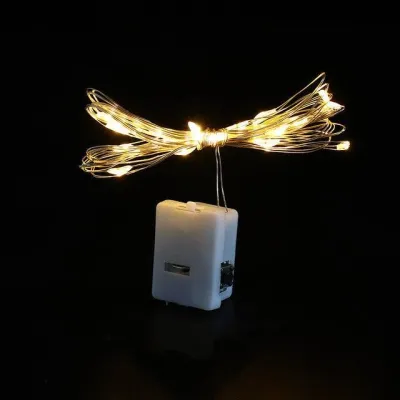
![[V.Home] *Any 2 off $2* LED Fariy String Lights USB w/Remote for Gift Party Wedding Christmas Festival Decoration](https://img.lazcdn.com/g/p/3642250970409f384190a5dde2dfc56b.jpg_400x400q80.jpg_.webp)
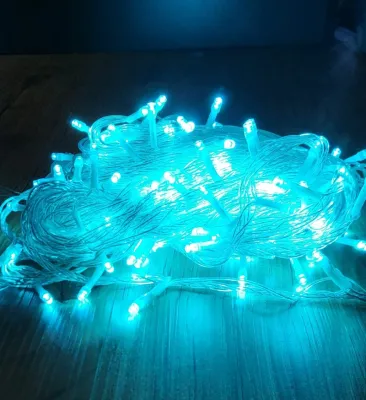
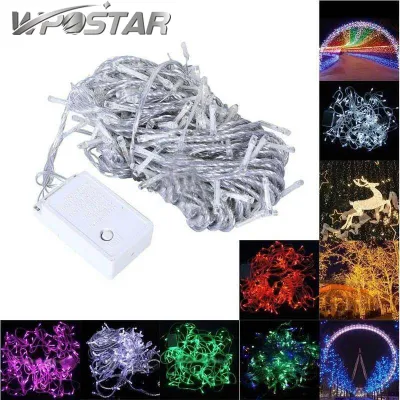
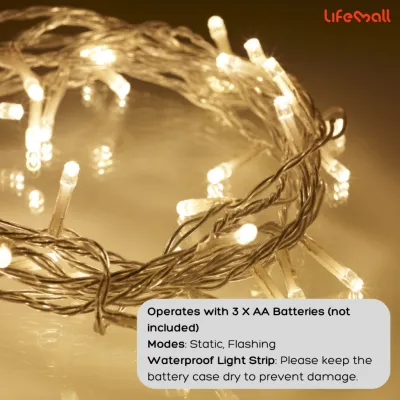
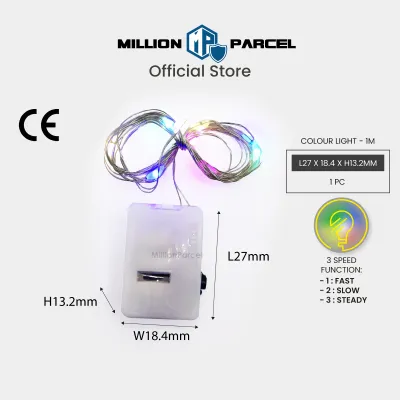
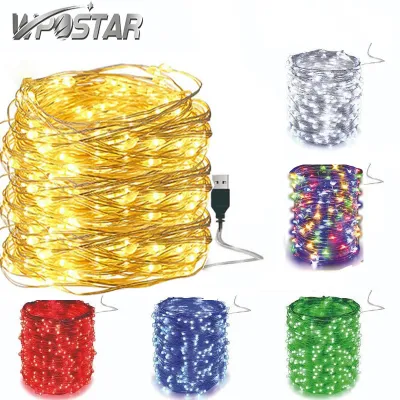
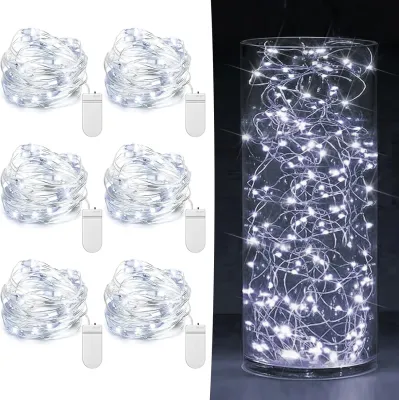
Prices are valid at publication and may change. Please refer to the product page for the latest price.
LED density and lumen output also play a significant role in the overall visual effect. A low-density strip with fewer LEDs per meter can look like a series of distinct, distracting dots when placed on a bare wall or along a window frame. For a seamless, continuous glow, look for higher-density strips or plan to install them inside a diffusing channel. Additionally, check the manufacturer’s lumen specifications to ensure the brightness is sufficient for your ambient lighting needs, especially if your display will compete with bright streetlights or indoor ceiling fixtures.
Finally, check the physical limits of the strip regarding cutting and extending. Holiday setups often require custom lengths to fit specific window frames, TV consoles, or balcony railings. Verify if the strip can be cut at designated intervals without damaging the circuit, and check the manufacturer’s maximum recommended run length for a single power supply. Exceeding this limit leads to voltage drop, where the LEDs at the far end of the strip appear dim, flicker, or display incorrect colors.
Indoor vs. Outdoor Use: Weather Resistance and Safety
Singapore’s tropical climate brings high humidity, intense heat, and sudden heavy downpours, making weatherproofing a primary consideration. For indoor decorations in dry living rooms, an IP20-rated strip is sufficient. However, if you plan to decorate a balcony, patio, or outdoor garden, look for at least an IP65 rating for covered outdoor areas to protect against moisture and dust. For fully exposed areas like roof eaves or garden fences, opt for IP67 or IP68 ratings, which feature a thick silicone sleeve that prevents water ingress during torrential rains.

Safety is paramount when dealing with electrical decorations, especially in damp environments. Ensure that any smart light strip you purchase is compatible with Singapore’s 230V, 50Hz electrical system. Look for local safety certifications, such as the Safety Mark on the power adapter, which indicates the device has been tested and approved for safe local use. Avoid using uncertified, cheap imports that lack proper overcurrent and short-circuit protection, as these pose significant electrical and fire hazards.
When installing your lights, always isolate the power supply before handling any wiring or mounting the strips. Plan your cable routing carefully to avoid creating tripping hazards across walkways or doorways, and keep all non-waterproof components, including the controller box and the power adapter, inside a weatherproof junction box or indoors. If your installation requires working at heights—such as hanging lights along high ceilings or outdoor gutters—use a stable ladder, secure all suspended loads with heavy-duty mounting clips, and consider hiring a qualified professional for complex setups.
App Control and Color Modes for Holiday Themes
Smart light strips rely on different wireless protocols to communicate with your phone or smart home hub. Wi-Fi strips connect directly to your home router, allowing you to control them from anywhere, but they can congest your network if you have many smart devices. Bluetooth strips offer easy setup and direct control but have a limited range and cannot be controlled when you are away from home. For a more robust and scalable setup, consider Zigbee or Matter-compatible strips, which offer reliable local control and seamless integration with existing smart home hubs.
The main appeal of smart Christmas lights is the ability to create dynamic festive scenes. Look for companion apps that offer pre-programmed holiday themes, such as flickering candle effects, green-and-red chasing patterns, or slow fades. Music synchronization features, which use your phone’s microphone or a built-in controller mic to pulse the lights to the beat of Christmas carols, can add an extra layer of entertainment to holiday gatherings. Use the app’s scheduling tools to automate your display, turning the lights on at sunset and off at bedtime to save energy.
Verify that the smart strip integrates with your preferred voice assistant or smart home ecosystem, such as Google Home, Apple Home, or Amazon Alexa. This compatibility allows you to include your holiday lights in broader smart home routines—for example, saying a single command to simultaneously dim your main living room lights, turn on the tree lights, and play festive music.
Power, Length, and Installation Requirements
Before purchasing multiple extension strips, calculate the total wattage of your planned setup. The power adapter must be rated to handle the combined wattage of all connected strips, plus a safety margin of about 20 percent. Overloading a power supply can cause it to overheat, fail prematurely, or become a fire hazard. If your total length exceeds the capacity of a single controller or power brick, you will need to install additional power injection points or use separate, synchronized smart controllers.
The longevity of your installation depends heavily on how the strip is mounted. Most smart light strips come with double-sided adhesive backing, which works well on smooth, clean surfaces like glass, metal, or finished wood. However, Singapore’s high humidity can cause standard adhesives to degrade and peel off over time, especially on painted drywall or textured concrete. For a secure, long-lasting installation, use mounting clips, silicone brackets, or aluminum channels screwed into the surface.
Map out your physical layout before peeling off any adhesive backing. Identify the nearest power outlet and ensure the controller box remains easily accessible, as you may need to reach it to perform a manual reset or pair the device with your network. Hide excess wiring behind furniture or use cable conduits to maintain a clean, professional look.
Building Your Christmas Lights Shortlist
When shopping on online marketplaces or ecommerce platforms, prioritize sellers that offer local warranties and clear return policies. Smart electronics can occasionally suffer from manufacturing defects, such as dead LED segments or faulty wireless controllers, right out of the box. A local warranty ensures you can quickly secure a replacement or refund without waiting weeks for international shipping.
Look closely at recent customer reviews, paying attention to feedback regarding app stability, connection dropouts, and adhesive durability in humid climates. Avoid relying solely on star ratings; instead, read detailed reviews that describe how the product performs over several weeks of continuous holiday use.
Compare the complete cost of each option rather than just the base price of the starter kit. Some systems require a proprietary hub to unlock smart features, while others require expensive proprietary extension cables or heavy-duty power adapters for longer runs. Factor in these additional components to determine the true cost of your festive lighting project.
Frequently Asked Questions (FAQ)
Can I leave smart LED light strips outside all year round?
While outdoor-rated strips (IP65 or higher) can withstand rain and dust, leaving them exposed to Singapore’s intense, year-round UV rays and high temperatures will accelerate the degradation of the protective silicone sleeve and the adhesive backing. Over time, the silicone may yellow, crack, or become brittle, which compromises the water resistance and can lead to electrical failure. To maximize the lifespan of your smart lights, it is best to take them down after the festive season or install them inside protective aluminum channels with UV-resistant diffusers.
Do smart light strips consume a lot of electricity during the holidays?
LED light strips are highly energy-efficient compared to traditional incandescent holiday lights, but their total power consumption still depends on the length of the strip, the brightness level, and the colors displayed. Running a long setup at 100 percent brightness on pure white light will draw significantly more power than running a colorful, dim, or dynamic chasing pattern. To keep your electricity bill manageable, use the companion app to set schedules so the lights only run during peak evening hours, and lower the brightness to a comfortable ambient level.
How do I safely remove adhesive light strips after Christmas?
Removing strong adhesive backing from painted walls can easily peel off the paint or damage the plaster if done too quickly. To safely remove a light strip, use a hairdryer on a low heat setting to gently warm the adhesive, which softens the glue and makes it easier to release. Slowly peel the strip back at a shallow angle, applying heat just ahead of the peeling point. If any sticky residue remains on the wall, use a mild adhesive remover or a damp cloth with a small amount of dish soap, avoiding harsh chemical solvents that could strip the paint.

Community discussion
Share your experience or ask a question. Comments are reviewed before publication.