
To create an enchanting garden party ambiance outdoors, the most suitable smart light strips are those that combine robust weatherproofing, reliable wireless connectivity, and advanced color-mixing capabilities. Selecting the right lighting involves more than just picking a bright set of LEDs; it requires evaluating how the equipment will withstand environmental exposure, how it integrates with your smart home ecosystem, and how easily it can be installed across your specific garden layout. By focusing on these core technical specifications, you can transform your outdoor space into a vibrant, welcoming venue for evening gatherings.
In tropical environments like Singapore, outdoor lighting must endure intense heat, high humidity, and sudden, heavy downpours. Standard indoor light strips will rapidly fail under these conditions, leading to short circuits or degraded performance. Investing in dedicated outdoor smart light strips ensures that your garden remains safely illuminated throughout the year, allowing you to customize the mood for intimate dinners, lively barbecues, or festive celebrations at the touch of a button.
Essential Outdoor Durability and Power Requirements
When selecting smart light strips for an outdoor garden, weatherproofing is your primary safety and performance consideration. The standard metric for assessing this is the Ingress Protection (IP) rating. For fully exposed garden areas, look for light strips with a minimum rating of IP65, which indicates the strip is completely dust-tight and protected against water jets from any angle. If the lights will be placed near ground level where temporary pooling might occur, an IP67 rating is highly recommended to protect against temporary immersion.
Products mentioned in this guide
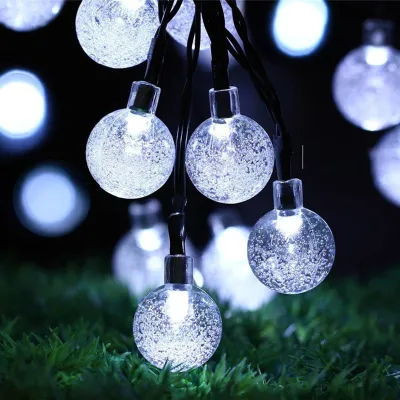
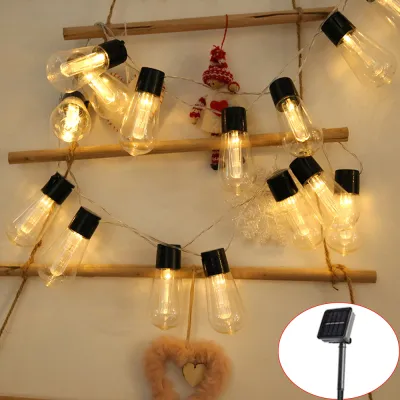
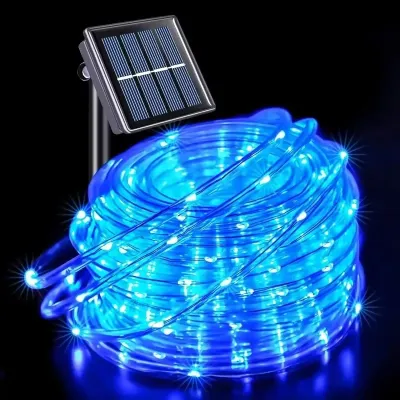
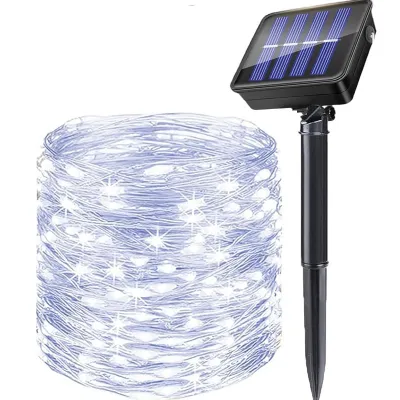
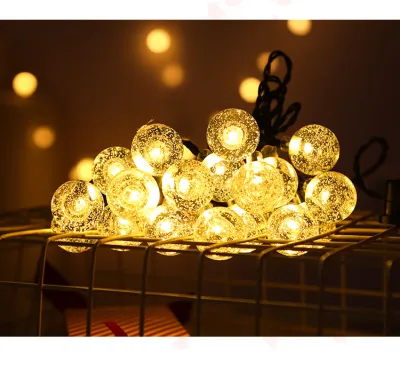
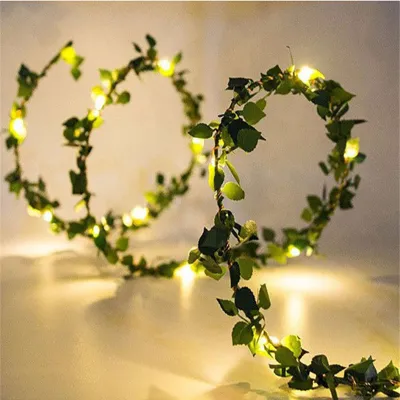
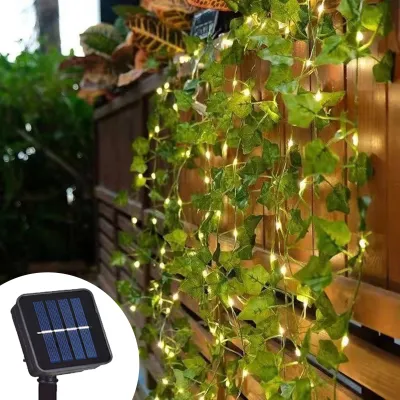
Prices are valid at publication and may change. Please refer to the product page for the latest price.
However, a common oversight is assuming the entire product package shares the same durability rating. While the LED strip itself might be rated IP65 or IP67, the accompanying controller and power adapter are often rated lower, such as IP44, or designed strictly for indoor use. Verify the individual ratings of every component. If the power supply is only rated for damp locations (IP44), it must be housed inside a weatherproof electrical enclosure or placed in a fully sheltered area.
Managing cables safely in a garden setting requires careful planning to prevent electrical hazards. All extension cords must be rated for outdoor use, featuring heavy-duty insulation that resists UV degradation. To secure connections between the light strip power cord and your outdoor outlets, utilize weatherproof connection boxes, often referred to as dry boxes. These protective enclosures seal the plugs inside a water-resistant chamber, keeping them dry even during torrential tropical storms.
Designing the Party Ambiance: Brightness, Colors, and Layout
Designing an effective outdoor lighting layout begins with accurate physical measurements of your garden space, mapping out key features like decks, pergolas, pathways, or trees. Because smart light strips are highly flexible, they can be wrapped around structures or run in straight lines to define architectural boundaries. Calculate the total linear distance required for each zone, keeping in mind that longer runs may require multiple power injection points to prevent the light from dimming toward the end of the strip.

Brightness, measured in lumens, determines whether your garden party feels atmospheric or overly bright. For ambient mood lighting along pathways or under seating, a lower light output of approximately 150 to 300 lumens per meter is usually sufficient. If you need functional lighting over dining tables, cooking areas, or bar setups, look for high-output strips capable of delivering 500 to 800 lumens per meter. Choosing a dimmable smart strip allows you to maintain high brightness during food preparation and then lower the intensity to create a relaxed party atmosphere later in the evening.
The color capabilities of your smart light strips play a crucial role in setting the party vibe. Standard RGB strips produce millions of colors but struggle to create a clean, warm white light, often resulting in a cold, artificial blue-white hue. For a sophisticated garden setting, prioritize RGBW or RGBCCT strips. These models feature dedicated white LED chips alongside the color chips, producing a true, warm white glow (typically 2700K to 3000K) that creates a welcoming, natural environment.
Smart Controls and Entertainment Features
A successful garden party relies on seamless lighting control without connectivity dropouts. Smart light strips utilize different wireless protocols, each with distinct advantages and limitations. Wi-Fi strips are popular because they connect directly to your home network without requiring a separate hub, but their signal strength can be severely compromised by thick concrete exterior walls. If your garden is located far from your router, you may experience lag or unresponsive lights unless you install an outdoor Wi-Fi range extender or a mesh node near the garden-facing window.
For larger properties or more robust setups, Zigbee or Matter-over-Thread protocols offer excellent reliability. These systems operate on a mesh network, where each mains-powered device acts as a repeater. This significantly extends the range and ensures that even the furthest corner of your garden receives a strong, stable signal. While these protocols typically require a compatible smart home hub placed indoors, they reduce the bandwidth load on your home Wi-Fi network and offer faster, more reliable local control.
To elevate the entertainment value, look for smart strips featuring dynamic music synchronization. These systems translate the beat of your music into real-time color transitions. Some models utilize a physical microphone built into the inline controller, which reliably captures ambient sound in the garden. Others rely on a companion smartphone app or direct software integration with music streaming platforms, requiring your phone to remain nearby to maintain synchronization.
Safe Installation and Routing in the Garden
Installing smart light strips outdoors requires more robust mounting solutions than standard double-sided adhesive tape. Outdoor humidity, heat, and textured surfaces like brick, concrete, or rough timber will cause standard adhesives to fail rapidly. Instead, secure your light strips using heavy-duty mounting clips, silicone brackets, or specialized aluminum mounting channels. Aluminum channels are particularly beneficial because they protect the strip from physical impacts, help dissipate heat to prolong the lifespan of the LEDs, and feature frosted diffuser covers that blend the individual light points into a smooth, continuous glow.
Cable routing must be planned meticulously to ensure the safety of your guests and protect your equipment from garden maintenance tools. Avoid laying cables across lawns or pathways where they present tripping hazards or risk being severed by garden tools. Instead, route cables along the base of fences, tuck them under decking boards, or bury them inside protective PVC conduits. Ensure that all cables have a slight “drip loop” before they enter any electrical outlet or controller box, which prevents rainwater from running down the cord directly into the electrical connection.
While low-voltage (12V or 24V) systems are safe for DIY installation, certain scenarios require professional expertise. If your garden layout demands new outdoor-rated electrical outlets, fixed high-voltage (230V) wiring, or running cables underground, you must hire a licensed electrical worker. Attempting to install permanent outdoor wiring without proper certification poses significant fire and shock hazards, and may violate local safety regulations.
Pre-Purchase Verification Checklist
Before purchasing, use this checklist to verify that the product meets all safety, compatibility, and performance requirements:
- Voltage and Power Supply: Confirm the power adapter is compatible with local household voltage (230V, 50Hz) and matches your outdoor outlets.
- IP Ratings: Verify the LED strip is rated at least IP65, and check if the controller and power brick require additional weatherproof housing.
- Smart Ecosystem Integration: Ensure compatibility with your existing smart home platform (such as Apple Home, Google Home, or Amazon Alexa) for seamless control.
- Hub Requirements: Check if the strip operates via direct Wi-Fi/Bluetooth or requires a Zigbee or Matter hub.
- Warranty Terms: Confirm the warranty covers outdoor use and moisture damage under standard installation conditions.
Frequently Asked Questions (FAQ)
Can I use indoor smart light strips outside if they are under a covered patio?
No, do not use indoor-rated smart light strips outdoors, even under a covered patio. Indoor strips lack the protective silicone or polyurethane coatings that shield delicate electronic components. Outdoor environments, even when sheltered from direct rain, experience high humidity, condensation, and temperature fluctuations. Over time, this moisture corrodes copper connections, degrades adhesive backing, and causes electrical short circuits. Always select strips explicitly rated for outdoor use to ensure safety.
Do smart light strips need a separate hub to work outdoors?
This depends entirely on the wireless protocol the light strips use. Strips utilizing direct Wi-Fi or Bluetooth do not require a separate hub and connect directly to your smartphone or router. However, their performance is limited by wireless range, which can be degraded by thick exterior walls. Strips using Zigbee or Thread protocols require a compatible smart home hub placed indoors. This hub-based system offers a more stable, long-range connection, as the devices form a reliable mesh network across your garden.
How do I connect multiple light strips for a large garden area?
To connect multiple light strips safely, follow the manufacturer’s guidelines regarding maximum run lengths. Simply daisy-chaining multiple strips end-to-end causes a significant voltage drop, resulting in lights becoming progressively dimmer or displaying incorrect colors toward the end of the run. Check if the manufacturer supports extension kits and the maximum allowable length for a single power supply. For very long installations, use outdoor-rated T-connectors and inject power by adding additional power supplies along the line to maintain consistent brightness.
Community discussion
Share your experience or ask a question. Comments are reviewed before publication.