
Finding the best smokeless joss sticks for home worship in Singapore requires a shift in perspective: “smokeless” in the context of combustible incense actually means “low-smoke.” Because all burning organic materials release some level of particulate matter, a completely smoke-free traditional burning experience is physically impossible. For residents living in high-rise apartments such as Housing & Development Board (HDB) flats, selecting the right low-smoke incense is essential to maintain daily Buddhist or Taoist devotional practices without triggering sensitive ceiling smoke detectors, compromising indoor air quality, or causing discomfort to neighbours sharing common corridors.
To find the most suitable option for your home, you must evaluate the physical construction of the incense, the raw materials used, and how the product behaves in Singapore’s humid climate. By focusing on coreless designs, clean-burning charcoal bases, and natural binders, you can maintain your sacred traditions while keeping your living space clean, safe, and comfortable.
Understanding "Smokeless" Claims and HDB Living Constraints
When shopping for incense, it is crucial to distinguish between marketing terms and physical realities. Products labelled as “smokeless” or “micro-smoke” are designed to minimize visible emissions, but they still undergo combustion. This process inevitably releases fine particulate matter and gases into the air. Understanding this distinction helps you manage ventilation and expectations, ensuring that your daily rituals do not inadvertently compromise your indoor environment.
Products mentioned in this guide
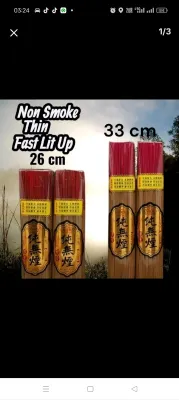
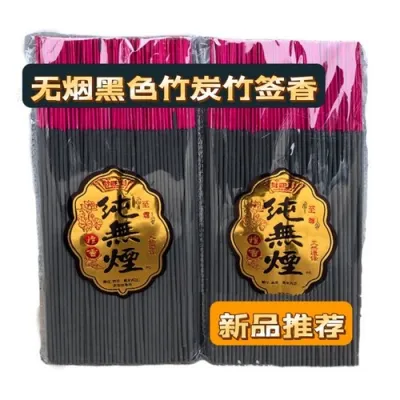
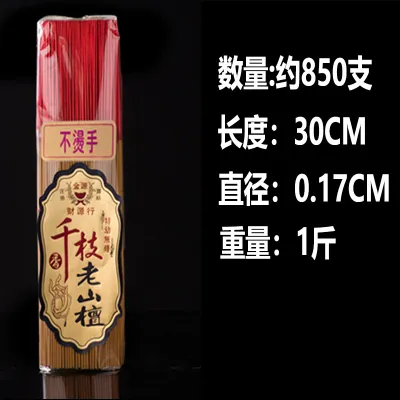
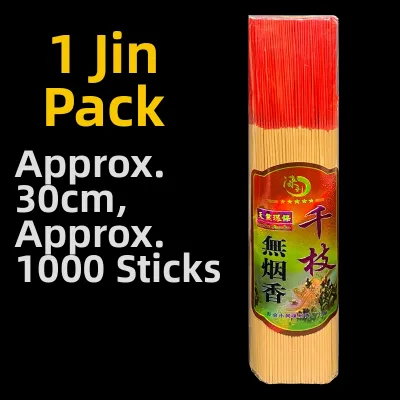
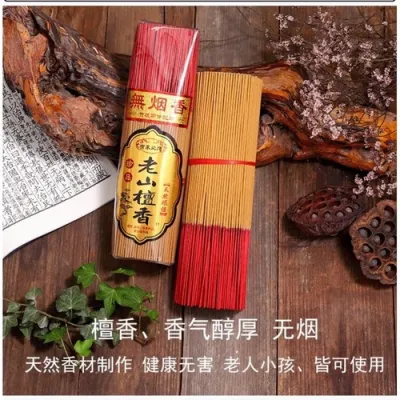
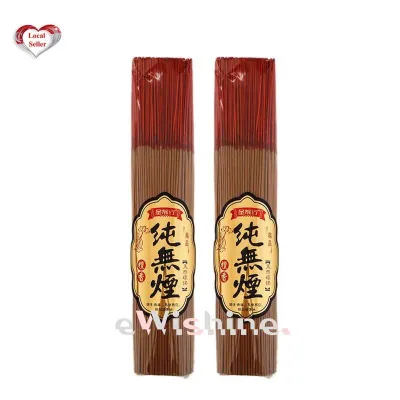
Prices are valid at publication and may change. Please refer to the product page for the latest price.
Living in a high-rise HDB flat introduces specific spatial and social constraints that do not apply to landed properties or outdoor shrines. Modern HDB layouts are relatively compact and designed with tight building envelopes. When incense is burned daily in these enclosed spaces, smoke and soot can quickly accumulate on walls, ceilings, and furniture. Furthermore, shared common corridors mean that strong scents and smoke plumes can easily drift into your neighbours’ homes, potentially causing friction or respiratory discomfort for those living nearby.
Another critical factor is the presence of Home Fire Alarm Devices (HFADs), which are mandatory in newer residential units in Singapore. These ceiling-mounted smoke detectors are highly sensitive to airborne particulates. Standard incense smoke can easily trigger false alarms, leading to unnecessary panic and disruption. Choosing a genuinely low-smoke alternative and managing airflow are the most effective ways to prevent these modern living challenges while respecting your religious practices.
Key Selection Criteria for Low-Smoke Incense
To make an informed purchase, you must look beyond the front packaging and understand the materials that make up a joss stick. The core composition determines how cleanly the stick burns. Traditional joss sticks feature a bamboo core wrapped in incense paste. When the bamboo core burns, it produces a significant amount of thick, white smoke and a distinct, woody smell that can overpower the actual incense fragrance. In contrast, solid or coreless incense sticks contain no wooden core, burning only the compressed incense material itself to significantly reduce smoke and ash volume.

| Incense Type | Core Material | Smoke Output | Ash Volume | Best Suited For |
|---|---|---|---|---|
| Traditional Joss Stick | Bamboo | High | High | Outdoor altars, large well-ventilated temples |
| Charcoal-Based Stick | Bamboo or Wire | Low to Moderate | Moderate | Standard home altars with moderate ventilation |
| Coreless (Solid) Stick | None (Solid paste) | Very Low | Low | Small HDB altars, enclosed rooms, daily worship |
The base material of the incense paste also plays a major role in smoke production. Charcoal-based incense uses carbonized wood powder as a base. Because charcoal has already been partially combusted during its manufacturing process, it burns much more cleanly and with far less visible smoke than raw wood powder. When evaluating wood-powder bases, look for high-quality, natural powders like sandalwood or agarwood, and avoid products that rely on synthetic binders or chemical glues, which release acrid, irritating smoke when heated.
Scent profiles are another essential consideration for indoor air quality. High-quality low-smoke incense utilizes natural essential oils and botanical ground herbs to create a subtle, clean aroma. Cheaper alternatives often use synthetic fragrance oils to mimic traditional scents. These synthetic compounds can release volatile organic chemicals when burned, which frequently cause eye irritation, headaches, or throat discomfort in enclosed spaces. A light, natural scent is always preferable for daily indoor use.
Finally, pay attention to the burn time and ash residue. Manufacturers of quality low-smoke incense design their products to burn consistently and completely. This results in a predictable burn time—typically 30 to 45 minutes for standard home worship lengths—and leaves behind a fine, light-coloured ash. If a product leaves behind dark, clumpy, or oily residue, it is a strong indication of low-grade binders or excessive moisture, both of which contribute to higher smoke levels.
How to Verify Smoke Levels and Safety at Home
Because you cannot always test incense in a retail shop, establishing a safe verification protocol at home is the best way to evaluate a new brand. Before burning a large quantity or committing to a daily routine, perform a simple “one-stick test.” Choose a single room with a window that can be opened slightly to allow air to circulate, but keep the door to the rest of the flat closed to isolate the test area. Place the single joss stick in a secure, heat-resistant holder away from direct drafts and ceiling smoke detectors.
Once lit, observe the smoke plume closely. A high-quality low-smoke stick should produce a thin, barely visible blue-grey stream of smoke that quickly dissipates into the air. If you see a thick, heavy white column of smoke rising continuously, the product is not suitable for confined indoor use. Let the stick burn completely and examine the resulting ash. Clean, complete combustion will leave a light grey or white ash that crumbles easily. Black, heavy, or solid ash indicates incomplete combustion, which means more particulates were released into your room’s air.
During this test, pay close attention to your physical reactions. If you experience watering eyes, a scratchy throat, coughing, or a sudden headache, extinguish the stick immediately. These symptoms are clear indicators that the incense contains synthetic additives or binders that your respiratory system cannot tolerate. Open all windows fully to flush the room with fresh air, and discontinue using that specific product.
Always prioritize physical safety when burning any material in your home. Ensure your incense burner is placed on a stable, non-flammable surface, such as stone, ceramic, or metal. Keep the altar clear of flammable items like paper offerings, plastic packaging, or decorative fabrics. Never leave burning incense unattended, and ensure that the embers are completely extinguished before leaving the house or going to sleep.
Building Your Shortlist: Types of Low-Smoke Incense
When building your shortlist of products to try, categorizing them by their physical format will help you match the incense to your specific altar setup and daily routine. Coreless or solid incense sticks are highly recommended for modern HDB living. Because they lack a bamboo core, they burn slowly and evenly, producing a fraction of the smoke of traditional sticks. They are often shorter in length, making them perfect for small, modern home altars where space is limited.
Charcoal-based dipped incense is another excellent option if you prefer the traditional look of a stick with a handle. These products use a clean-burning charcoal paste wrapped around a thin bamboo core, which is then dipped in natural essential oils. While the bamboo core will still produce a small amount of smoke as it burns down, the charcoal paste itself burns almost invisibly, offering a good compromise between traditional aesthetics and modern smoke-reduction needs.
When browsing religious supply shops or online marketplaces, you will frequently encounter products labelled as “environmentally friendly,” “micro-smoke,” or “eco-incense.” Treat these marketing labels with healthy skepticism. Look for brands that provide transparent ingredient lists on their packaging, specifically mentioning natural wood powders, plant-based binders, and pure essential oils. Avoid products that make absolute safety claims or promise “zero emissions,” as these claims are scientifically inaccurate for combustible products.
Alternative formats like incense cones or coils require careful consideration. While convenient, incense cones are pressed very densely and often produce a highly concentrated, heavy smoke plume in a short period. Coils, designed for long burn times, can accumulate a significant amount of smoke in a room if left burning for hours. Unless these formats are specifically formulated and verified as micro-smoke, stick formats remain the safest and most controllable choice for daily home worship.
Purchasing and Storage Tips for Singapore's Climate
Sourcing your incense from reputable sellers is key to ensuring product safety and quality. Avoid buying unbranded, extremely cheap bulk packages from unregulated sources, as these products often contain industrial binders, synthetic dyes, and low-grade fragrances that produce toxic smoke. Instead, purchase from established local religious goods stores, official brand boutiques, or reputable online marketplaces that offer clear product descriptions and customer reviews.
Always inspect the packaging before buying. High-quality low-smoke incense is typically sold in sturdy, well-sealed boxes or resealable tubes that protect the sticks from physical damage and environmental moisture. Look for clear labels that indicate the manufacturing date, country of origin, and usage instructions. Avoid packages that show signs of water staining, fading, or a strong chemical smell bleeding through the cardboard.
Singapore’s tropical climate presents a unique challenge for storing incense. With relative humidity levels frequently exceeding 80%, open incense sticks will quickly absorb moisture from the air. Damp incense is difficult to light, burns unevenly, and undergoes incomplete combustion, which dramatically increases the volume of thick, irritating smoke and unpleasant odours. To maintain the low-smoke properties of your joss sticks, you must store them correctly.
Immediately after opening a new package, transfer the incense sticks into an airtight plastic container, a glass jar with a rubber seal, or a heavy-duty zip-top bag. Add one or two food-grade silica gel desiccant packets inside the container to actively absorb any trapped moisture. Keep the storage container in a cool, dry cupboard away from direct sunlight and heat sources. By keeping your incense dry, you ensure a clean, efficient burn every time you light a stick for worship.
Frequently Asked Questions (FAQ)
Will low-smoke incense still trigger my HDB smoke alarm?
Yes, low-smoke incense can still trigger your HDB Home Fire Alarm Device (HFAD) if it is placed too close to the detector or if smoke is allowed to accumulate in the room. Most residential smoke detectors use photoelectric sensors that trigger when airborne particles scatter a light beam inside the device. Even though low-smoke incense produces far less visible smoke, it still releases fine particulates. To prevent false alarms, position your home altar at a safe distance from the ceiling detector, ensure the room has active cross-ventilation, and avoid placing the incense burner directly underneath the alarm unit.
Can I use low-smoke incense in a room without windows?
Burning any combustible material in a completely windowless room is not recommended. Even low-smoke incense releases carbon monoxide, carbon dioxide, and fine particulates that can quickly build up to unhealthy levels in an unventilated space. If your altar must be located in an area without direct window access, you must establish active air circulation. Keep the door to the room wide open, use a mechanical fan to push air toward a ventilated area, or run a high-efficiency particulate air (HEPA) purifier equipped with an activated carbon filter to continuously clean the air while the incense is burning.
How do I clean incense ash residue from my altar safely?
To clean incense ash safely, always wait until the ash has cooled completely to avoid burns or melting plastic surfaces. Use a soft-bristled brush, a small hand vacuum, or a dry microfiber cloth to gently sweep the dry ash away from the altar. Avoid using wet cloths or liquid chemical cleaners immediately on loose ash. When fresh wood or charcoal ash mixes with water, it can create a highly alkaline paste that can strip protective wax finishes from wooden altars, tarnish brass burners, or leave stubborn, cloudy stains on glass and marble surfaces. Once the dry ash is removed, you can wipe the surfaces down with a slightly damp cloth if necessary.

Community discussion
Share your experience or ask a question. Comments are reviewed before publication.