
Refreshing your living room does not require a complete furniture overhaul or an expensive renovation. One of the most efficient and impactful design strategies is updating your sofa pillow covers. By swapping out old covers for new designs, you can instantly alter the color palette, introduce rich textures, and redefine the overall style of your seating area. This simple adjustment allows you to adapt your home decor to changing seasons, evolving design trends, or personal style shifts with minimal effort.
To achieve a polished, professional look, you must approach the selection process systematically. Choosing the right covers involves more than simply picking a color you like; it requires analyzing your existing furniture, measuring your cushion inserts accurately, coordinating patterns, and selecting fabrics that suit your lifestyle and local climate. By taking the time to plan these details, you can ensure your new covers fit perfectly, look cohesive, and withstand daily use.
Assess Your Current Sofa and Living Room Style
Before browsing for new sofa pillow covers, take a close look at your existing sofa. The sofa’s material, color, and silhouette serve as the foundation for your new design. For instance, a sleek, grey fabric sofa offers a neutral canvas that pairs well with almost any color or pattern, while a dark leather sofa requires careful consideration of texture and slip-resistance to prevent the pillows from sliding. Note whether your sofa has a modern, minimalist frame with clean lines or a more traditional, rolled-arm silhouette, as this will influence the style of covers that feel most natural.
Products mentioned in this guide
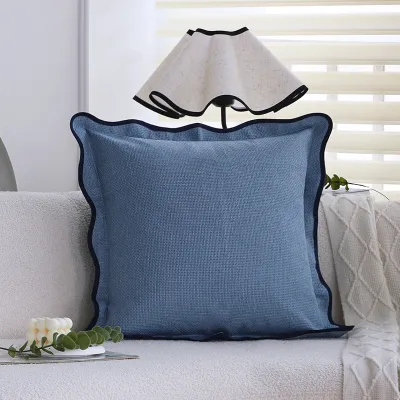
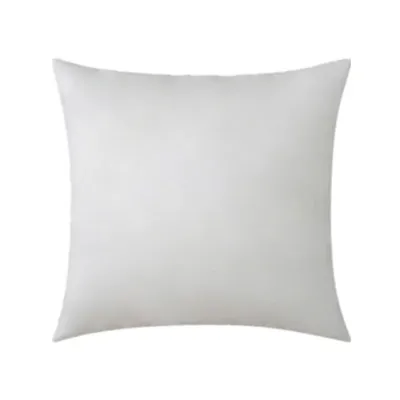
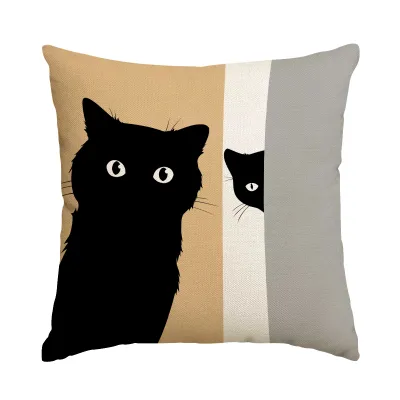
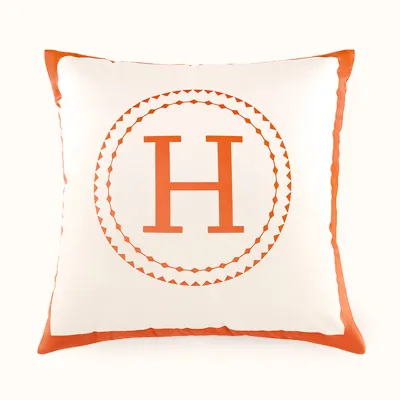
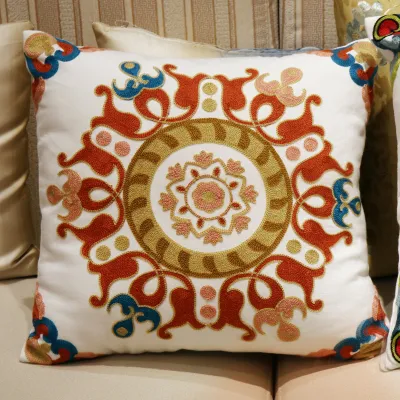
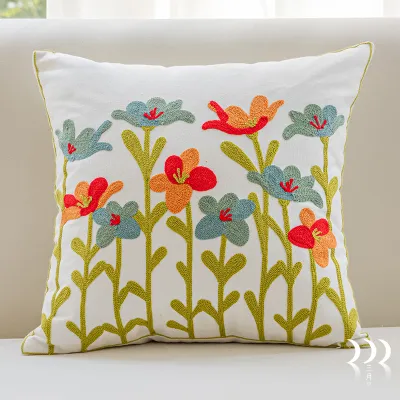
![[V.Home] Throw Pillows/Cushion Case/4 sizes available/Indoor Decoration Cushion Pillow](https://img.lazcdn.com/g/p/7b0bca45b51dd8b3fca4a548ca000357.jpg_400x400q80.jpg_.webp)
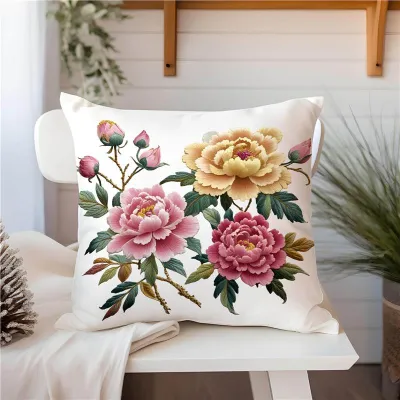
Prices are valid at publication and may change. Please refer to the product page for the latest price.
Next, observe the broader living room environment to establish a harmonious design direction. Consider the dominant colors in your walls, flooring, rugs, and curtains, as well as the architectural features of the space. If your living room features a lot of warm wood tones and natural light, you might opt for earthy, organic pillow covers to complement the warmth. Conversely, a modern apartment with cool concrete or polished tile flooring might benefit from high-contrast geometric patterns or bold accent colors that break up the visual monotony.
Finally, define the specific visual outcome you want to achieve with this refresh. You might want to introduce a cozy, inviting warmth for the cooler months, or perhaps you prefer a bright, breezy tropical aesthetic that complements a warm, humid climate. Clarifying your design goal early on prevents impulsive purchases and helps you maintain a clear, focused theme as you select colors, patterns, and materials.
Determine the Right Size and Shape for Your Cushions
Achieving a tailored, high-end look depends heavily on selecting the correct size and shape for your cushion covers. Start by measuring your existing cushion inserts rather than the old covers, which may have stretched or shrunk over time. Remove the cover and lay the insert flat on a hard surface, measuring from seam to seam across the center. Standard square inserts typically range from 45×45 cm to 50×50 cm, but custom or older furniture may feature non-standard dimensions that require careful verification.

The proportions of your sofa should dictate the shapes and sizes of the pillows you choose. Deep-seated, spacious sofas can easily accommodate oversized square pillows (such as 60×60 cm) which provide excellent back support and a relaxed, luxurious feel. For shallower or more compact sofas, smaller square covers or rectangular lumbar pillows are more appropriate, as they provide comfort without consuming valuable seating space. Mixing shapes, such as placing a rectangular lumbar pillow in front of two square pillows, adds structural variety and visual interest.
When purchasing new covers, always check the product specifications for exact dimensions, closure types, and seam construction. Hidden zipper closures are highly recommended because they provide a clean, seamless edge and prevent the zipper from scratching your sofa’s fabric or leather. Additionally, many interior designers recommend choosing a cover that is slightly smaller (about 2 to 3 cm) than the insert itself. This slight size difference ensures a plump, fully stuffed appearance, though you should verify that the cover’s seams are reinforced to handle the extra tension.
Select Colors and Patterns That Complement Your Space
Coordinating colors and patterns is where you can truly express your personal style and transform the mood of your living room. To create a balanced color scheme, start with basic color theory principles. If you prefer a calm, serene atmosphere, choose analogous colors—shades that sit next to each other on the color wheel, such as soft blues, muted greens, and teals. For a more dynamic, high-energy look, opt for complementary colors, which sit opposite each other, such as deep navy paired with warm terracotta or mustard yellow.
When mixing patterns, follow a structured hierarchy to prevent your sofa from looking cluttered or chaotic. A reliable rule of thumb is to combine one large-scale pattern, one medium-scale pattern, and one solid or highly textured fabric. For example, you might pair a large-scale geometric print with a medium-scale stripe and a solid linen cover. Varying the scale of the patterns ensures they do not compete for attention, allowing the eye to move comfortably across the arrangement.
It is also essential to evaluate how the lighting in your living room affects the appearance of your chosen colors. Natural daylight, which changes throughout the day, can make colors appear brighter and cooler, while warm artificial lighting in the evening can cast a yellow or amber glow over your fabrics. In bright tropical daylight, highly saturated colors can look vibrant and stunning, whereas pastel tones might appear slightly washed out. If possible, view fabric swatches or product photos under different lighting conditions to ensure you are satisfied with how the colors look at all times of day.
Choose Materials Based on Comfort and Maintenance Needs
The tactile experience of your sofa pillow covers is just as important as their visual appeal, making material selection a critical step. When reviewing fabric options, check the manufacturer’s labels for fiber content, weave density, and breathability. Natural fibers like cotton and linen are highly breathable and soft to the touch, making them exceptionally comfortable for warm, humid climates. However, they are prone to wrinkling and may require more frequent ironing to maintain a clean, neat appearance.
Your household dynamics should heavily influence the durability and stain resistance of the materials you choose. If you have young children, pets, or host frequent gatherings, delicate fabrics like silk, satin, or high-pile velvet may not be practical for everyday use. Instead, look for tightly woven synthetic blends, canvas, or performance fabrics that are engineered to resist snags, spills, and heavy wear. These durable materials offer the look of luxury while providing the resilience needed to withstand active daily life.
Before finalizing your purchase, carefully review the care and maintenance instructions on the product tags. Some premium materials, such as embroidered linen, wool blends, or genuine leather, may require professional dry cleaning or specialized leather conditioners. If you prefer a low-maintenance lifestyle, prioritize machine-washable covers with colorfast dyes that can be easily tossed into the washing machine. Matching the fabric’s care requirements to your lifestyle ensures your covers remain fresh, clean, and beautiful for years to come.
Arrange and Layer Your Pillow Covers for a Finished Look
Once you have selected your covers, the final step is to arrange and layer them on your sofa to create a cohesive, inviting display. Begin by deciding on the overall layout style that best matches your living room’s personality. A symmetrical arrangement, featuring identical pairs of pillows on each end of the sofa, creates a formal, balanced, and traditional look. An asymmetrical arrangement, which might feature a cluster of three pillows on one side and a single pillow on the other, offers a more relaxed, modern, and casual vibe.
To build depth and visual interest, layer your pillows from the back to the front, starting with the largest sizes. Place your largest, solid-colored, or heavily textured pillows at the back corners of the sofa to serve as visual anchors. Next, layer medium-sized patterned pillows in front of them, and finish the arrangement with a small accent pillow or a rectangular lumbar pillow in the very front. This layering technique not only looks professional but also provides customizable physical support for anyone sitting on the sofa.
After completing your arrangement, step back to assess the overall balance, comfort, and flow of the space. Sit on the sofa to ensure the pillows do not crowd the seating area or feel too firm. If the arrangement feels flat, try gently fluffing the inserts or swapping out a flat synthetic insert for a high-quality feather or down-alternative fill. Do not hesitate to adjust the positions or swap out a cover if a particular pattern or color feels out of place, as styling is an iterative process that benefits from fine-tuning.
Frequently Asked Questions (FAQ)
How many sofa pillow covers should I use on a standard three-seater sofa?
For a standard three-seater sofa, using three to five pillow covers is generally ideal. This range allows you to create a layered, styled look without overcrowding the cushions or leaving guests with no room to sit. If you prefer a minimalist aesthetic, three pillows (one on each end and one in the middle) work beautifully, while five pillows allow for a richer, more layered arrangement.
Can I mix different textures and patterns on the same sofa?
Yes, mixing textures and patterns is an excellent way to add depth and character to your living room. The key to success is maintaining a common thread, such as a shared color palette or a consistent design theme, to tie the different elements together. Pair a bold pattern with a subtle texture, like linen or waffle knit, to keep the design balanced and cohesive.
How do I prevent my cushion covers from fading over time?
To protect your cushion covers from fading, keep them out of direct sunlight, which can break down fabric dyes over time. If your sofa is near a window, consider using UV-blocking window films, blinds, or sheer curtains to filter the harsh sunlight. Additionally, rotate and flip your cushions regularly to ensure even wear, and always wash the covers inside out using a gentle, color-safe detergent.

Community discussion
Share your experience or ask a question. Comments are reviewed before publication.