
Selecting a reliable solar outdoor light for home security in Singapore requires looking beyond basic brightness ratings. While solar-powered security lights offer an energy-efficient, wire-free way to illuminate dark pathways, driveways, and garden perimeters, their effectiveness hinges almost entirely on the reliability of their motion sensors. A poorly chosen sensor will either fail to trigger when an intruder approaches or constantly activate due to passing cars, wind-blown plants, or sudden temperature shifts, rapidly draining the battery.
In Singapore’s unique environment, finding a dependable motion-activated solar light involves understanding how different sensor technologies interact with high ambient heat, intense humidity, and heavy seasonal rainfall. By focusing on verifiable technical specifications, environmental protection ratings, and proper installation practices, homeowners can secure their properties with outdoor lighting that performs consistently year-round. This guide provides a comprehensive framework to help you evaluate and select the right solar security lights for your specific property layout and local climate conditions.
Understanding Motion Sensor Technologies in Solar Security Lights
To choose a solar outdoor light with a reliable motion sensor, you must first understand the underlying technology that triggers the light. Most residential security lights utilize one of two primary sensor types: Passive Infrared (PIR) or microwave. Each technology operates on different physical principles, which directly affects how they perform in Singapore’s tropical climate.
Products mentioned in this guide
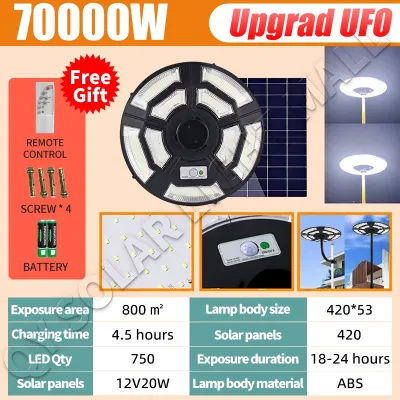
Prices are valid at publication and may change. Please refer to the product page for the latest price.
Passive Infrared (PIR) sensors are the most common technology found in outdoor security lights. These sensors work by detecting changes in infrared radiation—essentially heat signatures—within their field of view. When a human, animal, or vehicle enters the detection zone, the sensor registers a rapid change in thermal energy and triggers the light. However, PIR sensors face a distinct physical challenge in Singapore. Because our ambient outdoor temperatures frequently hover between 30°C and 34°C, the temperature difference between a human body and the surrounding air is minimal. This low thermal contrast can significantly reduce the sensitivity and effective range of a PIR sensor, especially during hot afternoons or warm, humid nights.
In contrast, microwave sensors emit high-frequency radio waves and analyze the reflected signals that bounce back to the unit, utilizing the Doppler effect to detect movement. Because they rely on physical motion rather than heat signatures, microwave sensors are entirely unaffected by high ambient temperatures or humidity levels. They are exceptionally sensitive and can even detect motion through thin barriers like glass, plastic, or light foliage. However, this extreme sensitivity can be a double-edged sword. A microwave sensor is far more prone to false triggers caused by wind-blown tree branches, heavy rain, or small pests, which can lead to unnecessary battery drain. Additionally, microwave sensors generally consume more standby power than PIR sensors, requiring a larger solar panel and battery capacity to maintain reliable operation throughout the night.
For homeowners seeking the highest level of reliability, dual-technology sensors offer an advanced solution. These units combine both PIR and microwave sensors into a single housing. For the security light to activate, both sensors must detect motion simultaneously—the PIR sensor must register a heat signature, and the microwave sensor must detect physical movement. This dual-verification process virtually eliminates false alarms caused by wind, rain, or thermal fluctuations. While dual-technology solar lights are typically more expensive and require robust solar charging systems due to their higher power draw, they provide the most dependable performance for high-security areas.
Key Specifications to Check for Sensor Reliability
When shopping for a solar outdoor light, relying on vague marketing claims like “highly sensitive” or “smart sensing” is rarely sufficient. Instead, you should carefully examine the manufacturer’s technical specifications and product manuals to verify the sensor’s actual capabilities.

The first specifications to evaluate are the detection angle and the maximum detection range. The detection angle, measured in degrees, determines the width of the sensor’s field of view. Standard security lights typically offer a detection angle of 120 to 180 degrees, which is suitable for flat walls or pathways. For corner installations or wide driveways, look for units with adjustable sensor heads or wider detection angles of up to 270 degrees. The detection range indicates how far away the sensor can identify movement, usually specified in meters. For residential security, a reliable range of 8 to 12 meters is generally optimal. Be aware that these maximum ranges are often tested under ideal laboratory conditions; in Singapore’s warm climate, a PIR sensor’s actual range may be slightly shorter than the advertised maximum.
To prevent nuisance triggering and conserve battery life, look for solar lights that feature adjustable sensitivity and customizable lighting duration settings. Adjustable sensitivity allows you to fine-tune how easily the sensor is triggered, which is incredibly useful if your light faces a busy public sidewalk or a garden with moving plants. Lighting duration settings control how long the light remains illuminated after motion is detected. A customizable timer—allowing you to choose intervals such as 15 seconds, 30 seconds, or 2 minutes—ensures the light provides adequate illumination for safety while preventing the battery from draining completely during a single, prolonged trigger event.
Another critical feature to verify in the product manual is pet immunity or false-alarm reduction technology. Advanced motion sensors use physical masking or digital algorithms to ignore movement from small animals weighing under a certain threshold, such as 15 to 25 kilograms. Physical masking involves placing specialized lenses or shrouds over the sensor to block detection close to the ground, preventing roaming cats, dogs, or birds from triggering the light. If you live in an area with active local wildlife or have outdoor pets, verifying these features is essential to ensure your security light only activates when a human approaches.
In addition to sensor-specific details, you must verify the general electrical and physical specifications of the light. Check the product label for the charging interface (such as USB-C backup ports), battery voltage, and any electrical certifications (such as the Safety Mark in Singapore for any accompanying USB chargers or hybrid mains adapters). Ensure the physical dimensions and mounting base are compatible with your installation surface, and verify if the light offers adjustable dimming methods to help manage power consumption.
Adapting to Singapore’s Tropical Climate
Singapore’s tropical climate presents a harsh operating environment for any outdoor electronic device. High humidity, intense solar radiation, and torrential downpours during the monsoon seasons can quickly degrade internal components, leading to sensor failure or battery death if the light is not properly rated.
The first line of defense against the elements is the Ingress Protection (IP) rating, which must be clearly printed on the product packaging or specification sheet. The IP rating consists of two digits: the first represents protection against solid objects (like dust), and the second represents protection against liquids. For outdoor security lights exposed to Singapore’s heavy rain and high humidity, an IP65 rating is the absolute minimum standard you should accept. An IP65-rated housing is completely dust-tight and protected against water jets from any angle. For highly exposed areas, such as unshaded perimeter walls or garden posts, opting for an IP67-rated light provides superior protection, ensuring the unit remains completely sealed even during intense tropical storms.
Beyond water ingress, the combination of high ambient heat and humidity can severely impact the lifespan and performance of the light’s internal battery. Most solar security lights utilize lithium-ion (Li-ion) or lithium iron phosphate (LiFePO4) batteries to store solar energy. While LiFePO4 batteries generally offer better thermal stability and a longer overall lifespan in hot climates, both types can degrade rapidly if exposed to temperatures exceeding their operating limits. Before purchasing, check the manufacturer’s specifications to ensure the light’s operating temperature range extends to at least 50°C or 60°C. This ensures the battery can withstand the intense heat buildup that occurs inside a sealed plastic housing under direct Singapore sunlight.
Finally, the efficiency of the solar panel itself is a crucial factor in maintaining sensor reliability, especially during overcast monsoon periods. Solar panels are generally categorized into monocrystalline and polycrystalline types. Monocrystalline panels are highly recommended for Singapore because they offer superior energy conversion efficiency (typically 15% to 22%) and perform significantly better in low-light or diffused sunlight conditions. A high-efficiency monocrystalline panel ensures that even on cloudy, rainy days, the solar light can harvest enough energy to keep the motion sensor active and provide reliable illumination when triggered at night.
While decorative style, housing materials, and perceived color temperature (such as warm white versus cool white) are important for matching your home’s aesthetic, these are conditional preferences that do not affect the actual performance of the motion sensor or the solar panel. Focus first on the technical and environmental ratings before selecting a style.
Installation and Placement for Optimal Sensor Performance
Even the most advanced solar security light will perform poorly if it is installed incorrectly. Achieving optimal sensor accuracy and maximum solar charging efficiency requires careful planning of the mounting location, height, and angle.
For general residential security, the ideal mounting height for a motion-activated solar light is between 2 and 2.5 meters above the ground. Mounting the light too high will reduce the sensor’s sensitivity to ground-level movement, while mounting it too low makes the fixture vulnerable to tampering and limits the overall illumination area. When positioning the light, angle the sensor head slightly downward toward the primary target zone, such as a gate, doorway, or pathway. This downward angle not only maximizes the detection zone but also helps prevent rainwater from pooling on the sensor lens, which can distort the infrared or microwave signals.
To minimize false triggers, you must carefully evaluate the surrounding environment before drilling mounting holes. Avoid placing PIR sensors directly opposite or near heat sources, such as air conditioning compressor exhausts, outdoor dryer vents, or dark asphalt surfaces that retain and radiate heat long after sunset. These localized temperature fluctuations can easily trick a PIR sensor into thinking a human is moving nearby. Additionally, ensure the sensor’s field of view is clear of heavy, moving foliage, hanging laundry, or reflective surfaces like large glass windows, which can cause microwave sensors to trigger continuously.
Equally important is the placement of the solar panel. To ensure the battery charges fully each day, the solar panel must receive direct, unobstructed sunlight for at least four to six hours. In Singapore, which lies just north of the equator, solar panels should ideally face south or be mounted flat with a slight tilt of 10 to 15 degrees to allow rainwater to wash away accumulated dust and debris. Ensure that roof eaves, gutters, overhanging tree branches, or neighboring buildings do not cast shadows over the solar panel during peak daylight hours, as even partial shading can drastically reduce charging efficiency.
When planning your installation, it is important to recognize the boundary between a simple DIY project and a task requiring professional assistance. Most self-contained solar security lights—where the solar panel, battery, sensor, and light are integrated into a single wireless unit—can be easily installed as a DIY project using basic hand tools. However, if you are installing a split-system solar light that requires running long cables through walls, mounting fixtures at heights exceeding 3 meters, or integrating the solar light with an existing fixed electrical wiring system (such as a hybrid solar-mains backup system), safety must be your top priority. For any work involving fixed electrical wiring, working at significant heights, or complex structural mounting, you must isolate the power supply and hire a licensed electrical worker (LEW) in Singapore to ensure the installation complies with local safety regulations and building codes.
Evaluating Brands and Warranty Conditions
Because the market is flooded with generic, unbranded solar lights, evaluating brand trustworthiness and after-sales support is essential to avoid purchasing a product that fails within a few months. Instead of relying on unverified online rankings, you should use concrete, verifiable criteria to assess a brand’s reliability.
Start by thoroughly examining the manufacturer’s warranty terms. A reputable brand should offer a clear, written warranty of at least 1 to 3 years. When reviewing the warranty policy, pay close attention to what is actually covered. Some low-quality brands offer a “lifetime warranty” that only covers the LED bulbs themselves—which rarely fail—while completely excluding the battery, solar panel, and motion sensor, which are the components most vulnerable to environmental wear and tear. Ensure the warranty explicitly covers sensor malfunctions and premature battery degradation under normal outdoor operating conditions. Investing S$50 to S$150 in a high-quality unit with a comprehensive warranty is often more cost-effective than repeatedly replacing cheap, unbranded alternatives.
Furthermore, prioritize brands that have an established local presence in Singapore. Purchasing from a brand with a local distributor, an authorized service center, or a physical retail partner ensures that you can easily claim a warranty replacement or seek technical assistance if something goes wrong. Dealing with overseas sellers on online marketplaces often results in frustrating communication barriers, expensive return shipping fees, or completely ignored warranty claims. A local distributor provides peace of mind and guarantees that the product has been imported and certified in compliance with local consumer protection standards.
Finally, take the time to analyze customer reviews on local ecommerce platforms and home improvement forums, looking specifically for recurring, verified complaints. When reading reviews, look past the initial “out-of-the-box” impressions and focus on feedback from users who have owned the light for six months or longer. Watch for patterns of complaints regarding “sensor lag”—where the light takes several seconds to turn on after motion is detected, rendering it useless for security—or “premature battery death,” where the light stops holding a charge after the first heavy monsoon season. A brand with consistently positive long-term reviews regarding sensor responsiveness and weather durability is far more likely to provide a reliable security solution for your home.
Frequently Asked Questions (FAQ)
Do solar security lights work during prolonged rainy seasons?
Yes, high-quality solar security lights are designed to function during Singapore’s prolonged rainy and overcast seasons, but their performance depends heavily on battery capacity and solar panel efficiency. During consecutive cloudy days, a monocrystalline solar panel can still generate a limited amount of electricity from diffused sunlight. To ensure continuous operation, look for lights with a high-capacity lithium battery (measured in milliampere-hours, mAh) and an intelligent power-management system. These systems automatically dim the light’s standby brightness or reduce the illumination duration during low-charge periods, conserving stored energy so the motion sensor remains active and responsive throughout the night.
Can I replace the battery in a solar outdoor light myself?
Whether you can replace the battery yourself depends entirely on the design of the specific solar light model. Many consumer-grade solar lights feature a user-accessible battery compartment secured by screws, allowing you to easily swap out degraded batteries with standard rechargeable cells, such as 18650 lithium-ion batteries. When performing a DIY replacement, always isolate the unit from any power source, follow the manufacturer’s instructions, and use replacement batteries that match the exact voltage, capacity, and chemistry specified by the manufacturer. However, some high-end or heavy-duty solar lights feature completely sealed housings to maintain a high IP rating against water ingress. Attempting to open these sealed units yourself can void the warranty and compromise the waterproof seal, so they should be sent to an authorized service center for battery replacement.

Community discussion
Share your experience or ask a question. Comments are reviewed before publication.