
In compact urban homes such as Singapore’s Housing & Development Board (HDB) flats and modern condominiums, maximizing the perception of space is a primary design goal. While physical square footage is fixed, the visual boundaries of a room are highly malleable. Decorative mirrors serve as one of the most effective, non-structural tools available to interior designers and homeowners alike for instantly doubling visual depth, amplifying natural light, and creating a sense of architectural openness.
Choosing the right mirror for a small apartment involves more than simply picking an attractive frame. It requires a strategic understanding of how light behaves, how proportions influence spatial perception, and how local environmental factors—such as Singapore’s high humidity—affect product longevity. By focusing on specific design characteristics, material specifications, and safe installation techniques, you can transform a cramped entryway, a narrow corridor, or a dim dining corner into a bright, welcoming space that feels significantly larger than its physical dimensions.
Key Design Features That Create an Illusion of Space
To successfully expand a compact room, a decorative mirror must minimize its own visual weight while maximizing its reflective impact. Frameless mirrors or those with ultra-thin metal frames are highly effective in small spaces because they eliminate harsh visual boundaries. A thick, ornate wooden frame can make a wall feel closer and more cluttered, whereas a slim frame in anodized aluminum, matte black, or brushed brass allows the reflection to merge seamlessly with the surrounding wall, creating a clean transition that tricks the eye into seeing a continuous space.
Products mentioned in this guide
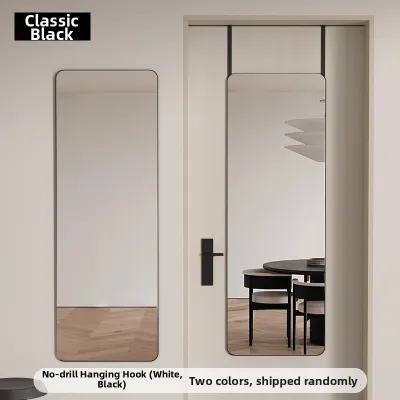
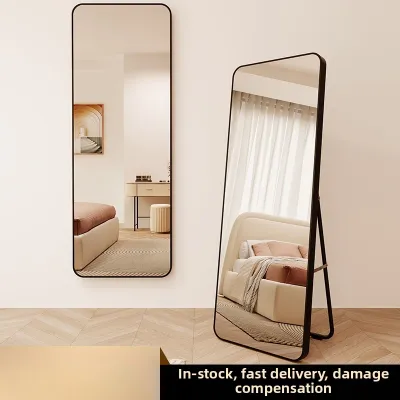
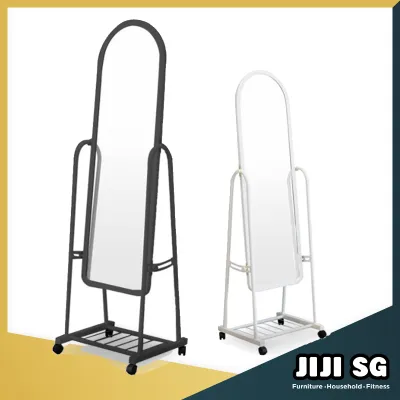
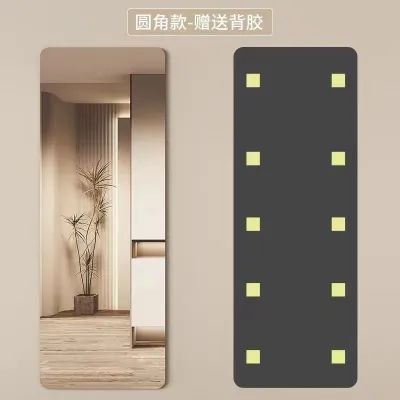
Prices are valid at publication and may change. Please refer to the product page for the latest price.
The shape and orientation of the mirror also play a critical role in altering spatial perception. Tall, vertical mirrors—such as arched floor-standing designs or elongated rectangles—draw the eye upward toward the ceiling. This vertical emphasis is particularly beneficial in standard HDB flats, where ceiling heights typically hover around 2.6 meters, as it creates an illusion of loftiness. Conversely, wide horizontal mirrors are ideal for narrow dining areas or living rooms, as they stretch the visual plane sideways, making narrow walls feel significantly wider.
Edge styling is another subtle but impactful feature to consider. Beveled edges, where the glass tapers off toward the perimeter, catch and refract light at various angles, acting as a natural frame that adds three-dimensional depth without adding physical bulk. Flat, polished edges offer an ultra-minimalist look that is perfect for creating flush, continuous mirror walls. Additionally, placing mirrors strategically adjacent to windows or opposite light fixtures allows them to capture ambient light and bounce it into darker corners, effectively softening shadows and making the entire layout feel more open and airy.
How to Evaluate Mirror Brands for Quality and Reliability
When shopping for decorative mirrors in Singapore, evaluating the structural and material quality of a brand’s products is essential to ensure safety and durability. The first specification to check is the glass thickness. Cheap, low-quality mirrors often use thin glass (under 3mm) which is prone to flexing, resulting in a distorted reflection that can cause eye strain and ruin the illusion of space. High-quality decorative mirrors typically feature a glass thickness of 4mm to 6mm, which provides a perfectly flat, distortion-free reflection and greater resistance to accidental impacts.

Singapore’s tropical climate, characterized by consistently high relative humidity, presents a unique challenge for mirror longevity. Standard mirrors are susceptible to “mirror rot,” a process where moisture penetrates the backing and oxidizes the silver reflective layer, leading to unsightly black spots and peeling edges. To prevent this, look for brands that specify the use of copper-free silver mirrors or those treated with protective, multi-layered epoxy backings. These advanced backing materials are highly resistant to atmospheric moisture, ensuring the mirror remains crystal clear for years.
Safety certifications and robust mounting hardware are equally critical, especially for heavy wall-mounted designs. Reliable brands will provide pre-installed, heavy-duty D-rings or cleat mounting systems rather than simple adhesive pads or flimsy hanging wires. Additionally, check if the brand offers safety-backed glass, which utilizes a shatterproof vinyl membrane applied to the rear of the mirror. In the rare event of breakage, this membrane holds the glass shards in place, preventing dangerous splinters from scattering across your living space. Finally, review customer feedback regarding the brand’s packaging standards, as fragile items require specialized, high-density foam casing to survive transit without micro-cracks that could compromise structural integrity later.
Sizing and Proportion Guidelines for Compact Layouts
Selecting the correct mirror dimensions is a delicate balancing act; a mirror that is too small will look insignificant and fail to expand the room, while one that is excessively large can overwhelm a compact layout. When hanging a mirror above a piece of furniture, such as an entryway console, a sideboard, or a sofa, a reliable rule of thumb is to choose a mirror that is approximately 60% to 80% of the width of the furniture below it. This proportion creates a balanced, anchored look, preventing the mirror from appearing top-heavy or disconnected from the rest of the room’s decor.
For living areas and bedrooms, floor-to-ceiling or large leaning mirrors offer an excellent way to mimic the appearance of an extra doorway or window, creating a powerful illusion of an adjacent room. However, leaning mirrors require sufficient floor space and are best suited for corners where foot traffic is minimal. If floor space is at a premium, wall-mounted vertical mirrors are the superior choice, as they keep the floor area completely clear while still providing the desired vertical expansion.
When deciding between a single large statement mirror and a gallery arrangement of multiple smaller mirrors, the single statement piece is almost always more effective for space-enhancement. While a collection of small, decorative mirrors can look artistic, the multiple frames and fragmented reflections create visual noise and break up the light. A single, expansive pane of glass provides an uninterrupted, coherent reflection that maximizes the bounce of light and delivers a much stronger, cleaner illusion of depth.
Safe Installation and Weight Considerations for Apartment Walls
Hanging a heavy decorative mirror in a Singapore apartment requires careful consideration of the wall’s structural composition. Most local homes feature a combination of concrete structural walls (including precast panels and household shelters) and gypsum board partition walls. Concrete walls offer excellent load-bearing capacity but require a rotary hammer drill, masonry drill bits, and high-quality plastic or metal wall plugs to secure the mounting screws. Attempting to drill into concrete with a standard impact drill can damage the wall and result in an insecure mount.
Gypsum partition walls, commonly used to divide bedrooms or create study nooks, require a completely different approach. Because drywall cannot support heavy loads on its own, you must use specialized hollow-wall anchors, such as toggle bolts or heavy-duty threaded drywall anchors. For exceptionally heavy mirrors, it is crucial to locate the internal metal or timber studs using a stud finder and secure the mounting brackets directly into these structural supports. Never rely on standard adhesive hooks, double-sided mounting tape, or simple nails for any mirror weighing more than a couple of kilograms, as Singapore’s humid climate can cause adhesives to fail over time, leading to catastrophic falls.
Before beginning the installation, always weigh the mirror using a luggage scale to ensure your chosen hardware is rated for the load. If the mirror is oversized, weighs more than 15 kilograms, or if you are uncertain about the wall type and drilling path (especially near electrical conduits or water pipes), it is highly advisable to stop and hire a professional handyman service. A professional installer possesses the specialized tools and experience to ensure your mirror is perfectly level, securely anchored, and safe for everyone in the household.
Where to Source and Verify Decorative Mirrors
Finding the perfect space-enhancing mirror involves comparing different sourcing channels to find the right balance of design, quality, and service. Specialized home decor showrooms in Singapore allow you to inspect the mirrors in person, which is highly recommended for verifying the clarity of the glass, the sturdiness of the frame, and the accuracy of the color finishes under realistic lighting. Whether you are looking at budget-friendly options under S$100 or premium custom designs exceeding S$500, official brand websites and established online marketplaces are excellent alternatives, provided you take steps to verify the seller’s credibility.
When purchasing a mirror online, always review the retailer’s return and exchange policies in detail. Because glass is inherently fragile, transit damage is a real risk. Ensure the brand offers a comprehensive damage-replacement guarantee that covers items broken during delivery. A reliable retailer should provide a clear protocol for reporting transit damage, which typically requires you to inspect the item and submit photographic evidence within 24 to 48 hours of receipt.
As soon as your mirror is delivered, perform a thorough physical inspection before the delivery team leaves or immediately upon unboxing. Look at the mirror from various angles and distances to check for any subtle warping or distortion in the reflection. Inspect the edges of the glass for tiny chips or hairline cracks, and examine the frame joints to ensure they are tight and free of gaps. Gently shake the frame to confirm that the glass pane is securely fitted and does not rattle, as a loose pane can vibrate and eventually crack under daily use or environmental temperature shifts.
Frequently Asked Questions (FAQ)
Can mirrors be placed opposite a window to improve natural lighting?
Yes, placing a mirror directly opposite a window is an excellent way to capture natural light and project it deeper into a compact room. However, you must be mindful of the angle of direct sunlight throughout the day. If the mirror receives intense, direct afternoon sun, it can create a harsh, blinding glare that makes the room uncomfortable to sit in. To avoid this, you can position the mirror at a slight angle to the window to redirect the light more softly, or use sheer window treatments to diffuse the incoming sunlight while still enjoying the enhanced brightness.
How do I clean decorative mirrors without damaging the frame or backing?
To clean your mirror safely, always spray a mild, ammonia-free glass cleaner or a mixture of water and white vinegar onto a microfiber cloth rather than directly onto the glass. Spraying directly onto the mirror can cause liquid to run down the surface and pool at the bottom edge, where it can seep behind the frame and degrade the silver backing, leading to black edge corrosion. For the frame itself, avoid harsh chemicals entirely; instead, use a dry, soft microfiber cloth to wipe away dust, or a slightly damp cloth tailored to the specific frame material, ensuring you dry it immediately to prevent moisture damage.
Community discussion
Share your experience or ask a question. Comments are reviewed before publication.