
Selecting the perfect table decor is more than a simple shopping exercise; it is an intentional design choice that bridges the gap between functional furniture and personal expression. A well-chosen sculpture or figurine does not merely sit on a surface; it anchors the room, captures light, and directs the eye to create a cohesive atmosphere. Whether you are styling a compact condominium in Tanjong Pagar or a spacious landed property in Bukit Timah, the small accents you place on your coffee tables, consoles, and shelving units dictate the final character of your home.
To find pieces that truly complement your existing space, you must look beyond individual aesthetic appeal and evaluate how a sculpture’s material, scale, and form interact with your room’s baseline architecture. By understanding the core design principles of your interior style and applying structured selection criteria, you can curate a collection of table decor that feels integrated, deliberate, and sophisticated.
Define Your Room's Aesthetic Before Choosing Table Decor
Before browsing online marketplaces or visiting local design boutiques, you must establish a clear baseline of your existing interior design style. Introducing decorative objects without a firm grasp of your room’s dominant aesthetic often leads to visual clutter, where beautiful pieces clash with the underlying architecture of the space. A structured audit of your room ensures that every new acquisition supports, rather than fights, the existing design narrative.
Products mentioned in this guide

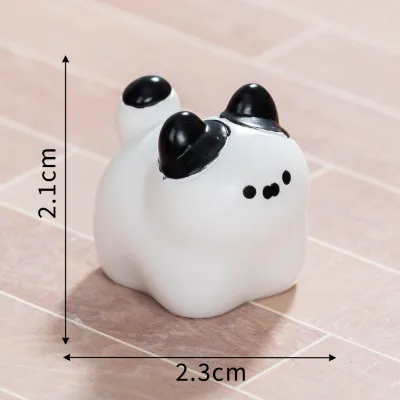
Prices are valid at publication and may change. Please refer to the product page for the latest price.
Begin by identifying the primary design language of your space. Modern minimalist interiors rely on clean, uninterrupted lines, concealed storage, and a highly disciplined color palette. Scandinavian and Japandi aesthetics prioritize organic textures, light-toned woods, and functional simplicity that invites a sense of warmth. Meanwhile, eclectic or maximalist spaces celebrate bold contrasts, historical layering, and highly expressive, personalized narratives. Each of these styles demands a distinct approach to the form and quantity of your decorative accents.
Next, conduct a physical audit of the specific room where the table decor will reside. Examine the dominant materials of your large furniture pieces—such as a dark walnut dining table, a sintered stone coffee table, or a matte powder-coated steel console. Note the undertones of your wall paint and the color temperature of your lighting fixtures, as warm 2700K ambient light will interact differently with metallic or glazed surfaces than cool 4000K task lighting. This systematic assessment creates a clear set of visual boundaries, helping you identify exactly which materials and shapes will harmonize with your home.
Core Criteria for Evaluating Table Sculptures and Figurines
Evaluating table decor requires a balance of artistic appreciation and practical spatial awareness. To ensure a sculpture or figurine elevates your home, you must analyze three fundamental dimensions: material texture, scale and proportion, and color palette.

Material and Texture
The material of a sculpture dictates its visual weight and how it interacts with the surrounding environment. Brushed metals like brass, bronze, or copper introduce a refined luster that catches ambient light, making them excellent choices for adding warmth to darker corners. Raw, unpolished wood grains offer tactile organic warmth and grounding energy, while glazed ceramics and hand-blown glass reflect light dynamically, adding depth to bright, sunlit rooms. Matte resin and cast concrete absorb light, presenting a soft, modern appearance that works beautifully in highly structured environments.
Scale and Proportion
A common styling mistake is placing objects that are either swallowed by their surface or completely overwhelm it. To select the right scale, match the figurine’s height and visual volume to the specific table type. For low-profile coffee tables, opt for horizontal, low-slung pieces that do not obstruct sightlines across the seating area. Conversely, entryway consoles and fireplace mantels demand taller, vertically oriented sculptures that draw the eye upward and establish a clear focal point. As a general rule, a table sculpture should rarely exceed one-third of the height of the space between the tabletop and any shelving or artwork above it.
Color Palette and Finish
The finish of your table decor determines whether it blends seamlessly into the background or stands out as a deliberate accent. High-gloss and metallic finishes demand attention and should be used sparingly to prevent a cluttered, chaotic feel. Matte, textured, or natural finishes allow the form of the sculpture to take center stage, encouraging a quiet, sophisticated integration. When choosing colors, decide whether you want to reinforce your room’s existing palette by selecting matching tones, or introduce a tasteful contrast—such as placing a deep matte black ceramic sculpture on a pale white oak sideboard.
Style-Specific Recommendations for Table Decor
Different interior design styles call for distinct artistic expressions. By aligning the form, material, and quantity of your table decor with your specific design aesthetic, you can create a harmonious look that feels professionally curated.
Modern Minimalist
In a modern minimalist space, the mantra “less is more” dictates every decor decision. Table decor in these environments should focus on geometric purity, abstract forms, and monochromatic color schemes that emphasize negative space. Look for sculptures with clean lines, sharp angles, or perfect spheres that celebrate structural simplicity.
Sleek metals, smooth cast concrete, matte black iron, and tinted architectural glass are ideal materials for minimalist settings. Rather than displaying a crowded group of small figurines, select a single, high-impact statement piece for your table. This singular focus allows the sculpture to command attention, highlighting its form and the deliberate emptiness of the surrounding surface.
Scandinavian
Scandinavian and Japandi designs center on warmth, comfort, and a deep connection to the natural world. For these spaces, choose table decor featuring organic shapes, fluid lines, and soft, nature-inspired motifs. Look for figurines that evoke the gentle curves of river stones, stylized animal forms, or abstract botanical structures.
The material palette should emphasize tactile, natural elements. Light-toned woods like ash, oak, or beech, unglazed stoneware, terracotta, and matte ceramics in muted earth tones—such as warm beige, soft terracotta, sage green, and charcoal—are perfect fits. These pieces should feel handcrafted and tactile, celebrating minor imperfections that bring a sense of human warmth and authenticity to your living space.
Eclectic and Maximalist
Eclectic and maximalist interiors are highly personalized, vibrant spaces that thrive on bold contrasts, rich textures, and unexpected pairings. In these homes, table decor serves as an expressive storyteller and a brilliant conversation starter. Do not shy away from mixing contrasting materials, vibrant glazes, and highly detailed or expressive figurines.
To use bold sculptures effectively without creating visual chaos, establish a sense of balance through thoughtful placement. You can pair a highly detailed, colorful vintage figurine with a sleek, ultra-modern acrylic riser, or place an expressive abstract sculpture against a neutral, solid-colored wall. This technique allows your boldest pieces to stand out clearly, using contrast to tie together disparate design elements from different eras and cultures.
How to Arrange and Style Your Table Decor
Acquiring beautiful table decor is only half the journey; arranging it effectively is what creates a polished, professional look. By applying classic interior styling techniques, you can transform a random collection of objects into a cohesive, visually engaging display.
One of the most reliable styling principles is the rule of thirds, which suggests that groupings of items in odd numbers—particularly threes—are naturally more appealing and memorable to the human eye. When styling a coffee table or sideboard, create a small cluster consisting of three distinct elements. For example, you might pair a medium-sized ceramic sculpture, a small potted succulent, and a decorative candle. This creates a balanced composition that feels complete without looking overcrowded.
To add depth and movement to a flat tabletop, always vary the heights and layers of your objects. Placing three items of the exact same height next to each other creates a flat, uninteresting horizon line. Instead, use design books, low timber pedestals, or decorative trays to elevate smaller figurines, creating a dynamic high-low rhythm that guides the viewer’s eye through the arrangement.
Balancing purely decorative sculptures with functional household items is another excellent way to make your styling feel lived-in and practical. Try placing a striking abstract metal sculpture on top of a stack of linen-bound art books, or nesting a small stone figurine inside a brass valet tray that holds your keys or remote controls. This combination of beauty and utility prevents your home from looking like a sterile showroom.
Finally, never underestimate the power of negative space. Leaving portions of your tabletop completely empty is essential; it gives the eye a place to rest and ensures that your chosen sculptures have room to breathe. If every square inch of a console table is covered in decor, even the most beautiful figurines will lose their individual impact and contribute to a cluttered, disorganized environment.
Essential Pre-Purchase Checks for Table Sculptures
Before finalizing your purchase, you must perform several practical checks to ensure your new table decor is safe, durable, and compatible with your home environment. Taking these precautions prevents damage to your valuable furniture and ensures the longevity of your decorative investments.
First, evaluate weight and surface compatibility. Heavy sculptures made of solid marble, granite, cast iron, or dense brass can exert significant pressure on delicate furniture. If you plan to place a heavy piece on a glass-top coffee table, a thin wood veneer console, or a floating shelf, verify the load-bearing capacity of the surface first. For fragile surfaces, look for lightweight alternatives like hollow ceramics, high-quality matte resins, or lightweight volcanic stone.
Second, examine the base stability of the sculpture. A top-heavy figurine or one with an uneven bottom can easily tip over, potentially shattering or damaging your tabletop. Look for pieces with wide, flat bases that lower the center of gravity. To protect your furniture from scratches, ensure the sculpture’s base is fitted with soft felt pads, cork lining, or silicone bumpers; if it is not, you can easily purchase and apply adhesive felt protectors yourself before placing the item.
Third, consider your local indoor climate and material care requirements. In Singapore’s tropical, high-humidity environment, certain materials require extra vigilance. Unsealed, raw exotic woods can warp or develop mold if placed in areas with poor ventilation or high moisture, such as bathrooms or semi-outdoor balconies. Similarly, non-lacquered iron or low-grade steel can oxidize and rust quickly. If your table decor will be placed near a sunny window, be aware that direct ultraviolet light can fade painted finishes, yellow certain plastics, or crack delicate resin over time.
Fourth, assess safety edges and traffic patterns. If you are placing a sculpture on an entryway table, a dining table, or a low coffee table in a high-traffic walkway, ensure it does not feature sharp, fragile, or protruding edges. Busy households with young children or active pets require sturdy, shatterproof materials like metal, wood, or heavy-duty resin, placed well out of reach of accidental bumps.
Lastly, if your chosen table decor features integrated LED lighting, USB charging ports, or other electrical components, always verify its technical specifications. Ensure the device is compatible with Singapore’s standard voltage of 220V-240V and features a compliant UK 3-pin (Type G) plug or a safe low-voltage USB interface. Check for recognized electrical safety certifications, such as the Enterprise Singapore SAFETY Mark, to guarantee the item can be left illuminated safely on your sideboards or bedside tables.
Frequently Asked Questions (FAQ)
How do I clean and maintain different sculpture materials?
To keep your table sculptures looking their best, establish a routine of regular, gentle maintenance. For most materials, including finished wood, metal, resin, and glazed ceramics, a weekly dusting with a clean, dry microfiber cloth is sufficient to prevent buildup. For sealed ceramics, glass, or polished metals, you can use a slightly damp, soft cloth to remove fingerprints, drying the surface immediately afterward with a separate dry cloth. Avoid using excess water or liquid cleaners on unsealed wood, unglazed clay, or porous stones like marble and travertine, as these materials can absorb moisture and stain. Always consult the manufacturer’s care label or product specifications before applying any commercial polishes or chemical cleaning solutions.
Can I mix different interior styles with table decor?
Mixing different interior styles with table decor is an excellent way to create a rich, layered, and transitional look in your home. Table sculptures can act as a visual bridge between contrasting styles; for example, placing a sleek, geometric metallic sculpture on a rustic, reclaimed wooden table creates a compelling tension between modern and traditional design. To maintain harmony and prevent visual chaos when mixing styles, use a unifying element to tie the arrangement together. This could be a consistent color palette, a shared material finish (such as brushed brass accents across different pieces), or a similar scale and visual weight that ensures no single item looks completely out of place.
Community discussion
Share your experience or ask a question. Comments are reviewed before publication.