
Selecting the ideal tea light candle holder is a balancing act between your room’s existing design language and the functional requirements of ambient lighting. Tea light candles offer a soft, flickering glow that can either blend seamlessly into your current decor or serve as a striking focal point. By matching the holder’s material, finish, and silhouette to the dominant textures and colors of your space, you elevate a simple candle into a deliberate design statement. Whether you are decorating a compact apartment living room or setting a dining table for a festive gathering, the right choice enhances both the light distribution and the overall atmosphere of your home.
When choosing these accents, you must look beyond the individual beauty of a holder and consider how it interacts with surrounding surfaces, light levels, and safety parameters. A holder that looks stunning in a spacious, rustic showroom might feel cluttered on a sleek, minimalist console table in a modern condominium. Understanding how different materials refract light, how various shapes occupy visual space, and how to safely position these items ensures your styling choices are both beautiful and practical.
Identify Your Interior Design Style
Before purchasing any home accessories, take a close look at the dominant design theme of your living space. Every room has an underlying aesthetic defined by its architectural lines, furniture choices, and color palette. For instance, minimalist spaces favor clean lines, hidden storage, and a neutral color scheme, whereas bohemian interiors embrace layered textiles, rich patterns, and organic chaos. Identifying where your room falls on this spectrum is the first step in narrowing down your candle holder options.
Products mentioned in this guide
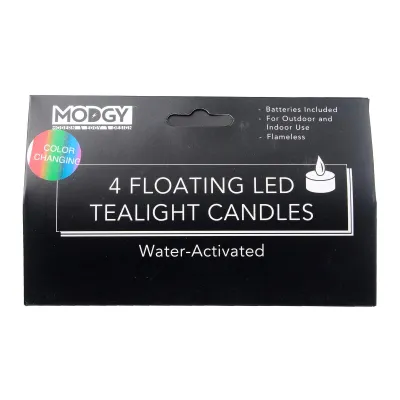
Prices are valid at publication and may change. Please refer to the product page for the latest price.
In modern and minimalist homes, the goal is often to maintain an uncluttered, serene environment. Here, tea light holders should feature simple geometric shapes, such as perfect cylinders or low-profile cubes, with smooth surfaces that do not distract the eye. The color palette typically consists of whites, grays, blacks, or muted earth tones. In these settings, candle holders usually perform best when they blend into the background, acting as subtle extensions of the furniture they sit upon.
Conversely, if your home leans toward a rustic or industrial aesthetic, your decor can handle more rugged, textured elements. Industrial spaces—often characterized by exposed brick, concrete floors, and metal fixtures—benefit from candle holders made of raw iron, distressed copper, or heavy concrete. Rustic interiors, which celebrate natural imperfections, pair beautifully with weathered wood, rough-hewn stone, or textured clay. In these environments, the candle holder can easily serve as a tactile accent piece that draws the eye.
For bohemian and coastal styles, the focus shifts toward warmth, relaxation, and natural light. Bohemian decor thrives on eclectic mixes, meaning you can combine mismatched holders made of colored glass, woven rattan, and brass. Coastal interiors, inspired by seaside living, rely on light-toned woods, clear glass, and sandy textures to evoke a breezy, sunlit atmosphere. In both styles, the candle holders should enhance the feeling of warmth and comfort, reflecting light in soft, scattered patterns.
Finally, decide whether you want your tea light holders to blend harmoniously with your current setup or stand out as contrasting accents. If your room is predominantly neutral and monochromatic, introducing a bold, metallic brass or deep matte black holder can create a sophisticated focal point. If your space is already rich with color and texture, opting for clear glass or neutral ceramic holders prevents visual clutter and allows the natural flame of the tea light candles to take center stage.
Match Candle Holder Materials and Finishes to Your Decor
The material of your candle holder dictates how it interacts with both the candle’s flame and the surrounding room. Different materials absorb, reflect, or diffuse light in distinct ways, making material selection a crucial step in achieving your desired ambiance.

Glass and crystal are classic choices that offer unmatched versatility. Clear glass holders maximize light output, allowing the entire flame to be visible and casting a bright, clean glow across nearby surfaces. This makes them exceptionally well-suited for modern, coastal, or elegant dining spaces where brightness is desired. Colored or frosted glass, on the other hand, diffuses the light, softening the flame’s intensity and casting a warm, tinted hue that is perfect for creating a cozy, intimate mood in bedrooms or bathrooms.
Metals introduce structural contrast and a touch of sophistication to contemporary, industrial, or mid-century modern spaces. Matte black metal holders provide sharp, graphic silhouettes that stand out against light-colored walls or wooden tables. Warm metals like brass, gold, and brushed copper reflect the candlelight, amplifying the warm yellow tones of the flame and adding a luxurious, inviting glow. When selecting metal holders, consider the existing hardware in your room—such as cabinet handles, light fixtures, or window frames—to ensure a cohesive look.
Natural materials like wood, bamboo, and rattan are ideal for rustic, bohemian, or Japandi (Japanese-Scandinavian fusion) interiors. These materials introduce organic textures and a sense of craftsmanship into the home. A carved wooden holder or a woven rattan lantern softens the hard edges of modern furniture, making a room feel more lived-in and grounded. Because these materials are combustible, they often feature glass inserts to isolate the flame, combining natural beauty with essential safety.
Ceramics, stone, and concrete offer a tactile, matte finish that aligns perfectly with minimalist, Scandinavian, or wabi-sabi aesthetics. Unglazed ceramic and terracotta holders have a rustic, earthy appeal, while polished marble or soapstone holders bring a cool, refined elegance to a space. Concrete holders, with their raw and slightly porous surfaces, add an understated architectural element. These materials are naturally heat-resistant and provide a solid, heavy base that feels secure and permanent on any surface.
Consider Size, Shape, and Grouping for Visual Impact
Once you have selected the style and material, the next step is arranging your tea light holders to create a balanced visual composition. Because tea light candles are relatively small, a single holder can easily get lost on a large surface, while too many scattered randomly can look disorganized.
For large surfaces like dining tables, fireplace mantels, or spacious coffee tables, clustering multiple holders is highly effective. Grouping holders in odd numbers—such as three or five—is a classic design technique that feels naturally balanced to the human eye. You can create a cohesive cluster by choosing holders of the same material but in slightly different heights or shapes. This creates a dynamic arrangement where the eye moves naturally from one piece to the next, rather than scanning a flat, uniform line.
Varying the heights of your candle holders is essential for preventing a monotonous look. If you are using identical low-profile tea light holders, you can elevate some of them by placing them on top of stacked books, decorative trays, or wooden blocks. Alternatively, look for tea light holders designed with built-in pedestals or tall metal frames. This vertical variation adds depth to your display, ensuring that the flickering flames sit at different levels, which enhances the overall atmospheric effect.
Proportion and scale are equally important when placing candle holders on specific furniture pieces. On narrow shelves, window sills, or compact bathroom vanities, a single, beautifully crafted statement holder or a pair of small, minimalist glass cups works best. These smaller arrangements provide a touch of warmth without crowding the limited surface area. On the other hand, a large dining table can accommodate a long, linear holder that houses multiple tea lights in a row, serving as an elegant centerpiece that does not obstruct cross-table conversation.
Essential Safety and Practical Checks Before You Buy
While aesthetics are important, safety and practicality must always come first when dealing with open flames. Before purchasing any tea light candle holder, performing a few quick checks will ensure your new decor is both functional and safe for daily use.
First, verify the physical dimensions of the holder’s cup. Standard tea light candles typically have a diameter of approximately 38 millimeters (about 1.5 inches) and a height of 16 millimeters. Ensure the inner cavity of the holder is slightly larger than these dimensions so the candle sits flat and secure. If the holder is too narrow, the tea light will sit tilted, causing uneven burning and potential wax spills. If it is too deep, reaching down to light or extinguish the candle can be difficult and may present a burn hazard.
Next, examine the material’s heat resistance and construction. The metal cup of a burning tea light candle can reach high temperatures, which is transferred directly to the holder. Ensure the holder is made of a certified heat-resistant material like tempered glass, ceramic, stone, or treated metal. Be particularly cautious with holders made of wood, plastic, or those with painted interior surfaces. Check the manufacturer’s labels to confirm the item is rated for open-flame use, and look for designs that include a protective metal or glass liner to isolate the heat from combustible outer materials.
Stability is another critical safety factor, especially in active households with pets or young children. Choose holders with a wide, heavy base and a low center of gravity to minimize the risk of accidental tipping. Lightweight or top-heavy designs can easily be knocked over by a passing draft, a pet’s tail, or a bumped table. If you plan to place holders on outdoor patios or balconies, opt for heavier stone or concrete designs, or choose glass hurricane-style holders that shield the flame from wind while keeping the unit stable.
Finally, consider the long-term maintenance and cleaning requirements of the material. Wax spills are inevitable when using real tea light candles. Non-porous materials like glass, glazed ceramic, and polished metal are incredibly easy to clean, as hardened wax can be popped off or washed away with warm water. In contrast, porous materials like unglazed terracotta, rough concrete, or natural wood can absorb melted wax, leaving permanent stains that are difficult to remove. If you prefer low-maintenance decor, stick to non-porous surfaces that can be wiped clean in seconds.
Quick Reference Guide for Decor Matching
To help you make an efficient and confident decision, use this quick reference guide to align your home’s interior style with the most compatible candle holder characteristics.
| Decor Style | Recommended Materials | Ideal Finishes | Grouping Strategy |
|---|---|---|---|
| Minimalist / Scandinavian | Ceramic, concrete, stone | Matte white, soft gray, unglazed | Single low-profile pieces or neat pairs |
| Industrial | Iron, brass, concrete | Matte black, distressed copper, raw | Linear arrangements or heavy single blocks |
| Rustic / Japandi | Wood, clay, bamboo | Natural grain, terracotta, textured | Small clusters of varying heights on trays |
| Bohemian | Colored glass, brass, rattan | Amber, tinted, polished metallic | Eclectic, mismatched groups of odd numbers |
| Coastal / Modern | Clear glass, crystal, marble | Polished, transparent, high-gloss | Symmetrical pairs or clean, spaced-out rows |
Frequently Asked Questions (FAQ)
Can I use LED tea lights in any candle holder style?
Yes, LED tea lights are highly compatible with almost all candle holder styles and offer several distinct advantages over traditional wax candles. Because LED lights do not produce open flames or significant heat, they eliminate the risk of fire and heat damage. This makes them exceptionally safe to use in holders made of delicate, combustible, or heat-sensitive materials—such as untreated wood, paper, plastic, or delicate woven fibers—that might otherwise be unsafe for real wax candles.
However, there are a few aesthetic differences to keep in mind. Traditional wax candles cast a natural, warm, and dynamic flicker that interacts beautifully with clear glass and crystal, creating sharp, dancing reflections. LED tea lights often use a pre-programmed electronic flicker, which can sometimes look mechanical or overly yellow depending on the quality of the bulb. To get the best visual result, use LED tea lights inside frosted glass, colored glass, or opaque ceramic holders, which diffuse the artificial light and create a soft, natural-looking glow.
How do I remove stuck wax from a decorative candle holder?
Removing spilled or stuck wax requires different methods depending on the material of your candle holder. For non-porous materials like glass, metal, and glazed ceramics, the freezing method is highly effective. Place the holder in your freezer for about an hour; the cold temperature will cause the wax to contract and shrink. Once frozen, gently press on the edge of the wax with your finger or a plastic tool, and it should pop out easily in one solid piece.
For heat-resistant ceramic or stone holders, you can use warm water or a hairdryer to soften the wax. Run warm (not boiling) water over the wax, or blow warm air from a hairdryer onto the residue until it reaches a soft, pliable consistency, then wipe it away with a paper towel. Always check the manufacturer’s guidelines first, as sudden temperature changes can crack delicate glass or crystal. Never use sharp metal knives or abrasive scrubbing pads on painted, gilded, or porous surfaces, as this can permanently scratch or strip away the decorative finish.
Community discussion
Share your experience or ask a question. Comments are reviewed before publication.