
Selecting the right tea light candle holder is an excellent way to elevate your home’s atmosphere. While a single tea light candle provides a soft, flickering glow, the vessel holding it determines how that light scatters, how the object integrates with your furniture, and whether the setup remains safe during use. Matching these small decor pieces to your interior style requires looking closely at materials, shapes, finishes, and physical proportions. By taking a systematic approach, you can find holders that feel like natural extensions of your living space rather than random additions.
Define Your Space: Matching Holders to Interior Styles
To choose the right holder, start by analyzing the dominant design elements already present in your room. Your existing furniture lines, color palettes, and decorative accents provide clear signals about your style category. For instance, spaces with clean lines, neutral tones, and functional layouts usually lean toward modern minimalist or Scandinavian aesthetics. Conversely, rooms featuring rich textures, warm wood grains, and historical details align more with rustic, farmhouse, or traditional styles.
Visual weight plays a critical role in how a candle holder fits into a room. Visual weight refers to how much attention an object attracts based on its size, color, and material density. A heavy, dark cast-iron holder has high visual weight and can easily dominate a delicate glass side table. On the other hand, a clear glass holder has low visual weight, allowing it to blend seamlessly into a light-filled, airy room. In compact urban apartments, such as those common in Singapore, choosing decor with the right visual weight is especially important to keep spaces feeling open and uncluttered.
Products mentioned in this guide
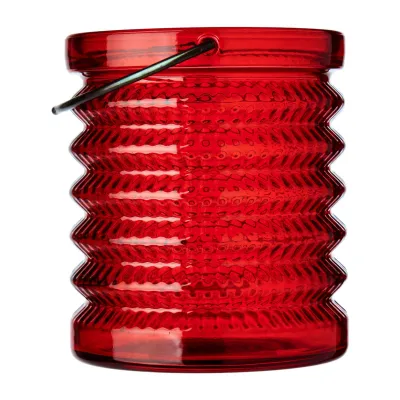
Prices are valid at publication and may change. Please refer to the product page for the latest price.
You can use your room’s existing materials to guide your choice. Look at the hardware on your cabinets, the legs of your chairs, and the textiles on your sofa. If your room features brushed brass fixtures and light oak wood, choosing candle holders with similar metallic finishes or light timber accents creates a cohesive look. If your space is filled with matte black metal and concrete textures, industrial or minimalist holders will complement those elements.
Color palettes also dictate how well a candle holder integrates into your room. If your space features cool tones like blues, greys, and crisp whites, choosing holders in silver, pewter, or clear glass maintains that serene, cool atmosphere. For rooms dominated by warm tones like terracotta, beige, and olive green, warm metals like copper or brass, as well as earthy terracotta holders, will enhance the cozy feeling. Paying attention to these subtle color relationships prevents your candle holders from looking out of place.
Alternatively, you can use candle holders as deliberate contrast pieces. In a highly structured, neutral-toned room, a single colorful ceramic holder or a textured stone piece can serve as a subtle focal point. The key is to make this contrast look intentional rather than accidental. You can achieve this by matching the accent color of the holder to another small element in the room, such as a throw pillow or a piece of wall art.
Essential Selection Criteria Beyond Aesthetics
Before focusing entirely on style, you must evaluate the functional and safety aspects of any tea light candle holder. A beautiful holder is of little use if it cracks under heat, damages your tabletop, or does not fit standard candles. Understanding how different materials behave under heat and how to verify physical dimensions will save you from common purchasing mistakes.

Material and finish choices directly affect both light distribution and maintenance. Glass holders, whether clear, frosted, or colored, allow light to pass through, casting beautiful patterns on nearby surfaces. However, glass easily shows fingerprints and soot buildup, requiring regular washing with warm, soapy water. Metal holders, such as brass, copper, or iron, block direct light but create a warm, reflective glow from within. These materials are highly durable, but in humid tropical climates like Singapore’s, certain metal finishes can be prone to faster oxidation, so choosing corrosion-resistant metals or treated finishes is a practical consideration.
Ceramic and stone holders offer excellent heat resistance and a tactile, organic feel. Because these materials are opaque, they direct the light upward, creating a more focused, intimate glow. However, unglazed ceramics and porous stones can absorb wax spills, making cleanup more difficult. Wood holders bring natural warmth to a space but require careful inspection to ensure they feature a non-combustible protective barrier, as wood itself must never come into direct contact with an open flame.
Size and proportion are critical for both safety and visual balance. Standard tea light candles typically measure approximately 38 mm in diameter and 16 mm in height, though deeper versions exist. Before purchasing a holder, measure the inner diameter of the candle well. If the well is too tight, the candle may get jammed, making it difficult to remove once burned down. If the well is too deep or narrow, oxygen flow to the flame may be restricted, causing the candle to burn efficiently or produce excess soot.
The weight and stability of the holder are equally important, especially in high-traffic areas of the home. Lightweight plastic or thin metal holders can easily be knocked over by a sudden draft or an accidental bump of the table. Heavier materials like solid marble, thick glass, or cast iron provide a lower center of gravity, making them far more stable and safer to use around busy household areas. When shopping, feel the weight of the holder in your hand to ensure it has enough heft to remain securely in place.
Safety and heat management must always be your top priority. When a tea light candle burns, the metal cup holding the wax can reach high temperatures. Ensure the holder is made of certified heat-resistant materials and features a stable, flat base to prevent tipping. Look for holders that include non-slip or heat-insulating pads on the bottom, such as felt or silicone feet. These pads protect delicate surfaces like polished wood, lacquer, or glass from heat damage and scratches.
Style-Specific Shortlist: What to Look For
Translating abstract design styles into concrete shopping decisions becomes much easier when you know exactly which materials, shapes, and finishes to target. By focusing on specific design families, you can quickly filter out options that do not align with your home’s aesthetic.
Modern and Scandinavian Minimalism
Minimalist and Scandinavian spaces thrive on simplicity, functionality, and light. In these interiors, candle holders should enhance the natural light without adding visual clutter. Look for clean geometric shapes, such as cylinders, spheres, or low-profile discs, which maintain a sense of order and calm.
Clear, frosted, or ribbed glass holders are excellent choices for minimalist rooms. They allow the flame to remain fully visible, maximizing the light output and creating a clean, airy feel. Matte white or grey ceramics also work beautifully, offering a soft, tactile texture that complements the cozy, functional nature of Scandinavian design. If you prefer metal, opt for sleek, non-reflective finishes like brushed brass, satin nickel, or matte black.
Avoid holders with intricate carvings, dangling crystals, or overly ornate patterns. These details trap dust and clash with the clean lines of minimalist furniture. Instead, focus on pieces that rely on the quality of the material and the simplicity of the form to make a statement. A simple, well-crafted concrete or solid marble holder can provide just enough texture to feel interesting without disrupting the room’s minimalist harmony.
When styling minimalist spaces, the arrangement of your candle holders should also remain simple. Instead of scattering multiple individual holders across a room, try grouping two or three identical or highly similar holders together on a single tray. This creates a clean, intentional focal point without cluttering your surfaces. Using odd numbers, such as a group of three, often feels more balanced and visually appealing than even numbers, while maintaining the clean lines of the overall design.
Rustic, Farmhouse, and Traditional Warmth
For homes that embrace cozy textures, natural materials, and historical charm, your candle holders should reflect that same sense of warmth and character. These styles welcome richer textures, deeper colors, and more complex structural forms.
Look for holders made from natural or distressed materials. Wrought iron, hammered copper, and antique brass bring a sense of history and craftsmanship to rustic spaces. Textured stone, terracotta, and reclaimed wood holders also fit naturally into these environments. These materials often feature unique imperfections, such as color variations or hammered marks, which add to their rustic appeal.
Traditional and farmhouse styles also allow for more decorative structures. Lantern-style enclosures with glass panes and metal frames are classic choices that protect the flame while adding architectural interest. You can also look for holders with embossed patterns, floral motifs, or scalloped edges. These details catch the light and cast intricate shadows, enhancing the cozy, nostalgic atmosphere of the room.
When choosing natural or porous materials like wood or stone, always verify their structural integrity. Ensure that wooden holders feature a secure metal or glass cup insert to isolate the heat and flame from the timber. For stone or terracotta pieces, check that the base is smooth or fitted with protective pads to prevent the rough texture from scratching your wooden tables or mantelpieces.
Rustic and traditional candle holders also offer excellent versatility for seasonal styling. A wrought-iron lantern or a hammered copper holder can easily transition from a cozy everyday accent to a festive centerpiece. You can pair these textured holders with natural elements like pinecones, dried eucalyptus, or woven placemats to create a warm, inviting table setting. Because these materials have a timeless quality, they remain stylish throughout the year, adapting easily to different seasonal decor themes.
Final Pre-Purchase Checklist for Safety and Fit
To ensure your chosen tea light candle holders are both beautiful and practical, use this final checklist before making a purchase. Verifying these details beforehand will help you avoid returns and ensure a safe, enjoyable experience in your home.
First, perform a dimension verification. Measure your preferred brand of tea light candles and compare them to the manufacturer’s specifications for the holder. Ensure there is a small amount of clearance around the sides of the candle cup so you can easily insert and remove it. If you prefer using LED tea lights, check that the holder’s depth and opening can accommodate the plastic flame tip and the battery compartment.
Second, assess the surface protection requirements of your placement area. If you plan to place the holder on a delicate surface, such as a polished mahogany dining table, a lacquered sideboard, or a glass coffee table, check the bottom of the holder. If the base is bare metal, rough ceramic, or stone, plan to use a small, heat-resistant coaster or felt pad underneath to prevent scratches and heat transfer.
Third, review the maintenance requirements of the material. Consider how easy it will be to clean soot and wax residue from the holder. Smooth glass and glazed ceramic holders are generally the easiest to clean, while intricate metal filigree or unglazed stone may require more delicate care. Choose materials that match the amount of maintenance effort you are willing to invest.
Finally, refer to this style-to-material matrix to quickly verify if your chosen holder matches your interior design goals:
| Interior Style | Recommended Materials | Recommended Finishes | Finishes to Avoid |
|---|---|---|---|
| Modern Minimalist | Clear glass, concrete, matte ceramic | Matte black, brushed brass, satin | High-shine chrome, ornate gold |
| Scandinavian | Frosted glass, light oak, white ceramic | Matte, natural wood grain, satin | Heavy wrought iron, dark gloss |
| Rustic / Farmhouse | Wrought iron, hammered copper, stone | Distressed, antique, textured | High-gloss lacquer, neon colors |
| Traditional | Brass, cut glass, polished marble | Polished brass, etched, glossy | Raw concrete, unfinished plywood |
Frequently Asked Questions (FAQ)
Can I use a wooden tea light candle holder safely?
Yes, you can use wooden tea light candle holders safely, but only if they are specifically designed with a non-combustible protective barrier. Never place a tea light candle directly into a bare wooden recess, as the heat from the metal cup can scorch the wood, and an exposed flame poses a direct fire hazard. Look for wooden holders that feature a secure metal or heat-resistant glass insert that completely isolates the candle from the timber. Always check the manufacturer’s safety instructions, place the holder on a stable, flat surface, and never leave a burning candle unattended.
How do I remove stuck wax from a glass or metal holder?
Removing stuck wax from glass or metal holders is simple if you use temperature-based methods instead of sharp tools. To use the freezing method, place the holder in the freezer for about an hour; the cold temperature causes the wax to shrink and harden, allowing you to easily pop it out with gentle finger pressure. Alternatively, you can use the warm water bath method by placing the holder in a shallow bowl of warm (not boiling) water to gently soften the bottom layer of wax until it slides out. Avoid using metal knives, keys, or abrasive scrubbers, as these can easily scratch glass or strip protective coatings from metal finishes.
Community discussion
Share your experience or ask a question. Comments are reviewed before publication.