
Selecting the perfect glass wall light for your corridor in Singapore requires balancing spatial limitations, visual comfort, and long-term durability. Corridors are transitional areas that guide movement through a home, yet they are frequently overlooked during the interior design process. A well-chosen wall fixture not only provides essential illumination for safe navigation but also serves as a sophisticated design element that enhances the architectural flow of your living space.
To find the best glass wall light brands, you must evaluate fixtures based on depth profile, local safety compliance, and material resilience against Singapore’s unique environmental conditions. The ideal brand depends on whether you seek high-end designer craftsmanship, practical local support with standard bulb bases, or smart home automation compatibility. By understanding these key factors, you can make an informed decision that elevates both the safety and aesthetic appeal of your home’s hallways.
Assessing Your Corridor Space and Lighting Needs
Singapore’s residential landscape is characterized by diverse housing types, including Housing & Development Board (HDB) flats, private condominiums, and landed properties. In many of these layouts, particularly HDB flats and modern condominiums, corridors and hallways are designed to maximize usable living space elsewhere. Consequently, these transitional zones are often narrow, with widths typically ranging from 90 to 120 centimeters.
Products mentioned in this guide
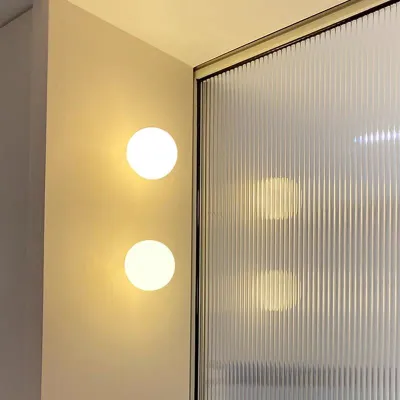
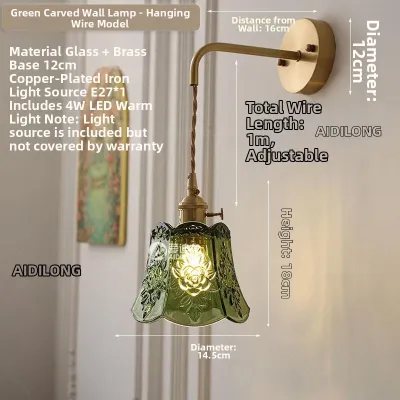
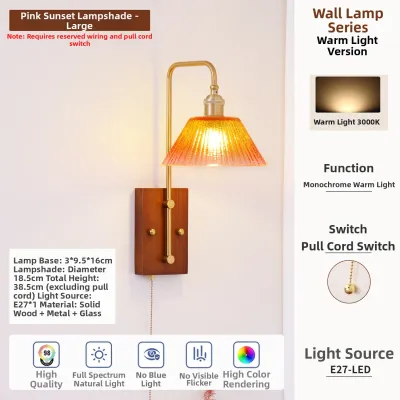
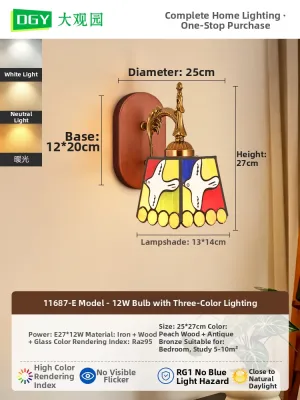
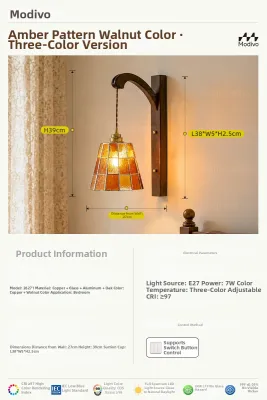

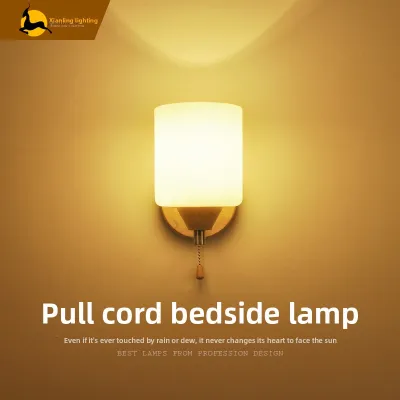
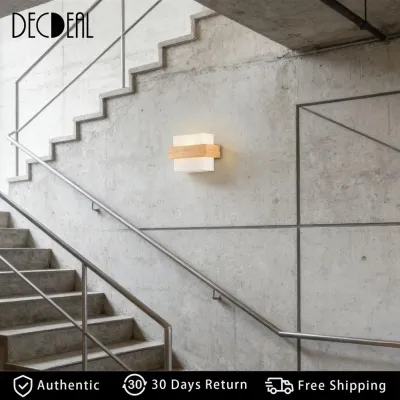
Prices are valid at publication and may change. Please refer to the product page for the latest price.
In such confined environments, spatial constraints are a primary consideration. A bulky, heavily protruding wall fixture can easily become a physical hazard. It can obstruct the walkway, catch on clothing, or be accidentally bumped by family members carrying items or moving furniture. To maintain a clear, unobstructed path, you must prioritize low-profile, flush-mount, or shallow-projection glass wall lights that extend minimally from the wall surface.
Beyond physical clearance, your corridor’s lighting goals must focus on creating a welcoming, glare-free environment. Because hallways lack the expansive volume of living rooms or kitchens, harsh, direct light sources can create intense glare and deep, unsettling shadows. This visual discomfort can make the space feel even more cramped than it is. The objective is to achieve soft, ambient illumination that evenly distributes light across the walls and floor, ensuring safe passage at all hours.
Environmental factors also play a critical role in fixture longevity within Singapore homes. The tropical climate is characterized by high relative humidity, often exceeding 80 percent. Many households frequently cycle between natural ventilation and air-conditioning. This rapid transition in temperature and humidity can lead to condensation forming on and inside light fixtures. Over time, moisture accumulation can degrade low-quality metal backplates, corrode internal wiring, and cause unsightly spotting on the glass. Therefore, selecting brands that utilize premium, moisture-resistant materials is essential.
Why Glass Fixtures Excel in Hallway Environments
Glass is an exceptional material choice for corridor lighting, offering a unique combination of functional performance and timeless aesthetic appeal. Unlike synthetic alternatives, glass does not degrade or lose its structural integrity when exposed to the heat generated by light sources or the ambient environmental conditions of a tropical home.

The primary functional advantage of glass is its superior ability to diffuse light. Depending on the finish, glass can manipulate light rays in various ways to suit your corridor’s specific needs:
- Frosted and Opal Glass: These finishes act as highly effective diffusers. They scatter light in all directions, completely obscuring the intense pinpoint glare of the underlying bulb or LED element. This results in a soft, uniform glow that gently washes the corridor walls, making the space feel visually larger and more open.
- Ribbed and Fluted Glass: Textured glass patterns redirect light along specific linear paths. This creates elegant, decorative refraction patterns on the surrounding walls, adding architectural interest and depth to an otherwise plain hallway without sacrificing light output.
- Clear Glass: While clear glass offers maximum light transmission, it is best paired with low-wattage decorative filament bulbs (such as Edison-style bulbs) to prevent harsh glare. This combination is highly effective for creating a warm, vintage-inspired ambiance.
In terms of durability and maintenance, glass outperforms many alternative materials like acrylic or fabric. Synthetic shades are highly susceptible to yellowing and becoming brittle over time due to UV exposure and heat. Fabric shades easily trap airborne dust, cooking grease, and moisture, making them difficult to clean and prone to staining. Glass, conversely, maintains its optical clarity indefinitely. It is non-porous and highly resistant to staining. Cleaning is simple and low-risk, requiring only a quick wipe with a dry or damp microfiber cloth to remove accumulated dust and restore its original luster.
From an aesthetic standpoint, glass wall lights offer unparalleled versatility. They can be styled to complement almost any interior design theme popular in Singapore. For instance, minimalist clear glass globes with clean metal hardware fit perfectly into modern contemporary or industrial spaces. Soft, spherical opal glass sconces complement the clean lines and natural textures of Scandinavian and Japandi aesthetics. Meanwhile, fluted or geometric glass fixtures with brass accents introduce a touch of classic sophistication suitable for mid-century modern or transitional interiors.
How to Evaluate Brand Reliability and Product Quality
When searching for the best glass wall light brands, it is crucial to look beyond surface-level aesthetics. Evaluating brand reliability and product quality through a structured, evidence-based framework ensures that your chosen fixtures are safe, durable, and easy to maintain over their operational lifespan.
Electrical Safety and Compliance
Electrical safety must be your top priority when selecting lighting fixtures connected to fixed wiring. In Singapore, the electrical supply operates at a nominal voltage of 230V AC at a frequency of 50Hz. All electrical appliances and fixtures must be designed to operate safely under these parameters. When evaluating brands, check for recognized international safety certifications such as CE, CB, or UL. More importantly, ensure that any integrated LED drivers or electronic ballasts carry the Singapore Safety Mark, which indicates compliance with local safety standards managed by Enterprise Singapore. Using non-certified fixtures can pose serious electrical shock or fire hazards.
Build Quality and Hardware Construction
The physical construction of the fixture determines its structural stability and resistance to environmental wear. Inspect the materials used for the backing plate, mounting bracket, and glass-securing mechanisms. Reliable brands utilize robust metals such as solid brass, anodized aluminum, or powder-coated stainless steel. These metals are highly resistant to corrosion and will not rust when exposed to Singapore’s humid air. Avoid brands that rely heavily on thin, untreated sheet iron or cheap plastic mounting components, as these can degrade rapidly. Additionally, ensure the mechanism holding the glass shade—whether it is a threaded collar, heavy-duty clips, or set screws—is engineered to hold the weight of the glass securely, preventing any risk of the shade loosening due to vibrations from nearby doors closing.
Warranty and Local Support
Choosing brands with established local showrooms, authorized distributors, or dedicated service centers in Singapore provides significant peace of mind. While purchasing unbranded or overseas fixtures from online marketplaces may seem cost-effective initially, it often leaves you without support if issues arise. A brand with a strong local presence offers reliable warranty coverage, typically ranging from one to three years. If a glass shade arrives cracked, a driver fails prematurely, or you require specific mounting hardware, a local distributor can provide immediate assistance and replacement parts, saving you the hassle of coordinating complex international returns.
Bulb Compatibility and Maintenance
Before committing to a brand, verify the light source interface used in their glass wall lights. Brands generally offer two main configurations, each with distinct long-term maintenance implications:
- Standard Bulb Bases (E27, E14, G9): Fixtures designed with standard screw-in or pin bases offer maximum flexibility. You can easily select your preferred bulb brand, wattage, color temperature, and dimming capability. If a bulb burns out, replacement is simple, inexpensive, and can be completed in seconds without replacing any part of the fixture itself.
- Integrated LED Modules: These fixtures feature built-in LED chips and dedicated drivers. While integrated LEDs allow manufacturers to create incredibly slim, low-profile designs that are ideal for narrow corridors, they present a maintenance challenge. If the LED module or the internal driver fails after the warranty period, you cannot simply swap out a bulb; you will likely need to replace the entire fixture or hire a professional to service the internal electronics. If you choose a brand offering integrated LEDs, verifying their driver quality and local warranty support becomes even more critical.
Types of Lighting Brands Available in Singapore
To help you navigate the local market, lighting brands can be broadly categorized into three distinct segments. Each segment caters to different design preferences, budget considerations, and functional requirements.
| Brand Category | Design & Material Focus | Best Suited For | Local Support & Warranty Expectation |
|---|---|---|---|
| International Designer Brands | High-end aesthetics, iconic hand-blown glass, premium metal finishes. | Luxury condominiums, landed properties, and high-visibility focal walls. | Excellent support through authorized local design showrooms; extended manufacturer warranties. |
| Established Local Specialists | Practical, low-profile designs, standard bulb bases, and durable hardware. | HDB flats, standard apartments, and budget-conscious renovations. | Highly accessible local showrooms; direct warranty claims and readily available spare parts. |
| Smart & Tech-Integrated Brands | Seamless smart ecosystem integration, automated dimming, and motion sensing. | Modern smart homes, tech-focused households, and automated pathway lighting. | Robust technical support, regular software updates, and standard retail warranty channels. |
International Designer Lighting Brands
For homeowners seeking to make a distinct architectural statement, international designer brands offer unparalleled craftsmanship and iconic designs. These premium brands often collaborate with renowned global designers to create glass wall lights that serve as functional works of art. They typically feature exquisite hand-blown glass, borosilicate glass elements, and highly refined metal finishes.
While these fixtures come at a premium price point, their build quality and visual impact are exceptional. They are best suited for luxury condominiums or landed properties where the corridor is designed as a gallery space or a high-visibility transitional zone. In Singapore, these brands are represented by authorized premium lighting showrooms, ensuring professional guidance and reliable after-sales service.
Established Local Lighting Specialists
Established local lighting specialists and curated boutique brands offer a highly practical and balanced approach for the majority of Singaporean homeowners. These brands understand the specific structural and spatial constraints of local housing, such as standard HDB wall depths, concrete wall drilling limitations, and the preference for low-profile fixtures.
Their product ranges often focus on clean, contemporary designs utilizing durable frosted or ribbed glass paired with robust, moisture-resistant metal backplates. These brands typically utilize standard E27 or E14 bulb bases, offering excellent cost-effectiveness and ease of maintenance. With physical showrooms located across Singapore, they provide an accessible way to inspect the build quality in person, consult with lighting experts, and secure immediate local warranty support.
Smart Home and Tech-Integrated Brands
As smart home automation continues to grow in popularity across Singapore, smart and tech-integrated lighting brands have become a highly sought-after option for corridor lighting. These brands focus on fixtures that either feature built-in smart LED drivers or are designed to accommodate smart bulbs seamlessly.
Smart glass wall lights allow you to automate your corridor lighting based on schedules, time of day, or motion detection. For instance, you can program the lights to turn on at a dim, warm setting during the night to guide family members safely to the bathroom without waking others. When selecting these brands, it is vital to verify compatibility with your existing smart home ecosystem (such as Apple Home, Google Home, or Samsung SmartThings) and ensure stable wireless connectivity (via Wi-Fi or Zigbee protocols) within your corridor space.
Pre-Purchase Measurements and Installation Safety
Before purchasing your chosen glass wall light, taking precise physical measurements and understanding the boundaries of safe electrical installation will prevent costly mistakes and ensure a secure setup.
Dimensional Checks and Clearance
To ensure the glass wall light does not obstruct your corridor, perform the following dimensional checks:
- Walkway Clearance: Measure the total width of your corridor. Subtract the depth (protrusion) of the light fixture from this measurement. Ensure the remaining walkway width complies with local comfort standards—ideally leaving at least 80 to 90 centimeters of clear, unobstructed space.
- Mounting Height: The industry standard mounting height for wall sconces is approximately 1.5 to 1.7 meters above the finished floor level. This height positions the light source near eye level, so it is crucial to choose a fixture with a well-diffused glass shade (such as frosted or opal glass) to prevent direct glare.
- Door Swing Interference: Check the swing path of nearby doors, including bedroom, bathroom, or closet doors. Ensure that when these doors are fully opened, they do not strike or come into close contact with the glass fixture, which could lead to accidental breakage.
Electrical Verification
Ensure your installation point is fully compatible with the fixture’s electrical requirements. Confirm that the existing wall wiring provides a stable 230V/50Hz connection. If the glass wall light features a metal chassis or exposed metal components, it is classified as a Class I electrical fixture and must be connected to an earth (ground) wire for safety. Verify the presence of an earth wire at your wall outlet point before purchasing. If your home lacks an earth wire at that specific location, you must either select a Class II double-insulated fixture (which does not require grounding) or consult a professional to upgrade your wiring.
Professional Installation Boundary
Installing fixed electrical wiring and wall-mounted fixtures involves significant safety hazards, including risk of severe electrical shock, short circuits, or electrical fires.
Before commencing any installation work, always isolate the power supply by switching off the corresponding miniature circuit breaker (MCB) at your home’s main distribution board (DB box). Verify that the power is indeed off using a reliable, non-contact voltage tester at the installation site.
While basic replacement of an existing fixture on a pre-wired wall point can sometimes be performed by experienced individuals adhering strictly to the manufacturer’s instructions, you must stop and hire a licensed electrician certified by the Energy Market Authority (EMA) of Singapore in the following scenarios:
- Running new electrical conduits or wiring to a location that currently lacks a wall light outlet.
- Modifying structural concrete walls or drilling into reinforced columns (such as HDB household shelters/bomb shelters, where drilling is strictly regulated or prohibited).
- Installing heavy glass fixtures on false ceilings or lightweight drywall partitions that require specialized structural support anchors.
- Dealing with complex wiring configurations, dimming switches, or smart home relay modules.
A licensed professional ensures that the installation complies fully with the Singapore Standard SS 638 (Code of Practice for Electrical Installations), guaranteeing the long-term safety of your home and family.
Frequently Asked Questions (FAQ)
Can I install a standard glass wall light in an outdoor or semi-outdoor corridor?
No, you should not install a standard indoor glass wall light in an outdoor or semi-outdoor corridor. Indoor fixtures lack the necessary protection against environmental elements. For semi-outdoor areas—such as HDB lift lobbies, open-air common corridors, or landed home walkways exposed to wind and rain—you must select fixtures with an appropriate Ingress Protection (IP) rating. An IP44 rating is typically the minimum requirement for semi-outdoor areas, as it ensures the fixture is protected against splashing water from all directions and the entry of small solid objects. For fully exposed outdoor walls, an IP65 or higher rating is recommended to prevent water ingress and electrical short circuits. Always check the manufacturer’s specifications to verify the fixture’s suitability for damp or outdoor environments before installation.
How do I clean textured or ribbed glass wall lights safely?
To clean textured, ribbed, or fluted glass wall lights safely without damaging the fixture or risking electrical hazards, follow these structured steps:
- Isolate the Power: Switch off the light switch. For maximum safety, isolate the power at the main DB box.
- Allow to Cool: Wait at least 15 to 20 minutes for the glass shade and the bulb to cool down completely to prevent thermal shock, which can crack the glass.
- Dry Dusting: Use a clean, dry microfiber cloth or a soft-bristled brush to gently remove loose dust and cobwebs from the textured grooves.
- Damp Cleaning: If the glass has stubborn dirt or smudges, slightly dampen a microfiber cloth with a mild mixture of warm water and a drop of dishwashing liquid. Gently wipe the glass surface. Avoid using harsh chemical solvents, abrasive scrubbing pads, or glass cleaners containing ammonia, as these can strip away decorative frosted finishes or corrode adjacent metal hardware.
- Dry Thoroughly: Wipe the fixture dry with a clean cloth and ensure all components are completely dry before restoring power.
Community discussion
Share your experience or ask a question. Comments are reviewed before publication.