
Choosing the best LED light strip brands for icicle lights in Singapore requires a careful balance of aesthetic design, electrical safety, and environmental durability. While standard linear LED strips are popular for under-cabinet or cove lighting, icicle lights introduce a distinct hanging structure that demands specific engineering to withstand Singapore’s unique tropical climate. To find a reliable brand, homeowners and decorators must look beyond basic visual appeal and evaluate technical specifications such as Ingress Protection (IP) ratings, local safety certifications, and smart home ecosystem compatibility.
By focusing on brands that prioritize robust weatherproofing, certified power adapters, and stable software integration, you can ensure your decorative lighting setup remains safe and functional for years. This guide outlines the essential distinctions of icicle lights, the critical technical specifications to verify before purchasing, how to assess brand reliability in the local market, and the best practices for a safe, secure installation.
What Are Icicle Lights and How Do They Differ from Standard LED Strips?
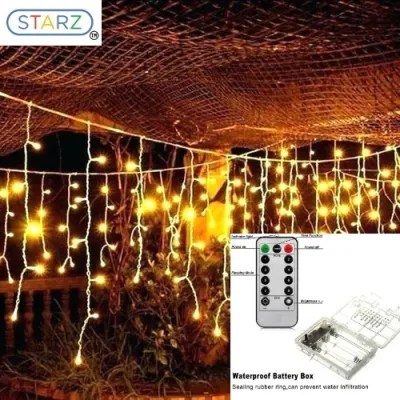
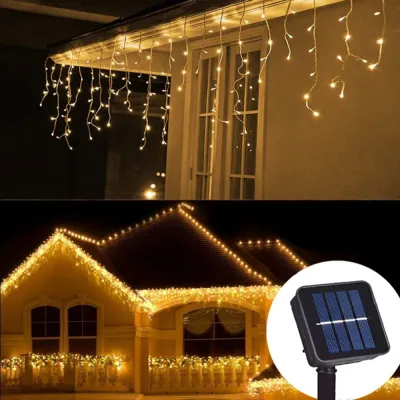
Icicle lights are a specialized category of decorative lighting designed to mimic the natural, cascading look of hanging icicles or falling water. Structurally, they consist of a primary horizontal main wire or cable from which multiple vertical, drooping segments of varying lengths hang down. These vertical drops are spaced at regular intervals and contain several LED nodes, creating a staggered, organic visual effect that differs significantly from the continuous, uniform line of light produced by standard LED strips.
Products mentioned in this guide
Prices are valid at publication and may change. Please refer to the product page for the latest price.
Standard LED strips are flat, flexible circuit boards with a continuous adhesive backing, designed to be mounted flush against flat surfaces to provide indirect, linear illumination. In contrast, icicle lights are designed to hang freely in three-dimensional space, relying on gravity to display their vertical drops. This structural difference means that icicle lights are subject to physical forces—such as wind, tension, and gravity—that flat LED strips do not experience, requiring more robust cabling and specialized mounting strategies.
While some smart lighting brands offer modular LED strip extensions that can be configured in various shapes, dedicated icicle lights are typically categorized and sold as specialized string lights or hanging curtain arrays. Understanding this distinction is crucial when shopping, as standard flexible LED strips cannot be easily modified or hung to replicate the drooping, staggered appearance of true icicle lights without risking damage to the internal circuitry.
In terms of visual effects, icicle lights are primarily used to outline architectural features, creating a soft, ambient glow or dynamic, cascading light patterns. Common applications include draping them over outdoor roof eaves, framing high-rise apartment windows, wrapping balcony railings, or styling indoor fireplace mantels and feature walls. Because they hang downward, they are highly visible from a distance, making them a popular choice for festive displays, outdoor events, and permanent patio styling.
Because of their vertical drops, planning an installation with icicle lights requires measuring both the horizontal run of the area and the vertical clearance available. Standard LED strips only require a simple linear measurement, but icicle lights demand careful spatial planning to ensure the drops do not touch the floor, obstruct walkways, or get caught in doors and windows. This vertical dimension also increases the overall weight of the lighting system, which directly impacts how the lights must be secured.
Core Specifications to Check When Evaluating Brands
When evaluating different lighting brands available in Singapore, verifying the technical specifications of their icicle lights is essential to ensure long-term performance and safety. The unique environmental conditions of Singapore—characterized by high temperatures, intense humidity, and sudden heavy downpours—make certain specifications non-negotiable for both indoor and outdoor setups.

Voltage, Power Compatibility, and SAFETY Mark
Singapore operates on a 230V AC, 50Hz electrical grid, which means any lighting system you purchase must be compatible with this standard. Many high-quality smart LED icicle lights operate on low-voltage direct current (typically 12V or 24V DC) to ensure safety during operation, especially if the lights are within reach of residents or pets. These low-voltage systems rely on an external step-down transformer or power adapter to convert the mains voltage.
It is critical to verify that the brand’s power adapter is certified for use in Singapore. Under the Consumer Protection (Safety Requirements) Registration Scheme, controlled goods such as AC adapters and power supply units must carry the SAFETY Mark issued by Enterprise Singapore. This mark ensures the product has been tested against rigorous electrical safety standards, reducing the risk of short circuits, electrical fires, or shocks. Avoid brands that only supply uncertified parallel-import adapters with non-compliant plugs.
Weather and Humidity Resistance (IP Ratings)
Singapore’s tropical climate features consistent relative humidity levels often exceeding 80%, alongside sudden, heavy monsoon rains. If you plan to install icicle lights outdoors—such as on a landed property’s eaves, an open patio, or an exposed balcony—the brand’s products must feature a high Ingress Protection (IP) rating. The IP rating consists of two digits: the first represents protection against solid objects, and the second represents protection against liquids.
For fully exposed outdoor installations, look for brands offering an IP65 rating or higher. An IP65-rated product is completely dust-tight and protected against water jets from any direction, making it capable of withstanding intense tropical downpours. For semi-outdoor areas, such as covered balconies or near open windows, an IP44 rating may be sufficient to protect against light splashes, but IP65 remains the safer choice for long-term durability. Indoor-only icicle lights typically carry an IP20 rating, meaning they have no protection against moisture and must never be exposed to damp environments.
Smart Features and Ecosystem Integration
Modern smart icicle lights offer advanced customization options that enhance their visual appeal. When comparing brands, check whether they support RGB or RGBIC technology. Standard RGB lights can change colors, but the entire strand must display the same color simultaneously. RGBIC (Independent Control) technology incorporates individual control chips along the strand, allowing different sections and vertical drops to display multiple colors at the same time, enabling sophisticated cascading, chasing, and rainfall effects.
Additionally, consider how well the brand’s smart ecosystem integrates with your existing smart home setup. Reliable brands design their companion apps to connect seamlessly with major platforms such as Apple Home, Google Home, Amazon Alexa, or the universal Matter standard. This integration allows you to include your icicle lights in automated routines, control them via voice commands, and synchronize them with other smart devices in your home.
Drop Length, Density, and Customization
To achieve the desired visual effect, you must evaluate the physical layout of the brand’s icicle lights. Look at the spacing between the vertical drops (the drop density) and the length of the drops themselves. High-quality brands typically stagger the drop lengths (for example, alternating between 30cm, 50cm, and 70cm drops) to create a more natural, dynamic appearance. A higher density of LEDs per drop results in a more vibrant and continuous light display but will also increase the overall power consumption and weight of the installation.
Assessing Brand Reliability and Local Availability
Investing in a reputable lighting brand ensures that you receive a product built with high-quality materials and backed by reliable customer support. Evaluating local availability and brand presence in Singapore is a practical step that prevents future maintenance headaches.
Warranty and After-Sales Support
Decorative lighting products, especially those exposed to outdoor elements, can occasionally experience component failures due to moisture ingress or electrical surges. A reliable brand should offer a comprehensive warranty period, typically ranging from 12 to 24 months. Before purchasing, verify the terms of the warranty and confirm how claims are processed.
Having access to local customer service or an authorized distributor in Singapore is invaluable. If a segment of your icicle lights malfunctions, a local support channel allows for quick troubleshooting, returns, or replacements. Conversely, purchasing from unbranded or unsupported overseas sellers often means that resolving a warranty claim is practically impossible or requires paying expensive international shipping fees that exceed the value of the product.
Purchasing Channels and Authenticity
To guarantee you are purchasing genuine products designed for the Singapore market, always buy through official brand websites, authorized local physical retailers, or established online marketplaces. Authorized sellers ensure that the product packaging includes the correct Type G (UK-style) three-pin plug and the necessary SAFETY Mark certifications.
Be cautious when browsing third-party listings on online marketplaces. Parallel imports or counterfeit products may look identical to genuine smart icicle lights but often lack local safety compliance, feature incorrect voltage configurations, or use lower-grade plastics that degrade rapidly under UV exposure. Always cross-reference the seller’s credentials and check for official store badges on digital platforms.
Software Longevity and App Quality
For smart icicle lights, the physical hardware is only half of the product; the companion mobile application dictates the user experience. Reputable brands invest heavily in maintaining and updating their software ecosystems. Frequent app updates ensure compatibility with the latest iOS and Android operating systems, patch security vulnerabilities, and introduce new lighting effects or integrations.
Before committing to a brand, research user feedback regarding their mobile app’s stability, ease of setup, and connection reliability. Brands with poorly optimized apps often suffer from frequent disconnects, slow response times, and difficulty pairing devices over Wi-Fi or Bluetooth, which can turn a premium lighting setup into a frustrating chore.
Installation Safety and Best Practices for Icicle Lights
Installing icicle lights safely requires a different approach than mounting standard flat LED strips. Because of their hanging design, additional weight, and potential exposure to the elements, following proper installation practices is crucial to protect your property and ensure the longevity of the lights.
Weight Management and Mounting
The vertical drops of icicle lights add significant weight and wind resistance compared to lightweight, flat LED strips. Consequently, relying solely on standard double-sided adhesive backing is highly discouraged, especially for outdoor or overhead installations. Over time, Singapore’s high humidity and intense daytime heat will degrade standard adhesives, causing the lights to sag or fall.
Instead, use manufacturer-recommended mounting accessories. For outdoor eaves and gutters, use specialized plastic gutter clips or shingle hooks that secure the main horizontal cable without pinching or damaging the wire insulation. For permanent installations on concrete or timber surfaces, use screw-in mounting clips, cable ties, or specialized outdoor mounting tracks. If installing on balcony railings, heavy-duty, UV-resistant zip ties are an excellent option to secure the main cable firmly against wind movement.
Power Supply and Controller Placement
While the icicle light strands themselves may carry an IP65 weatherproof rating, the associated power adapter (transformer) and the smart controller unit are frequently rated only for indoor use (IP20) or light splashes. Exposing these sensitive electronic components to rain or pooling water will cause immediate failure and presents a severe electrical hazard.
Always locate the power supply and controller in a dry, well-ventilated indoor area whenever possible, running the low-voltage cable outdoors to the start of the light strand. If the power connection must be made outdoors, you must house the adapter and controller inside a certified weatherproof, IP66-rated outdoor junction box. Ensure the enclosure is mounted off the ground, away from areas where water might pool during heavy downpours, and position it so that cables enter from the bottom to prevent water from trickling along the cord into the box.
Electrical Safety and Limits
Before beginning any installation, adjustment, or maintenance on your lighting system, always isolate the main power supply by switching off the relevant circuit breaker. If your installation involves working at heights—such as hanging lights from multi-story landed home eaves or high condo balconies—ensure you use a stable, secure ladder and have another person present to assist you. For complex, high-altitude, or permanent hardwired outdoor installations, strongly consider hiring a licensed electrical worker or qualified professional to ensure compliance with local building and safety regulations.
Never exceed the manufacturer’s specified maximum run length or daisy-chain limits. Smart controllers and power adapters are engineered to support a specific maximum wattage or number of LED nodes. Connecting too many strands together in a single continuous line can overload the power supply, cause severe voltage drop (resulting in dimming or incorrect colors at the end of the run), or permanently damage the control chips. Always consult the manufacturer’s manual to verify the maximum number of connectable segments before planning a long horizontal display.
Frequently Asked Questions (FAQ)
Can I cut or extend smart icicle LED lights?
Unlike standard flat LED strips, which feature clearly marked cut points every few centimeters, dedicated smart icicle lights generally cannot be cut. The wiring configuration of icicle lights uses complex series-parallel circuits to distribute power and data to each vertical drop. Cutting the main horizontal cable or any of the drops will sever these circuits, rendering the remaining sections completely inoperable and creating exposed live wires that pose a safety hazard.
If you need to cover a longer distance than a single strand allows, you must check the manufacturer’s instructions to see if the brand supports modular extensions. Many reputable brands offer specific extension kits that connect together using proprietary, weatherproof male-to-female screw connectors. Always use official brand-approved extension cables and connectors to maintain the system’s weatherproofing and electrical integrity.
Do icicle lights consume a lot of electricity?
Modern LED icicle lights are highly energy-efficient, consuming significantly less electricity than older incandescent decorative lights. To understand the exact energy consumption of your setup, check the rated wattage specified on the product’s power adapter or packaging. A typical high-quality smart icicle light strand of about 5 to 10 meters in length generally draws between 24W and 36W of power at maximum brightness.
To estimate the monthly electricity cost, multiply the total wattage by the number of hours the lights run per day, divide by 1,000 to convert to kilowatt-hours (kWh), and multiply by your current SP Group electricity tariff. For example, running a 24W set of lights for 6 hours a day consumes approximately 0.144 kWh daily. Over a 30-day month, this totals 4.32 kWh, which translates to a very negligible cost on your monthly utility bill, making them highly economical for regular decorative use.
Are smart icicle lights safe to leave on overnight?
Quality LED icicle lights from reputable brands are designed to run cool, emitting very little heat even after hours of continuous operation. This low heat emission makes them significantly safer than traditional bulbs. However, leaving any decorative lighting system running continuously overnight while unattended is generally not recommended as a best safety practice.
To maximize safety and conserve energy, utilize the scheduling features built into the brand’s companion app or your smart home platform. Setting automated timers to turn the lights off during late-night hours ensures they are only active when they can be enjoyed. Always ensure that the power adapter is placed in a well-ventilated area away from combustible materials, and verify that the system is fully certified with the local SAFETY Mark to prevent any electrical hazards.
Community discussion
Share your experience or ask a question. Comments are reviewed before publication.